Jia Lissa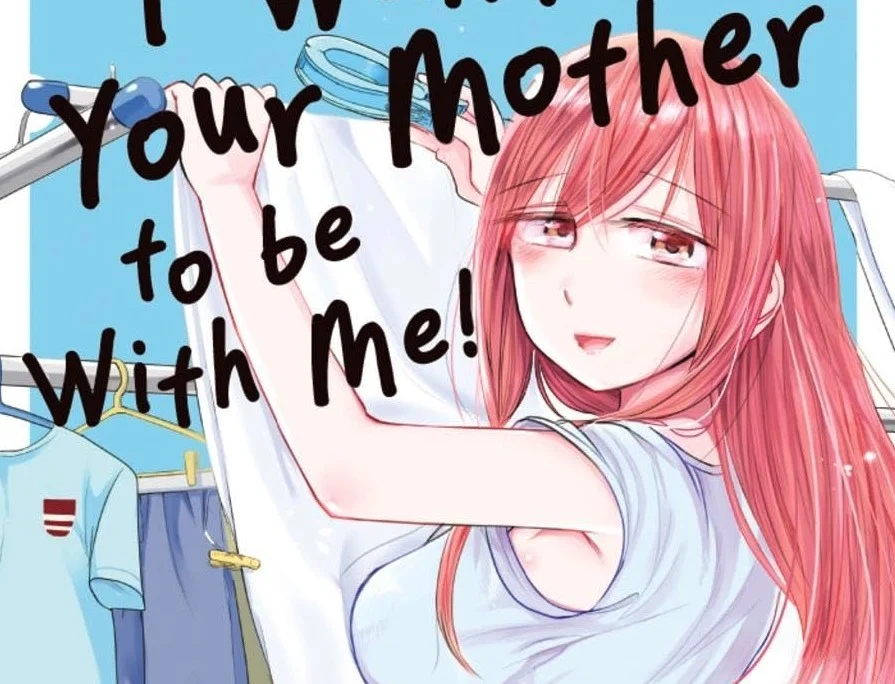
In the ever-evolving landscape of contemporary manga, the slice-of-life genre often serves as a mirror to the quiet, complex, and sometimes messy realities of adulthood. While many romantic comedies rely on high-stakes drama or supernatural twists, I Want Your Mother to Be with Me!—a new title published by One Peace Books—finds its strength in the grounded, earnest, and often humorous pursuit of a blended family life. Authored and illustrated by Yutaka Tazawa, this "super-pure" narrative explores the intersection of professional instability, parental responsibility, and the persistence of the human heart.
Main Facts: The Premise of Persistence
The story centers on Ryo, a young man currently balancing the monotony of part-time employment with the intense pressure of preparing for his accounting exams. Ryo is a protagonist defined by his sincerity; he is unapologetically head over heels for his coworker, Yuzuki. However, the dynamic is complicated by Yuzuki’s reality: she is a widow who lost her husband shortly after the birth of their child.
Unlike traditional romantic narratives where baggage is treated as a plot obstacle to be discarded, Ryo approaches Yuzuki’s situation with a refreshing, if slightly naive, openness. When he finally gathers the courage to confess his feelings—with the explicit, long-term intention of marriage—he is met with a firm rejection. Yuzuki, ever the pragmatist, grounds the interaction in harsh reality: a part-timer, she argues, cannot realistically support her and her child. For Yuzuki, her identity as a mother takes absolute precedence over her identity as a woman or a potential romantic partner.
What follows is not a tale of stalking or forced courtship, but a gentle, slow-burn exploration of what it means to enter a pre-established family unit. Ryo, refusing to give up entirely, pivots his strategy. If he cannot be her partner yet, he will prove his worth by becoming a fixture in her life through friendship—and, more importantly, by building a genuine rapport with her five-year-old, bug-obsessed son.
Chronology of a Budding Relationship
The narrative trajectory of I Want Your Mother to Be with Me! moves at a deliberate, "laid-back" pace, mirroring the daily life of its characters.
- The Catalyst: The story opens with Ryo’s internal struggle as he navigates his work life alongside his infatuation with Yuzuki. The initial confession serves as the narrative’s first major pivot point.
- The Rejection: Yuzuki’s refusal establishes the series’ central conflict. It shifts the power dynamic, moving from a standard workplace crush to a more nuanced exploration of economic and social responsibility.
- The Pivot: Ryo’s decision to pursue a friendship rather than a romantic ultimatum allows for the introduction of the supporting cast, most notably the young son. This period focuses on "found family" dynamics.
- The Bonding Phase: The mid-section of the series focuses on the trio’s interactions. Ryo’s ability to connect with the child over a mutual interest in insects acts as the "bridge" to Yuzuki’s heart.
- The Current Status: As the series progresses, the tension between Ryo’s romantic desires and Yuzuki’s protective maternal instincts continues to fluctuate, culminating in a series of developments that leave the reader poised for a significant turning point, punctuated by a compelling cliffhanger.
Supporting Data: The Anatomy of a Slice-of-Life
To understand why I Want Your Mother to Be with Me! resonates with its target demographic, one must look at Tazawa’s technical execution.
Character Dynamics and Archetypes
The characters are constructed to subvert expectations. Ryo is not the typical "cool" manga lead; his endearment comes from his persistence and his genuine lack of judgment regarding Yuzuki’s past. He sees the "baggage" that others warn him about as part of the package he wants to cherish.
Yuzuki, meanwhile, avoids the "damsel in distress" trope. She is characterized by a strong, protective maternal instinct. Her hesitation to date Ryo is not a lack of interest, but an expression of her commitment to her child’s stability. This creates a fascinating push-pull dynamic where the reader is constantly weighing the emotional needs of the mother against the romantic aspirations of the suitor.
Artistry and Tone
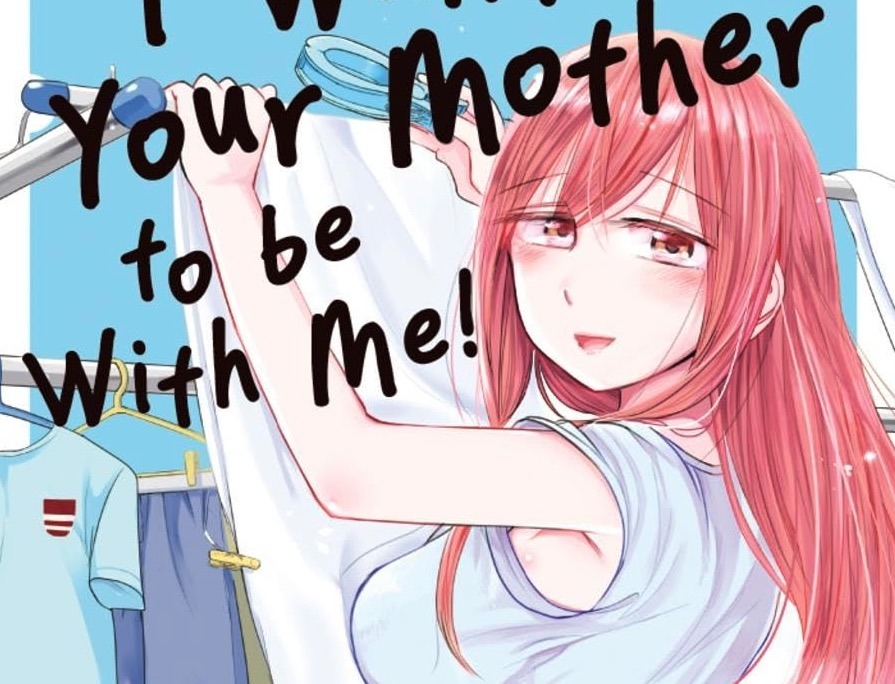
Tazawa’s artwork is described as "solid and smooth," particularly in the way it handles emotional shifts. In a slice-of-life manga, the ability to draw subtle facial expressions is paramount. Tazawa excels at capturing the comedic timing of the bug-obsessed son’s antics, which provides the necessary levity to balance the more serious, contemplative conversations between the adults.
While the manga is marketed as "super-pure," the visual style occasionally leans into fan service, specifically regarding Yuzuki’s character design. However, the narrative itself remains firmly grounded in emotional intimacy rather than carnal pursuits, distinguishing it from more mature-rated titles that rely on sexual tension to drive the plot.
Official Responses and Market Positioning
One Peace Books has positioned this title as a cozy, wholesome entry in their catalog. In an industry often dominated by high-octane battle shonen or dark psychological thrillers, the publisher is betting on a "comfort read" market.
Early reader sentiment, as reflected in initial reviews and the manga’s reception in Japan, highlights the "refreshing" nature of the story. Critics have noted that while the premise of a younger man courting a single mother is not entirely new to the medium, the specific focus on the child’s role and the realistic barriers (financial stability) makes the story feel more grounded than its contemporaries.

Implications: The Evolution of "Pure" Romance
The publication of I Want Your Mother to Be with Me! raises interesting questions about the current state of the romance genre. By labeling itself as "super-pure," the manga taps into a desire for narratives that prioritize character growth and mutual respect over toxic tropes or dramatic misunderstandings.
The Realistic Barrier to Entry
The series forces a conversation about the practicalities of modern relationships. By making the "part-timer" status of the protagonist a central point of conflict, Tazawa introduces socioeconomic realism into a genre that often ignores money. It suggests that, in the modern world, romantic love is inextricably linked to the ability to provide safety and security.
The Role of the "Third Wheel"
Most romantic manga function as a binary system—the lead and the love interest. By elevating the child to a primary character, Tazawa changes the game. The "love triangle" here is not between two romantic rivals, but between a man, a mother, and the child. The implication is that in a modern, single-parent household, a romantic partner cannot simply "date" the parent; they must integrate into the life of the child. This is a subtle but profound commentary on the nature of adult relationships in the 21st century.
Looking Ahead
As the series continues, the primary interest for the reader lies in how Ryo will evolve. Will he secure a better job to prove his worth, or will he convince Yuzuki that their bond is worth more than financial status? The manga’s current momentum suggests a long-form exploration of these themes.
Ultimately, I Want Your Mother to Be with Me! serves as a reminder that romance is not just about the sparks that fly between two individuals, but about the willingness to build a life around the existing structure of another person’s world. Whether Ryo succeeds or fails, his journey provides a heartwarming, humorous, and deeply human look at the complexities of love in the modern age.
For fans of titles like Barakamon or Sweetness and Lightning, this manga offers a similar blend of gentle humor, emotional intelligence, and the quiet satisfaction of seeing a "found family" begin to take shape. With its solid art, likable leads, and a narrative that respects the weight of its own premise, it is a noteworthy addition to the bookshelves of anyone who appreciates a story that takes its time to get it right.


 Neng Nana
 Asro
Asro