Iffa Jayyana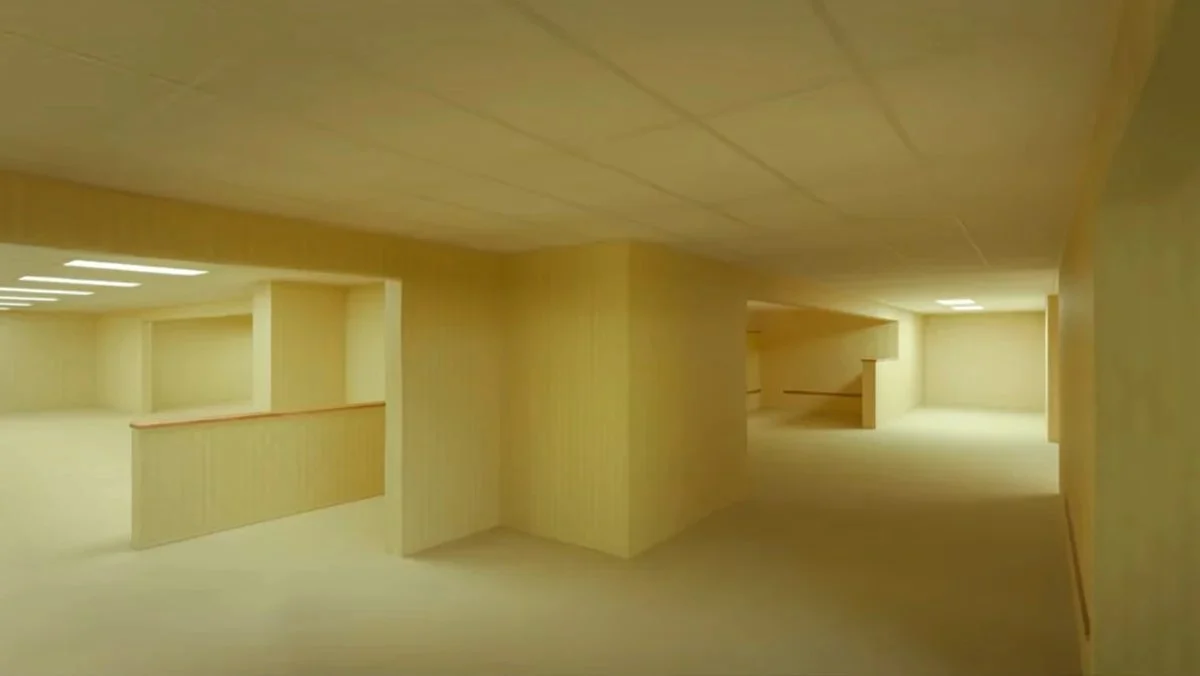
The cinematic landscape has been irrevocably altered. A24’s The Backrooms, a feature film adaptation of the internet’s most persistent piece of collective fiction, has shattered expectations to become a bona fide cultural and financial juggernaut. As of this writing, the film has amassed a staggering $262.3 million at the global box office, securing its place as the highest-grossing film in A24’s storied history—a milestone it reached in its second weekend of release.
While industry analysts were initially skeptical of a low-budget, lore-heavy horror adaptation, those familiar with the "Backrooms" phenomenon viewed the success as an inevitability. The film is not merely a movie; it is the culmination of a half-decade of digital world-building that began in the dark corners of 4chan and evolved into a sprawling, multi-layered mythology.
A Chronology of Chaos: From 4chan to the Silver Screen
The origin of the Backrooms is a masterclass in internet folklore. In 2019, an anonymous user on the imageboard 4chan posted an unsettling, low-resolution photograph of a seemingly mundane room. The space, characterized by nauseating yellow wallpaper, moist, stained carpet, and the oppressive, high-pitched hum of fluorescent lights, triggered an immediate, visceral response from the community.

The image, which was later identified as a forgotten corner of a HobbyTown USA store in Oshkosh, Wisconsin, provided the canvas for a terrifying prompt. A user responded with a chilling description: "If you’re not careful and you noclip out of reality in the wrong areas, you’ll end up in the Backrooms, where it’s nothing but the stink of old moist carpet, the madness of mono-yellow, the endless background noise of fluorescent lights at maximum hum-buzz, and approximately six hundred million square miles of randomly segmented empty rooms to be trapped in. God save you if you hear something wandering around nearby, because it sure as hell has heard you."
This post birthed the concept of "noclip"—a term borrowed from video game culture describing the ability to pass through solid objects—and transformed the image into a gateway for a collective horror project. Filmmaker Kane Parsons (known online as Kane Pixels) saw the cinematic potential in this liminal space, translating the creepypasta into a series of sophisticated YouTube shorts. These shorts caught the eye of A24, leading to the feature-length production that has now captivated global audiences.
Supporting Data: The Anatomy of a Hit
The financial data behind The Backrooms is unprecedented for an indie-leaning studio. By crossing the $260 million threshold so rapidly, the film has demonstrated that the "creepypasta" demographic is a powerful, untapped market.

Unlike traditional intellectual properties (IP) that rely on established literary characters or comic book heroes, The Backrooms is an open-source mythology. Its success lies in its accessibility. Because the lore is constantly being expanded by fans on wikis and community forums, audiences walked into theaters not as passive observers, but as stakeholders in the universe. They were looking for the "entities" they had read about, the "levels" they had navigated on fan-made wikis, and the specific aesthetic of liminality that defines the genre.
The Digital Ecosystem: Levels and Entities
While the A24 film takes creative liberties with the source material, it remains firmly rooted in the concept of "levels." Within the online community, the Backrooms are not a single room, but an infinite, interconnected series of environments—a structure that mirrors the architectural logic of a video game.
Fans have collaborated to create an intricate database of these levels, each with its own set of rules, environmental hazards, and "entities." These entities, which range from humanoid stalkers to abstract, Lovecraftian horrors, provide the necessary tension to drive the narrative forward. Below is a breakdown of the most prominent levels that define the fandom’s collective consciousness.
1. The Broken: The Architecture of Corruption
The Broken is an outlier in the lore, functioning as a "non-level" or a refuse site for corrupted reality. It is a kaleidoscopic, fragmented expanse where deleted levels go to die. Buildings intersect at impossible angles, and surfaces pulsate with heat. It is widely considered the "power source" of the Backrooms, representing the instability of the entire system.
2. TH3 SH4DY GR3Y: The Abstract Void
A monochromatic nightmare, TH3 SH4DY GR3Y exists as a cluster of environments stripped of color. It is a glitchy, forest-like space that highlights the "file corruption" theory of the Backrooms. The absence of hue forces the human brain to fill in the gaps, leading to a state of perpetual psychological unease.
3. Welcome to Hell (Level 666)
Designed as a purely psychological trap, Level 666 uses blood-red aesthetics to induce paranoia. It is an exploration of the human mind under extreme, forced isolation, mirroring the descent into madness often associated with Dante’s Inferno.

4. Level Fun: The Deceptive Childhood
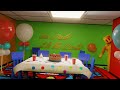
Perhaps the most disturbing level due to its juxtaposition of innocence and malice, Level Fun is filled with birthday party imagery, murals, and balloon-laden hallways. However, the presence of the "Partygoers"—entities that mimic human form—turns this nostalgic setting into a trap for the unwary.
5. The Island of the Void (Level 999)
This level represents the ultimate fear of absolute isolation. A single, greyscale island floating in an endless, starless void, Level 999 offers no exit and no hope. It is the purest expression of the "trapped" aspect of Backrooms lore.
6. Run for Your Life (Level !)
A visceral, high-octane nightmare, Level ! is a never-ending hospital corridor filled with flashing red lights and sirens. It forces the survivor into a perpetual state of flight, chased by entities in a classic "chase sequence" format that keeps heart rates at a constant maximum.
7. Cave System
Drawing inspiration from claustrophobic survival horror, the Cave System is a subterranean labyrinth. With minimal light, unstable terrain, and predators that track heat and movement, it serves as a warning against the dangers of exploration in the Backrooms.
8. Lights Out
The simplest and perhaps the most terrifying level, "Lights Out" is a pitch-black void. Because there are no visual stimuli, the human brain begins to manufacture auditory hallucinations. It is the ultimate test of sensory deprivation.
Implications: The Future of Collaborative Storytelling
The success of The Backrooms signals a shift in how major studios will look for intellectual property in the coming decade. We are moving away from the era of top-down franchise management and into an era of "community-sourced" cinema. A24’s decision to tap into an existing, fan-maintained wiki-based universe suggests that the next generation of blockbuster horror will come from the internet, not the publishing house.
Furthermore, the film’s success highlights the cultural obsession with "liminal spaces"—places that feel transitory, abandoned, or "between" destinations. As society becomes increasingly digitized, the allure of a tangible (albeit horrific) space that feels like a glitch in our own reality has proven to be a universal hook.
Official Responses and Cultural Impact
While some purists in the creepypasta community have debated the film’s departure from specific "canon" rules, the consensus is one of overwhelming support. Kane Parsons, who maintained creative involvement, has successfully bridged the gap between niche internet subculture and mainstream prestige cinema.
A24 has remained relatively quiet regarding a sequel, yet the box office numbers make it a near-certainty. The implications are clear: the audience is hungry for stories that feel "discovered" rather than "produced." As the Backrooms continues its theatrical run, it serves as a monument to the power of collective imagination. What started as a single, grainy photo on an anonymous board has become a multi-million dollar cinematic empire, proving that even the most obscure digital nightmares can find their way into the light of the public eye—and that, once you step into the Backrooms, you may never truly leave.


 Siti Muinah
 Azzam Bilal Chamdy