Raul Delapena Setiawan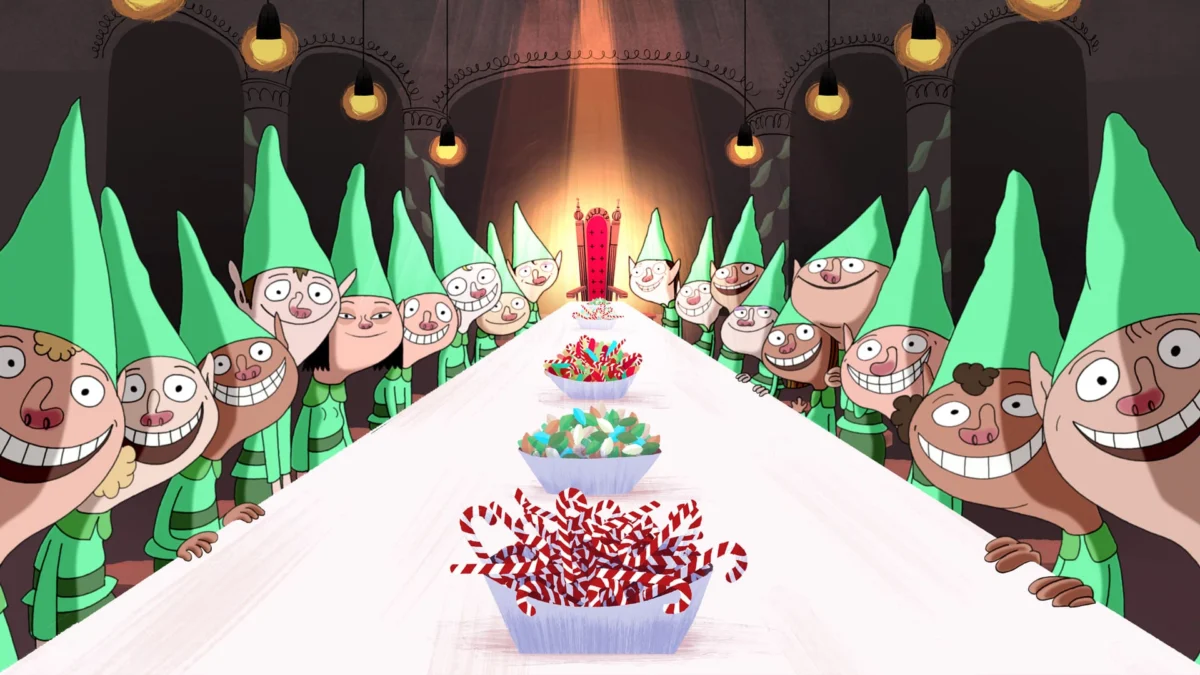
In the landscape of Canadian animation, few names command as much reverence as Cordell Barker. Known for his whimsical, subversive, and technically meticulous approach to short-form storytelling, Barker has spent decades crafting films that resonate far beyond his home borders. With his latest project, The Anta Claus of the South Pole, set to debut in late 2026, the animation legend is poised to redefine the holiday television special. Produced through a landmark collaboration between Montreal-based studio Tonic DNA and the National Film Board of Canada (NFB), this 24-minute 2D-animated feature promises a departure from the saccharine traditions of seasonal programming, offering instead a character-driven study of envy, imperfection, and the true meaning of community.
Main Facts: A Penguin-Powered Quest for Self-Acceptance
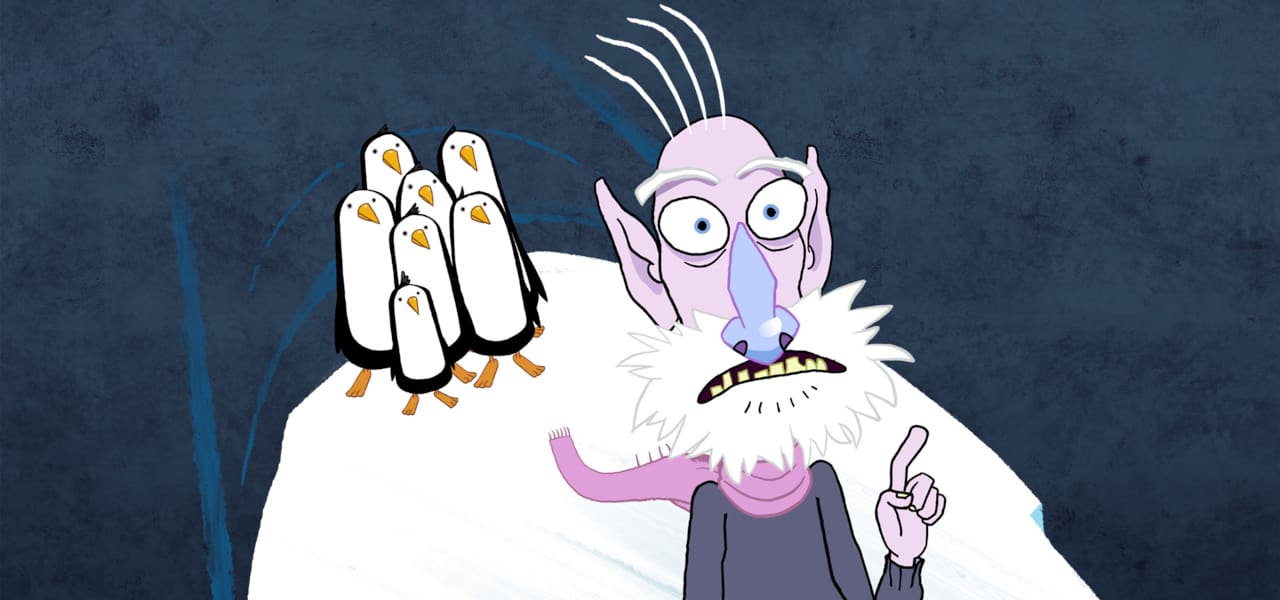
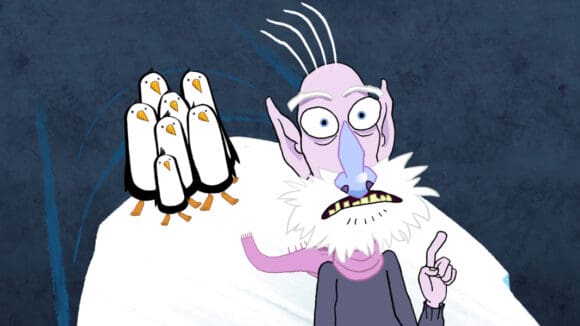
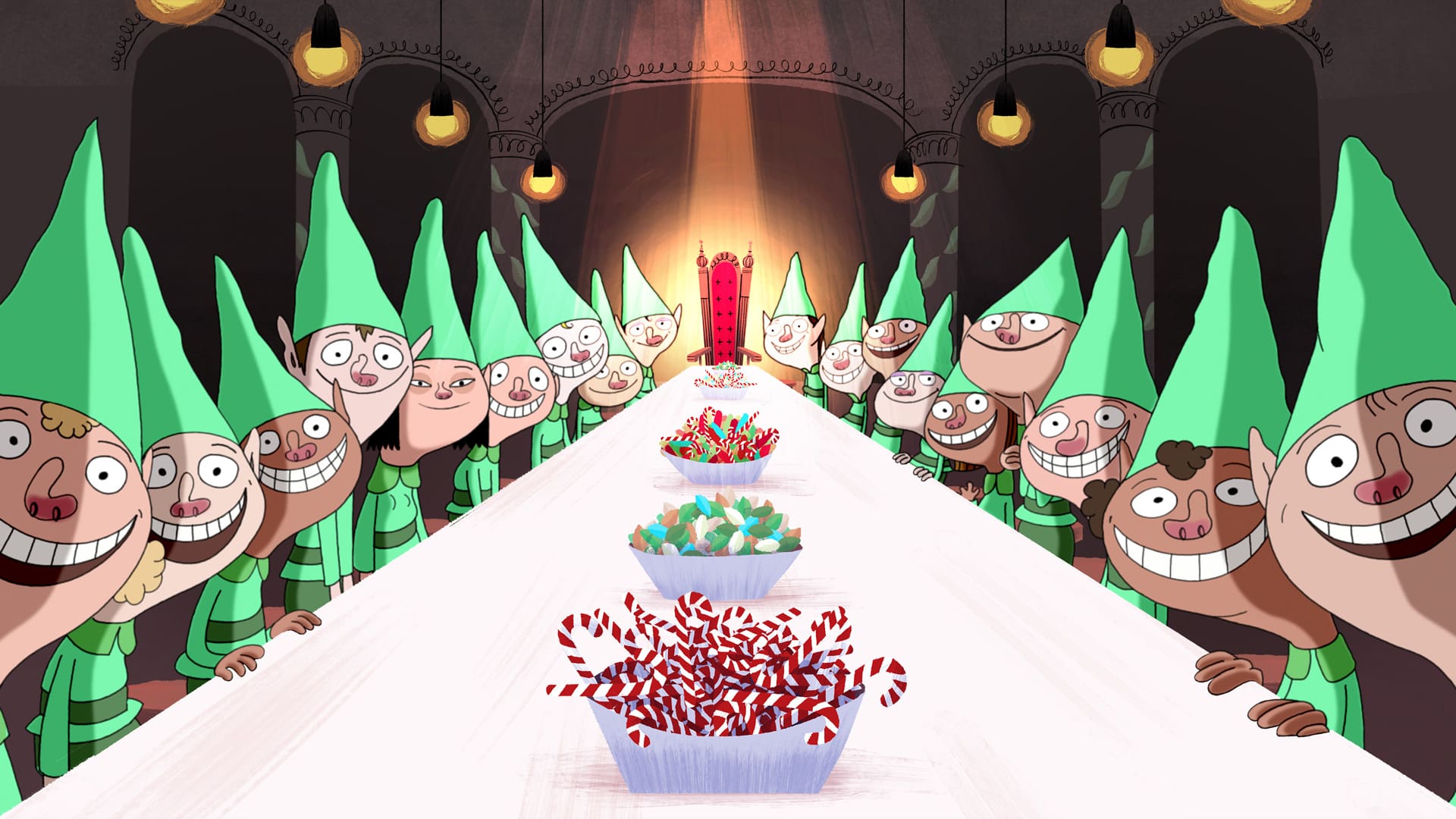
The Anta Claus of the South Pole introduces audiences to an unlikely protagonist: Anta Claus. Positioned as the South Pole’s idiosyncratic, somewhat jaded counterpart to the global phenomenon of Santa Claus, Anta is a man—or perhaps a myth—defined by his flaws. Tired of living in the shadow of his northern rival’s massive success, Anta embarks on a journey powered by a team of penguins, seeking to uncover the secret behind the North Pole’s festive dominance.
However, the narrative arc is far from a standard "hero’s journey." As the plot unfolds, Anta is forced to confront the reality that his obsession with competitive holiday perfection has blinded him to the beauty of the "eccentric community" he left behind. The special is a poignant reflection on belonging and the dangers of comparing one’s own path to the curated success of others. With a running time of 24 minutes, the production utilizes a traditional 2D animation style that promises to highlight Barker’s signature visual flair and fluid character acting.
Chronology: From Concept to Screen
The path to The Anta Claus of the South Pole has been a long-gestating creative process for Barker. While the official announcement arrived in June 2026, the thematic roots of the story date back several years. Barker, whose illustrious career includes Academy Award-nominated masterpieces like The Cat Came Back (1988) and Strange Invaders (2001), has long expressed an interest in exploring the "anti-hero" archetype.
Following the initial development phase, the project secured a high-profile co-production deal between Tonic DNA and the NFB. This partnership marked a significant moment for the Canadian animation industry, uniting the NFB’s long-standing reputation for artistic excellence with Tonic DNA’s technical prowess in modern 2D animation.
Throughout 2025, the production team focused on character design and the complex task of capturing the icy, whimsical geography of the South Pole. By early 2026, the project entered the final stages of sound design and voice recording. With the acquisition by Crave, a division of Bell Media, the special is now firmly on the track for a late-2026 holiday release, with international distribution currently being negotiated to bring the story to global audiences.
.png)
Supporting Data: The Talent Behind the Frame
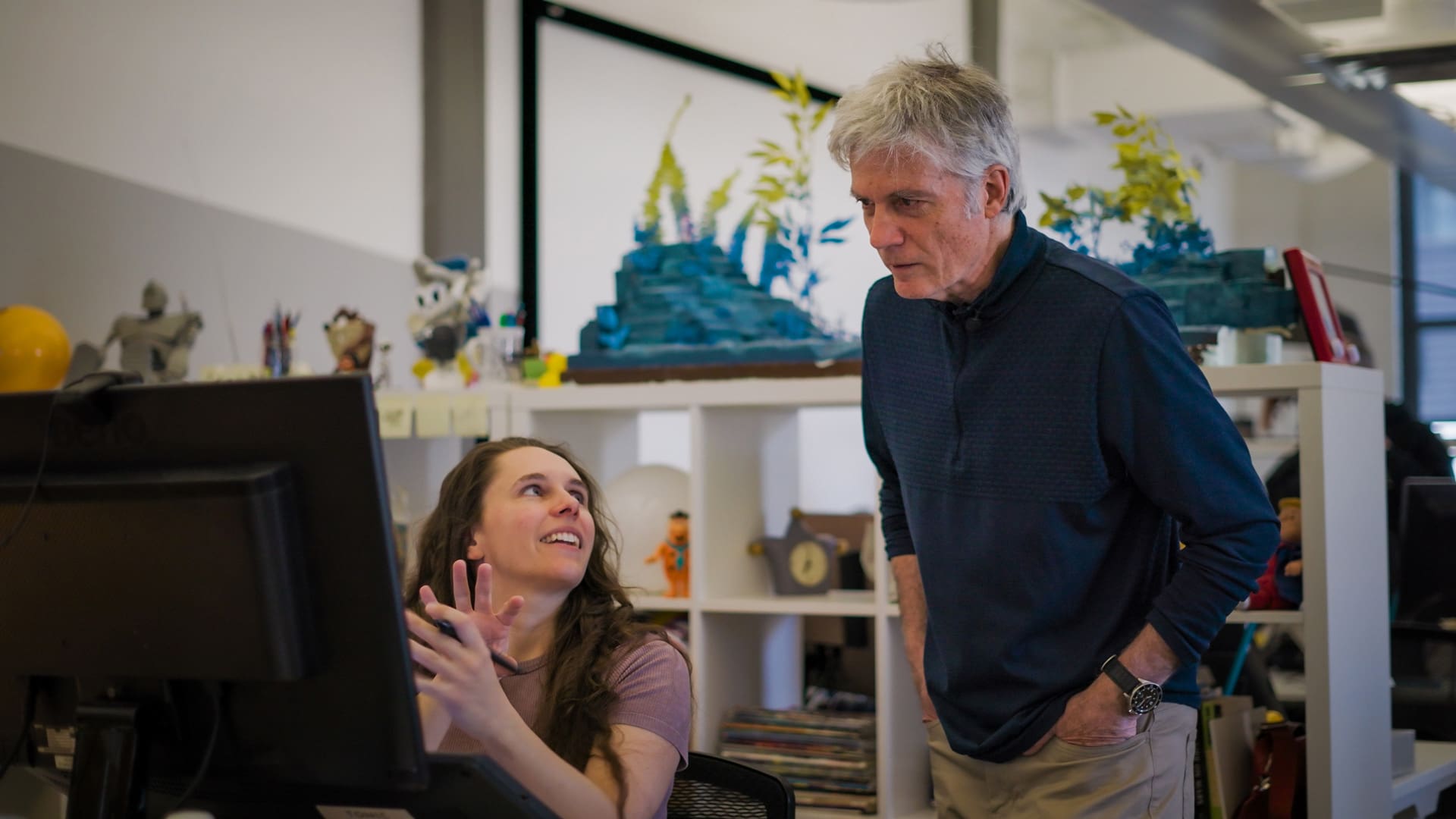
A production is only as strong as its creative engine, and The Anta Claus boasts a roster of industry veterans. The film’s title character is voiced by the seasoned actor Tyrone Benskin, known for his resonant delivery and ability to capture the nuance of complex, flawed characters. For the French-language version, the production tapped the comedic powerhouse Anthony Kavanagh, who provides both the lead voice and support for various secondary characters, ensuring the film appeals to both of Canada’s primary linguistic demographics.
The soundscape of the South Pole is being crafted by composer Martin Léon, whose score is expected to mirror the film’s blend of cynicism and sentimentality. The technical side is bolstered by sound designers Olivier Calvert and Samuel Gagnon-Thibodeau, who are tasked with creating a sonic world that feels distinct from the typical jingle-bell-heavy holiday soundscape.
The production also benefits from the institutional support of the Canada Media Fund, reflecting the project’s significance as a piece of national cultural output. Executive producers Howard Huxham and Christine Noël have spearheaded the effort, ensuring that while the film is a creative risk, it remains grounded in the high production standards expected of an NFB-backed endeavor.
Official Responses: Insights from the Creator
In a press release issued alongside the announcement, Cordell Barker offered a candid look at why he chose to focus on a character like Anta Claus. "I’ve wanted to make this film for a very long time," Barker noted. "I love working with anti-hero characters. Anta Claus is spilling over with character flaws, idiosyncrasies, jealousy, and frustration."
Barker believes these traits are precisely what make the character relatable. "All those imperfections and explosive behavior come together to create a charmingly flawed individual that audiences will enjoy watching as he finds his place in the world," he added. This focus on "charming flaws" is a hallmark of Barker’s career; he has never been one to rely on archetype-driven storytelling, preferring instead to peel back the layers of his characters until their vulnerability is exposed.
Executive producer Howard Huxham echoed this sentiment, framing the film as a necessary addition to the holiday canon. "It is a heartfelt story about belonging, acceptance, and finding your place in the world," Huxham stated. By moving away from the "perfect holiday" trope, the team hopes to provide a breath of fresh air for viewers who might be fatigued by the repetitive narratives that dominate December programming.
Implications: The Future of Canadian Animation
The significance of The Anta Claus of the South Pole extends beyond its release date. It represents a vital marriage between traditional 2D animation and contemporary streaming distribution models. By leveraging the prestige of the National Film Board of Canada and the reach of a commercial platform like Crave, the production demonstrates a successful model for funding high-quality, auteur-driven animation.
If the film succeeds, it may encourage further investment in short-to-medium-length 2D projects, a format that has struggled to find consistent funding in an era dominated by CGI features and short-form web content. It also reinforces the role of the NFB as a primary incubator for high-level artistic work that can successfully transition into the mainstream television market.
Furthermore, by placing an "anti-hero" at the center of a Christmas special, the film challenges the genre’s constraints. It suggests that holiday stories do not need to be purely aspirational; they can be critical, introspective, and even slightly cynical, provided they are underpinned by a genuine human—or, in this case, polar—connection.
Conclusion
As we approach the 2026 holiday season, The Anta Claus of the South Pole stands as one of the most anticipated projects in the animation world. With Cordell Barker at the helm, the film is poised to be more than just a seasonal distraction. It is a calculated, creative, and deeply human exploration of what it means to live in the shadow of giants.
Through its blend of veteran talent, strong institutional support, and a narrative that prizes emotional truth over festive polish, the special is set to remind audiences that the most memorable characters are not those who are perfect, but those who are perfectly themselves. Whether or not Anta Claus ultimately succeeds in his quest to outdo the North Pole, he has already succeeded in carving out a unique space in the 2026 television landscape—a space that promises to be as cold, funny, and warm-hearted as the South Pole itself.


 Nana Wu
 Suro Senen