Reynand Wu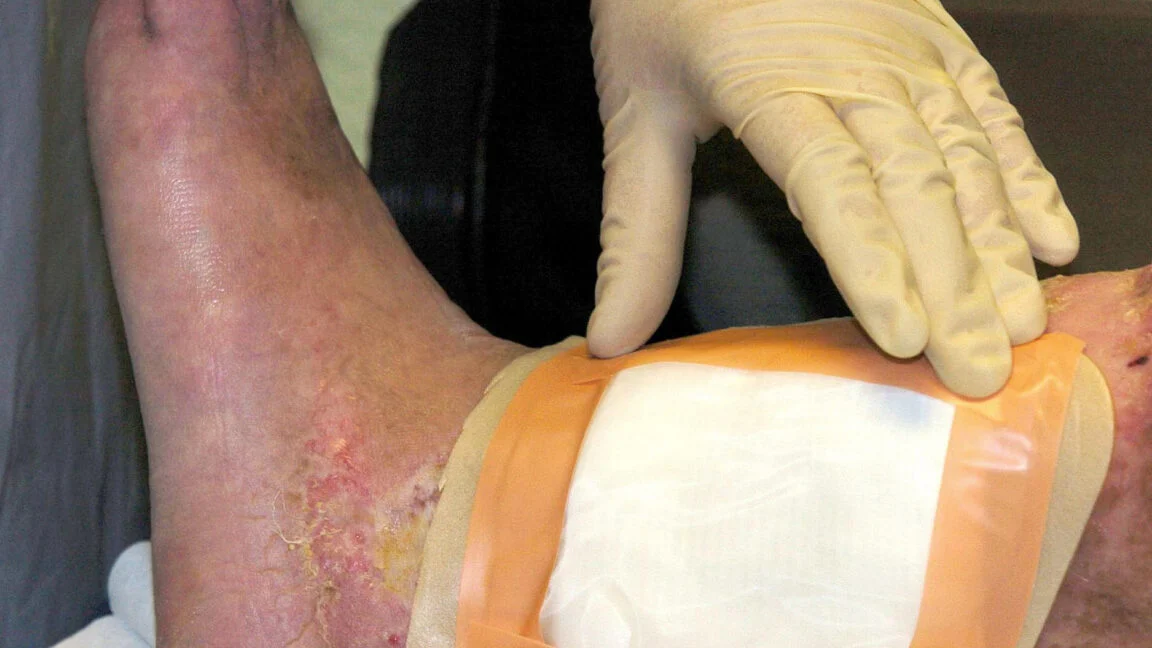
In a move that marks a significant milestone for the niche yet burgeoning field of clinical biosurgery, the U.S. Food and Drug Administration (FDA) has granted 510(k) clearance to a second species of fly larvae for use in medical wound debridement. The announcement, issued this week by Singapore-based biotechnology firm Cuprina Holdings, introduces "MediFly Maggots"—the first U.S.-cleared product utilizing the larvae of the Australian sheep blowfly, Lucilia cuprina.
This regulatory victory cements Cuprina’s position as the primary authority in the North American maggot therapy market, making it the only entity with FDA clearance for two distinct species of medicinal larvae. As chronic wound care continues to struggle with the rising tide of antibiotic resistance and complex diabetic ulcers, this expansion of the “biosurgery toolkit” offers a sophisticated, biological alternative to traditional surgical debridement.
Main Facts: What is MediFly?
Maggot Debridement Therapy (MDT) is a form of biosurgery wherein sterile, laboratory-reared fly larvae are applied to non-healing wounds. These larvae perform a dual function: they selectively consume necrotic (dead) and infected tissue while sparing healthy granulation tissue, and they secrete antimicrobial enzymes that help combat stubborn bacterial biofilms.
The newly cleared Lucilia cuprina joins Lucilia sericata (the common green bottle fly) as the only two species permitted for clinical use in the United States. While L. sericata has been the industry standard since the FDA first granted clearance for MDT in 2004, the introduction of L. cuprina is not necessarily intended to replace its predecessor. Instead, Cuprina is positioning the two species as complementary tools, allowing clinicians to tailor treatment based on regional familiarity, clinical environment, and specific wound profiles.
A Brief Chronology: From Ancient Practice to FDA Compliance
The history of maggot therapy is one of the most compelling narratives in modern medicine—a journey from accidental observation on the battlefield to rigorous clinical validation.
The Pre-Modern Era
Historically, the observation that wounds infested with maggots healed faster and with less gangrene than those that were not dates back centuries. Military surgeons, including Ambroise Paré in the 16th century and Napoleon’s surgeon-in-chief Baron Dominique-Jean Larrey, noted the phenomenon. However, it was not until World War I that Dr. William Baer, an orthopedic surgeon at Johns Hopkins, formalized the practice after observing soldiers who had lain on the battlefield for days with maggot-infested wounds that were surprisingly clean and healthy.
The 20th Century Decline and Resurgence
Following the discovery of penicillin in the 1940s, MDT largely fell into obscurity, viewed as an archaic and "unhygienic" relic of pre-antibiotic medicine. However, as antibiotic-resistant bacteria (such as MRSA) began to threaten public health in the late 20th century, researchers began to revisit natural alternatives.
The 2004 Milestone
In 2004, the FDA granted its first clearance for a maggot debridement product to Dr. Ronald Sherman. This was the watershed moment that brought MDT into the mainstream medical fold. Since then, the therapy has been utilized in thousands of hospitals, particularly for patients suffering from diabetic foot ulcers, pressure sores, and traumatic wounds that have failed to respond to conventional treatments.
The 2026 Expansion
With the recent clearance of L. cuprina, Cuprina Holdings has effectively bridged the gap between global clinical practices and the stringent U.S. regulatory environment, signaling a new phase of international standardization for biosurgery.
Supporting Data: Why Two Species Matter
While L. sericata and L. cuprina are closely related, their utility in the clinical setting is nuanced. Critics often ask why a second species is necessary if the first is already effective. The answer lies in both biological and logistical logistics.
- Clinical Versatility: L. sericata is the "gold standard" in Western medical literature, benefiting from decades of U.S.-based clinical trials and case studies. However, L. cuprina is widely recognized in the Southern Hemisphere and parts of Asia and Africa. By providing both, Cuprina allows for a globalized standard of care that can adapt to different clinical preferences.
- The "Biosurgery" Mechanism: Both species function via "extracorporeal digestion." The larvae secrete proteolytic enzymes that liquefy necrotic tissue, which the larvae then ingest. This process is far more selective than surgical debridement, which often involves cutting away both dead and healthy tissue.
- Biofilm Disruption: Research indicates that the secretions of these larvae are highly effective at disrupting bacterial biofilms—slimy, protective layers formed by bacteria that make them nearly impervious to topical antibiotics. By mechanically and chemically disrupting these barriers, MDT creates a clean environment where the body’s own healing mechanisms can take over.
Official Responses: Strategic Vision and Clinical Advocacy
The leadership at Cuprina Holdings views this regulatory win as a cornerstone of their growth strategy.
"We now hold FDA clearance for both species used in MDT, a position no other company holds," said Cuprina CEO David Quek. "This anchors our wound-care platform in one of the world’s most demanding regulatory markets and gives us a defensible edge as we continue to build our portfolio. Our mission is to transform biosurgery from a ‘last resort’ treatment into a first-line therapy for chronic wounds."
Dr. Ronald Sherman, the pioneer who originally secured the first FDA clearance and now serves as Cuprina’s Medical and Scientific Director, emphasized the long-term impact of this development.
"Maggot debridement therapy has earned its place in modern wound care, and adding a second FDA-cleared species strengthens the entire field," Dr. Sherman stated. "For years, clinicians have seen the remarkable results that L. cuprina can deliver in international settings. Bringing it under U.S. FDA clearance ensures that these rigorous standards of safety and sterility are met for our domestic patients. It gives clinicians and their patients more flexibility in how this therapy is delivered, ensuring the right tool for the right wound."
Implications: The Future of Wound Care
The implications of this FDA clearance extend far beyond the introduction of a new product; they signify the maturation of the biosurgery sector.
1. Combating the Antibiotic Crisis
As the world grapples with the "silent pandemic" of antimicrobial resistance, the demand for non-pharmacological wound care is skyrocketing. MDT provides a chemical-free way to remove infection and prepare a wound bed for healing, effectively reducing the need for systemic antibiotics that contribute to resistance.
2. Economic and Health Outcomes
Chronic wounds are a massive financial burden on healthcare systems, costing billions of dollars annually in hospitalizations and surgeries. If MDT can prevent a single amputation or reduce the length of a hospital stay by even a few days, the cost-benefit ratio is overwhelmingly positive. The availability of multiple cleared species ensures supply chain resilience and greater accessibility for hospital systems.
3. Overcoming the "Yuck Factor"
The biggest hurdle for MDT has always been patient perception. However, as the medical community becomes more comfortable with "living medicines," the stigma surrounding maggot therapy is fading. By standardizing the product through FDA clearance, Cuprina is effectively sanitizing the image of the therapy, transforming it from a "gross" concept into a high-tech medical procedure.
4. A Template for Future Innovation
Cuprina’s success sets a regulatory precedent for other natural or biological therapies. As the FDA becomes more accustomed to reviewing complex, living-organism-based treatments, the pathway for future innovations in biosurgery—perhaps even genetically modified larvae or specialized enzyme-derived topicals—becomes clearer.
Conclusion
The FDA’s clearance of Lucilia cuprina represents more than just a regulatory administrative success; it is a validation of the role that nature plays in modern clinical recovery. By consolidating its hold on the market and expanding the options available to wound care specialists, Cuprina Holdings is not merely selling maggots—they are advocating for a paradigm shift in how we approach the most challenging, persistent wounds in modern medicine. As the healthcare landscape continues to evolve, the wriggling, tiny workers of the biosurgery world seem poised to play a larger role than ever before.


 Neng Nana
 Rifan Muazin