Pevita Pearce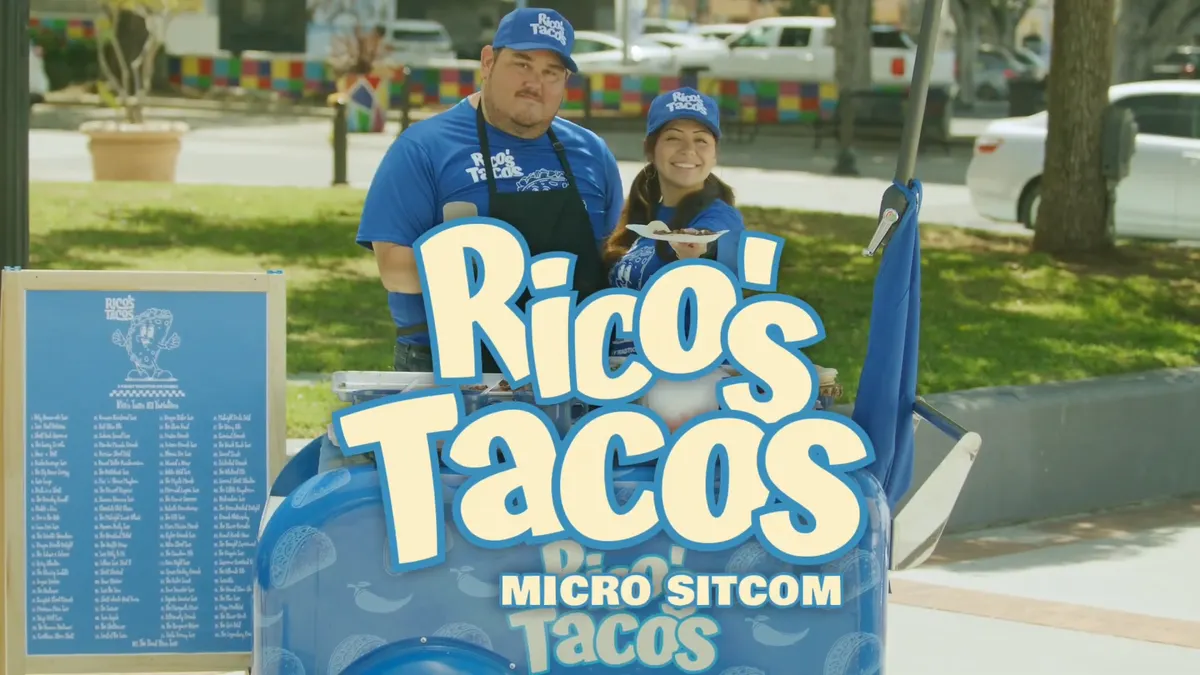
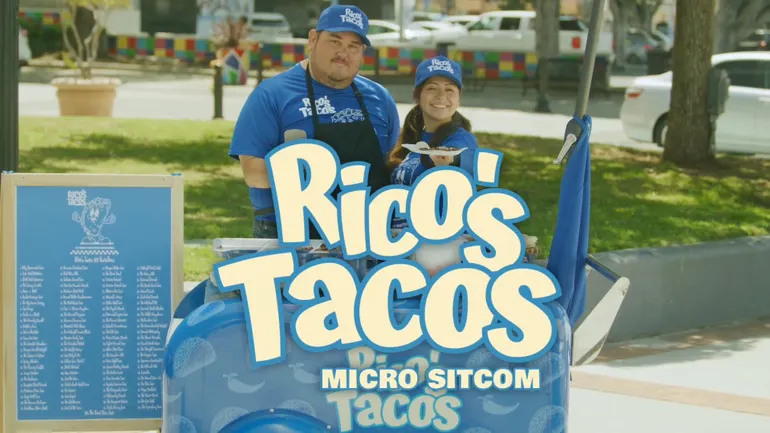
In a bold intersection of retail media, data science, and narrative storytelling, Procter & Gamble (P&G) and the Albertsons Media Collective have unveiled “Rico’s Tacos,” a multi-episode microdrama series that signals a new frontier for how brands engage with consumers. By embedding shopper insights into the DNA of the production process, the collaboration moves beyond traditional advertising, aiming to foster deeper emotional resonance while simultaneously driving measurable commercial outcomes.
The series, which premieres on June 23, 2026, at the prestigious Cannes Lions International Festival of Creativity, follows a multi-generational family in Southern California—a widowed father, his daughter, and her combat-veteran grandmother—as they navigate the challenges and triumphs of launching a taco business. Through one- to two-minute segments running through August, the show explores profound themes of identity, legacy, and resilience, all while subtly integrating P&G household staples like Bounty, Head & Shoulders, and Vicks.
Main Facts: A New Model for Retail Media
The core innovation of "Rico’s Tacos" lies in its origin. Unlike typical branded content, where data is relegated to the back-end for ad-targeting or post-campaign analysis, the creative vision for "Rico’s Tacos" was forged in the fire of Albertsons’ first-party shopper data.
"What makes this collaboration notable is that the creative was developed with Albertsons Cos. using shopper insights at the outset," said Lela Coffey, vice president of user growth acceleration at P&G. "That creates a closer link between the story, the audience, and the commercial outcome."
The project is supported by an omnichannel distribution strategy. Episodes will live on YouTube, social media channels, and will even be integrated into the physical shopping experience, with snippets appearing in-store and a "shop-the-series" feature embedded directly into the Albertsons mobile application. This represents a significant shift for retail media networks, which are increasingly eager to shed their reputation as mere performance-marketing engines and emerge as full-funnel entertainment studios.
Chronology: From Concept to Cannes
The development of "Rico’s Tacos" reflects a strategic pivot in how retail media networks are defining their value propositions.
- Pre-Production (Q1-Q2 2026): Albertsons Media Collective and P&G collaborated to identify key consumer personas. Using aggregated shopper insights, they identified themes that resonated with the target demographic, eventually partnering with Minivela, a studio specializing in creator-powered, Latino-focused microdrama, to execute the narrative.
- Production (Spring 2026): Filming took place, including on-location shoots within Albertsons stores, featuring actual store employees to provide a layer of authenticity.
- June 17, 2026: Official announcement of the project, accompanied by a sizzle reel release.
- June 23, 2026: Global premiere at the Cannes Lions International Festival of Creativity, marking the transition from development to public exhibition.
- Summer 2026: The series rolls out in short-form, mobile-first episodes distributed through August.
Supporting Data and Industry Context
The rise of the "microdrama" is not accidental. As consumer attention spans have fractured, brands have pivoted to bite-sized, high-quality, vertical video content that mimics the aesthetic of social media feeds.
This trend is backed by a growing appetite for branded entertainment. P&G, in particular, is no stranger to this space. Its history with the "soap opera"—a term literally coined because P&G brands like Duz and Ivory sponsored early radio and television serials—provides a historical precedent for the current strategy. More recently, P&G’s Native personal care brand launched a 50-part microdrama series, signaling the company’s commitment to long-form storytelling within the short-form format.
The market shift is also driven by the maturation of retail media. For years, retail media data was valued strictly for its precision in programmatic advertising. However, as the digital advertising ecosystem faces the sunset of third-party cookies, first-party data from retailers has become the "gold standard." Albertsons is demonstrating that this data is not just for finding customers—it is for understanding them well enough to tell them a story they want to watch.
Official Responses and Strategic Vision
The leadership involved in "Rico’s Tacos" views the project as a foundational proof-of-concept for the future of retail-integrated media.

Brian Monahan, senior vice president of retail media at Albertsons Media Collective, emphasized that the industry is at a turning point. "Retail media is evolving beyond placements toward work that drives brand love, commerce, and measurement," Monahan stated. He argued that the ability to use aggregated shopper insights to shape creative allows brands to understand exactly what resonates with their customers, providing a clearer line of sight between the narrative arc and the sales conversion.
Lela Coffey of P&G echoed this sentiment, suggesting that the success of such projects will be measured by a "closer link" between the narrative and the commercial outcome. By involving experts like Minivela CEO Manny Ruiz—who served as the showrunner—P&G ensured that the project maintained cultural authenticity while still hitting the marketing objectives required by a global CPG powerhouse.
Implications: The Retail Media Renaissance
The success of "Rico’s Tacos" will likely have far-reaching implications for the advertising industry:
1. The Blurring of Content and Commerce
The "shop-the-series" feature within the Albertsons app is a harbinger of a future where the distinction between entertainment and the point-of-sale vanishes. As consumers move from watching a narrative to adding a featured product to their digital cart, the path to purchase becomes almost invisible.
2. Retailers as Content Hubs
Retail media networks are increasingly competing with traditional media publishers. By utilizing their own physical and digital channels—in-store displays, apps, and websites—retailers like Albertsons are creating "walled gardens" of content that keep consumers within their ecosystem for longer periods.

3. Data-Driven Storytelling
Perhaps the most significant implication is the shift in creative workflows. In the past, creative directors often operated independently of data analysts. The "Rico’s Tacos" model demands a new type of creative professional: one who can synthesize demographic insights into a compelling script without sacrificing the artistic integrity of the work.
4. The Rise of Niche Micro-Communities
By targeting specific demographics—in this case, through a Latino-focused microdrama—brands are moving away from broad-spectrum messaging. Retail media data allows for a granular understanding of community values, enabling brands to craft narratives that feel bespoke rather than generic.
Conclusion
As "Rico’s Tacos" prepares for its debut at Cannes, the broader advertising community is watching closely. If the series succeeds in building brand affinity while driving tangible sales, it will likely trigger a wave of similar "branded microdramas" across the retail sector.
For Albertsons, this is only the beginning. The company has already indicated that "Rico’s Tacos" is merely the first step in a broader strategy to scale branded content across various formats and partnerships. As the lines between the grocery aisle and the media studio continue to blur, the brands that thrive will be those that master the art of the narrative, using the power of data not to intrude upon the consumer, but to invite them into a story that feels both personal and essential.
The era of the "retail-media-as-publisher" has arrived, and if the early excitement surrounding this P&G partnership is any indication, the future of marketing is not just in what you sell, but in the stories you tell to sell it.


 Laily UPN
 Ammar Sabilarrohman