Muslim
Despite the undeniable dominance of animation within the global streaming ecosystem, a familiar tension has resurfaced at Netflix. The streamer, which has increasingly experimented with theatrical windows for its high-profile live-action tentpoles, has confirmed that Brad Bird’s highly anticipated animated feature, Ray Gunn, will bypass a major theatrical release.
This decision, first reported by Drew Taylor of TheWrap, arrives at a moment when animated films are consistently outperforming live-action counterparts at the global box office. Yet, even with a powerhouse director like Bird at the helm and significant industry buzz, Ray Gunn is being relegated to the digital shelf, highlighting a deep-seated disconnect between Netflix’s creative priorities and its distribution strategy.
The Core Conflict: A Missed Opportunity for Ray Gunn
For many in the animation community, the hope was that Ray Gunn would serve as a bridge, proving that high-budget, auteur-driven animation deserves the same cinematic reverence as live-action blockbusters. The film, a long-gestating passion project for Brad Bird, had been eyeing a prime IMAX release slot—a window that opened unexpectedly after the rescheduling of Greta Gerwig’s Narnia adaptation.
Instead of positioning Ray Gunn as a theatrical flagship, Netflix opted to allocate that coveted space to an untitled sequel to David Fincher’s Once Upon a Time in Hollywood. This decision serves as a bellwether for how the streamer views the hierarchy of its content. While Ray Gunn boasts a star-studded cast and the pedigree of one of the most respected directors in the medium, it remains firmly categorized as a "streaming-first" asset.
A Chronology of Institutional Hesitation
The history of Ray Gunn is one of persistence against systemic obstacles. Brad Bird has spent years navigating the landscape of modern animation, from his early successes at Pixar to the current shift toward streaming dominance.
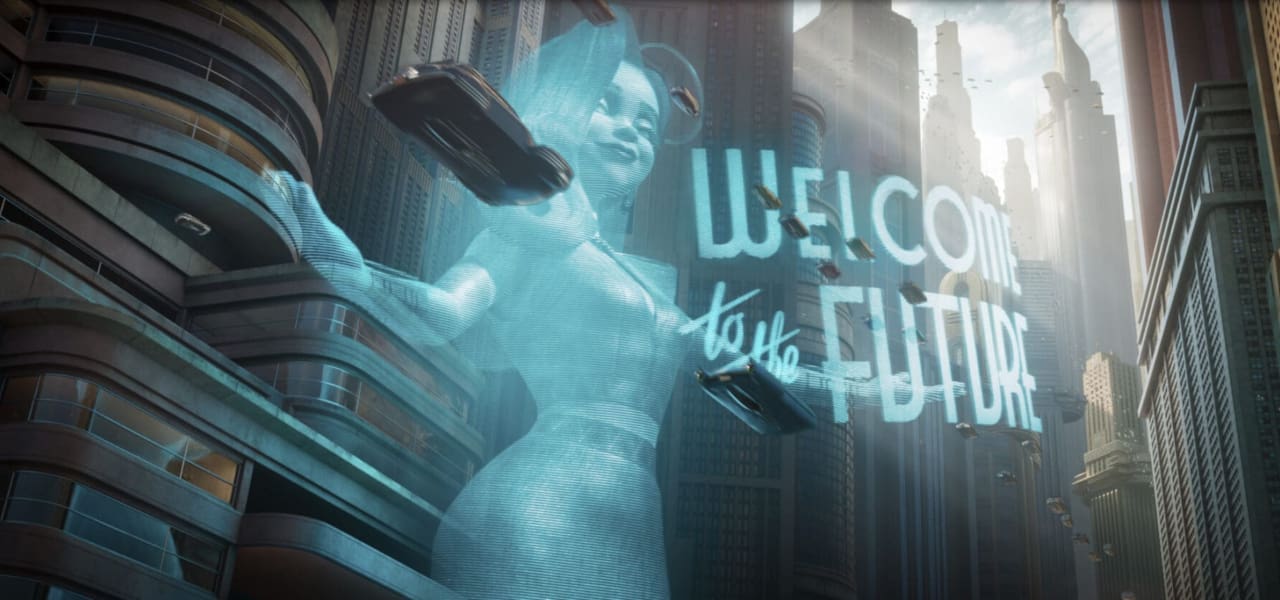
- The Inception: Ray Gunn was initially conceived as a project that would marry Bird’s signature storytelling with the visual ambition of a feature-length sci-fi noir.
- The Skydance Factor: The film’s development became inextricably linked with Skydance Animation. The studio’s transition—moving from a partnership with Apple/Netflix to becoming a key player under Paramount—has added layers of corporate complexity to the film’s distribution journey.
- The "Bargaining Chip" Era: Sources indicate that as the corporate landscape shifted, Ray Gunn transitioned from a primary priority to a negotiation tool in broader industry maneuvering. The lack of a clear release path is, in part, a byproduct of these shifting corporate allegiances.
- The Present: With the recent confirmation that the IMAX slot is occupied by live-action, the theatrical prospects for Ray Gunn have effectively been shuttered, leaving it to debut exclusively on the Netflix platform.
Supporting Data: The Disconnect Between Metrics and Strategy
The logic behind bypassing theaters is particularly puzzling when one examines the performance metrics of Netflix’s recent animated library.
Animation is not merely a niche category on the platform; it is a primary driver of retention and engagement. Consider the success of KPop Demon Hunters, which shattered expectations by maintaining a position in the global top 10 for 52 consecutive weeks. Similarly, the recent performance of Swapped reinforces the fact that audiences are hungry for animated content that deviates from traditional studio formulas.
When these metrics are compared to the "theatrical-first" live-action strategy, the disparity becomes glaring. While live-action films are granted the prestige of a cinema run to build cultural cachet, animation is treated as a volume-based utility. The industry has long noted that "prestige" in Hollywood is often tied to the big screen, and by denying Ray Gunn this platform, Netflix is implicitly signaling that its animated offerings are secondary to its live-action slate.
Corporate Doctrine: The "Dan Lin" Factor
The strategy is not merely an accident of scheduling; it is a stated preference. Netflix’s film boss, Dan Lin, has been candid regarding the streamer’s stance on theatrical windows. In recent comments that sent ripples through the creative community, Lin noted that directors who insist on theatrical exhibition are essentially filmmakers that the streamer has "accepted we just won’t work with."
This hard-line stance creates a chilling effect. Filmmakers who prioritize the communal, large-format experience—the very people who push the medium of animation forward—are finding themselves at odds with the most powerful distribution engine in the world. By forcing a binary choice between "streaming-only" and "theatrical," Netflix is effectively narrowing the scope of the stories it is willing to tell, or at least how it allows those stories to be seen.
.png)
Historical Echoes: The Iron Giant Revisited
It is impossible to discuss the struggle of Ray Gunn without noting the parallels to Brad Bird’s 1999 masterpiece, The Iron Giant. A quarter-century ago, that film suffered from a lack of institutional support, struggling to find its audience because the studio did not know how to market an animated film that defied convention.
Today, The Iron Giant is widely considered one of the greatest animated films ever made. The irony of Ray Gunn facing similar headwinds is not lost on observers. The difference, however, is that The Iron Giant eventually found its audience through word-of-mouth and home media. In the streaming era, the "gatekeeping" is more absolute. If a film is buried by an algorithm on a platform, it lacks the initial theatrical "event" status that often forces a cultural conversation.
Implications for the Future of Animation
The decision to bypass theaters for Ray Gunn raises an urgent question: Will animation ever be viewed as a prestige theatrical product by modern streamers, or will it remain forever relegated to the home screen?
- The Talent Drain: If top-tier directors continue to feel that their work is being diminished by a lack of theatrical release, they may migrate to studios that offer a hybrid distribution model, leaving streamers with a talent gap.
- Cultural Cachet: Theatrical releases provide a film with a "water cooler" moment that streaming rarely replicates. By opting out of the box office, Netflix risks having its most expensive animated projects fade from the cultural consciousness within weeks of release.
- A Shift in Expectations: Audiences are becoming increasingly sophisticated. As films like Spider-Man: Across the Spider-Verse demonstrate that animation can be a massive, theatrical event, the public is starting to recognize when a film is being "dumped" onto a platform rather than presented as a premiere feature.
Conclusion: A Turning Point for the Streamer
The case of Ray Gunn is more than a scheduling conflict; it is a symptom of a broader, unresolved struggle within the entertainment industry. Netflix is currently balancing its identity as a tech-forward content aggregator with its aspirations to be a major studio player.
For animation, the road forward remains uncertain. If the platform continues to treat its most ambitious animated works as second-class citizens compared to live-action counterparts, it may find itself losing the very creative talent that made it a destination in the first place. For now, the fans of Brad Bird must content themselves with the fact that Ray Gunn will be available—albeit without the scale and stature that such a vision truly deserves.


 Nana Wu
 Suro Senen