Iffa Jayyana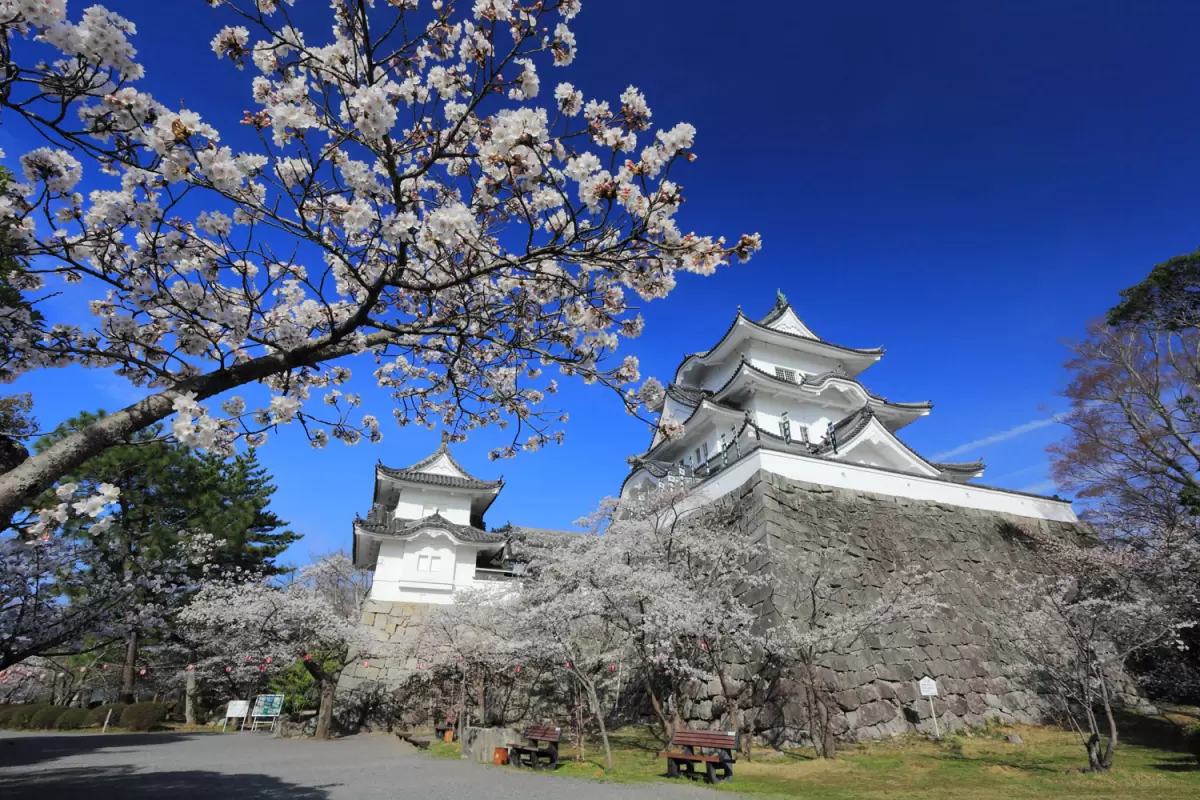
Introduction: The Heart of the Kii Peninsula
Strategically nestled between the major economic and cultural hubs of Nagoya, Osaka, and Kyoto, Mie Prefecture stands as one of Japan’s most underrated treasures. While international travelers often flock to the "Golden Route," those who venture into Mie are rewarded with a profound blend of spiritual heritage, untamed natural beauty, and a culinary landscape that defines the very essence of Japanese gastronomy. From the sacred forests of Ise to the soaring peaks of the Suzuka Mountains, Mie offers a quintessential Japanese experience that remains accessible for both seasoned travelers and first-time visitors.
Main Facts: Why Mie Matters
Mie Prefecture is far more than a transit corridor. It serves as a historical and cultural bridge between Eastern and Western Japan.
- Geographic Significance: Located on the eastern coast of the Kii Peninsula, Mie boasts a diverse topography ranging from the rugged mountainous borders of Nara to the indented coastline of the Pacific Ocean.
- Cultural Significance: It is home to Ise Jingu, the most sacred Shinto shrine in the nation, which anchors the spiritual identity of the Japanese people.
- Culinary Prestige: The region is synonymous with high-end Japanese cuisine. Matsusaka beef, renowned for its intense marbling and "melt-in-your-mouth" texture, is arguably the finest wagyu in the country. Complementing this is the Ise spiny lobster, a prized delicacy reflecting the bounty of the Ise-Shima waters.
- Accessibility: Despite its feeling of remoteness, Mie is remarkably well-connected. The Kintetsu Railway network serves as the primary artery, allowing for easy day trips or extended excursions from Nagoya (the gateway to the north) or Osaka and Kyoto (to the west).
Chronology of Cultural Development
To understand Mie is to understand its timeline of development, which spans from ancient spiritual foundations to modern leisure infrastructure.
The Era of Pilgrimage (Pre-19th Century)
For centuries, the Ise Shrine and the Kumano Kodo pilgrimage routes served as the spiritual center of Japan. During the Edo period, the "Okage-mairi" (a pilgrimage to Ise) became a mass phenomenon, with commoners traveling hundreds of miles on foot to pay respects. This historical movement gave birth to the bustling townscapes of Okage Yokocho, which catered to the needs of weary pilgrims.

The Modernization of Tourism (1930s–1980s)
The 20th century saw the transformation of Mie into a hub for recreation. The construction of the Iga Ueno Castle tower in 1935 marked a movement toward historical preservation. By the latter half of the century, the development of the Gozaisho Ropeway and the Toba Aquarium established Mie as a premier family-friendly destination, leveraging its unique natural assets—the Suzuka mountains and the Ise Bay.
The Contemporary Era (2000s–Present)
Today, Mie focuses on sustainable tourism and global outreach. Infrastructure improvements, such as high-speed Kintetsu Limited Express services, have turned the prefecture into a "commuter-accessible" destination for residents of the Kansai and Chubu regions, effectively revitalizing local economies.
Supporting Data: Top Sightseeing Destinations
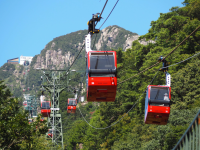
1. Gozaisho Ropeway: A High-Altitude Retreat
Located in Komono Town, the Gozaisho Ropeway serves as a gateway to the Suzuka Mountains.
- The Experience: Spanning 2 kilometers, the 15-minute ascent offers a panoramic view of the changing seasons—vibrant greenery in summer, brilliant crimson maples in autumn, and frost-covered trees (the "snow flowers") in winter.
- Unique Features: Visitors often spot the Japanese serow, a protected species. At the summit, the observation deck provides a bird’s-eye view of Ise Bay.
- Culinary Highlight: The mountain restaurant is famous for its "Gozaisho Curry Udon," a hearty dish essential for warming up after a brisk mountain hike.
2. Ise Jingu: The Spiritual Core
Consisting of 125 distinct shrines, Ise Jingu is the pinnacle of Shinto architecture.

- Inner and Outer Shrines: The Kotai Jingu (Inner Shrine) and Toyouke Daijingu (Outer Shrine) are the most significant. The Inner Shrine, dedicated to the sun goddess Amaterasu Omikami, is hidden within a dense, ancient forest.
- Visitor Impact: The serene, gravel-lined paths and massive cedar trees create an atmosphere of profound tranquility, acting as a "power spot" that attracts millions annually.
3. Okage Yokocho: A Walk Through History
Situated just outside the gates of Ise Jingu, this reconstructed district brings the Edo period to life.
- Atmosphere: Traditional wooden architecture and cobblestone streets house over 50 shops.
- Street Food: It is the ideal place to sample local delicacies like Akafuku (rice cakes topped with smooth bean paste) or fresh seafood skewers, providing a sensory contrast to the solemnity of the nearby shrine.
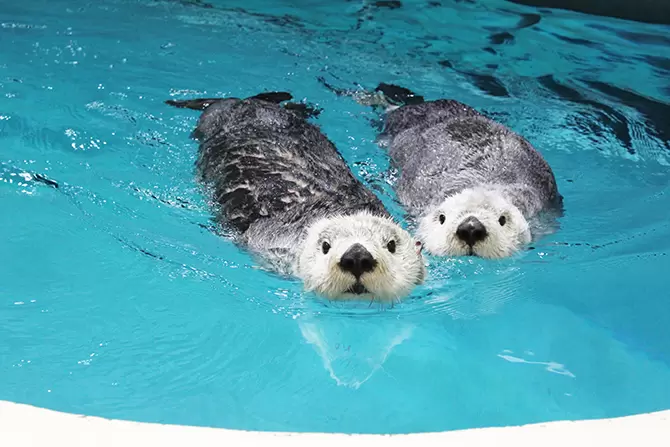
4. Toba Aquarium: A Window into the Sea
As one of Japan’s most comprehensive marine facilities, the Toba Aquarium houses 1,200 species.

- Conservation: It is the only institution in Japan where visitors can observe sea otters in such close proximity.
- Design: With 12 themed zones and a free-flowing, non-linear corridor system, the aquarium emphasizes exploration over rigid exhibit schedules.
5. Nagashima Spa Land & Jazz Dream
For those seeking high-octane entertainment, Nagashima offers the largest density of roller coasters in Japan.
- Combined Attraction: Adjacent to the thrill rides is Mitsui Outlet Park Jazz Dream Nagashima, one of the largest outlet malls in the country, creating a perfect balance between adrenaline-pumping activity and high-end retail therapy.
6. Iga Ueno Castle: The Ninja Heartland
Known for its formidable stone walls, which reach heights of 30 meters, this site is a testament to the tactical genius of Todo Takatora.

- Cultural Display: The interior serves as a museum, showcasing the weaponry and armor of the Todo family, alongside a unique ceiling art installation featuring works by modern masters like Yokoyama Taikan.
Official Responses and Strategic Implications
Local government and tourism boards in Mie have recently shifted their strategy toward "dispersed tourism." By promoting the Kintetsu rail network as a seamless travel solution, they aim to prevent the overcrowding seen in Kyoto while highlighting the diverse offerings of Mie.
"Mie Prefecture offers a holistic experience," says a representative from the local tourism authority. "We are not just a one-day stopover. We are a destination where you can experience the spiritual history of the Edo period in the morning, the marine biodiversity of the Pacific in the afternoon, and the height of culinary excellence in the evening."

The Economic and Social Impact
The ease of access via the Kintetsu Limited Express from Nagoya (1 hour to Komono, 1.5 hours to Ise, and 1.4 hours to Toba) has significantly boosted the prefecture’s economy. Small towns like Komono and Iga have seen increased investment in boutique hospitality, catering to a growing demographic of international travelers looking for an authentic, "off-the-beaten-path" experience.
Conclusion: Why You Should Visit
Mie Prefecture is a microcosm of Japan. It possesses the gravity of ancient religious tradition, the ingenuity of modern marine biology, and the sheer joy of leisure and sport. Whether you are looking to find spiritual clarity in the forests of Ise, seek the thrill of a roller coaster, or simply savor the world’s finest beef, Mie is a destination that rewards the curious. As you plan your next journey through Central Japan, ensure that this multifaceted prefecture is at the top of your itinerary. It is not merely a place to visit—it is a place to experience the soul of Japan.


 Neng Nana
 Asro
Asro