Nana
Nana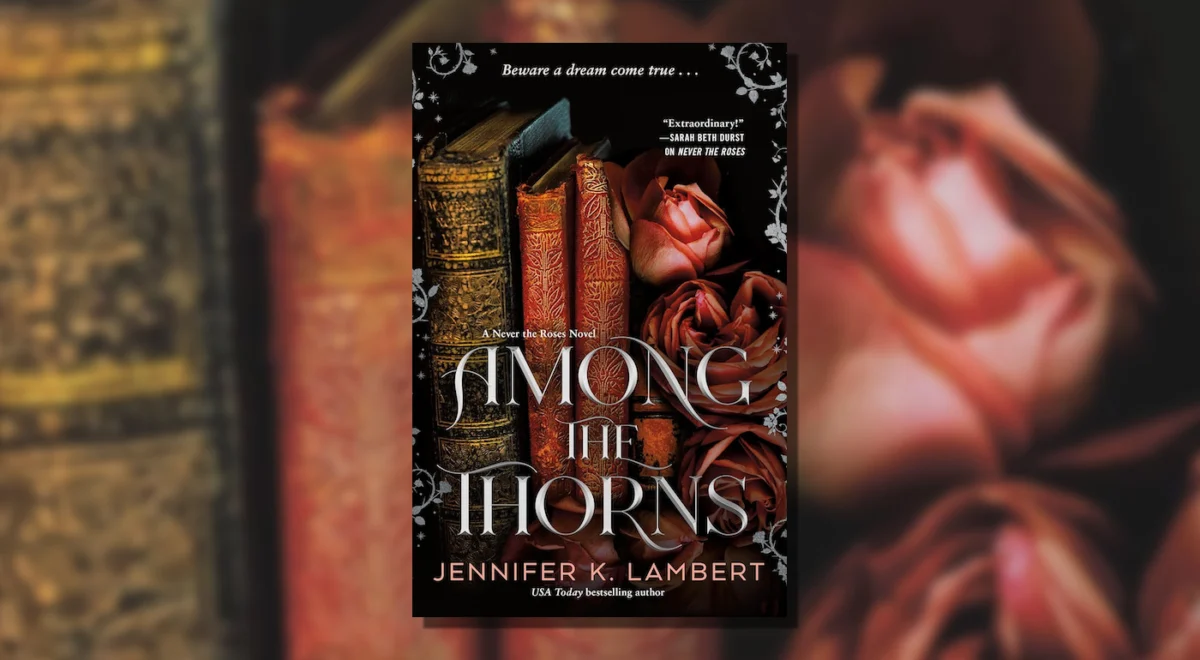
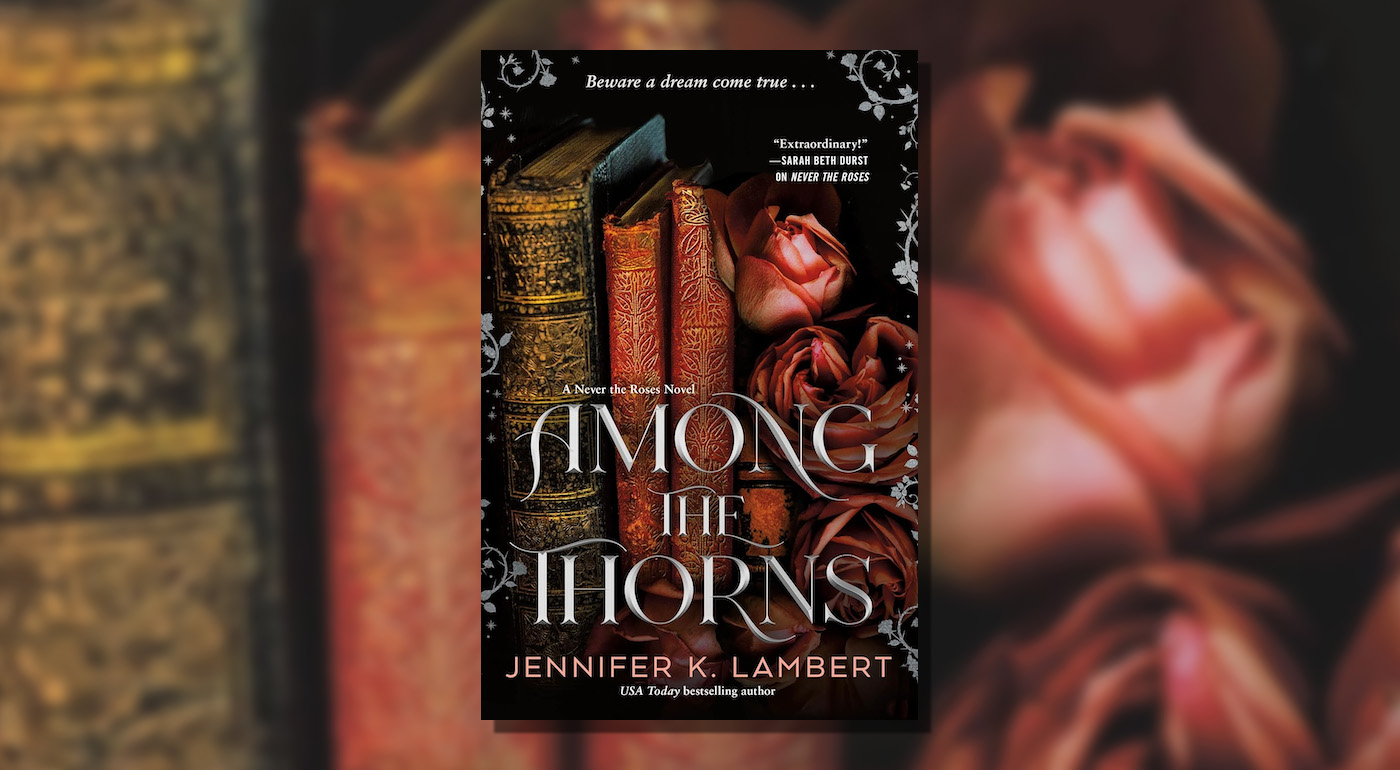
The landscape of modern romantic fantasy is set for a seismic shift this July 14th with the release of Among the Thorns, the highly anticipated new novel by Jennifer K. Lambert. Published by Bramble, the novel serves as a spiritual successor to Lambert’s previous hit, Never the Roses, expanding upon the intricate world-building and high-stakes magic systems that defined her earlier work. As the industry turns its gaze toward this upcoming launch, early excerpts have revealed a gripping tale of identity, political machination, and the dangerous price of living a dream.
The Premise: A Tale of Two Sorceresses
At the heart of Among the Thorns lies a compelling narrative dichotomy. On one side, we are introduced to Rose of Northbrooke, a celebrated dream sorcerer on the cusp of graduation. Rose is everything a young noble in this realm aspires to be: formidably powerful, undeniably beautiful, and pursued by the realm’s most eligible prince. She is the golden child of her generation, destined for a life of prestige and public adoration.
However, the narrative quickly pivots to the story’s namesake: Thorn. Living in complete isolation within a cottage surrounded by a barrier of sentient, blade-like rose thorns, Thorn has spent her life hidden from the world. Her only connection to reality is her unique gift of psychometry—the ability to touch objects and perceive the history, emotions, and memories etched into them. Through her work cataloging these "treasures" for her guardian, Jada, Thorn has built a mental library of the world she is forbidden to enter. The tension reaches a breaking point when Thorn realizes that the "prince" she glimpses in her visions is not a myth, but a reality—and that her own existence is being systematically suppressed by those who wish to keep the world’s power concentrated in the hands of one chosen individual.
A Chronology of Deception
To understand the stakes of Among the Thorns, one must look at the timeline of Thorn’s awakening, which serves as the inciting incident of the novel.
- Early Childhood: Thorn is sequestered by her guardian, Jada, within an enchanted, bramble-guarded perimeter. Her education is strictly limited to the cataloging of artifacts.
- The Discovery: During a routine assessment of a royal belt buckle, Thorn identifies the owner as a young prince—a discovery that triggers a profound sense of longing and a realization of her own forced obscurity.
- The Rebellion: Thorn begins to question the "simple truths" fed to her by Jada. She initiates a secret course of study into forbidden subjects, specifically ward-breaking and rune-theory, despite the constant threat of supernatural punishment.
- The First Breach: In a climactic scene, Thorn successfully manipulates the wards surrounding her home, creating a small aperture to the outside world. This act of defiance sets her on a collision course with Jada, whose return to the cottage signals the beginning of a brutal confrontation.
The Magic System: Psychometry and Ward-Breaking
Lambert’s world-building in Among the Thorns relies on a nuanced understanding of magical theory. The magic is not merely a tool for combat; it is an economic and political currency. Thorn’s psychometry is treated with the precision of a historical science, where she acts as a bridge between the physical object and the emotional resonance of its past owners.
The author also introduces a fascinating, low-fantasy approach to warding. As Thorn discovers through the text of Stearanos Stormbreaker, the magical barriers that keep her isolated are not impenetrable monoliths but complex systems that can be "thinned" or "frayed" by a skilled practitioner. This technical detail adds a layer of intellectual rigor to the story, transforming Thorn from a passive victim of her circumstances into an active agent of her own liberation.
The Political Implications
While the story is framed as a personal journey, the implications within the narrative are overtly political. The existence of two "dream sorcerers" in a world that believes there is only one creates a vacuum of power. The text suggests that the fates of Rose and Thorn were not organic, but were carefully orchestrated by "political schemers."
This introduces the central conflict: the requirement for an "either/or" existence. The narrative suggests that for the status quo to survive, one sorceress must be elevated while the other is condemned to "perpetual non-existence." This thematic choice positions the novel within the tradition of dark, political fantasy where the cost of a "happily ever after" is often the destruction of an inconvenient truth.
Official Commentary and Industry Reception
The buzz surrounding Among the Thorns has been palpable since the announcement of its publication date. Industry analysts suggest that Lambert is successfully tapping into the "romantasy" trend while providing a sharper, more analytical edge than many of her contemporaries.
In a recent statement, representatives for Bramble highlighted the novel’s exploration of "the duality of the self." The publisher noted, "Jennifer K. Lambert has managed to weave a tale that is as much about the discovery of personal agency as it is about the thrill of the hunt. Readers will find themselves caught between the glamour of the court and the gritty, desperate struggle of the girl behind the fence."
The juxtaposition of the two protagonists—Rose, who has everything, and Thorn, who has nothing but her potential—is expected to resonate with readers who appreciate character-driven narratives that don’t shy away from the darker side of destiny.
Thematic Depth: Loneliness vs. Isolation
Beyond the magic and the mystery, the novel delves into the psychological toll of isolation. Thorn’s experience is not just physical; it is an existential crisis. By "living a thousand lives" through the objects she touches, she develops a profound empathy for a world that has systematically erased her.
Her internal monologue—often characterized by a mix of childlike wonder and growing, dangerous cynicism—provides the reader with a window into the cost of systemic control. When she asks, "Doesn’t what I want matter at all?", she articulates the central grievance of the novel. Her desire for the prince is not just a romantic impulse; it is a symbol of her desire to be a participant in her own history rather than a ghost in the library of someone else’s success.
Conclusion: Why Among the Thorns Matters
As we approach the July 14th release, Among the Thorns is positioning itself as a must-read for the summer season. It succeeds because it manages to blend the high-stakes drama of royal courts with the claustrophobic, intimate tension of a prison break.
The story of Rose and Thorn is a reminder that in worlds of magic and hierarchy, the most dangerous thing a person can do is discover their own worth. Whether Thorn will successfully escape the shadow of her "non-existence" or be crushed by the machinery of the state remains to be seen, but one thing is certain: the journey toward the truth will be as sharp and as beautiful as the thorns themselves. Fans of Never the Roses will find much to love here, while new readers will be introduced to a world that is as meticulously crafted as it is hauntingly unfair.

 Layla Zulfa
 Ali Ikhwan