Muslim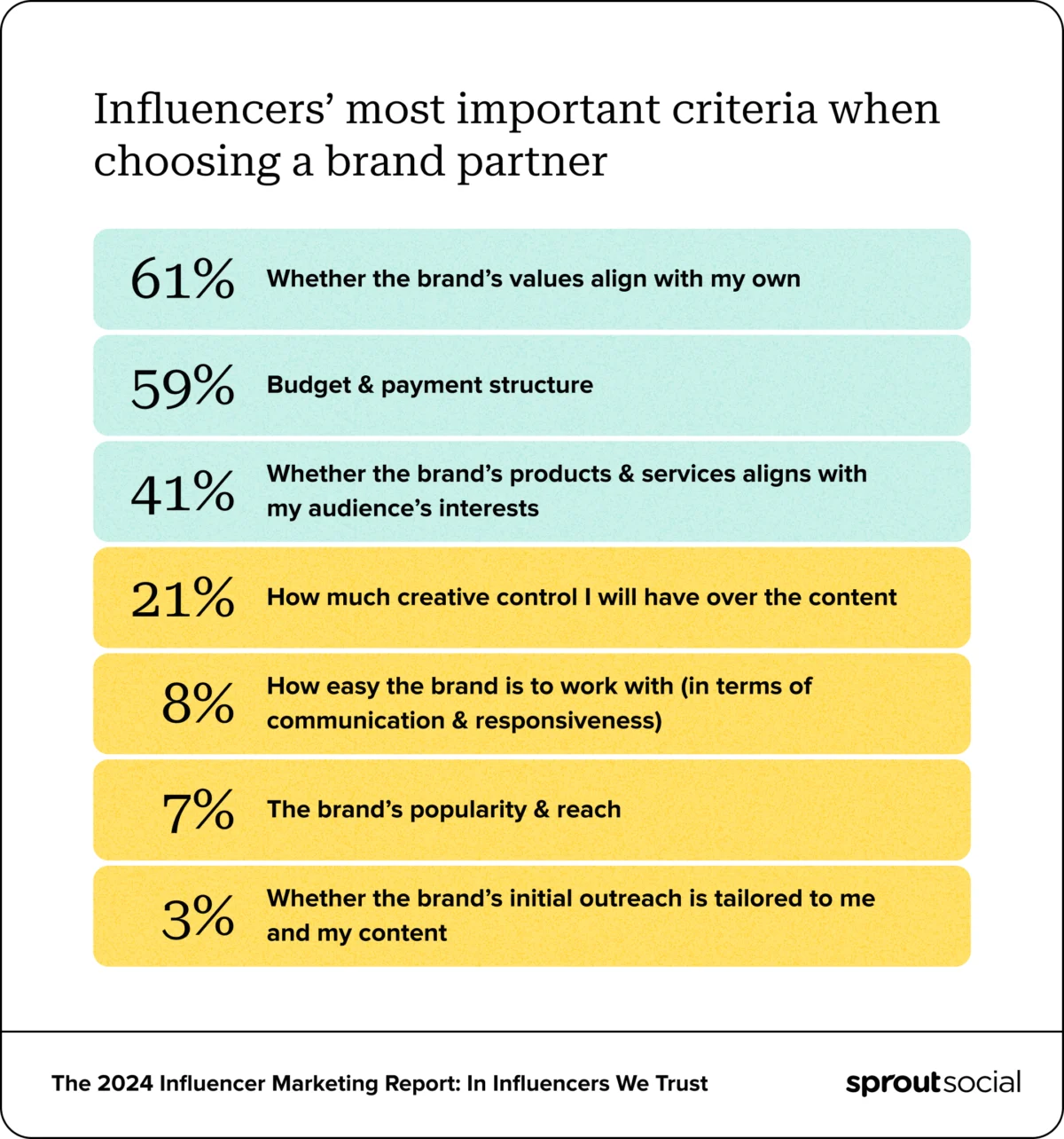
In the rapidly evolving landscape of digital marketing, the "revolving door" approach to influencer campaigns is becoming a relic of the past. For years, brands have treated influencers as temporary amplifiers—hiring them for a single product launch, tracking a fleeting spike in engagement, and then moving on. However, as audiences grow increasingly skeptical of one-off, "canned" sponsored posts, forward-thinking teams are pivoting toward Influencer Relationship Management (IRM).
IRM represents a strategic shift from transactional interactions to long-term, symbiotic partnerships. By moving away from the chaotic spreadsheets and fragmented communication that plague many marketing departments, brands are discovering that the true value of influencer marketing lies not in the first post, but in the fiftieth.
Main Facts: Defining the IRM Paradigm
Influencer Relationship Management is the comprehensive, ongoing process of nurturing, maintaining, and scaling deep-rooted partnerships with content creators. Unlike traditional campaign management, which focuses on the "what" (the post, the reach, the conversion), IRM focuses on the "who" and the "how."

At its core, IRM integrates several critical functions into a singular workflow:
- Strategic Discovery: Finding creators based on value alignment rather than vanity metrics like follower counts.
- Relational Maintenance: Engaging in consistent, value-driven communication that extends far beyond the duration of a specific contract.
- Infrastructure Optimization: Utilizing centralized platforms to handle complex logistics—including contracts, creative feedback loops, and automated payment systems—to ensure that the "business" side of the partnership never interferes with the "creative" side.
The primary objective of IRM is to transform influencers into brand advocates. When a creator features a product repeatedly over a sustained period, the content shifts from a paid advertisement to a genuine, trusted recommendation.
A Chronology of Strategy: From "One-Offs" to Long-Term Value
To understand the necessity of IRM, one must look at the historical trajectory of social media marketing.
Phase 1: The Wild West (2010–2015)
Early influencer marketing was defined by high-volume, low-intent outreach. Brands would blast thousands of emails to creators, hoping for a shoutout. Relationships were non-existent, and the focus was entirely on immediate, short-term awareness.
Phase 2: The Data-Driven Era (2016–2020)
As platforms matured, brands began prioritizing data. Metrics like engagement rates and click-through rates became the gold standard. However, the process remained transactional; influencers were treated like "ad units" rather than partners.
Phase 3: The IRM Era (2021–Present)
Today, the market is saturated. Audiences are hyper-aware of "influencer fatigue." Data from the 2025 Influencer Marketing Report indicates that consumers are increasingly prioritizing authenticity. Consequently, brands are realizing that trust is a finite resource. IRM has emerged as the essential framework for sustaining that trust, treating the creator as an extension of the marketing team rather than a vendor.
Supporting Data: Why Trust Drives Revenue
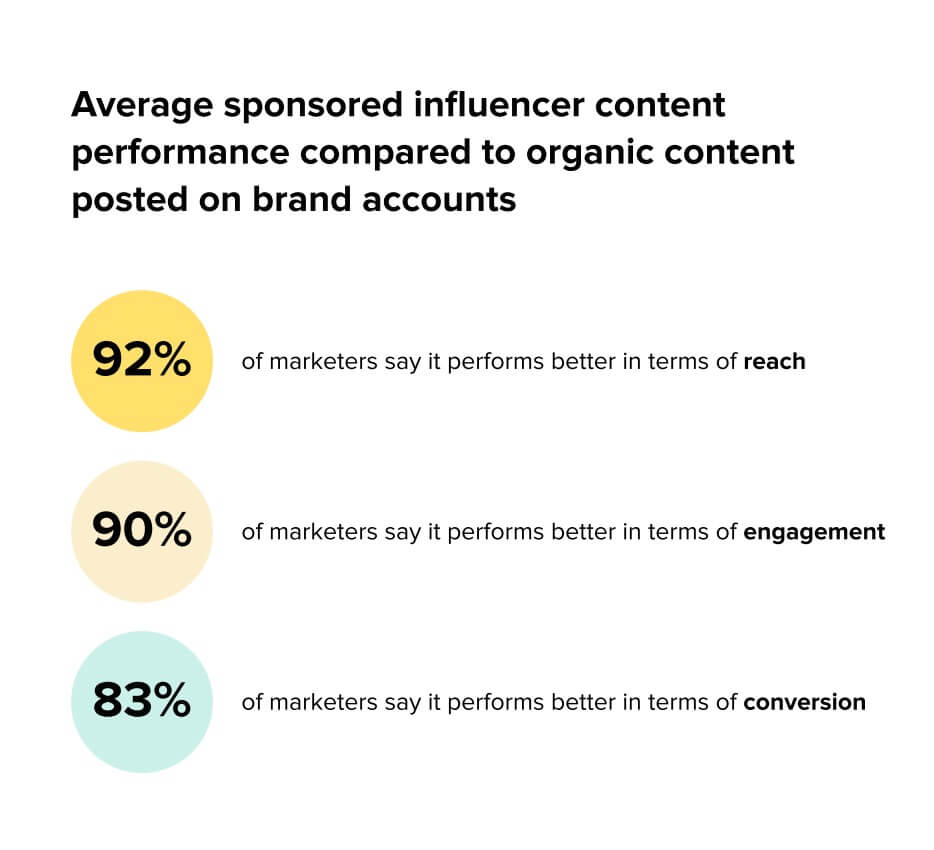
The move toward IRM is not merely a creative preference; it is a response to hard data. The current marketing climate favors brands that can prove their ROI while maintaining an authentic voice.
- The Power of Trust: According to the 2025 Influencer Marketing Report, 47% of consumers now expect influencer content to feel genuine, even when marked as sponsored. One-off campaigns often fail to meet this threshold because the creator lacks the time to demonstrate real-world product integration.
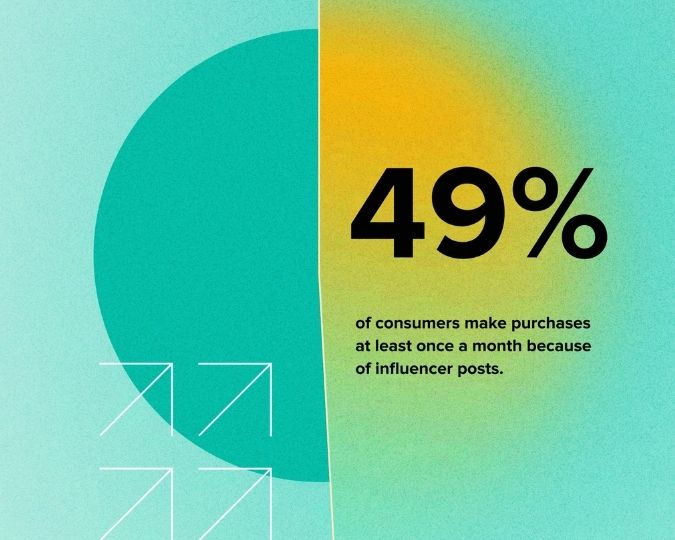
- Conversion Momentum: Half of all consumers report making at least one purchase per month based on an influencer’s recommendation. IRM capitalizes on this by using repeated, organic-feeling exposures to keep a brand on the consumer’s "shortlist."
- The Scalability Factor: Research highlights that 71% of influencers are willing to offer lower rates for long-term partnerships. This creates a financial incentive for IRM: brands save money on acquisition costs while simultaneously improving the quality of the content.
Official Perspectives: The Creator Economy’s Demands
The transition to IRM is heavily influenced by the demands of the creators themselves. In recent years, the creator economy has become more professionalized, and high-quality creators are no longer willing to settle for disorganized brand relationships.
"The number one frustration for creators today is administrative friction," says a leading industry analyst. "When a brand forces a creator to chase down payments or work through disjointed, non-centralized communication channels, that creator is significantly less likely to engage in a second campaign."
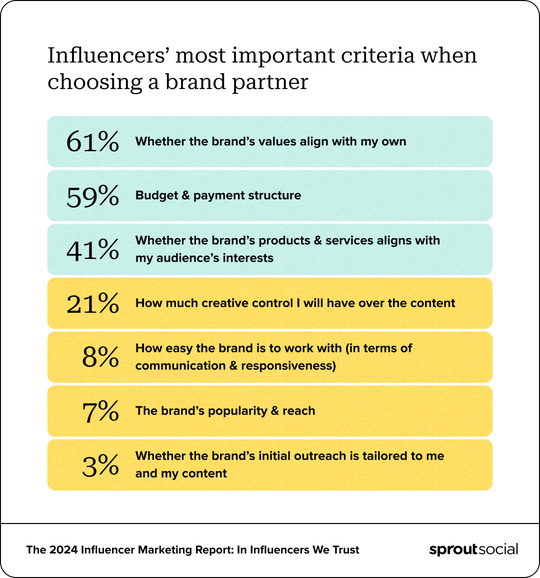
Furthermore, creators are increasingly asking for a seat at the table. Approximately 35% of surveyed influencers express a desire to be involved in creative brainstorming sessions earlier in the process, while 30% believe their input on product development could lead to better outcomes for both parties. IRM platforms, such as the one offered by Sprout Social, are specifically designed to bridge this gap by centralizing feedback, asset sharing, and communication, effectively "professionalizing" the brand-creator dynamic.
Implications: Building a Scalable Infrastructure
The implications of adopting an IRM framework are profound, particularly for brands looking to scale. Without a dedicated system, as a team’s roster of influencers grows from five to fifty, the administrative burden becomes unsustainable.
Streamlining the Workflow
A robust IRM strategy requires a centralized digital home. This includes:
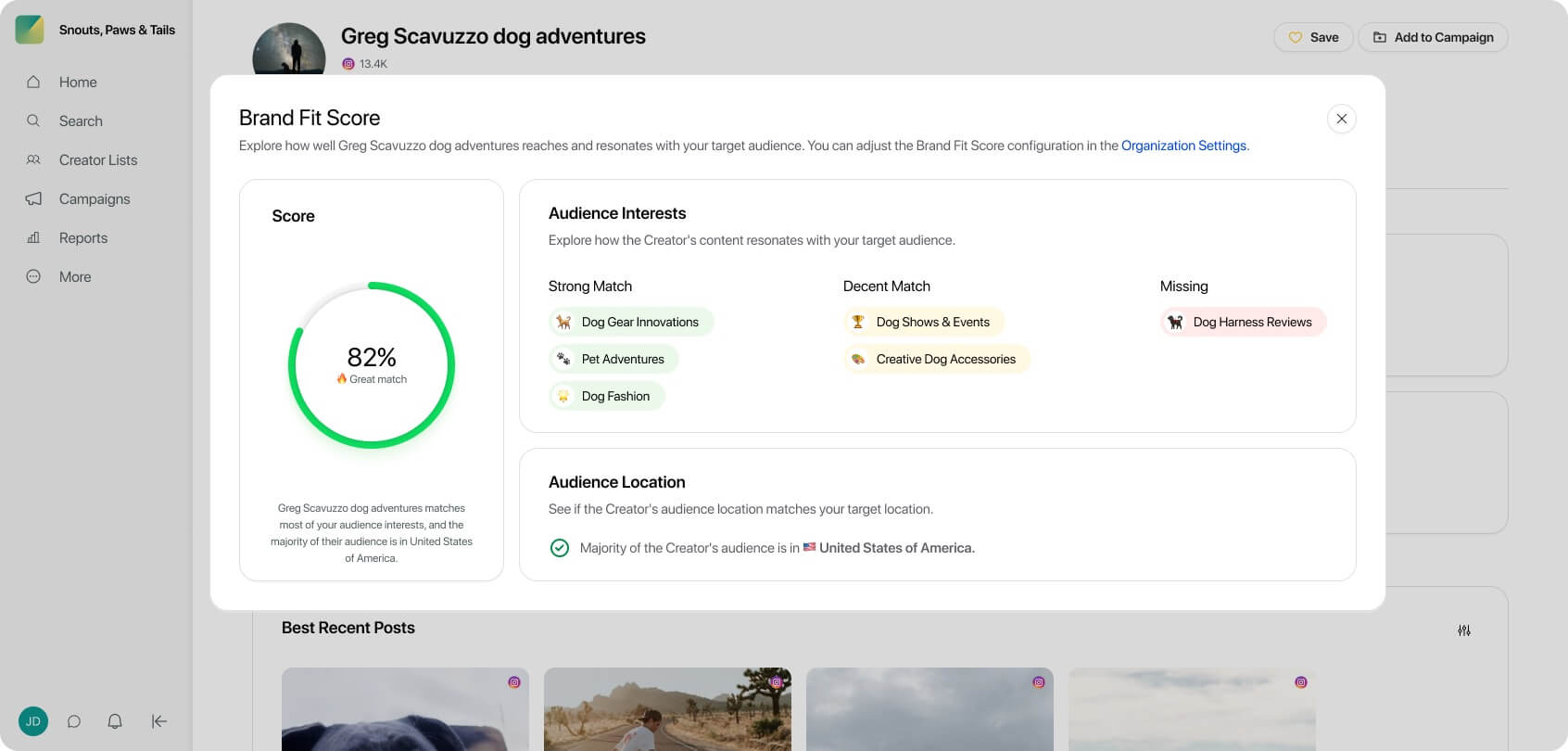
- Objective Alignment: Defining clear KPIs—whether the goal is user-generated content (UGC), brand awareness, or direct conversions—before the first outreach is sent.
- Shared Values: Using advanced filtering to identify creators whose personal brand and audience demographics mirror your own.
- The "No-Friction" Payment Policy: As 41% of creators cite payment delays as their primary grievance, the implementation of automated, transparent payment systems is no longer a luxury—it is a competitive necessity for retaining top-tier talent.
Measuring the Right Metrics
Under an IRM model, success is measured by more than just "likes." Marketers must look at:
- Relationship Health: Monitoring response times, the frequency of re-bookings, and the willingness of the creator to suggest new creative directions.
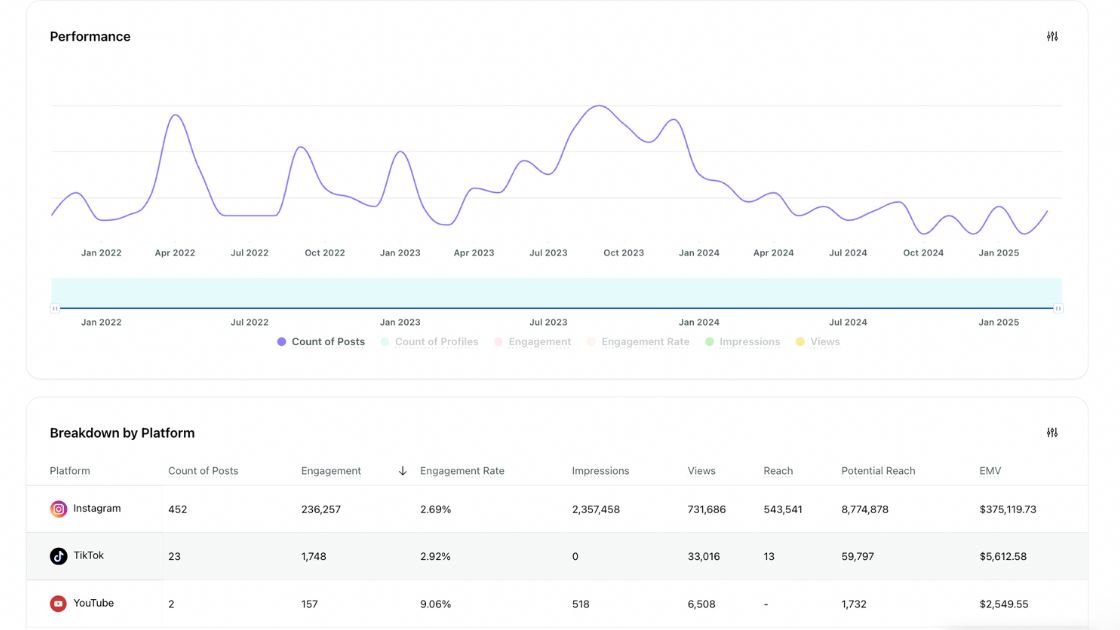
- Engagement Quality: Tracking metrics like video completion rates, saves, and shares, which indicate that the audience is actually absorbing the content rather than mindlessly scrolling past it.
- Long-Term ROI: Calculating the lifetime value (LTV) of a creator partnership, comparing the costs of consistent, long-term collaboration against the high acquisition costs of finding new partners for every individual campaign.
Conclusion: The Future is Relational
Influencer marketing has graduated from a "side tactic" to a cornerstone of the modern digital marketing mix. However, the maturity of the space demands a maturity in management.
Brands that continue to treat influencers as temporary, replaceable assets will find themselves paying a premium for increasingly diminished returns. Conversely, those that invest in Influencer Relationship Management will benefit from a compounding effect: deeper trust, more authentic content, and a loyal base of creators who act as true extensions of the brand.
In a digital world where authenticity is the ultimate currency, the relationships you build with creators are your most valuable asset. By centralizing communication, respecting the creator’s creative autonomy, and ensuring a frictionless administrative experience, brands can move beyond the "revolving door" and into a future of sustainable, high-impact growth.
The strategy is clear: Stop chasing individual posts, and start building long-term partnerships.


 Laily UPN
 Ammar Sabilarrohman