

The concept of the parallel universe—a realm where the roads not taken manifest as physical realities—has long been the ultimate sandbox for science fiction writers. It all began in 1967 with a goatee-wearing Spock in the Star Trek episode "Mirror, Mirror." While that single episode didn’t just introduce parallel worlds to sci-fi television, it essentially invented the visual language of the "evil counterpart," a trope that has defined the genre for over half a century.
However, the Mirror Universe remained a recurring guest star rather than a lead character for decades. While shows like Doctor Who have treated parallel realities as vacation destinations, a new breed of storytelling has emerged. These are the series that didn’t just visit the multiverse; they made it their structural engine, their emotional core, and their ultimate philosophical challenge.
A Chronology of Infinite Possibilities
The evolution of the multiverse on television is a history of increasing complexity. From the scrappy, episodic adventures of the 1990s to the dense, interconnected narratives of the streaming era, the genre has matured significantly.
9. Sliders (1995–2000)
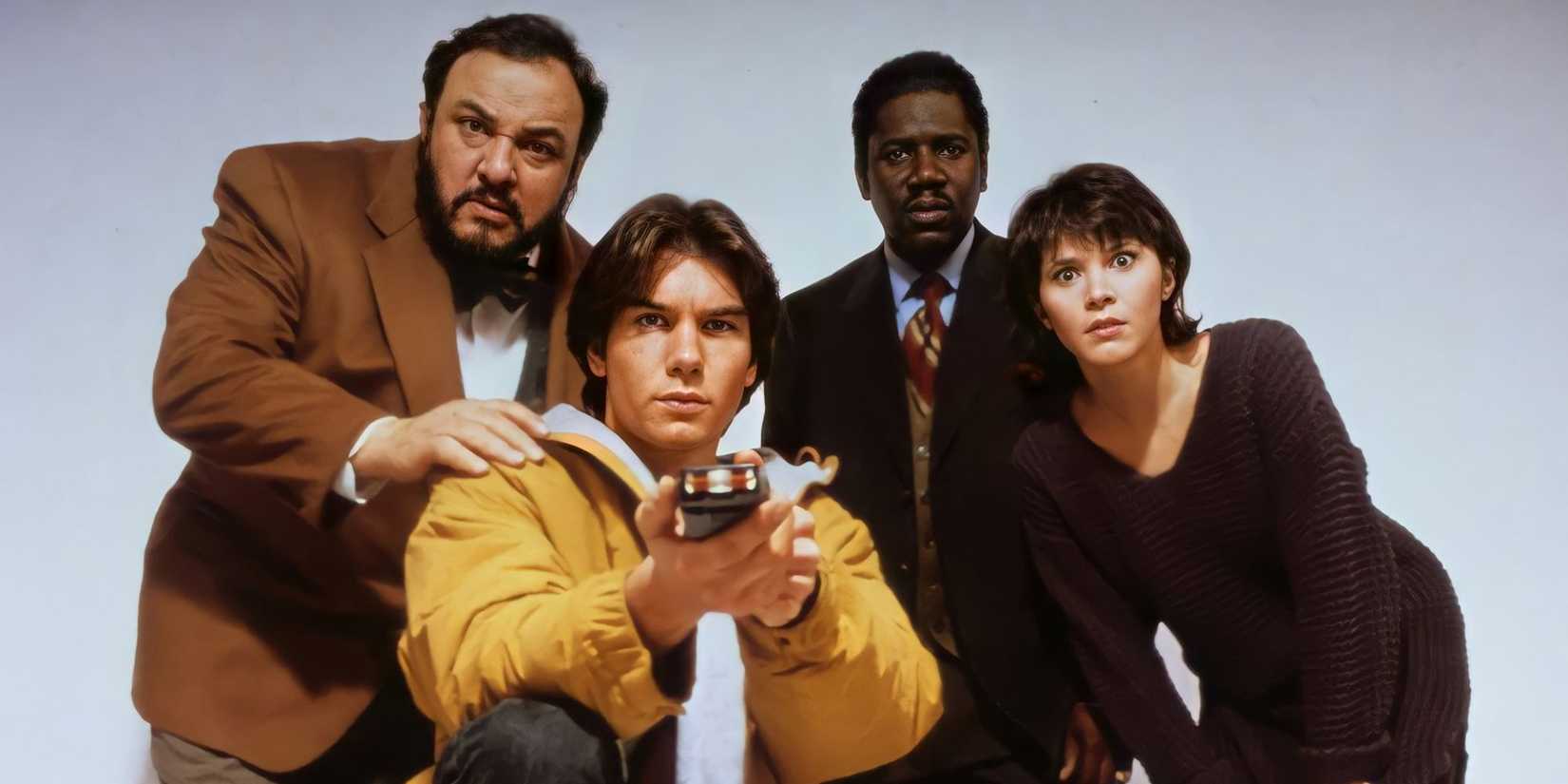
Sliders stands as the tenacious trailblazer of the genre. Following brilliant graduate student Quinn Mallory (Jerry O’Connell), the show focused on a group of travelers using a prototype device to hop between dimensions, hoping to find their way back to their home Earth. While later seasons struggled with campy scripts and cast turnover, Sliders laid the groundwork for the multiverse as a recurring storytelling device. Every episode offered a unique "what if"—from a world where the Soviet Union occupied the United States to prehistoric landscapes—transforming philosophical quandaries into Saturday afternoon adventure.
8. Dark Matter (2024–Present)
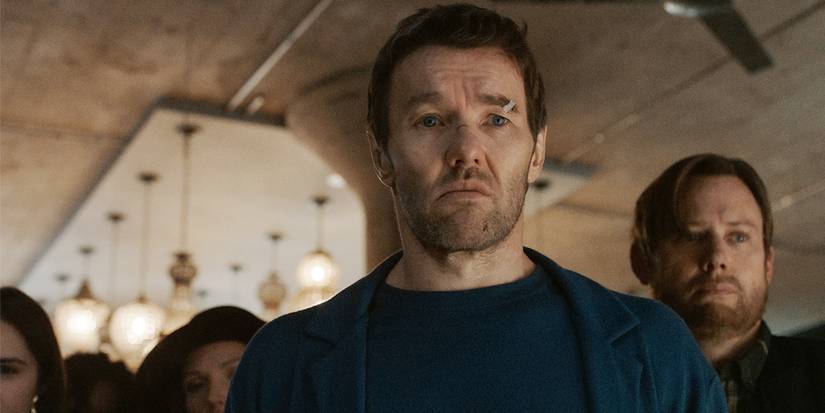
Based on Blake Crouch’s celebrated novel, Dark Matter moves away from the episodic "Earth of the week" format to explore the creeping terror of infinite potential. The series follows physics professor Jason Dessen (Joel Edgerton), who is abducted by an alternate version of himself. As he navigates a labyrinthine path through various realities to find his original home, the show evolves into a paranoid, high-stakes thriller that serves as a harrowing metaphor for the paralysis of regret.
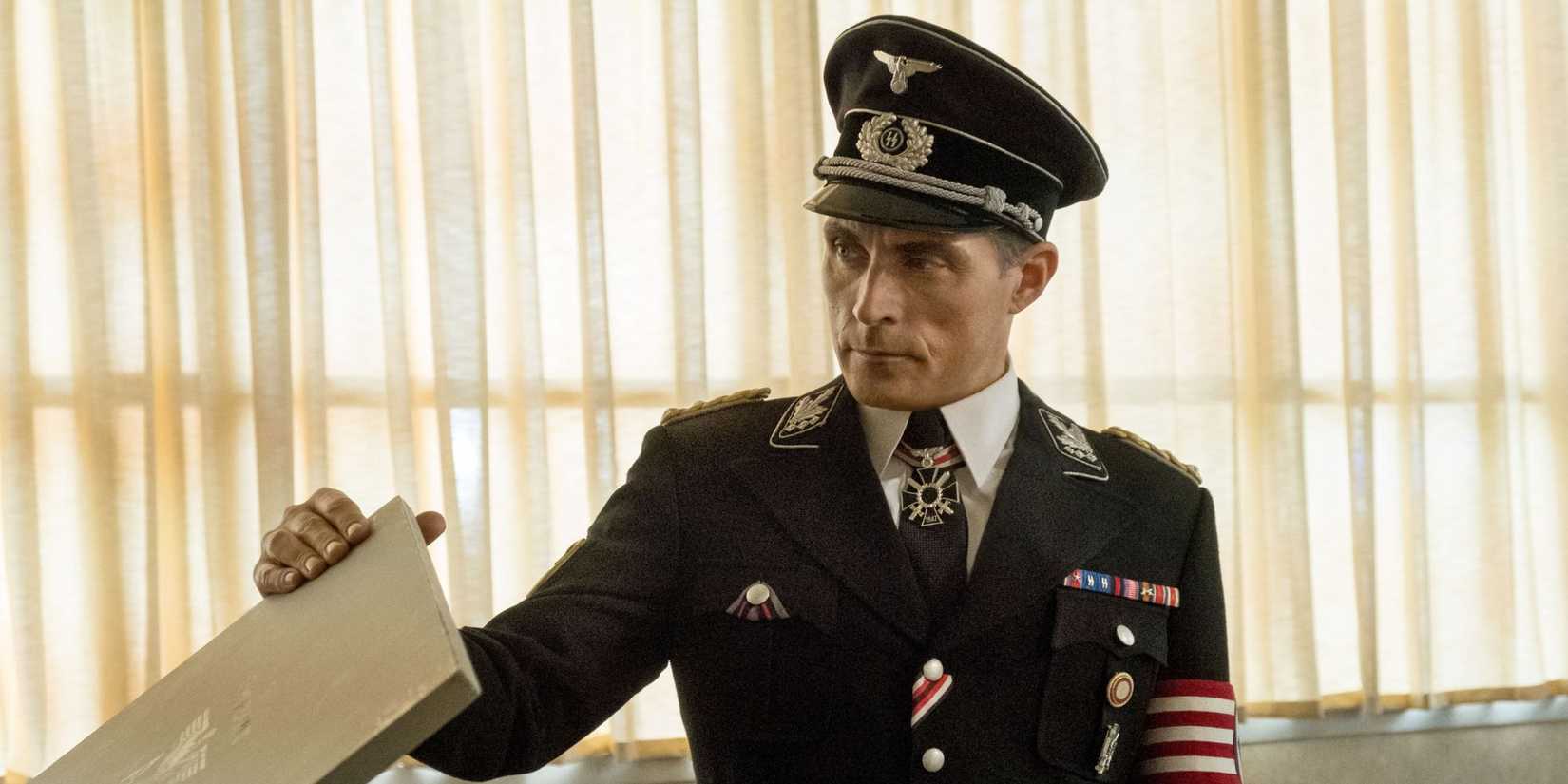
7. The Man in the High Castle (2015–2019)
Philip K. Dick’s dystopian masterpiece offers a chilling, slow-burn exploration of an America ruled by Axis powers. Here, the multiverse is not a scientific playground but a dangerous, contraband secret. Knowledge of a reality where the Allies won the war becomes the ultimate catalyst for resistance. The show is first and foremost a study in fascism, but the introduction of mysterious film reels showcasing alternate realities elevates it into a profound meditation on hope.
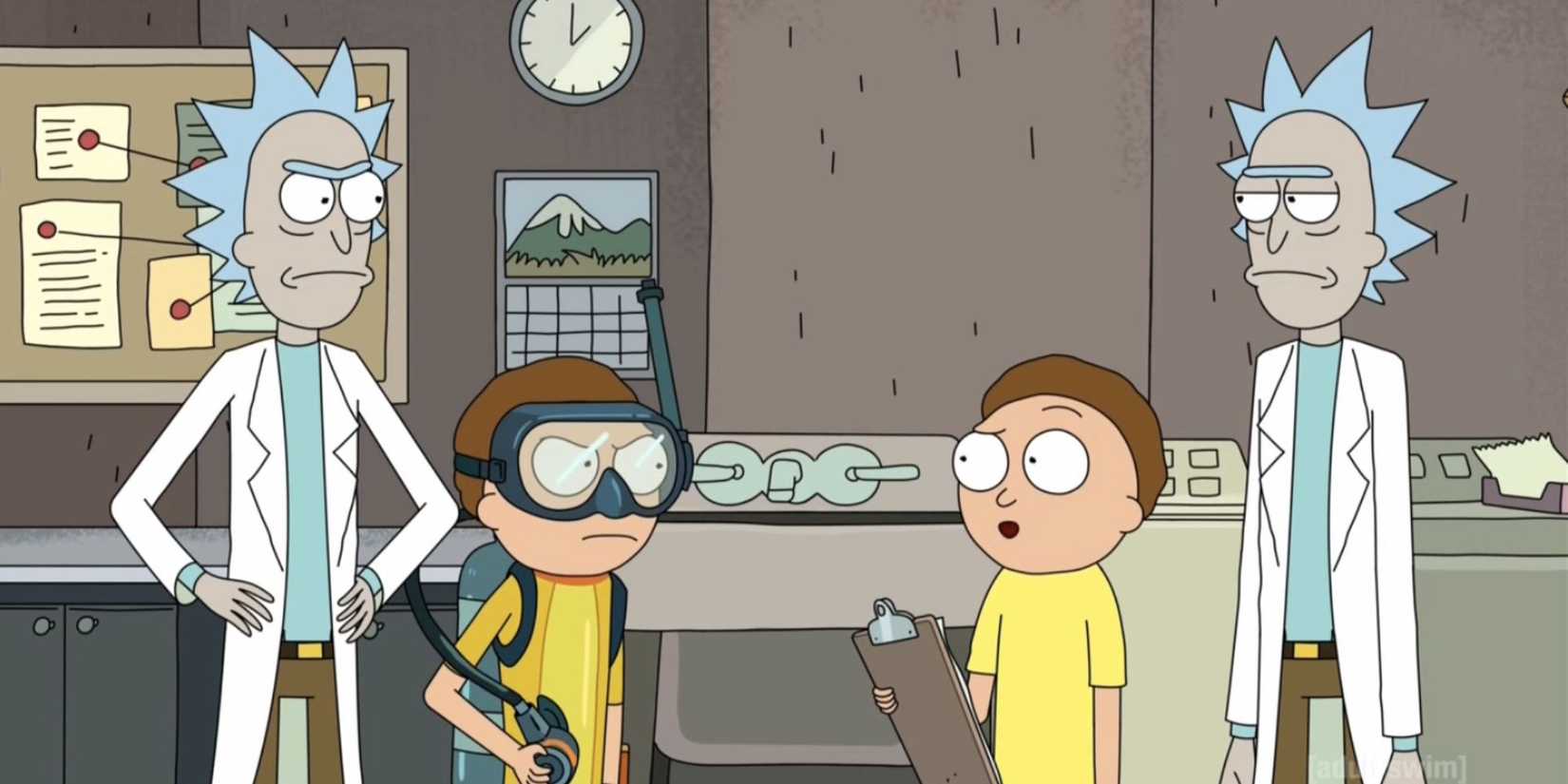
6. Rick and Morty (2013–Present)
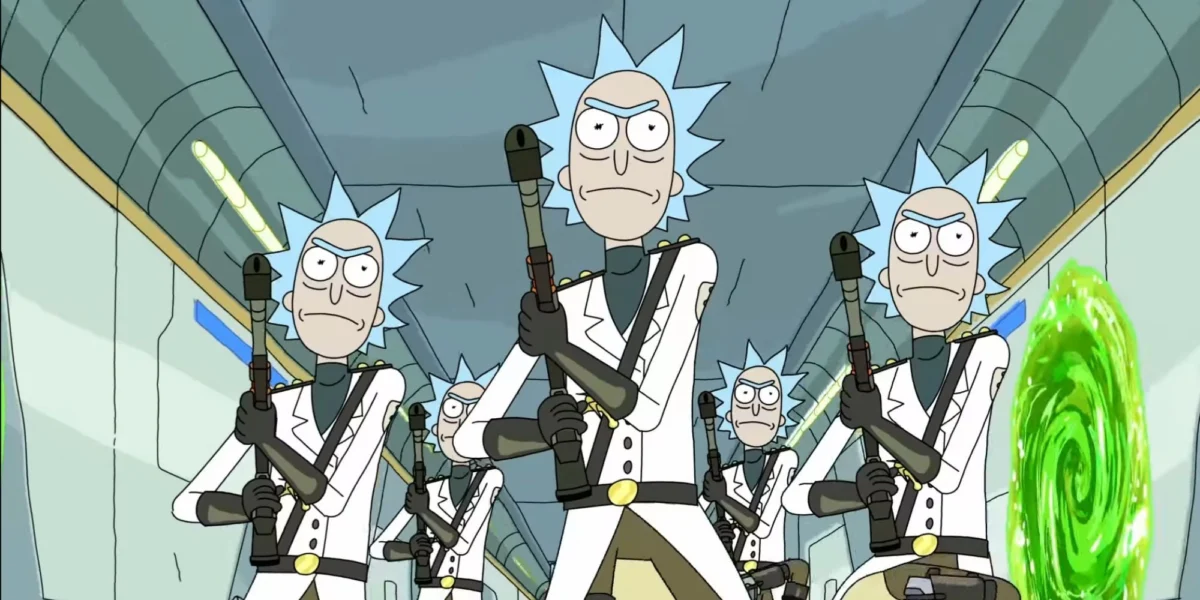
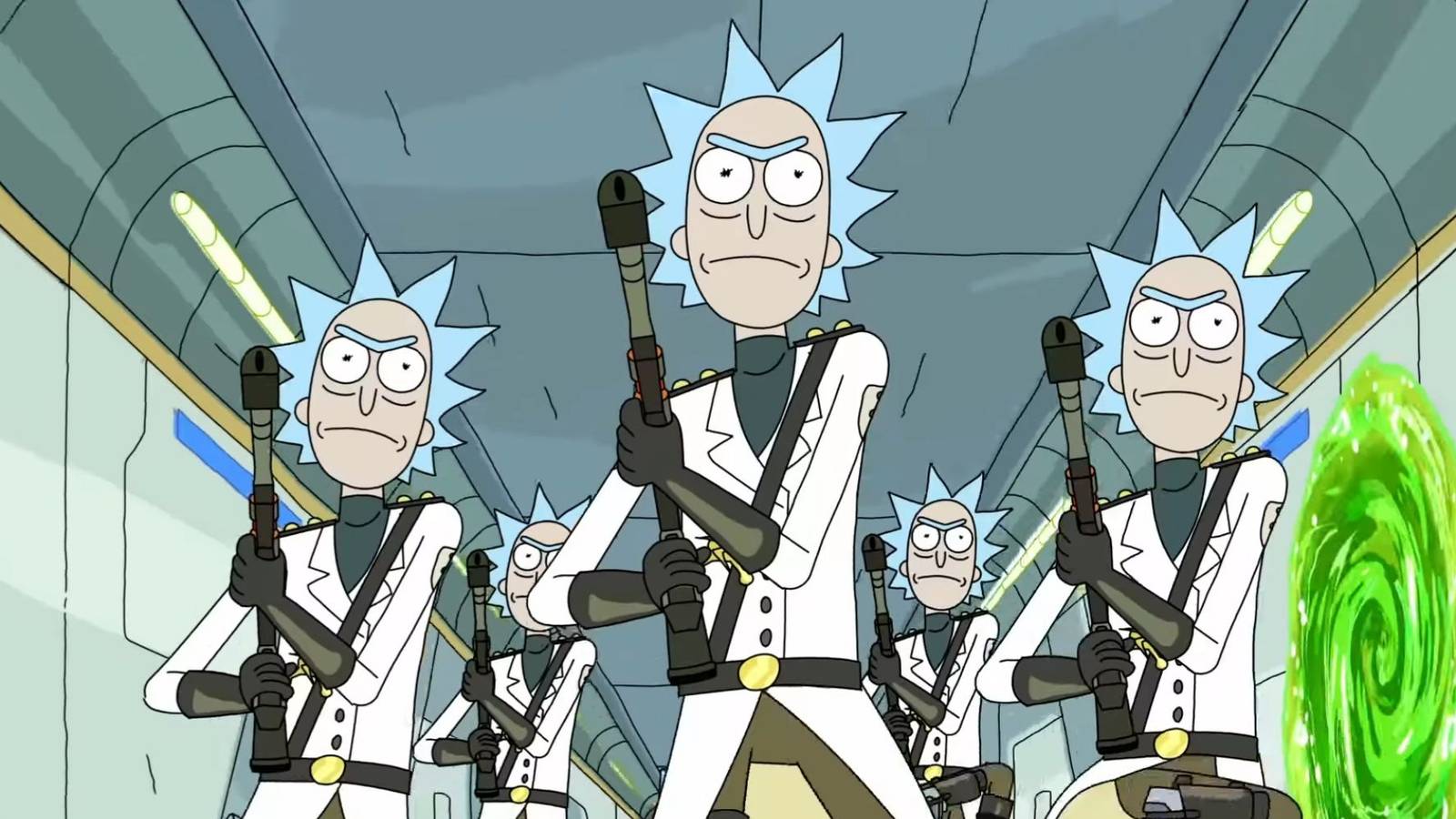
While frequently compared to Doctor Who, Rick and Morty uses the multiverse to lean into existential nihilism. Rick Sanchez, the most intelligent being in existence, treats reality as a disposable commodity. The series famously has its protagonists abandon their original, ruined dimension twice, forcing them to inhabit replacement lives. It is a show where the multiverse is simultaneously a playground for inventive sci-fi comedy and a crushing reminder that, on a cosmic scale, no single reality matters.
5. Loki (2021–2023)
Marvel’s Loki is a visual and narrative triumph that uses the multiverse to explore themes of determinism. When the God of Mischief is arrested by the Time Variance Authority, he is thrust into a bureaucratic nightmare tasked with "pruning" divergent timelines. The show’s brilliance lies in the character arc of its lead, transforming a narcissistic villain into an anti-hero who eventually accepts the burden of holding the fabric of reality together.
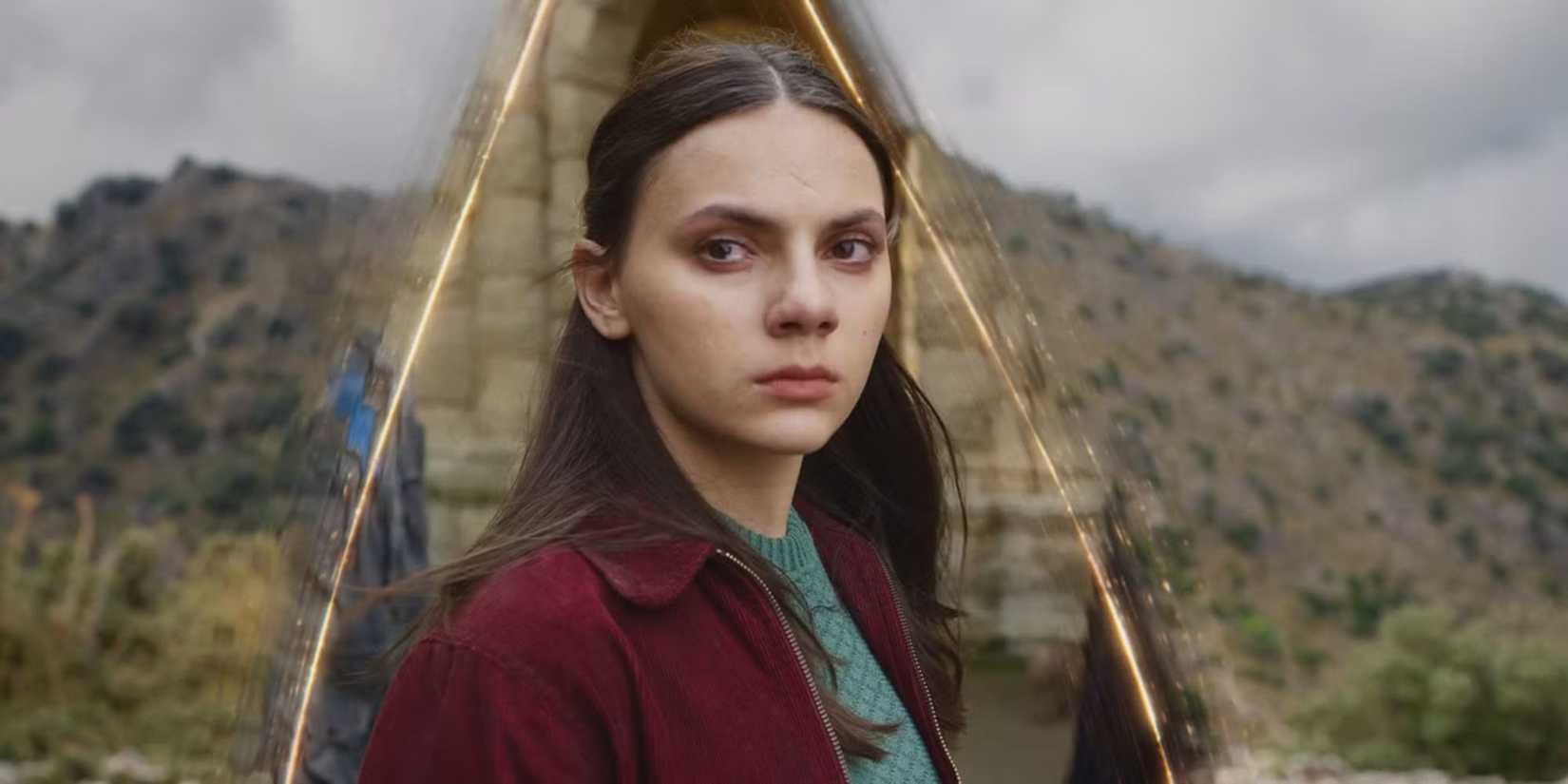
4. His Dark Materials (2019–2022)
Adapting Philip Pullman’s beloved trilogy, this series offers the most meticulous world-building in the genre. Whether exploring the soul-manifesting daemons of Lyra’s world or the haunting, specter-infested city of Cittàgazze, the show uses the multiverse to critique organized religion and authoritarian dogma. It is a high-fantasy achievement that treats the boundaries between worlds as a battleground for human consciousness.
3. Fringe (2008–2013)
Fringe is the definitive "collision" story. J.J. Abrams’ series began as a procedural but evolved into a heartbreaking saga of two universes slowly destroying one another. The emotional core of the show—centered on the relationship between Olivia Dunham and her alternate counterpart, "Fauxlivia"—remains one of the most sophisticated uses of duality in television history. By the third season, the show successfully asked viewers to care equally for both worlds, making the inevitable conflict an agonizing experience.
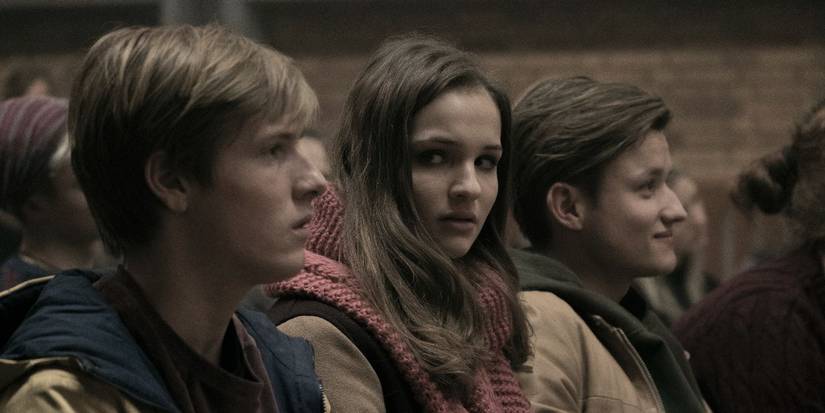
2. Dark (2017–2020)
This German Netflix masterpiece is arguably the most complex narrative ever put to television. Dark uses time travel and parallel realities to construct a three-season puzzle regarding fate and the cyclical nature of human pain. With its meticulous casting and airtight screenwriting, Dark is a rare example of a series that sticks the landing, providing a philosophically profound and cathartic conclusion.
1. Counterpart (2017–2019)
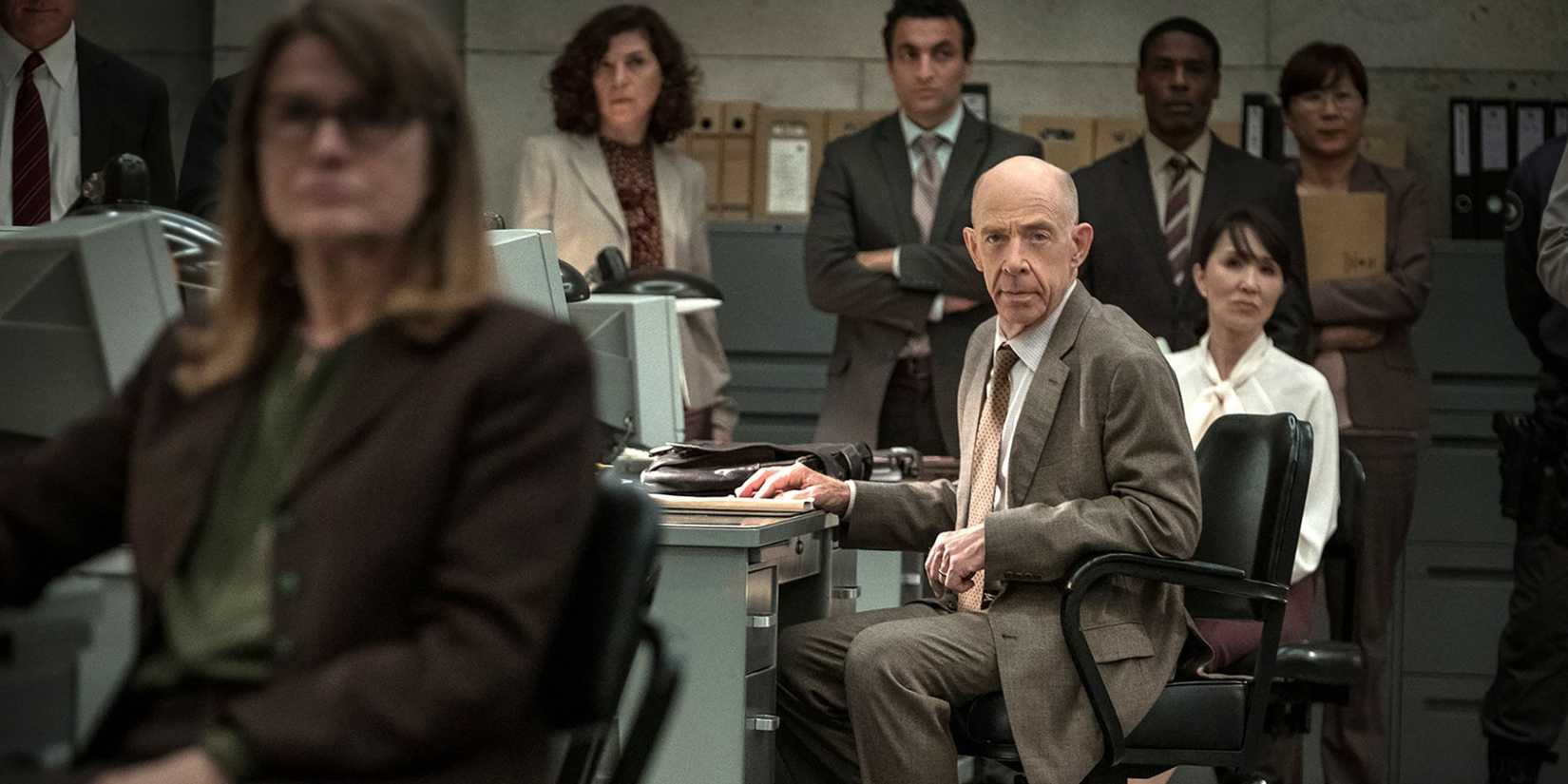
The crown jewel of multiverse television is the criminally underseen Counterpart. Centered on an inter-dimensional cold war between two versions of Berlin, the show is primarily a character study. J.K. Simmons’ dual performance as the mild-mannered Howard Silk and his hardened, ruthless counterpart is a masterclass in acting. The series poses the question: Who would you be if you had made different choices? It is a spy thriller, a tragedy, and a deeply human story that was canceled far too soon.
Supporting Data and Production Trends
The shift toward multiverse narratives in television mirrors the broader cultural fascination with choice and digital identity. According to streaming industry analytics, high-concept sci-fi series with complex, "puzzle-box" structures—like Dark and Counterpart—boast higher completion rates and longer audience retention than traditional episodic procedurals.
| Series | Primary Theme | Emotional Arc |
|---|---|---|
| Sliders | Exploration | Nostalgia/Adventure |
| Fringe | Collision | Grief/Reconciliation |
| Dark | Fate | Acceptance |
| Counterpart | Identity | Self-Actualization |
The production costs for these shows have also seen a steady rise, driven by the need for distinct "visual languages" for different universes. Loki, for instance, utilized a retro-futurist aesthetic to distinguish its TVA headquarters from the standard MCU aesthetic, requiring massive investment in practical sets and high-fidelity VFX.

Official Responses and Creative Implications
Showrunners and creators of these series often emphasize that the "multiverse" is merely a lens through which to view human nature. Baran bo Odar, the co-creator of Dark, noted in post-finale interviews that the parallel world element was never intended to be "science-fiction jargon," but rather a tool to show that "the past is never truly gone, and the self is never singular."
Similarly, J.K. Simmons has spoken extensively about the challenge of playing two versions of Howard Silk, noting that the "multiverse" aspect allowed him to explore the "nature versus nurture" debate in a way that would be impossible in a single-timeline narrative. By having the same actor inhabit two versions of a life, the shows highlight how environment—rather than just inherent personality—shapes the human experience.
The Implications of the Multiverse Genre
The success of these series suggests a shift in how audiences consume television. We have moved from the "monster of the week" format to a "theory of the week" format. Viewers are no longer passive observers; they are active participants, mapping out timelines and theorizing on the mechanics of reality.
However, the genre faces a looming risk: the "multiverse fatigue" often discussed in the context of blockbuster film franchises. When every show employs a multiverse, the stakes can become diluted. If a character can be replaced by an infinite number of versions, does death still carry weight? The shows that rank highest on this list—Counterpart and Dark—succeed precisely because they resist the urge to make the multiverse a cheap plot device. Instead, they treat the existence of other realities as a tragic burden, a reminder of the life one didn’t lead, and a mirror that forces the protagonist to confront their own limitations.
In conclusion, the evolution of the multiverse from Star Trek’s goatee-wearing villain to the existential depth of Counterpart marks a significant maturation of the genre. We are no longer just looking for "evil twins"; we are looking for the truth about who we are, and who we might have been had the universe turned a different way. As these stories continue to evolve, they remain our most compelling vehicle for exploring the infinite "what ifs" that define the human condition.











No comments yet. Be the first to join the conversation!