Dwi Wanna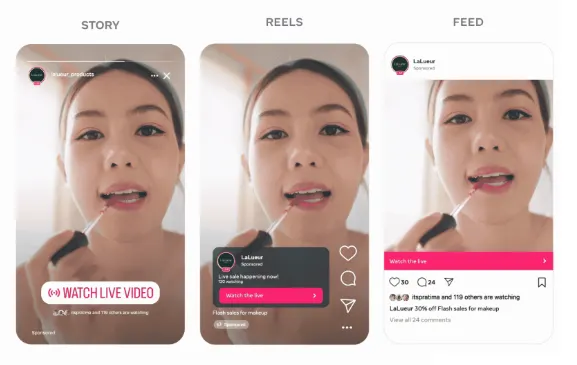
In a strategic maneuver to cement its dominance in the burgeoning social commerce sector, Meta has unveiled a sweeping suite of updates designed to transform its platforms—Facebook and Instagram—into high-conversion shopping hubs. By integrating advanced artificial intelligence with expanded livestreaming capabilities and robust affiliate partnerships, the tech giant is positioning itself to capture the impulse-buying market that has become the gold standard for modern e-commerce.
These updates represent more than just incremental feature tweaks; they signify a structural shift in how Meta handles the intersection of creator content, consumer data, and retail transaction security. As platforms like TikTok continue to aggressively court the live-shopping demographic, Meta’s latest announcements aim to provide advertisers and creators with a more seamless, secure, and data-driven ecosystem.
The Core Transformation: Expanding Livestream and Ad Infrastructure
The cornerstone of Meta’s announcement is the aggressive expansion of its livestream promotion options. Historically, Facebook has experimented with various iterations of livestream advertising, but the current initiative represents a global standardization of these tools.
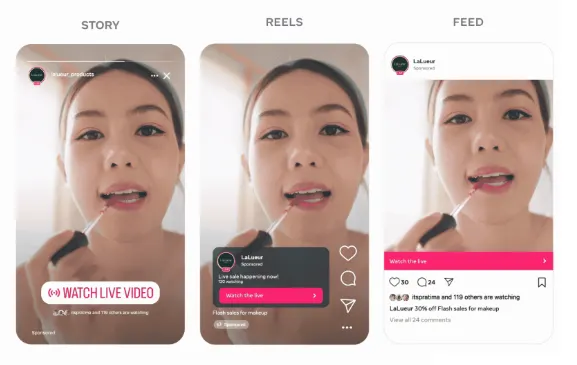
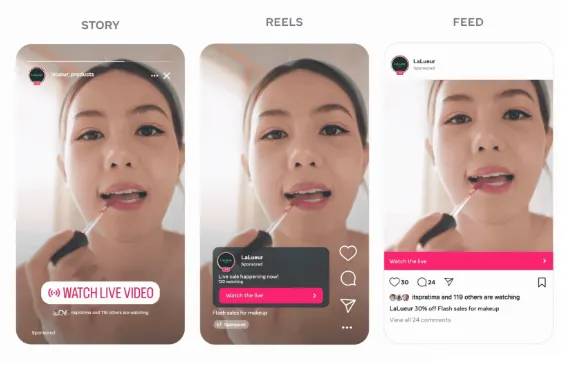
Meta is officially bringing its specialized live video ad formats to Instagram while simultaneously launching them globally on Facebook. These formats are designed to bridge the gap between passive viewing and active purchasing. By linking directly to ongoing broadcasts and embedding in-stream product tabs that facilitate seamless checkout experiences, Meta is removing the friction that typically forces a user to navigate away from the content they are currently enjoying.
To execute this, Meta has forged strategic alliances with leading live commerce platforms, including CommentSold, Firework, LiveMeUp, Sprii, and TalkShopLive. These partnerships provide the technical backbone for merchants to host professional-grade shopping experiences directly within the Meta app environment.
Chronology of the Meta E-commerce Pivot
Meta’s journey toward becoming a retail powerhouse has been deliberate and iterative:
- Early Explorations: For years, Facebook tested basic livestream ads, primarily focusing on general brand awareness rather than direct attribution.
- The Affiliate Expansion (March 2024): Meta significantly broadened its U.S. affiliate program, allowing creators to link to major retail marketplaces like Amazon, Shopee, eBay, and Temu. This established the proof-of-concept for commission-based social selling.
- The Global Rollout (Present): With the latest announcement, Meta has transitioned from testing to full-scale global deployment, integrating AI-driven ad assembly and expanding international affiliate support for markets in India, Brazil, Mexico, and across Asia.
- The Security Layer: The concurrent introduction of virtual card support marks a critical milestone in consumer trust, addressing the long-standing hesitation users have regarding entering credit card details into third-party social streams.
Leveraging AI for Precision Marketing
Perhaps the most significant technical update is how Meta is retraining its ad delivery systems. Moving away from manual ad-type selection, Meta is deploying an AI-driven "ad assembly" system. Advertisers no longer need to curate specific ad formats for every scenario. Instead, they provide product data and creative assets, and Meta’s AI engine dynamically constructs the most effective advertisement for each individual viewer in real-time.
This evolution is designed to maximize conversion rates by ensuring that the right product is paired with the right creative format at the precise moment a user is most likely to purchase. By automating the optimization process, Meta is essentially lowering the barrier to entry for small and medium-sized businesses that may lack sophisticated marketing teams.
Supporting Data and Strategic Partnerships
The shift toward live commerce is backed by a clear trend in consumer behavior. Data indicates that audiences are increasingly receptive to purchasing products while engaged in real-time content. To capitalize on this, Meta’s new shopping tools on Facebook allow marketers to display a curated selection of products during a broadcast. Viewers can browse these items, review real-time pricing, and initiate purchases without ever interrupting the video feed.
The expansion of affiliate marketing is equally data-driven. By partnering with heavyweights like Flipkart in India, Mercado Libre in Brazil and Mexico, and Lazada in Asia, Meta is tapping into established retail behaviors in high-growth regions. Creators now have the ability to tag products from these businesses directly within their content, providing a transparent, trackable path for earning commissions. This infrastructure is now live for creators in 22 countries, allowing them to transform their influence into a measurable revenue stream.
Official Responses and Strategic Rationale
Meta’s leadership has framed these updates as a move to increase both "consumer security" and "purchase confidence." A central pillar of this security initiative is the integration of virtual cards. By allowing shoppers to use one-time, temporary card numbers generated from their existing Mastercard or Visa accounts, Meta effectively mitigates the risk of direct data sharing between the consumer and the business.
"By enabling transactions without requiring the direct sharing of credit card details with businesses, this aims to enhance consumer security and increase purchase confidence," a Meta spokesperson noted in the official release.
Regarding the AI-driven ad updates, the company emphasized the shift toward automation as a benefit for both efficiency and user relevance. "Instead of manually choosing between different ad types, advertisers will provide both their product data and creative assets, and our ads system will assemble the best-performing ad for each viewer in real time."
Implications for the Future of Social Media
1. The Death of the "Click-Away"
The ultimate goal of these changes is to keep the user within the "walled garden" of the Meta ecosystem. By internalizing the entire shopping funnel—from discovery via a creator’s video to product selection and final payment—Meta is significantly reducing the abandonment rates that occur when users are forced to switch between apps or browsers.
2. Empowering the Creator Economy
For creators, these updates are transformative. The expansion of affiliate partnerships means that creators no longer need to rely solely on brand sponsorships or ad-revenue sharing. They can now curate their own "digital storefronts" within their posts, effectively becoming micro-retailers. This diversification of income streams is vital for the sustainability of the creator economy.
3. Heightened Competition with TikTok
Meta’s aggressive pivot is clearly a response to the "TikTokification" of retail. TikTok has successfully pioneered the "impulse purchase" model through its live-shopping features. By layering these capabilities onto the massive, established user base of Facebook and Instagram, Meta is betting that it can leverage its superior demographic data and mature ad-buying infrastructure to win the battle for the social-commerce dollar.
4. The Rise of "Contextual Commerce"
The use of AI to dynamically assemble ads based on the specific content of a livestream suggests that the future of advertising is highly contextual. If a creator is demonstrating a cooking product, the AI will pull the most relevant product data and creative assets to match that specific moment. This is a leap forward from traditional demographic-based targeting, favoring behavioral and situational targeting instead.
Conclusion
Meta’s latest suite of updates represents a sophisticated evolution of the platform’s business model. By combining the engagement power of live video with the efficiency of AI-optimized advertising and the security of virtual payment methods, Meta is building a robust infrastructure for the future of retail. As these features roll out globally, the landscape for both creators and advertisers will likely shift toward a more integrated, seamless, and data-backed shopping experience.
For the average consumer, this means that the line between content and commerce is becoming increasingly blurred—not as a disruptive annoyance, but as a frictionless, personalized utility. Whether this will successfully fend off the competitive pressures from TikTok remains to be seen, but the sheer scale of Meta’s infrastructure ensures that these changes will have a profound impact on the global digital economy.


 Laily UPN
 Ammar Sabilarrohman