Asep Darmawan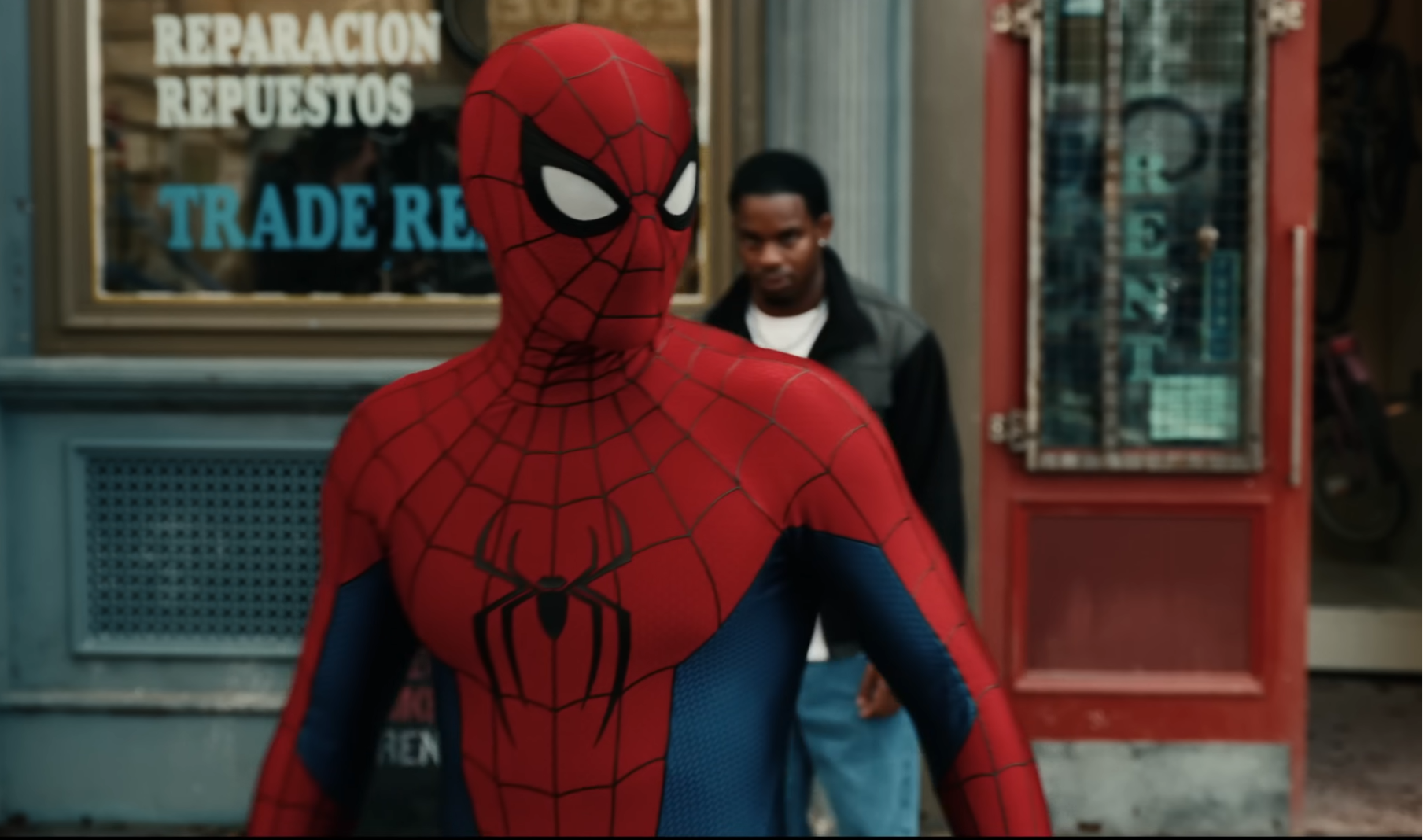
The upcoming installment of the Marvel Cinematic Universe’s web-slinging franchise, Spider-Man: Brand New Day, has ignited a firestorm of speculation among fans and industry analysts alike. While the title suggests a thematic reinvention of Peter Parker’s journey, the most compelling narrative element currently fueling discourse is the film’s antagonist roster. Moving away from the singular, grand-scale threats of previous films, Brand New Day promises a “street-level” grit that utilizes an unprecedented array of classic comic book villains.
As the marketing campaign accelerates, the central mystery remains: who is the primary architect of the chaos? The latest trailer has pivoted away from quantity, focusing instead on an enigmatic, unnamed entity capable of possessing and hopping between human bodies. This shift has turned the internet into a hive of investigative fervor, as audiences attempt to connect the dots between established MCU lore and the potential introduction of new, reality-bending threats.
Main Facts: A Shift in Scale
The fundamental departure in Brand New Day is its commitment to the “street-level” aesthetic. Unlike the multiverse-shattering stakes of No Way Home, the production appears to be anchoring itself in the murky alleyways of New York City. Reports indicate that the film will feature a vast array of B-list and C-list villains, likely serving as a gauntlet for Peter Parker to navigate.
This approach serves two purposes: it creates a claustrophobic, high-stakes environment for the protagonist, and it allows for a diverse display of powers that reflect the diversity of Spider-Man’s legendary rogue gallery. The inclusion of groups like The Hand, as hinted in promotional material, reinforces this grounded, combat-heavy approach. However, the presence of an unseen antagonist who exhibits telepathic or parasitic abilities—the power to “body-hop”—suggests that beneath the street-level skirmishes lies a much more dangerous, supernatural influence.
Chronological Development of the Mystery
The speculation cycle began in earnest with the release of the teaser trailer, which showcased a barrage of classic Spider-Man antagonists, leading many to believe the film would be a straightforward “Sinister Six” style assembly. However, the release of the second trailer completely upended these expectations.
- The Teaser Phase: Initial leaks and rumors centered on the idea of a “villain army.” Fans noted the presence of various thugs and recognizable silhouettes, suggesting a story focused on gang warfare or organized crime.
- The "Body-Hop" Reveal: The second trailer introduced a sequence in which a civilian bystander abruptly changes their demeanor and physical posture, implying a hijacking of their consciousness. This sequence was framed in a way that suggests the villain is not merely a physical fighter, but a psychic or supernatural entity.
- The Current Speculation Era: We are now in the post-trailer analysis phase, where every frame of the promotional footage is being scrutinized. Theories range from the introduction of established X-Men characters to the debut of obscure demonic entities from the Marvel canon.
Supporting Data: The Candidates for Malice
To understand the gravity of the potential threat, we must evaluate the primary candidates currently debated by comic book historians and film enthusiasts.
1. Jean Grey: The Red Herring?
The most pervasive theory—and perhaps the most controversial—is that Jean Grey is the primary antagonist. This theory posits that the “body-hopping” seen in the trailer is a manifestation of the Phoenix Force or a corrupted psychic projection. Proponents of this theory suggest that the Department of Damage Control, a recurring entity in the MCU, is attempting to capture or neutralize Jean, framing her as a villain in the process. With rumors circulating that actress Sadie Sink has been cast in the role, this would serve as a massive bridge between the Spider-Man franchise and the broader X-Men integration into the MCU.
2. Mister Negative
Martin Li, or Mister Negative, is a quintessential street-level threat who possesses the ability to corrupt the internal morality of his victims, effectively “bending” them to his will. His presence in the Insomniac Spider-Man games cemented him as a fan favorite. While his inclusion would fit the urban setting of Brand New Day, skeptics point to the lack of his signature “negative” visual effects in the trailer. If he is the villain, Marvel has gone to great lengths to hide his trademark aesthetic.
3. The Shadow King
For those seeking a deep-cut X-Men connection, the Shadow King is the perfect candidate. An ancient, malevolent psychic entity that exists on the astral plane, the Shadow King thrives by possessing human hosts. His inclusion would be a bold move, potentially signaling the arrival of the X-Men in the MCU. However, the sheer density of the plot in Brand New Day might make the introduction of such a complex, lore-heavy character difficult to execute effectively without overshadowing the protagonist.
4. Krahllak: The Demonic Factor
Krahllak, the ancient demon who serves as the patron of The Hand, offers a more supernatural explanation for the events in the trailer. Since The Hand has been confirmed as a significant presence in the film, Krahllak serves as the logical mastermind. While he is not traditionally a body-hopper in the same way a telepath is, his demonic nature could easily be adapted to include possession. His past conflicts with Daredevil and The Punisher, both of whom have been tied to the film’s development, make him a compelling “Dark Horse” candidate.
5. Madelyne Pryor: The Clone Contingency
The inclusion of Madelyne Pryor would be a masterstroke of narrative subversion. As a clone of Jean Grey, she carries all the visual and power-based weight of the X-Men legend while allowing for a more antagonistic, morally flexible role. This would explain the “coy” statements from cast members and provide a foundation for future X-Men films to explore the ethics of cloning and mutant identity.
Official Responses and Industry Silences
Marvel Studios has maintained its characteristic wall of silence. In recent interviews, cast members and producers have been careful to deflect questions regarding the “body-hopping” figure. Kevin Feige’s typical strategy involves allowing speculation to reach a fever pitch to maximize engagement, only to provide a twist that few predicted.
The studio’s decision to withhold the name of the antagonist is a strategic maneuver designed to keep the audience guessing until the opening weekend. By focusing the marketing on the nature of the threat rather than the identity of the villain, Marvel ensures that the discussion remains centered on the film’s narrative stakes rather than just the casting news.
Implications for the MCU
The implications of Spider-Man: Brand New Day extend far beyond the titular hero. If the film successfully integrates X-Men-adjacent characters or concepts—such as the Phoenix Force, the Shadow King, or the politics of Damage Control regarding mutants—it will serve as the true launchpad for the next phase of the MCU.
If the villain is indeed a mutant or a psychic entity, the film will effectively dismantle the barrier between the “grounded” Spider-Man stories and the “cosmic” or “mutant” stories of the X-Men. This unification is the goal of the current post-Endgame era, and Brand New Day appears to be the primary vehicle for this transition.
Furthermore, by grounding these high-concept characters in a street-level setting, Marvel is attempting to reclaim the “neighborhood” feel of early Spider-Man stories while raising the stakes to an existential level. Whether the villain turns out to be Jean Grey, an obscure demon, or an entirely new adaptation of a classic foe, the film’s success will depend on its ability to balance this complex web of characters without losing the heart of Peter Parker’s journey.
As we await further trailers or potential leaks, the discourse surrounding Brand New Day confirms one thing: the appetite for high-stakes, mystery-driven storytelling in the MCU is as insatiable as ever. The stage is set for a confrontation that will redefine what it means to be a hero in a world where the lines between friend, foe, and the puppet-master are increasingly blurred.

 Ammar Sabilarrohman