Dwi Wanna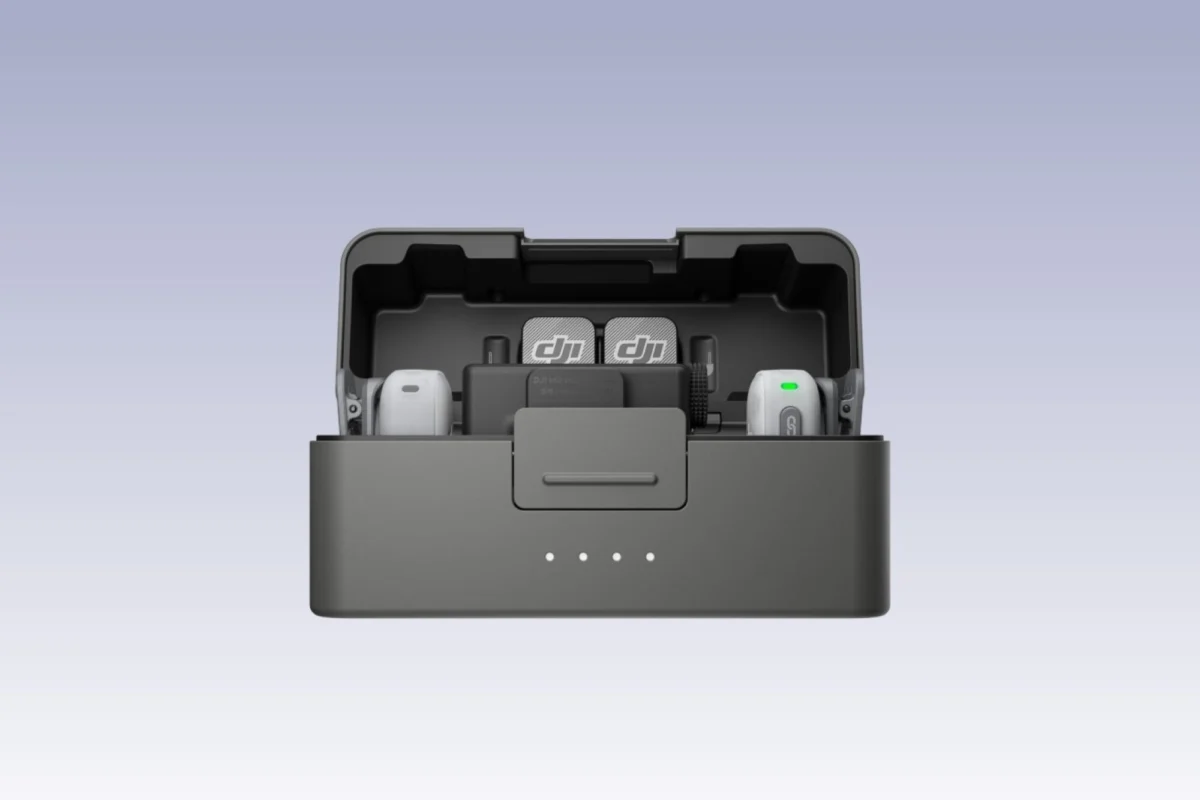
The content creator ecosystem has long relied on DJI not just for aerial cinematography, but for high-fidelity, ultra-portable audio solutions. Last year, the original DJI Mic Mini solidified its status as a gold standard for budget-conscious creators, offering professional-grade audio in a form factor that fit easily into a pocket. Today, the lineage continues with the arrival of the DJI Mic Mini 2. However, for a significant portion of the global market, this launch is marked less by excitement and more by frustration. As the device rolls out across international markets, U.S.-based creators find themselves sidelined by the ongoing, complex regulatory hurdles facing DJI.
The Evolution of Portable Audio: What’s New in the Mic Mini 2?
The DJI Mic Mini 2 arrives as a refined iteration rather than a complete overhaul. According to early reports and documentation, the core functionality that made its predecessor a favorite—solid audio fidelity, seamless mobile app integration, and extreme portability—remains intact.
The most notable hardware update is the introduction of a modular, magnetic cover system. These swappable covers, available in a variety of colors, offer both functional and aesthetic utility. For professional videographers and vloggers, the ability to color-match a microphone to a subject’s wardrobe—or conversely, to use a neutral shade to hide the device in plain sight—is a welcome addition. This design choice signals a shift toward making wearable tech feel more like an accessory and less like intrusive industrial hardware.
Beyond the physical aesthetics, the Mic Mini 2 features updated internal voice processing. The inclusion of new, software-driven voice presets aims to streamline the post-production workflow. By offering optimized audio profiles directly from the transmitter, DJI is clearly targeting the "run-and-gun" creator who needs high-quality sound that is ready for social media platforms with minimal editing.
Pricing and Global Availability: A Tale of Two Markets
The international rollout of the Mic Mini 2 has been swift. In most regions, the device is already available for purchase, with a base bundle starting at approximately €59. This package includes the essential trifecta: a dedicated charging case, a wireless receiver, and a mic transmitter. For more demanding production environments, DJI is offering a premium bundle priced at €99, which upgrades the kit to include a more robust receiver, two transmitters for multi-person interviews, and an expanded charging case.

However, the glaring absence of a U.S. dollar price tag is not an oversight—it is a reflection of a growing divide in the tech market. Currently, there is no official word on when, or even if, the Mic Mini 2 will reach the United States. This leaves American creators in a state of limbo, forced to either wait indefinitely for a domestic release or look toward secondary markets and creative workarounds to acquire the hardware.
Chronology of a Regulatory Freeze
To understand why a simple microphone cannot be bought in the United States, one must look at the broader context of DJI’s operations. The tension between DJI and U.S. regulatory bodies has been building for years.
- Initial Scrutiny: Early concerns centered on data security and the potential for surveillance via drone-integrated technology.
- The Blacklisting: DJI has faced multiple designations from the U.S. Department of Commerce and other agencies, leading to export restrictions and limitations on the company’s ability to conduct standard business in the U.S.
- The Ripple Effect: While these restrictions were initially focused on drones and mapping technology, the scope of scrutiny has broadened. DJI’s non-drone consumer electronics, such as the Osmo Pocket series and the Mic line, are increasingly swept up in the same logistical and legal quagmire.
- The Current Standoff: Recent administrative delays have created a bottleneck where new product launches in the U.S. are taking significantly longer than in other parts of the world, often resulting in indefinite postponements.
The Implications for Content Creators
For the independent creator, the inability to access the latest tools is more than a minor inconvenience; it is a competitive disadvantage. The "creator economy" thrives on being the first to adopt technology that improves production value. When a manufacturer like DJI—which holds a dominant market share in mobile audio—suddenly halts the distribution of a new product in the world’s largest consumer market, it creates a vacuum.
Many U.S. creators rely on the DJI ecosystem because of its "plug-and-play" compatibility with smartphones and cameras. When a new iteration of a staple product is released globally but not locally, users are left with three difficult choices:
- Stagnation: Continue using aging hardware, losing out on the incremental improvements in signal-to-noise ratio or battery efficiency found in the newer model.
- Migration: Switch to competitors, such as Rode or Hollyland, which may not offer the same proprietary integration with their current workflows.
- Grey Market Imports: Attempting to source products from international retailers, which often entails paying premium shipping costs, dealing with import tariffs, and forfeiting local warranty protections.
The Tech Industry’s "Cold War" and Consumer Choice
The situation surrounding the Mic Mini 2 is a microcosm of the current geopolitical climate in the tech sector. As governments continue to scrutinize the supply chains of global electronics manufacturers, the consumer is increasingly caught in the middle.

While the hardware improvements in the Mic Mini 2 might be viewed as modest, the symbolic weight of the launch is heavy. It highlights a future where regional availability of technology may be dictated by political climate rather than market demand. For DJI, the challenge remains to maintain its status as an innovative leader while navigating a regulatory environment that appears increasingly hostile to its presence in North America.
Expert Analysis: Is the Upgrade Worth the Hassle?
From a technical standpoint, the Mic Mini 2 is a logical refinement. The original Mic Mini was praised for its ease of use and price-to-performance ratio. By moving to a magnetic mounting system, DJI is addressing the primary criticism of its predecessors: the physical clunkiness of clipping a microphone onto various materials.
The new voice presets are also a strategic move. By offloading some of the heavy lifting of audio engineering to the device itself, DJI is lowering the barrier to entry for beginners. Whether these features justify the stress of importing a device from overseas is a question each creator must answer for themselves. For those who already own the first generation, the incentive to upgrade is low. However, for those looking to build a new kit from scratch, the lack of U.S. availability is a genuine disruption to their creative plans.
Conclusion: The Road Ahead
As we look toward the future, the case of the DJI Mic Mini 2 serves as a reminder of the fragility of the globalized tech market. What was once a simple process—ordering a piece of equipment and receiving it within a few days—has become a complex navigation of tariffs, bans, and geopolitical posturing.
For the time being, the Mic Mini 2 remains a "forbidden fruit" for the American audience. Whether this trend continues for future releases remains the most significant question for the industry. Until then, creators in the U.S. must continue to make do with what they have, waiting for a resolution that seems increasingly unlikely in the immediate future. The microphone itself may be small, but the implications of its restricted availability loom large over the professional creative landscape.


 Nana
Nana
 Asep Darmawan