Asep Darmawan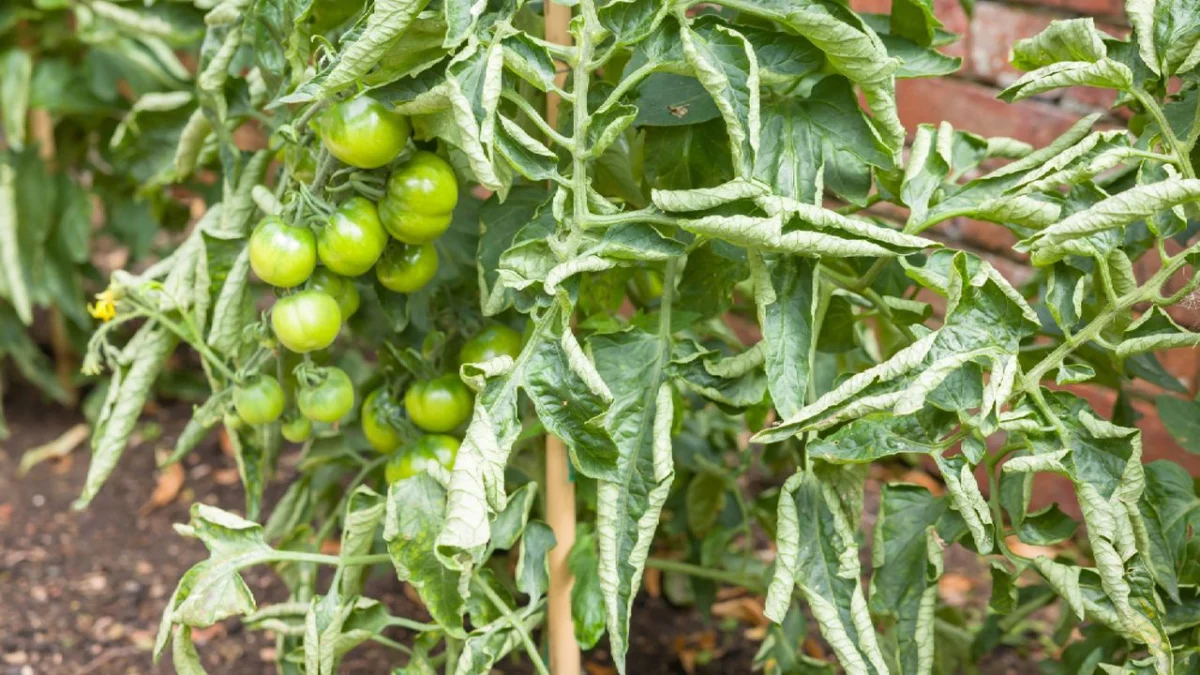
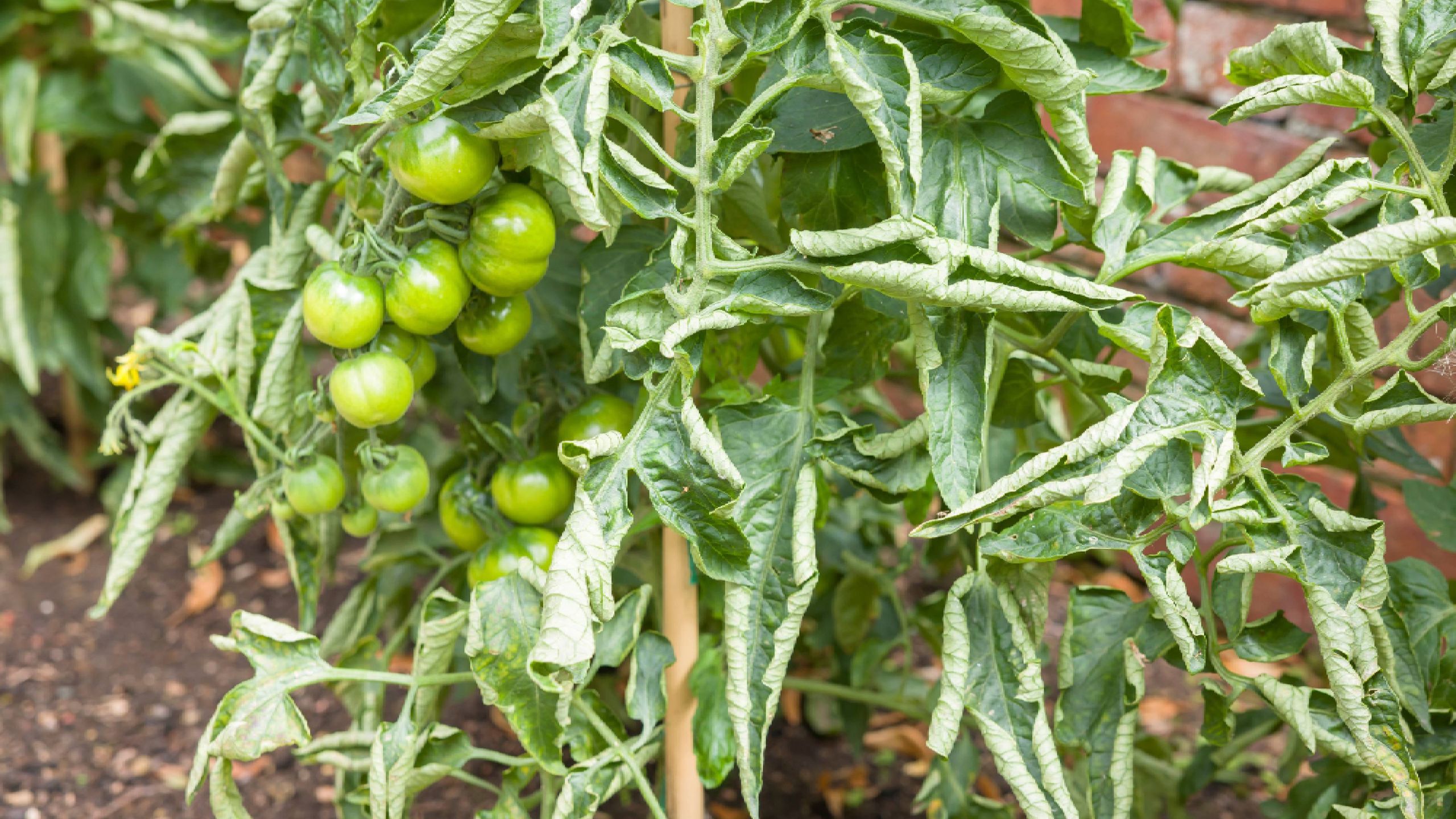
For many home gardeners, the sight of a vibrant tomato plant suddenly displaying twisted, curled, or rolling foliage is a source of immediate anxiety. Often perceived as a sign of imminent plant death, leaf curling is actually a complex communication method used by the tomato plant (Solanum lycopersicum) to signal environmental stress, biological threats, or chemical exposure.
Distinguishing between a plant that is simply "taking a break" from the heat and one that is suffering from a terminal disease is the difference between a bountiful harvest and a barren garden bed. By understanding the underlying physiology of the plant, you can move from reactive panic to informed intervention.
The Main Facts: Why Plants Curl
At its core, leaf curling is a defensive mechanism. When a plant’s internal equilibrium is disrupted, it alters its leaf morphology—either by rolling the margins inward to reduce surface area (thereby limiting transpiration) or by curling due to cellular damage from toxins or pathogens.
The primary triggers for this behavior are generally grouped into five categories: environmental heat stress, physiological shock from pruning, transplant trauma, viral or fungal infection, and exposure to systemic herbicides. Identifying the cause requires a methodical inspection of the plant’s foliage, the progression of the symptoms, and the recent history of the garden environment.
1. Heat Stress: The Physiological Retreat
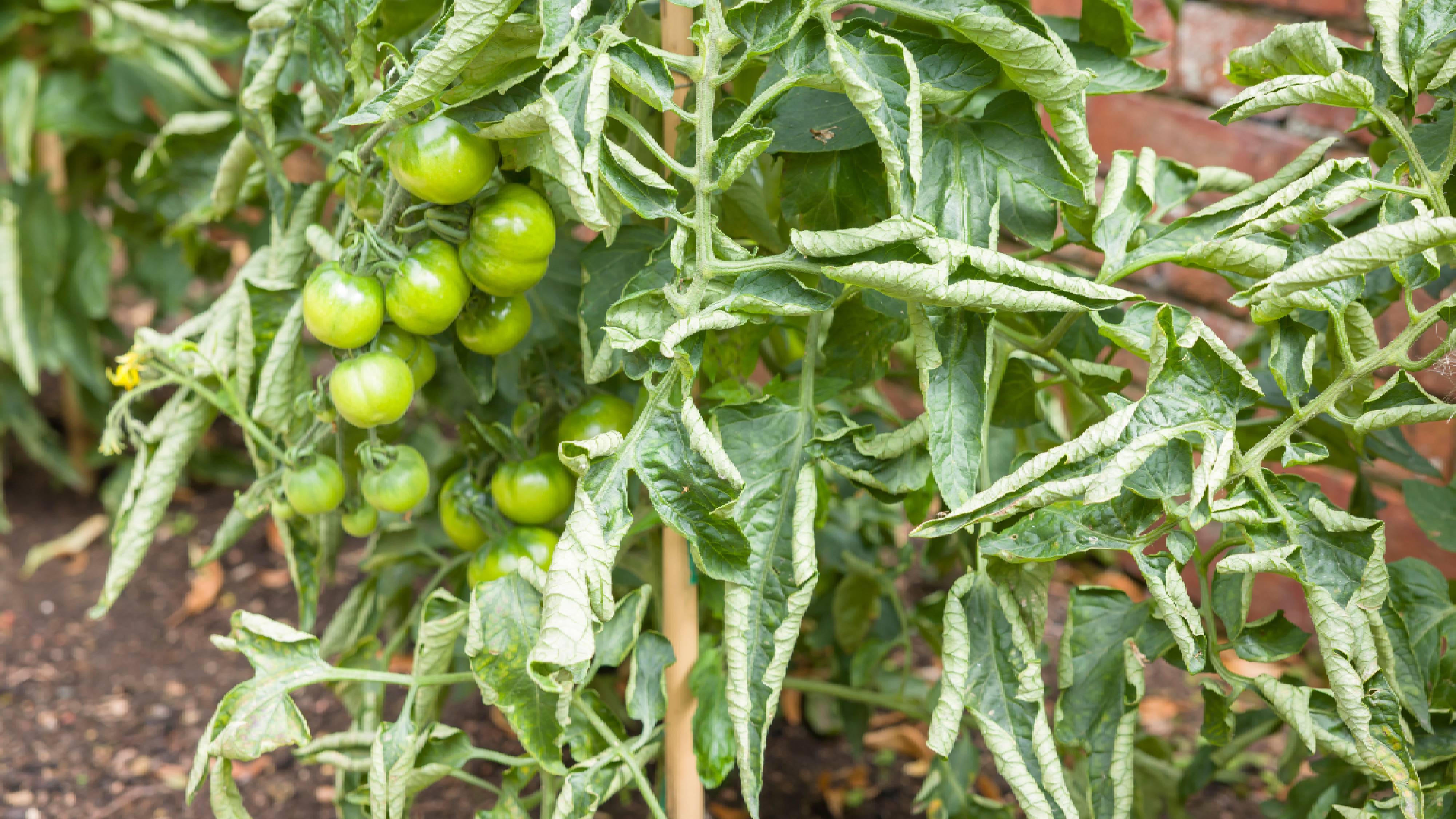
When temperatures climb and the air turns arid, tomato plants often undergo "physiological leaf curl." This is a protective, non-lethal response.
The Mechanism
As ambient temperatures rise, the rate of water evaporation from the leaf surface (transpiration) increases. If the root system cannot pull moisture from the soil at a rate equal to this loss, the plant begins to dehydrate. To survive, the plant curls its leaves inward to minimize the surface area exposed to the sun and wind, effectively "closing" its pores to retain water.
Diagnosis and Treatment
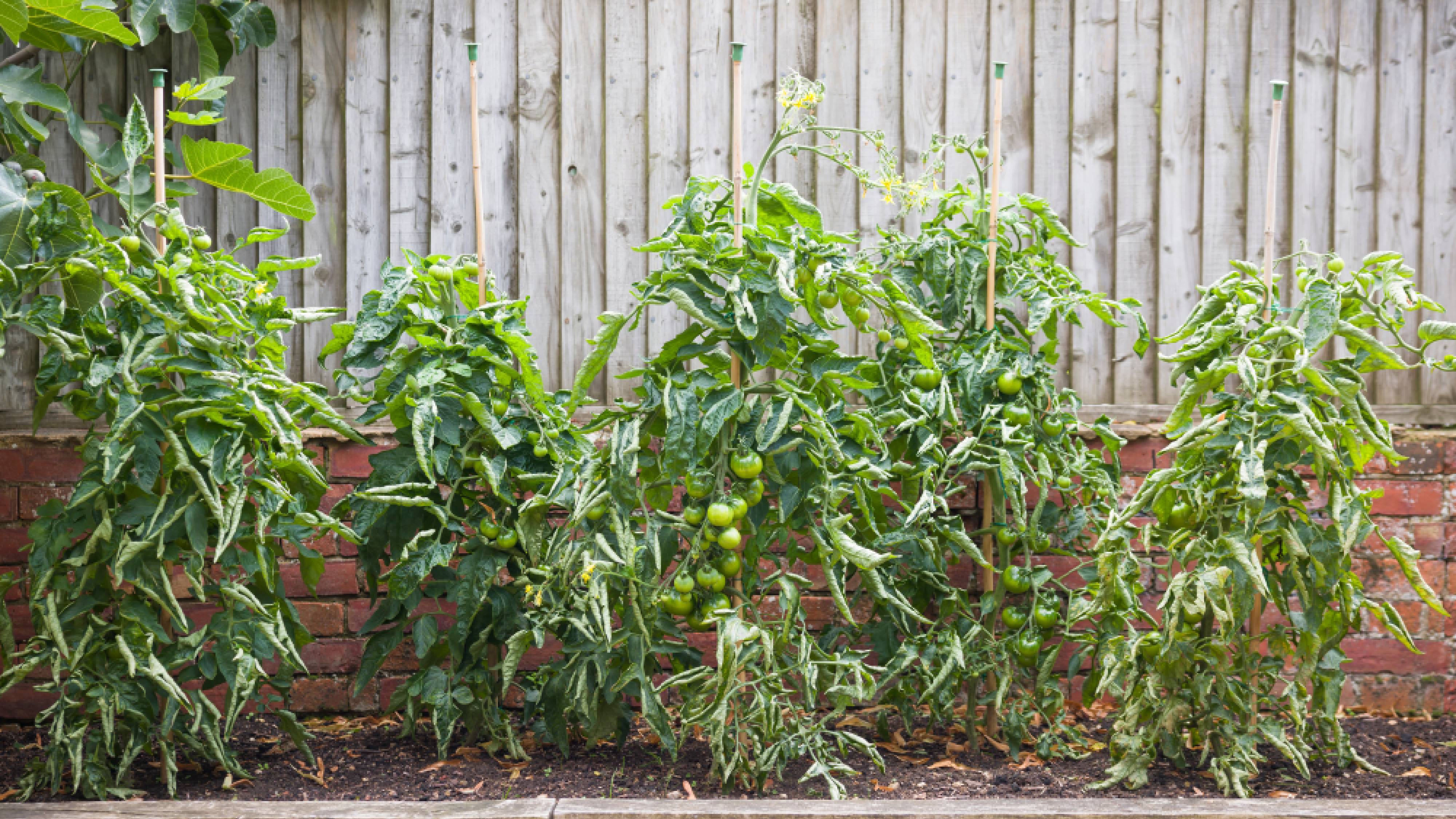
- Visual cues: The leaves will appear cupped or rolled, often starting with the lower foliage. The plant may look wilted during the peak heat of the afternoon but often recovers its turgor pressure during the cooler night hours.
- The Remedy: Consistency is key. Implement a deep-watering regimen, ensuring the soil remains moist but not waterlogged. Utilize a two-inch layer of organic mulch, such as straw or wood chips, to insulate the root zone from solar radiation. Avoid overhead irrigation, which encourages leaf-borne pathogens; instead, use soaker hoses or drip irrigation to deliver water directly to the root system.
2. Pruning Shock: The Cost of Excessive Maintenance
While pruning is essential for air circulation and directing energy toward fruit production, it is a surgical intervention that carries risk.
The Mechanism
Plants rely on leaves for photosynthesis—the process of converting sunlight into energy. When a gardener removes a significant portion of the foliage in a single session, the plant suffers "pruning shock." The sudden reduction in photosynthetic capacity forces the remaining leaves to adapt, often resulting in a temporary, stress-induced curling.
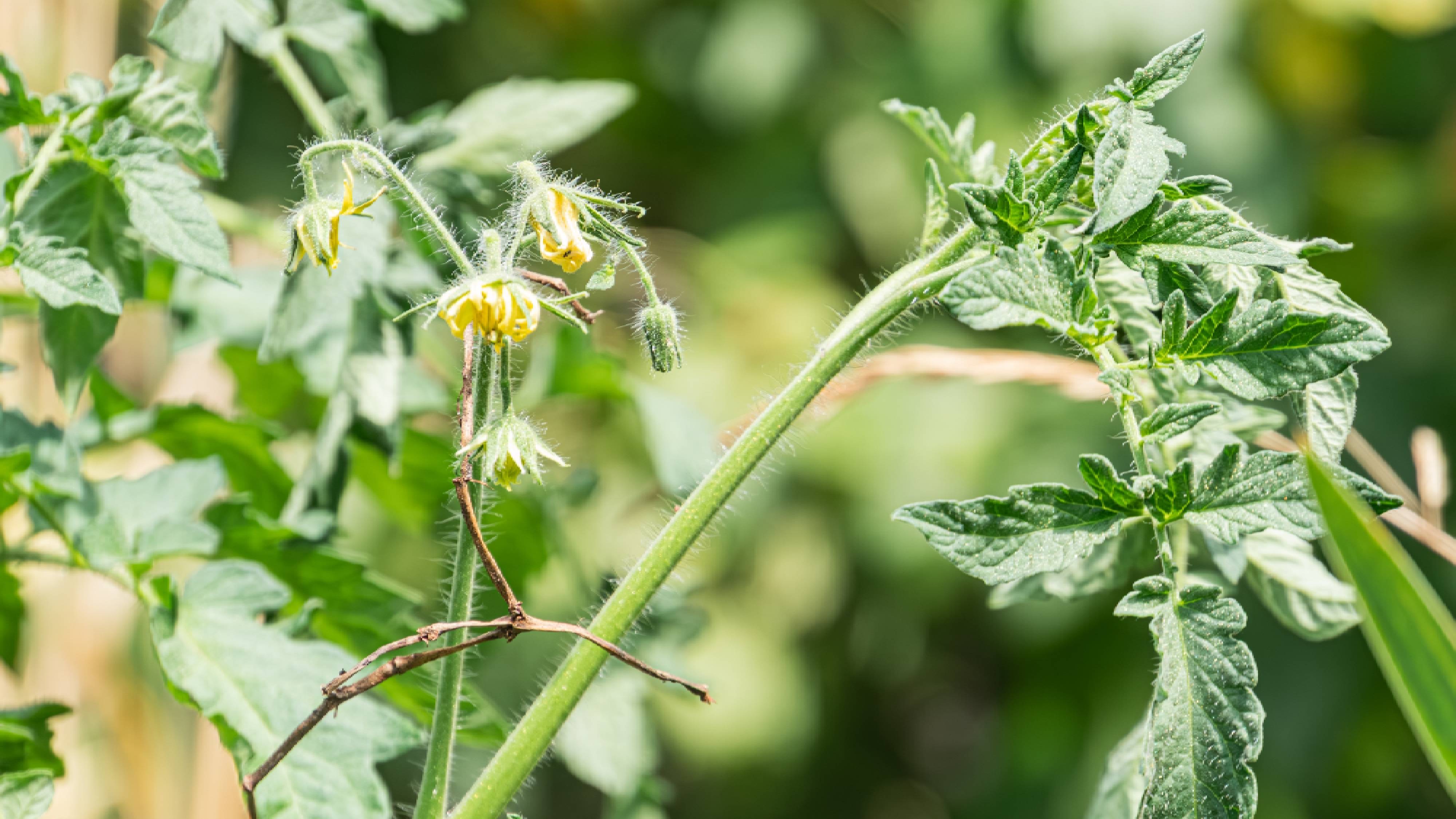
Best Practices for Recovery
- Immediate Action: Cease all pruning activities immediately. Provide the plant with adequate hydration and ensure it is not subjected to further environmental stressors.
- Future Prevention: Adopt a "conservative pruning" philosophy. Never remove more than 25% of the plant’s total foliage at one time. Focus on the "suckers"—the growth appearing in the crotch between the main stem and a branch—and lower leaves that are touching the soil to prevent soil-borne disease.
3. Transplant Trauma: The Acclimatization Phase
Moving a tomato seedling from a controlled indoor environment (or a greenhouse) to the unpredictable outdoor garden is the most stressful event in a plant’s life cycle.
The Mechanism
Transplant shock is caused by root disturbance and the sudden change in light intensity, humidity, and temperature. The plant is essentially in a state of temporary vegetative distress as it struggles to establish new root connections in the native soil.
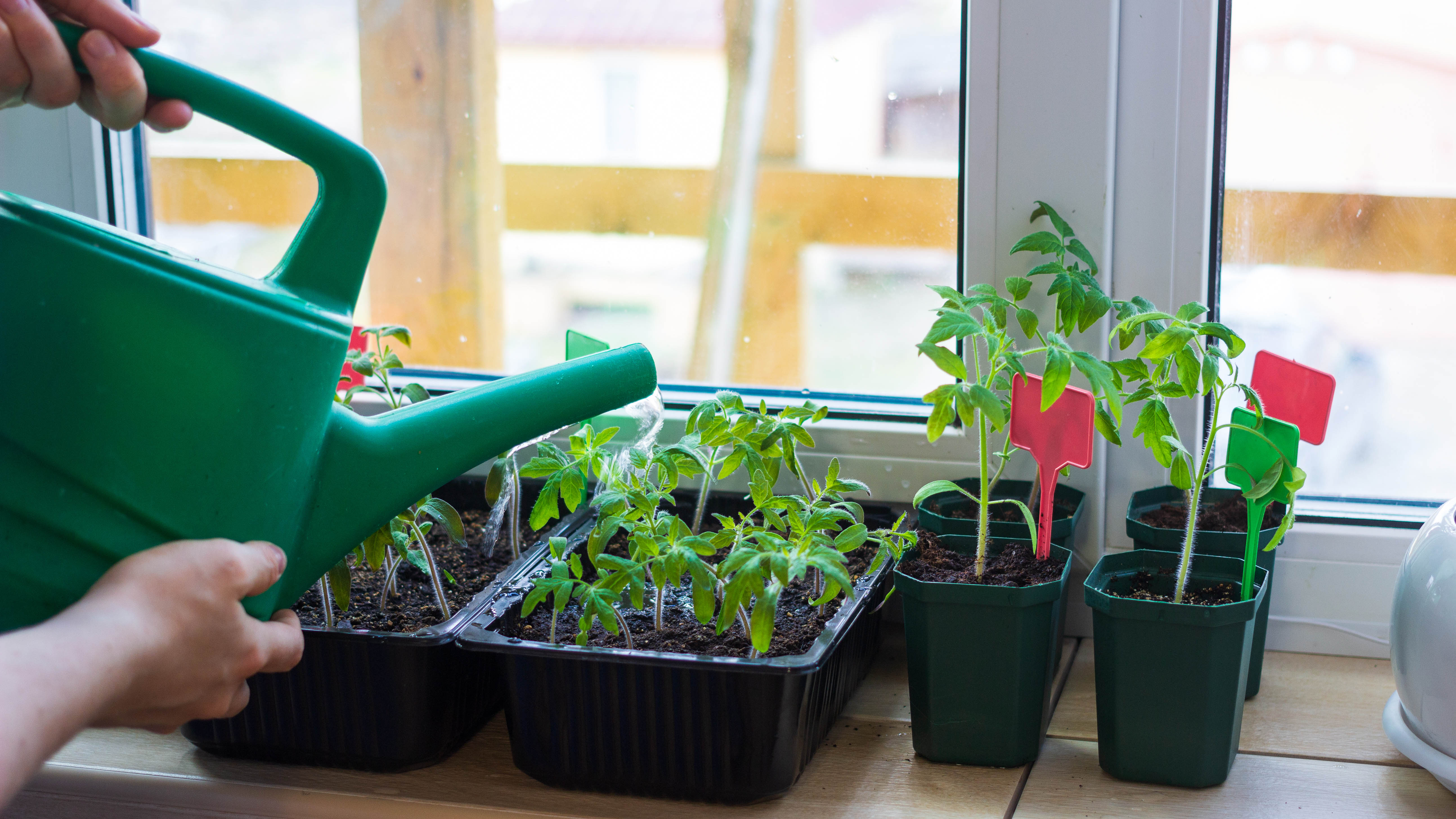
Minimizing the Impact
- The Hardening-Off Process: Before transplanting, gradually introduce your seedlings to outdoor conditions over the course of 7–10 days. Start with a few hours in the shade and incrementally increase exposure to full sun and wind.
- Planting Strategy: Always transplant on an overcast, calm day to reduce the immediate water demand on the plant. If a heatwave is forecasted, consider providing temporary shade using garden cloth or a simple cardboard shield for the first 48 to 72 hours.
4. Pathogens and Blight: When It’s Not Just Stress
Unlike the stressors listed above, blight is a biological infection that requires aggressive management.
The Chronology of Infection
- Early Blight (Alternaria solani): Typically appears after the plant has begun to set fruit. It manifests as brown or black spots with concentric rings, often starting on the lower leaves.
- Late Blight (Phytophthora infestans): A more virulent pathogen that thrives in cool, wet conditions. It spreads rapidly, causing leaves to curl, yellow, and die, eventually turning the stems and fruit into a necrotic, mushy mass.
Official Responses and Mitigation
Agricultural extension services universally recommend a "sanitary approach" to blight.

- Remove and Destroy: Infected foliage should be removed immediately. Do not place this material in your home compost pile, as most residential compost systems do not reach the temperatures required to kill fungal spores.
- Cultural Controls: Improve air circulation by spacing plants at least 24 to 36 inches apart. Mulch heavily to prevent soil-borne spores from splashing onto lower leaves during rainfall. When selecting seeds, prioritize resistant cultivars such as ‘Mountain Magic’ or ‘Artemis,’ which have been bred to withstand common fungal pressures.
5. Chemical Drift: The Invisible Enemy
Perhaps the most frustrating cause of leaf curl is the unintentional application of herbicides.
The Mechanism
Herbicides such as 2,4-D or dicamba, commonly used in residential lawn care, are systemic growth regulators. When they drift onto tomato plants, they cause the leaves to bend, twist, and cup in a distinct, abnormal fashion. This is often referred to as "herbicide injury."
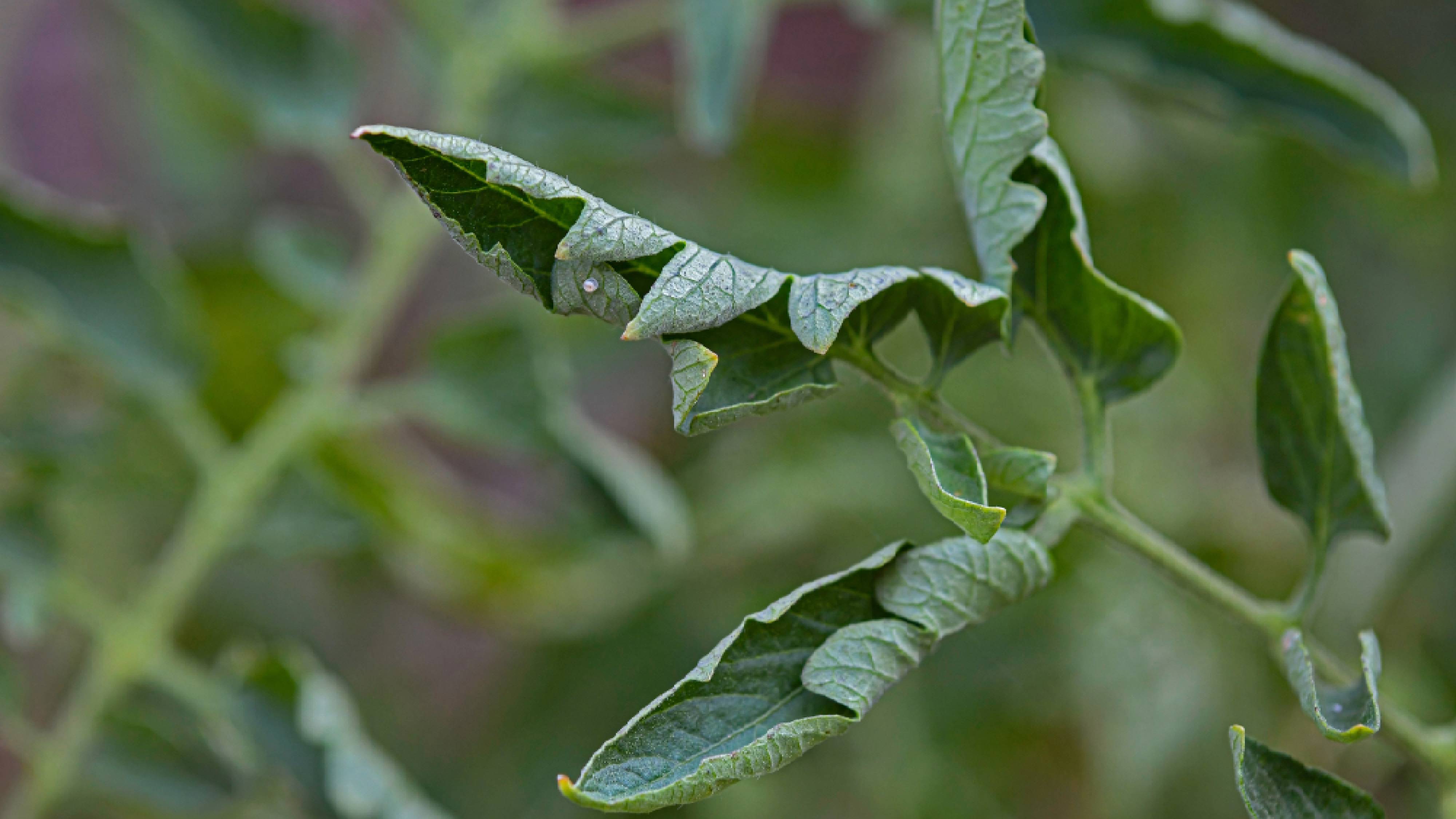
Implications and Reality
- The Truth About Recovery: Unlike heat stress or pruning shock, herbicide injury is a fundamental change to the plant’s hormonal system. There is no "cure" or fertilizer that can reverse the damage.
- Prevention is Paramount: The only way to combat chemical drift is to maintain a strict "no-spray zone" around your vegetable garden. If you use lawn chemicals, ensure they are applied on days with zero wind and never use grass clippings from a treated lawn as mulch for your tomatoes, as the chemicals can remain active in the plant tissue for years.
Summary Table: A Quick Reference Guide
| Symptom | Primary Cause | Severity | Recommended Action |
|---|---|---|---|
| Upward rolling, wilted in heat | Heat Stress | Low | Deep water, mulch, wait for evening |
| Cupped leaves, post-pruning | Pruning Shock | Low | Stop pruning, water, allow time |
| General wilt, post-planting | Transplant Shock | Moderate | Shade, water, minimize root disturbance |
| Dark spots, yellowing, rapid drop | Blight (Fungal) | High | Remove infected foliage, improve airflow |
| Twisted, abnormal growth | Herbicide Drift | High | "Wait and see," avoid all sprays near garden |
Final Analysis
Successful gardening is as much about observation as it is about labor. When your tomato plants display curled leaves, do not rush to add fertilizers or pesticides, which can often exacerbate the issue. Instead, look at the timeline of your garden: Was there a recent heatwave? Did you prune recently? Did a neighbor spray their lawn?
By becoming an astute observer of your plants, you can identify the specific, nuanced "language" they use to tell you what they need, ensuring a harvest that is as healthy as it is abundant. When in doubt, prioritize deep, consistent watering and maintain a clean, well-mulched garden bed—the two best defenses against the vast majority of tomato ailments.


 Rifan Muazin