Reynand Wu
The "Dark Knight" trilogy remains one of the most significant pillars of modern cinema, a rare intersection of high-concept intellectual property and critical acclaim. Christopher Nolan’s gritty, grounded vision of Gotham City didn’t just redefine the superhero genre; it cemented the legacies of its lead performers. Among them were Gary Oldman, the definitive Commissioner Gordon, and Tom Hardy, whose portrayal of the villainous Bane remains a masterclass in physical transformation and vocal idiosyncrasy.
Given this pedigree, the 2015 crime thriller Child 44 was expected to be a heavyweight contender, a prestige project bolstered by the star power of two of Britain’s finest actors and produced by the legendary Ridley Scott. Instead, it became a cautionary tale of how even the most formidable talent can be swallowed whole by a lackluster script and muddled execution.
The Premise: A Brutal Descent into the Soviet Union
Based on Tom Rob Smith’s acclaimed 2008 novel, Child 44 was designed to be a high-stakes, atmospheric mystery. The narrative is set in the 1950s Soviet Union, a period defined by paranoia, state-sanctioned censorship, and the crushing weight of the MGB (the Ministry of State Security).
Tom Hardy stars as Leo Demidov, a war hero turned MGB agent who believes in the sanctity of the Soviet state. His worldview is violently challenged when he discovers a series of child murders, a crime that the Soviet government officially denies, adhering to the ideological lie that "there is no murder in paradise."
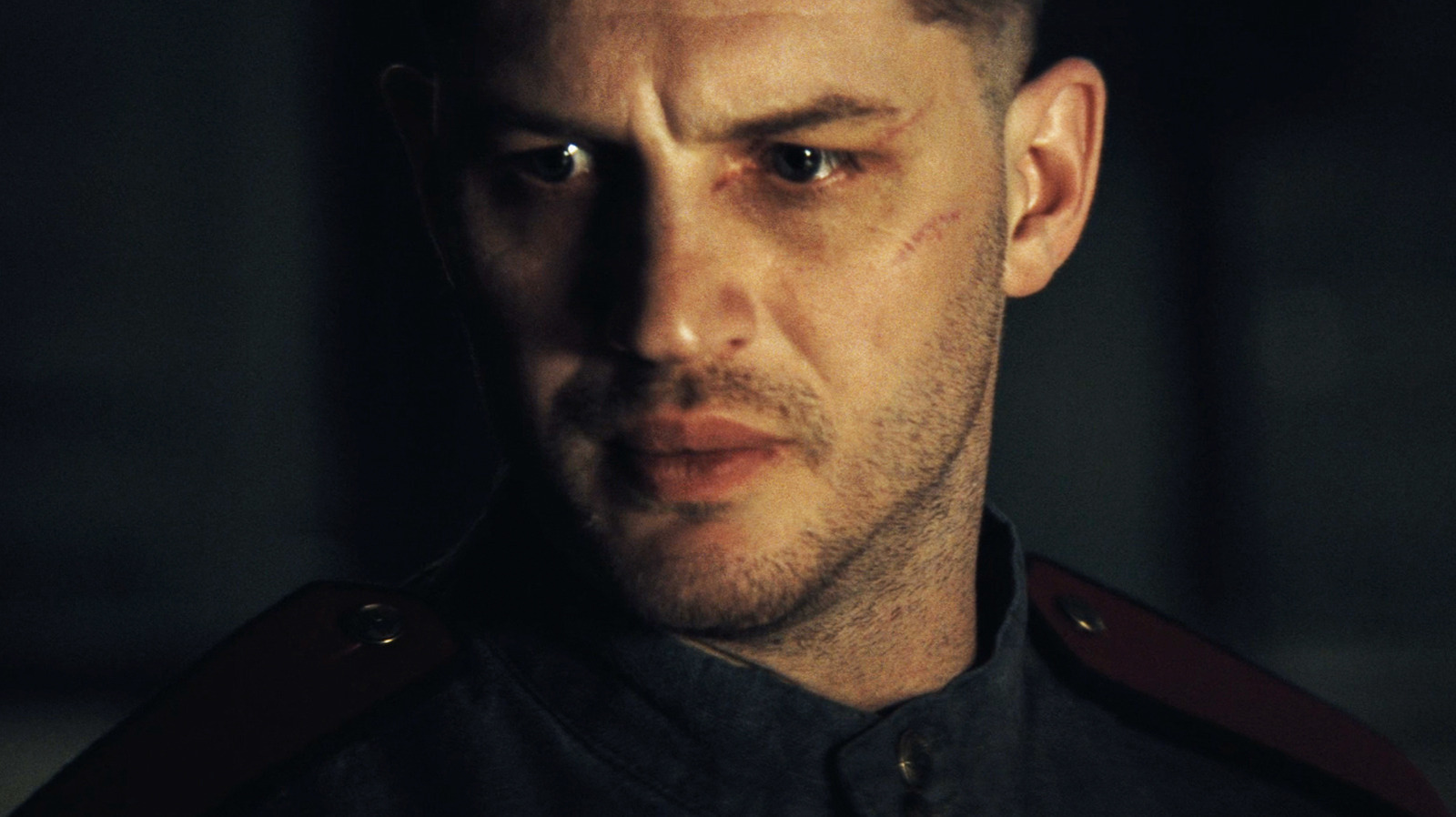
As Demidov begins his investigation, he is met with fierce resistance from his superiors and his own colleagues, including the ruthless Senior Lieutenant Vasili Nikitin (played by Joel Kinnaman). The story follows Demidov, along with his wife Raisa (Noomi Rapace) and the weary Colonel Mikhail Nesterov (Gary Oldman), as they pursue a serial killer inspired by the real-life atrocities of Andrei Chikatilo, the "Rostov Ripper."
Chronology of a Failed Launch
The production of Child 44 was steeped in ambition. With a budget of approximately $50 million, the film was positioned for an April 2015 release, hoping to capitalize on the intellectual thriller market. However, the path to the screen was rocky.
- Pre-Production: Acquired as a high-profile adaptation of a bestselling novel, Ridley Scott initially considered directing the project himself before handing the reins to Swedish director Daniel Espinosa.
- Production (2013): Principal photography took place primarily in the Czech Republic, standing in for the bleak, grey landscapes of the Soviet Union. The cast, which included Hardy, Oldman, Rapace, and Jason Clarke, was lauded as a "dream team" for a thriller of this scope.
- Post-Production: Reports emerged during the editing process of significant studio interference. The goal was to trim a sprawling, complex narrative into a more digestible, commercial runtime. This process arguably stripped the film of its nuance, leaving behind a jarring, disjointed experience.
- Release (April 2015): Upon hitting theaters, the film was met with a tepid response that quickly turned hostile. It was released alongside blockbusters that dominated the conversation, leaving it to wither in the background.
Supporting Data: A Financial and Critical "Katastrofa"
The box office performance of Child 44 serves as a stark reminder that star power alone cannot guarantee commercial viability. The film grossed only $12.9 million worldwide against a $50 million production budget. When marketing and distribution costs are factored in, the financial loss was substantial.
Critics were equally unforgiving. On the review aggregator Rotten Tomatoes, the film holds a meager 30% approval rating. The consensus among reviewers was that the film suffered from a "borscht-thick" identity crisis.
Critical Reception Breakdown:
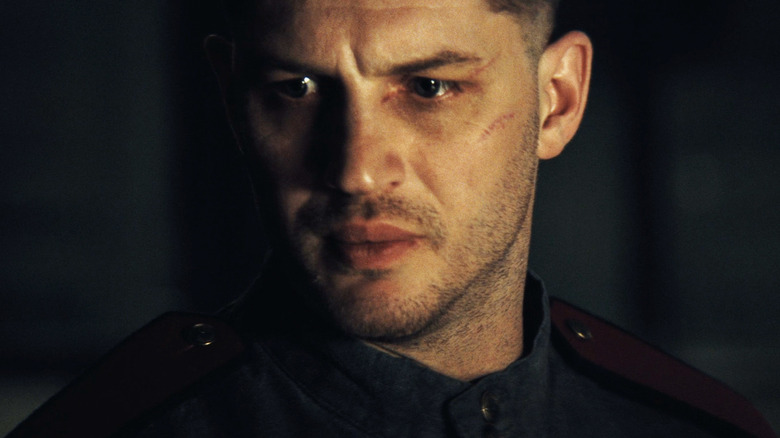
- The Accents: Almost every major review mentioned the distractingly inconsistent accents of the cast. While Tom Hardy is known for his eccentric vocal choices—ranging from the muffled, rhythmic mask-talk of Bane to the gravelly menace of Bronson—his performance in Child 44 was widely panned as being "odd" and difficult to parse.
- Narrative Pacing: Critics like Donald Clarke of The Irish Times described the film as a "confusing bore." The complexity of the book, which spanned decades and detailed the inner workings of the Soviet bureaucracy, was reduced to a chase movie that lacked emotional resonance.
- Atmospheric Dissonance: While the film’s visual language was technically proficient, it felt cold and uninviting. The attempt to capture the terror of the Stalinist era often veered into melodrama, alienating audiences who expected a tighter, more cohesive police procedural.
Official Responses and Geopolitical Backlash
Perhaps the most notable "response" to the film came not from Hollywood, but from the Russian government. The film was banned in Russia, Ukraine, and several other former Soviet territories.
The Russian Ministry of Culture famously stated that the film could not be screened in the country because it distorted historical facts and depicted the Soviet Union as a "bloodthirsty" state. While the official reason cited historical inaccuracy, many industry analysts viewed the ban as an act of political censorship. The film depicted the Soviet security apparatus as a villainous entity, a narrative that the contemporary Russian government was unwilling to tolerate.
Ironically, the ban gave the film a brief moment of notoriety, but it was not enough to drive audiences to theaters in Western markets. The film became a pariah—disliked by Western critics for its quality and rejected by the region it sought to depict for its political perspective.
Implications for the Careers Involved
For Daniel Espinosa, Child 44 was a significant setback. While he would later go on to direct the widely ridiculed Marvel adaptation Morbius in 2022, Child 44 marked his first major failure in the English-language market. It suggested a pattern of struggle with complex narrative structures, a critique that would follow him into his later blockbusters.
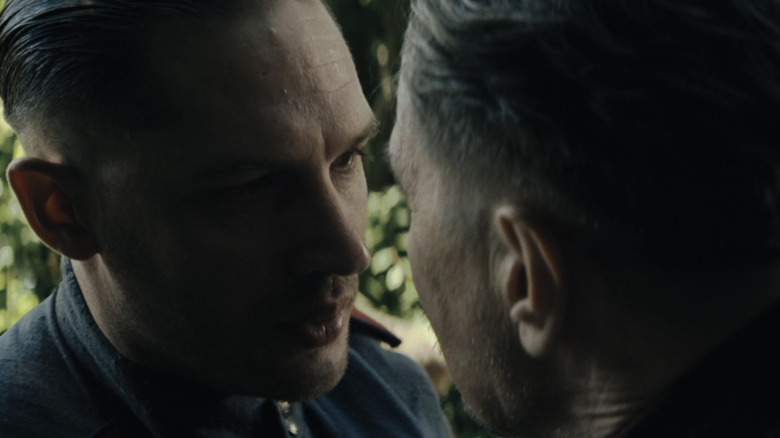
For Tom Hardy and Gary Oldman, the film is a mere footnote in their otherwise illustrious careers. Both actors have maintained their reputations for excellence in the years since. Hardy has continued to command the screen in projects like Mad Max: Fury Road and the Venom franchise, while Oldman won an Academy Award for his portrayal of Winston Churchill in Darkest Hour just two years after Child 44 arrived.
The lesson for the industry remains clear: prestige casting is not a substitute for a coherent script. Child 44 attempted to synthesize the grit of a noir thriller with the scale of a historical epic, but it failed to connect the two. It serves as a reminder that even when you assemble the talent responsible for one of the greatest film trilogies of the 21st century, the end result is only as good as the vision behind the camera.
Today, Child 44 exists in the purgatory of streaming services. While it is certainly not the worst film ever made, it remains a "what-if" scenario—a project that had every ingredient for greatness, only to fail in the execution. Whether it deserves a modern-day reappraisal is up to the viewer, but for most, it remains a cold, distant, and ultimately forgettable exercise in missed potential.

 Azzam Bilal Chamdy