Lina Irawan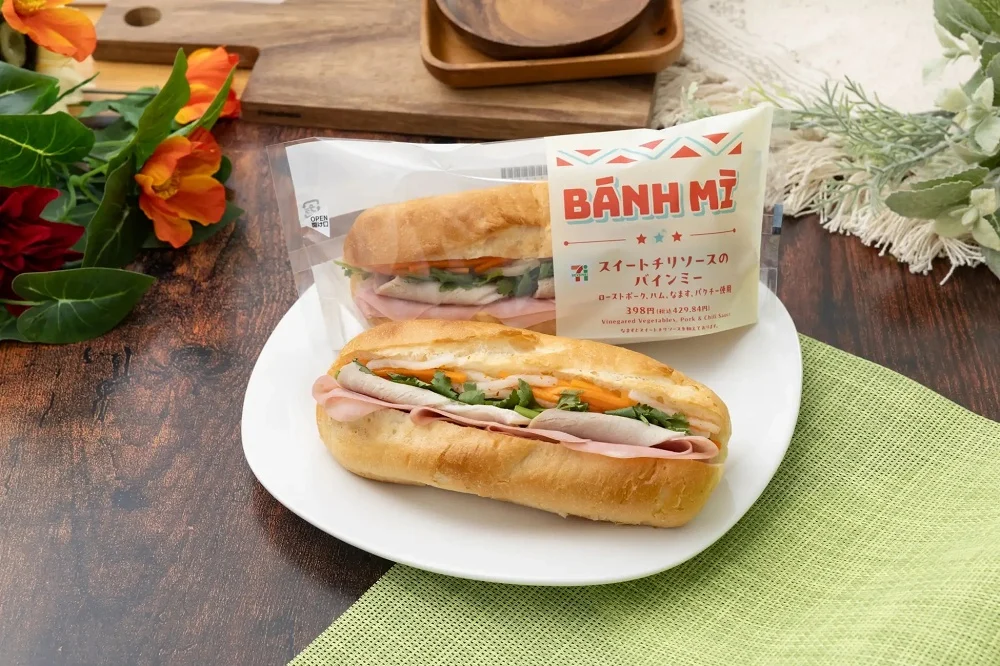
Main Facts: The Arrival of a Vietnamese Icon
In a bold expansion of its international culinary repertoire, 7-Eleven Japan has officially announced the launch of its newest grab-and-go sensation: the Vietnamese-style banh mi. Starting June 23, 2026, customers across nearly every prefecture in Japan will be able to purchase this globally beloved sandwich at their local 7-Eleven storefronts.
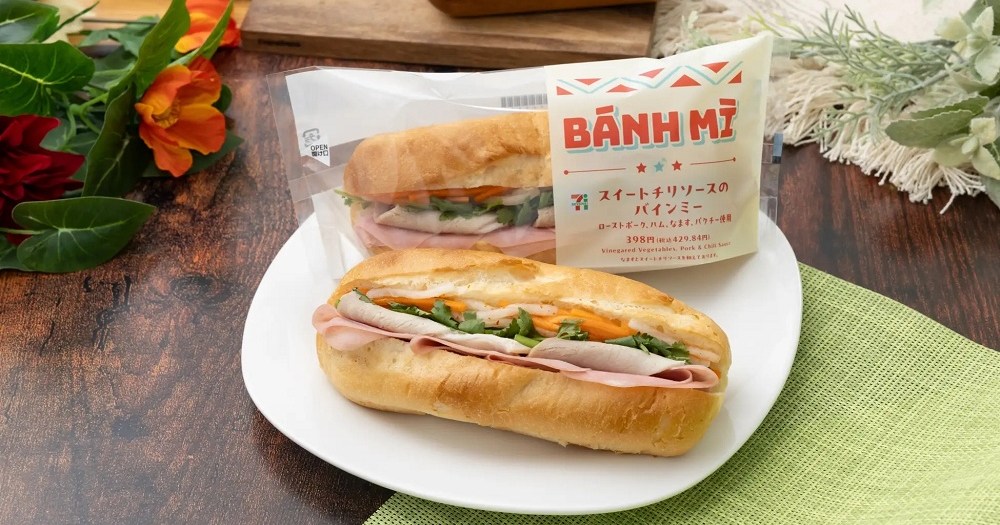
Priced at an accessible 430 yen (approximately $2.75 USD), the sandwich aims to capture the essence of traditional Vietnamese street food while catering to the high standards of the Japanese convenience store—or konbini—market. The product, dubbed the "Sweet Chili Sauce Banh Mi," features a curated blend of roast pork, pickled vegetables, fresh cilantro, and a signature sweet chili glaze, all encased in a specially sourced short baguette designed to maintain texture under refrigeration.
This move signifies a strategic pivot for 7-Eleven, which has traditionally leaned heavily on Japanese staples such as onigiri (rice balls), takoyaki (octopus balls), and matcha-infused beverages. By incorporating the banh mi, the company is signaling its intent to capture the hearts of the modern, globally-minded Japanese consumer who increasingly seeks international flavors.
Chronology: From Street Food Niche to Convenience Store Mainstream
The journey of the banh mi in Japan has been a slow, calculated climb. For decades, the Japanese food landscape was dominated by domestic favorites and the occasional adoption of Western-style fast food. Vietnamese cuisine, while respected, was largely pigeonholed into the "pho" category, with the soup dish serving as the primary gateway for Japanese diners into Vietnamese gastronomy.
The Slow Rise of Banh Mi
- Early 2010s: Banh mi remained an elusive rarity in Japan, mostly found in hyper-specialized independent cafes within large metropolitan hubs like Tokyo or Osaka.
- 2020–2024: As interest in Southeast Asian travel surged among Japanese tourists, a newfound appreciation for the banh mi began to take root. Small, independent "Banh Mi Shops" began appearing in districts like Takadanobaba and Shin-Okubo, serving a growing demographic of younger foodies and residents from Vietnam.
- 2025: The "fusion trend" reached a boiling point. Social media platforms like Instagram and TikTok propelled the banh mi to "must-try" status, highlighting its aesthetic appeal and complex flavor profile.
- June 2026: Recognizing the market saturation of domestic snacks and the growing demand for refreshing, international lunch options, 7-Eleven Japan finalized its recipe development. The decision to roll out the sandwich nationwide—excluding Hokkaido and Okinawa—marks the official transition of the dish from a niche ethnic delicacy to a mainstream consumer product.
Supporting Data: The Anatomy of a Convenience Store Masterpiece
The success of a konbini food item hinges on its ability to balance flavor, freshness, and the limitations of mass production. 7-Eleven’s engineering team faced significant hurdles in replicating the banh mi experience, particularly the texture of the bread and the crispness of the vegetables.
The Ingredient Profile
- The Bread: Unlike a traditional French baguette, which can be overly crusty or hard for a refrigerated sandwich, 7-Eleven has opted for a "soft-crust" baguette. This allows the bread to remain palatable even when kept at cool temperatures.
- The Protein: Roast pork serves as the primary protein, providing a savory umami base that complements the acidity of the pickles.
- The Aromatics: A generous helping of cilantro—a polarizing but essential ingredient—is included to provide the characteristic "freshness" that defines the dish.
- The Condiment: The decision to include a sweet chili sauce is a departure from traditional liver pate or mayonnaise-heavy recipes. 7-Eleven’s research indicates that this sauce profile resonates more strongly with the Japanese palate, providing a "tangy" kick that is particularly appetizing during the humid, high-heat summer months.
Market Context
The timing of this release is not coincidental. Japan’s summer is notoriously sweltering, and consumer behavior shifts toward lighter, more acidic foods. The banh mi, with its pickled radish and carrots, provides a refreshing alternative to heavy, fried, or overly salty convenience store meals. This launch follows 7-Eleven’s recent successful introduction of Korean gamja (potato) cheese balls, further proving the retailer’s commitment to "multinational" menu items.
Official Responses and Strategic Implications
The corporate strategy behind this release is multifaceted. According to industry analysts, 7-Eleven is attempting to combat "menu fatigue" among its most frequent customers. By rotating in international dishes, the chain keeps its loyal base engaged.
Why 7-Eleven?
A representative for the company noted that the goal is to "bridge the gap between local convenience and global culinary exploration." While Japanese konbini are already world-renowned for their quality, the introduction of banh mi allows the company to tap into a higher price point (430 yen) while justifying it as a "premium" or "specialty" lunch option.
The Risks and Rewards
The challenge remains in consistency. Maintaining the integrity of fresh cilantro and crisp pickles within a supply chain that spans the nation is a massive logistical feat. Should the banh mi perform well, it is expected to pave the way for other international street foods to join the 7-Eleven ranks. Conversely, if the product fails to meet the quality expectations of Japan’s discerning food critics, it may be relegated to a seasonal experiment.
Implications: A New Era for Japanese Convenience Culture
The arrival of the banh mi at 7-Eleven signifies a broader shift in the Japanese retail landscape. The country’s food culture is becoming increasingly porous, absorbing international trends with greater speed than ever before.
Shaping Consumer Palates
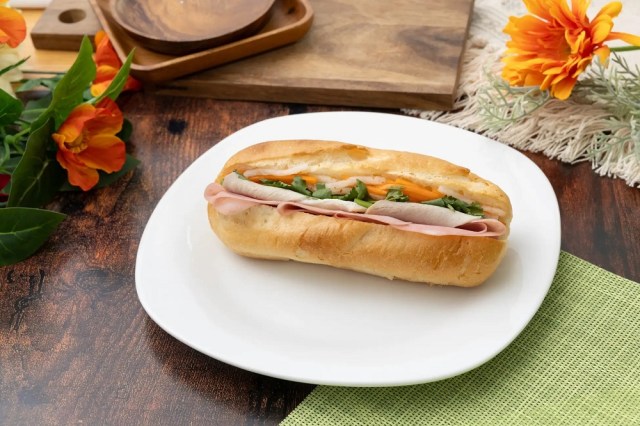
As 7-Eleven brings this dish to every corner of the country, it is effectively educating a new demographic of consumers. For many in rural Japan, this may be their first encounter with Vietnamese flavors. By normalizing these ingredients—cilantro, pickled radish, and sweet chili—the chain is subtly altering the Japanese culinary baseline.
The Competitive Landscape
This move also places pressure on other major convenience store chains like Lawson and FamilyMart. Competition for the "lunch hour" dollar in Japan is fierce, and the success of 7-Eleven’s banh mi will almost certainly trigger a response from competitors. Consumers can likely expect to see a wave of Vietnamese-inspired sandwiches, salads, and wraps hitting the shelves of other retailers by the end of the year.
Final Thoughts
As we move toward the June 23 launch, the banh mi stands as a testament to the power of convenience retail to democratize high-end flavors. It is no longer necessary to seek out a specialty boutique in a bustling city center to enjoy a well-constructed, flavorful international meal. With 7-Eleven’s logistical might behind it, the humble banh mi is poised to become the unofficial sandwich of the Japanese summer.
Whether you are a long-time fan of Vietnamese cuisine or a curious newcomer, the upcoming rollout is an invitation to broaden your horizons—one, or perhaps two, banh mi at a time. The evolution of the konbini continues, and it is tasting increasingly global.


 Neng Nana
 Asro
Asro