

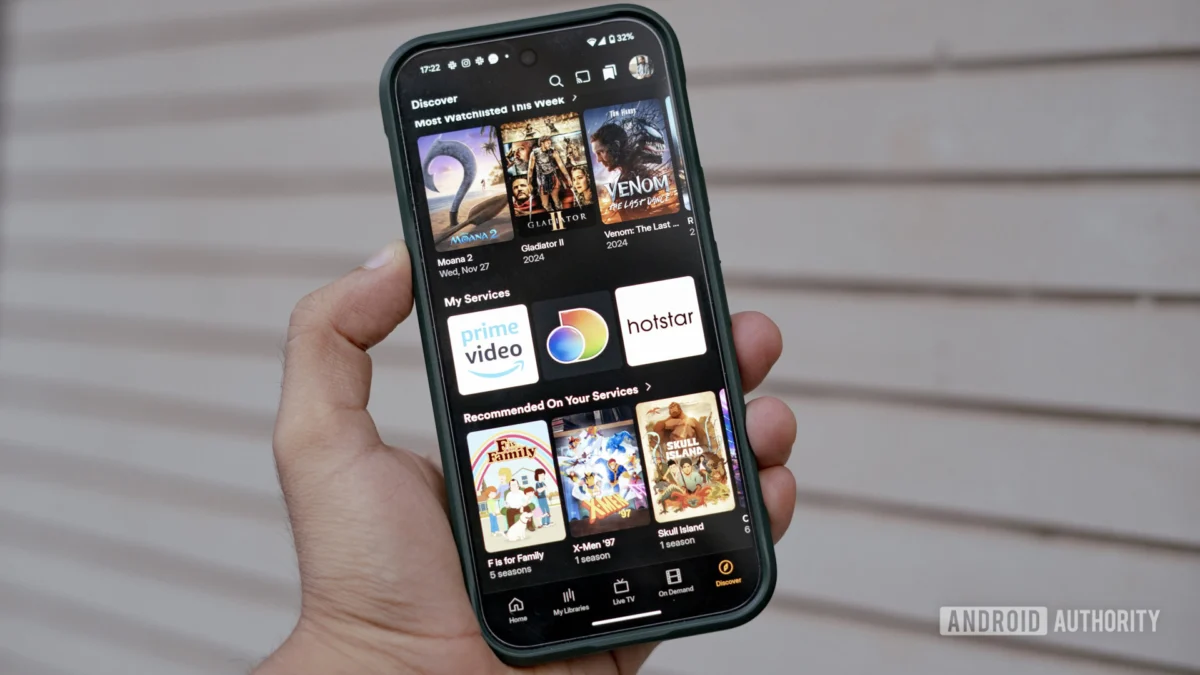
The landscape of personal media management has undergone a significant transformation this year, primarily driven by the evolving business strategies of Plex, the industry-leading platform for streaming local and remote content. Following a controversial and substantial price hike to its flagship "Lifetime Pass" earlier this summer, the company has introduced a new intermediate tier—a 5-Year Plex Pass subscription—designed to bridge the gap between short-term commitments and permanent access.
This shift marks a pivotal moment for cord-cutters and home media enthusiasts who have long relied on Plex to organize their digital libraries. As the platform transitions away from the "buy once, own forever" model that originally defined its community appeal, users are left to re-evaluate the long-term value proposition of their digital media habits.
The Core Facts: What Has Changed?
In a move that has sent ripples through the enthusiast community, Plex has officially launched a 5-Year Plex Pass subscription. Priced at $250, this new offering aims to provide a middle ground for users who are hesitant to commit to the now-steep $750 price tag for a Lifetime Pass but want more stability than a monthly or annual billing cycle.
To understand the weight of this announcement, one must look at the recent pricing history of the platform:
- The Previous Standard: Until June 30, 2024, the Plex Lifetime Pass was priced at $250. It offered users indefinite access to premium features, including hardware transcoding, mobile syncing, and offline media access, for a single, one-time payment.
- The July 1 Pivot: Effective July 1, 2024, Plex increased the cost of the Lifetime Pass to $750, a 200% increase that effectively tripled the barrier to entry for "permanent" ownership.
- The New 5-Year Plan: The newly introduced $250 five-year plan essentially restores the old $250 price point, but with a critical caveat: it is no longer "lifetime." It expires after 60 months of service.
Chronology of a Subscription Strategy Shift
The transition to this new pricing structure did not happen in a vacuum. It represents the culmination of a multi-year effort by Plex to diversify its revenue streams beyond the core "home media server" user base.
The Rise of the Lifetime Pass
For years, the Plex Lifetime Pass was considered the "gold standard" of media software investments. It rewarded early adopters and power users with a sense of ownership, creating a loyal fan base that acted as brand ambassadors. For many, $250 was an easy purchase—a one-time fee for a service that replaced expensive cable packages and fragmented streaming services.
The Financial Realignment
In May 2024, the company announced the impending price hike, citing the need to sustain the platform’s ongoing development, server infrastructure, and the expansion of its free, ad-supported streaming (FAST) services. The announcement was met with immediate pushback from the community, who viewed the move as an attempt to squeeze higher margins out of the existing user base.
The Introduction of the 5-Year Tier
Recognizing that the $750 Lifetime Pass was a prohibitive hurdle for new users, the company introduced the 5-Year plan as a "middle-of-the-road" option. By reintroducing the $250 price point, Plex is attempting to recapture the market segment that was alienated by the summer price hike, albeit with a significantly reduced return on investment for the consumer.
Supporting Data: The Math of Media Management
To determine whether the new 5-Year plan is a "deal," one must analyze the cost-efficiency of Plex’s various tiers. The math reveals a clear strategy by Plex to incentivize recurring revenue over one-time payments.
Cost Breakdown per Month
- Monthly Pass ($6.99/mo): $83.88 per year.
- Annual Pass ($69.99/yr): ~$5.83 per month.
- New 5-Year Pass ($250): ~$4.17 per month.
- Lifetime Pass ($750): Requires over 15 years of usage to reach the same cost-efficiency as the new 5-Year plan.
The Economics of Commitment
When comparing the 5-Year plan to the annual subscription, users save approximately 28% over the life of the plan. When compared to the standard monthly subscription, the savings jump to 40%. From a purely transactional perspective, the 5-Year plan is the most cost-effective way to access premium features for those who do not wish to spend $750 upfront.
However, the "Lifetime" value proposition has been fundamentally altered. Previously, if you used Plex for six years, your cost per year was ~$41.66. Now, after five years, that $250 is gone, and the user must pay again. The math suggests that Plex is successfully moving its user base toward a perpetual subscription model, where the "one-time payment" is no longer a viable long-term strategy for the company’s fiscal health.
Official Responses and Corporate Rationale
Plex has maintained a consistent narrative throughout these changes: the platform is no longer just a media server for personal files. It has evolved into a global media ecosystem that requires continuous, high-level investment.
In official blog posts and communications, the company emphasizes that their development costs—ranging from the maintenance of high-performance transcoding engines to the licensing of global, ad-supported content—have skyrocketed. The company argues that the previous $250 lifetime fee was established in an era where the platform was significantly less complex and had lower overheads.
While the company has not explicitly stated that they intend to phase out the Lifetime Pass entirely, the extreme pricing of the $750 tier, combined with the promotion of the new 5-Year plan, suggests that they are looking to prioritize recurring, predictable revenue. For investors and stakeholders, this shift toward a "SaaS" (Software as a Service) model is often viewed more favorably than the one-time revenue model, which is notoriously difficult to forecast for long-term growth.
Implications for the User Base
The introduction of the 5-Year plan and the surrounding pricing changes have profound implications for the future of the home media server community.
1. The Death of the "Buy Once" Culture
For many, the appeal of Plex was its departure from the "rental" economy. By paying a flat fee, users felt they were "purchasing" their software. The shift to a 5-year cycle signals that even within the home server community, the rental economy is winning. Users are no longer owners; they are subscribers.
2. Market Segmentation
This strategy effectively segments Plex users into three camps:
- The Casual User: Those who stick to the free version, relying on local playback without advanced transcoding features.
- The Subscription User: Those who utilize the new 5-Year plan or annual passes, treating Plex as a recurring utility bill.
- The "Premium" Power User: The group willing to pay $750 for the Lifetime Pass, likely consisting of long-term enthusiasts who prioritize the peace of mind that comes with a "no-more-payments" status.
3. The Competitive Landscape
This pricing shift opens the door for competitors. Platforms like Jellyfin—an open-source, completely free alternative—have seen a surge in interest whenever Plex makes headlines for price hikes. Users who feel that $750 is an unreasonable fee for a media server are increasingly looking at self-hosted, open-source solutions that don’t come with the baggage of corporate subscription tiers.
4. Psychological Barriers
The $750 price tag acts as a significant psychological barrier. It forces a user to calculate the value of their media habit over a decade or more. For the average consumer, this level of long-term commitment to a single piece of software is rare, which may ultimately drive more users toward the $250 five-year plan. Paradoxically, this may lead to higher long-term revenue for Plex, as those same users will be forced to re-subscribe after five years rather than "forgetting" about their one-time purchase.
Conclusion: Is the 5-Year Plan Right for You?
The new 5-Year Plex Pass is an objective improvement over the current monthly and annual pricing tiers. For those who are already committed to the Plex ecosystem and rely on features like Plex Pass-exclusive hardware transcoding, remote access, or mobile syncing, this plan provides a predictable, discounted path forward.
However, the broader context of this decision cannot be ignored. The era of the affordable, permanent Plex Lifetime Pass has come to an end. Users must now decide if the value provided by the platform’s constant updates, media aggregation, and ease of use is worth the transition to a recurring subscription model.
As Plex continues to balance the needs of its loyal community with the fiscal requirements of a modern media corporation, one thing is clear: the cost of managing one’s digital library is on the rise. Whether that cost is justified by the platform’s utility remains a question that every user must answer for themselves, based on their own media consumption habits and their willingness to embrace the new reality of the subscription-based digital age.











