Rifan Muazin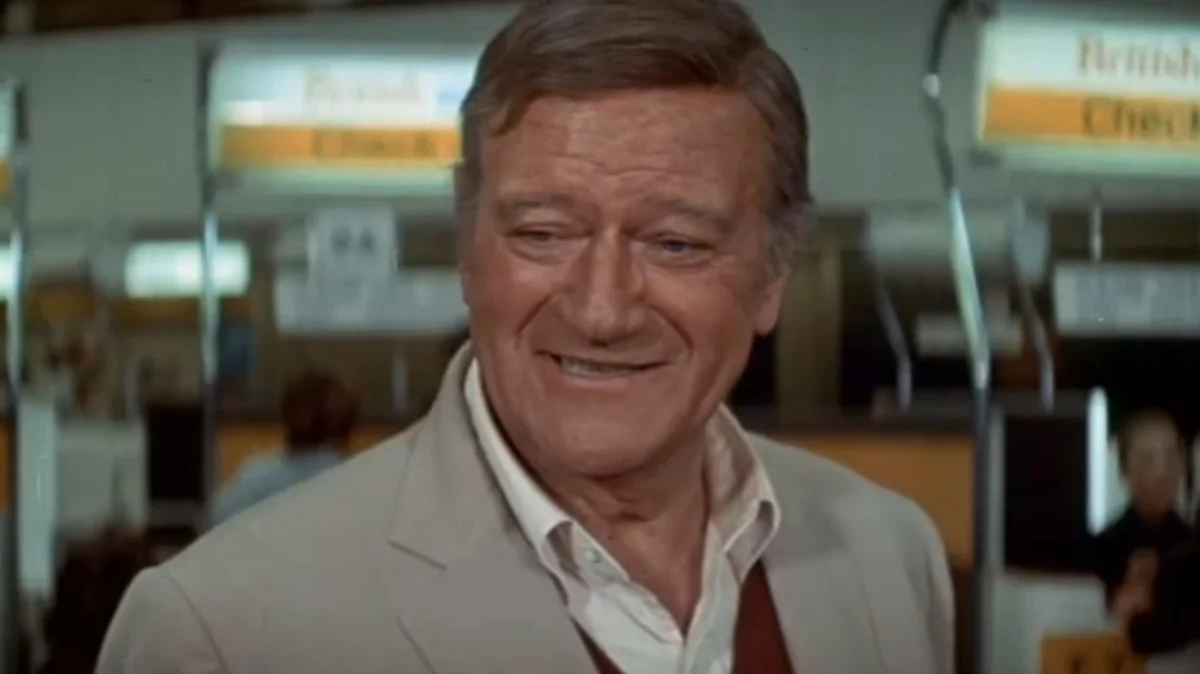
For generations of film enthusiasts, the name John Wayne is synonymous with the American West. From the sweeping vistas of John Ford’s The Searchers to the rugged moral landscape of True Grit, Wayne built an empire of cinema on the back of a horse, beneath a ten-gallon hat, and against the backdrop of the frontier. However, to pigeonhole "The Duke" strictly as a western icon is to ignore a compelling, gritty, and highly entertaining chapter of his final years: his foray into the hard-boiled, urban action thriller.
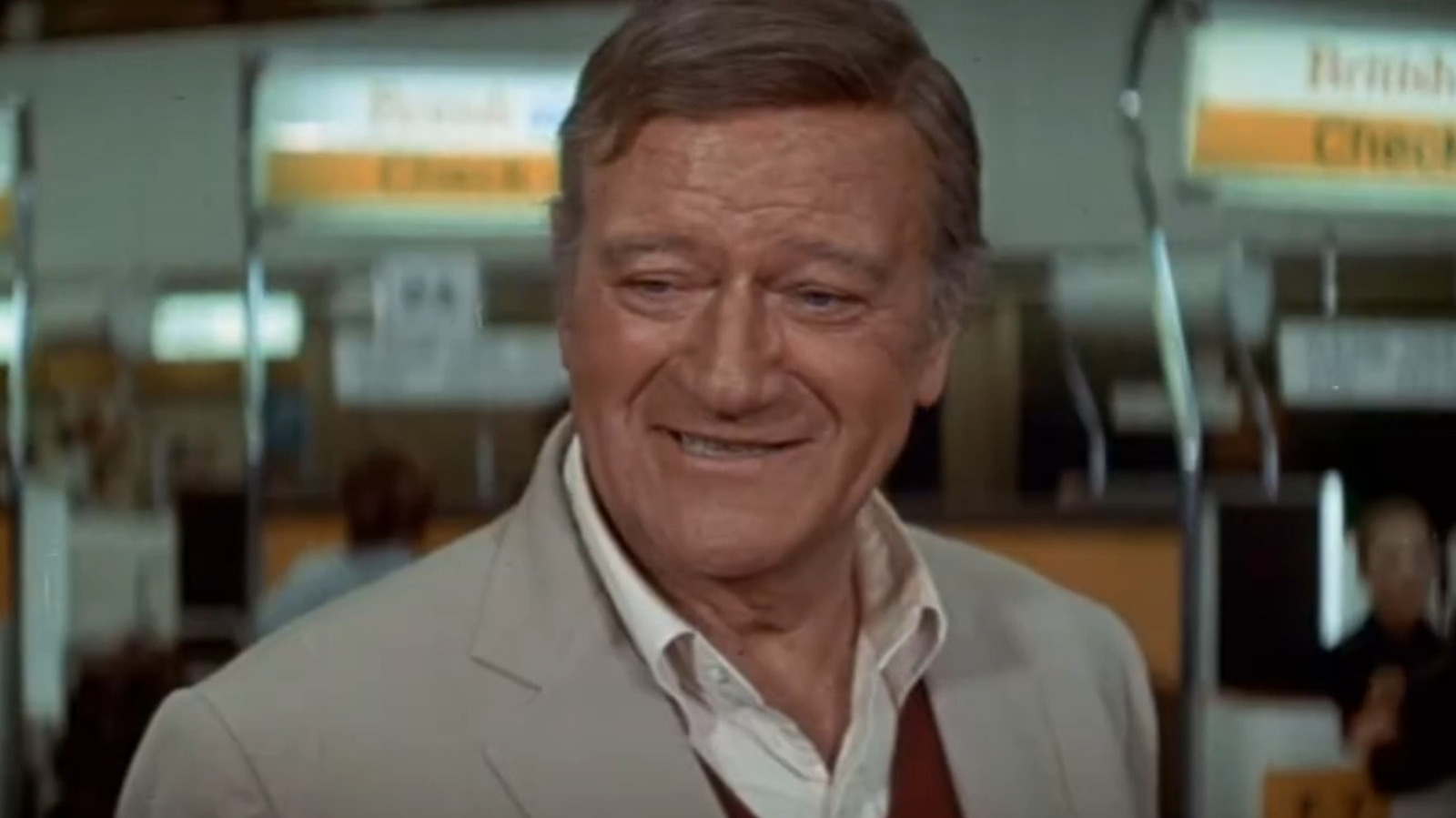
Among these, the 1975 film Brannigan, directed by Douglas Hickox, stands as a quintessential example of Wayne’s ability to pivot from the saddle to the squad car. Often overshadowed by his legendary westerns, Brannigan serves as a fascinating relic of the 1970s—a period defined by the rise of the cynical, trigger-happy police procedural, most notably epitomized by Don Siegel’s Dirty Harry.
Main Facts: The Anatomy of a Renegade Cop
Brannigan follows the exploits of Jim Brannigan, a no-nonsense Chicago detective sent to London to extradite a high-profile mobster. The narrative setup is simple, yet it serves as a perfect vessel for the classic "fish out of water" trope. Upon arrival in the United Kingdom, Brannigan finds that his unconventional, forceful, and often violent methods of policing are diametrically opposed to the refined, procedural, and "civilized" nature of Scotland Yard.
The film relies heavily on the chemistry between Wayne and the late, great Richard Attenborough, who plays Commander Charles Swann. While Brannigan is the archetypal American renegade—a man who prefers a bar fight to a bureaucratic hearing—Swann represents the rigid, rule-bound British establishment. This "strange bedfellows" dynamic provides the film with its emotional and comedic core, allowing Wayne to lean into his natural screen charisma while providing a stark contrast to the moody, rain-slicked streets of 1970s London.
Chronology: The Evolution of Wayne’s Urban Persona
To understand the significance of Brannigan, one must look at the timeline of Wayne’s late-career pivot. By the early 1970s, the western genre was undergoing a radical transformation. The traditional morality of the 1940s and 50s was being replaced by the revisionist, blood-soaked cynicism of films like The Wild Bunch. Wayne, ever the professional, recognized that audiences were hungry for a new kind of hero—one who navigated the decay of modern, urban America.
The "Dirty Harry" Factor
The cultural phenomenon of 1971’s Dirty Harry changed the trajectory of action cinema forever. Clint Eastwood’s Harry Callahan was the antithesis of the polished detective; he was a man who operated on the fringes of the law to achieve results. It is a well-documented piece of Hollywood lore that John Wayne was originally considered for the role of Harry Callahan.
However, the casting process was fraught with personal tension. Wayne famously rejected the part, in large part because the role had previously been offered to—and turned down by—Frank Sinatra. The rivalry between Wayne and Sinatra was legendary; for The Duke, taking a role that his nemesis had deemed "unworthy" was an affront to his sensibilities. By declining the part, Wayne inadvertently paved the way for Eastwood to define the modern action hero, yet he did not stay away from the genre for long.
From McQ to Brannigan
Before Brannigan hit screens, Wayne starred in 1974’s McQ. In this film, he played Lon "McQ" McQ, a detective investigating the murder of his partner, only to find himself entangled in a web of police corruption. McQ was a trial run of sorts, a darker and more cynical film that proved Wayne could hold his own in the "urban grit" style of filmmaking. While McQ leaned into the conspiracy thriller tropes of the era, Brannigan allowed Wayne to maintain his tough-guy persona while injecting a sense of lighthearted, old-school machismo into a foreign environment.
Supporting Data: Why These Films Still Matter
The critical and audience reception of these films has undergone a significant reassessment in recent years. At the time of their release, critics were often divided. Some saw them as desperate attempts by an aging legend to stay relevant in a changing industry. Others, however, recognized that Wayne brought a unique gravitas to these roles that younger actors simply could not replicate.
What makes Brannigan and McQ stand out today is the sheer force of Wayne’s presence. He was not a man who changed his acting style to fit the era; rather, he forced the era to accommodate him. Watching Brannigan today offers a rare look at a screen icon operating in a genre that was fundamentally built for someone else. He remains the immovable object, a relic of the Old West navigating the confusing, neon-lit streets of 1970s London.
The production values of these films also deserve note. Brannigan features iconic chase sequences and authentic London locations that provide a gritty, lived-in feel. For fans of 70s aesthetics—the wide collars, the heavy coats, the classic muscle cars—these films serve as time capsules of a vanished world.
Official Responses and Behind-the-Scenes Insights
While there were no official "responses" in the modern sense of social media discourse, the production of Brannigan was noted for the collaborative tension between the American production team and the British crew. Wayne, having spent his career working with the masters of the studio system, brought a level of discipline to the set that was highly regarded.
Reports from the era suggest that Wayne enjoyed the change of scenery. Filming in London provided a level of novelty that had been missing from the backlots of Southern California. For a man who had spent decades in the desert, the challenge of working within the narrow, historic streets of London was an invigorating experience. Richard Attenborough, a consummate professional, was said to have developed a genuine rapport with Wayne, respecting the actor’s dedication to his craft despite the inevitable friction between their characters on screen.
Implications: The Legacy of the "Duke in the City"
The implications of John Wayne’s final years in film are profound for how we categorize "greatness." Often, when we assess the filmography of a legend, we focus on their peak. We analyze the Ford-Wayne collaborations and the definitive westerns. However, the true measure of a performer is often found in their final acts.
By choosing to lean into the "Dirty Harry" style of action thriller, Wayne proved that his screen persona was not tied to a specific geographic location, but to an internal code of honor. Whether he was a marshal in the Arizona territory or a detective in Chicago, the "John Wayne character" remained consistent: a man of principle in a world that had forgotten what those principles meant.
A Call to Re-evaluate
If you are a fan of hard-boiled cinema, Brannigan and McQ deserve a spot on your watchlist. They are not merely "knockoffs" of Dirty Harry; they are essential chapters in the story of one of cinema’s greatest figures. They represent the final, gritty embers of a long-burning fire—a time when a man could walk into a London pub, stare down a group of thugs, and remind everyone that the spirit of the Western hero is truly universal.
In conclusion, while John Wayne may be forever anchored to the myth of the American West, his brief, explosive, and thoroughly entertaining detour into the urban action genre serves as a testament to his versatility. He was not just a cowboy; he was a movie star who understood that the ultimate hero is the one who survives the transition into the modern world, regardless of the uniform he wears.


 Asro
Asro
 Basiran