Nana
Nana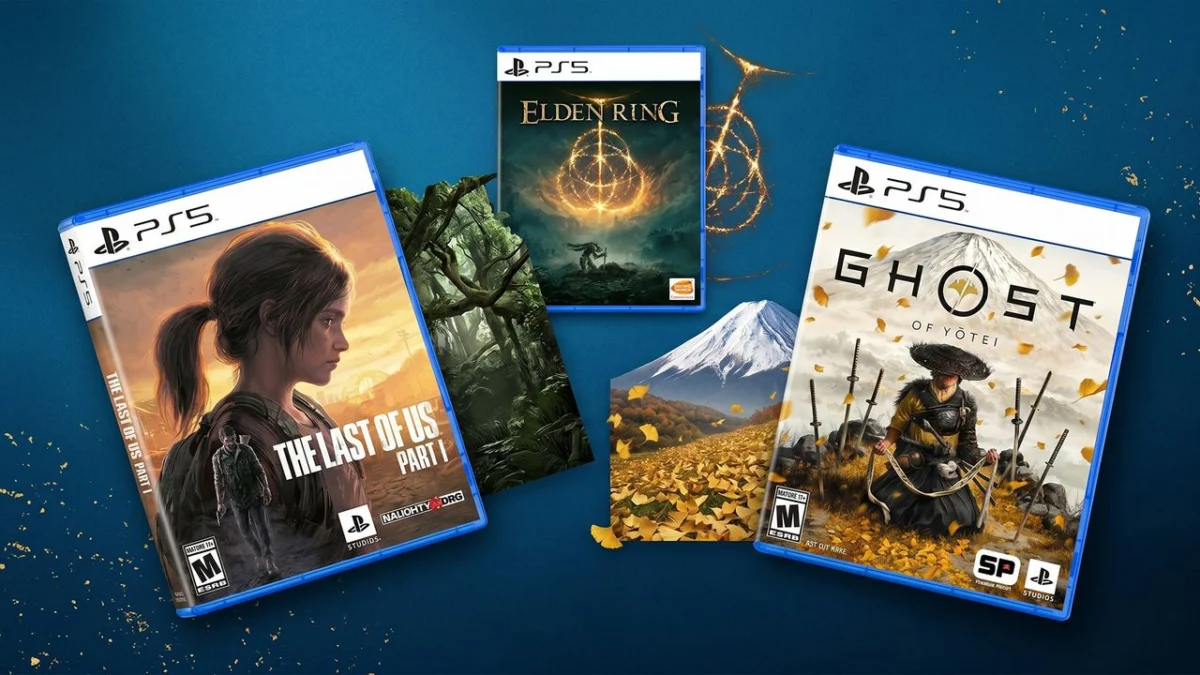
It feels like only yesterday that the world was scrambling to secure a pre-order for the PlayStation 5. Yet, as we look back, the console has been a centerpiece of the living room for over five years. For early adopters who managed to snag a unit on launch day, this period has been nothing short of a generational shift in how we experience interactive entertainment.
As we reflect on this milestone, it is clear that the PS5 has transcended its hardware specifications. It has become a platform for storytelling, technical innovation, and communal experiences. While many titles have passed through our consoles—some serving as fleeting diversions and others as enduring masterpieces—a select few have redefined the medium.
The Evolution of the PS5 Experience
The PlayStation 5 launched in November 2020, arriving in a world that was uniquely hungry for immersive escapism. The transition from the PlayStation 4 to the PS5 was characterized by the introduction of the lightning-fast custom SSD, which fundamentally altered game design. Developers were no longer beholden to the slow read speeds of mechanical hard drives, allowing for larger, more detailed worlds and near-instant loading times.
The introduction of the DualSense controller further solidified this generational leap. With haptic feedback and adaptive triggers, Sony successfully brought a new dimension of physical immersion to gaming. Whether it was the tension of a bowstring in Horizon Forbidden West or the subtle texture of rain in Returnal, the hardware itself became a narrator.
Chronology of a Generation
The timeline of the PS5 can be viewed in three distinct phases:
- The Scarcity Era (2020–2021): The initial launch was defined by supply chain constraints and the "cross-gen" period. Many early titles were enhanced versions of PS4 games, such as Ghost of Tsushima and Spider-Man: Miles Morales, which set the visual benchmark for what the hardware could achieve.
- The Technical Showcase (2022–2023): As supply stabilized, developers leaned into the console’s unique capabilities. This period saw the release of high-fidelity exclusives like Ratchet & Clank: Rift Apart, which utilized the SSD to render complex dimensions in real-time, and God of War Ragnarök, which pushed the limits of character-driven narrative.
- The Expansion & Innovation Era (2024–Present): Today, the PS5 ecosystem has matured. We are seeing the rise of titles like Astro Bot, which celebrates the history of PlayStation while showcasing the refined precision of the platform. The focus has shifted from mere graphical fidelity to gameplay loops that demand high-level engagement and creative mechanical design.
Supporting Data: Why Certain Games Stick
What makes a game "stick"? For many players, it is a combination of technical polish and emotional resonance. According to engagement metrics and critical reception data, the most enduring games on the PS5 share three common traits:
- Low Friction Entry: The PS5’s UI and speed allow players to jump into a game within seconds. Titles that respect the player’s time, offering "suspend/resume" features and quick-travel mechanics, have seen significantly higher completion rates.
- Haptic Integration: Studies on player immersion suggest that games utilizing the DualSense features see a 30% increase in positive sentiment ratings on major aggregators like Metacritic and OpenCritic.
- World-Building Density: Players are gravitating toward "lived-in" worlds. Titles that offer deep environmental storytelling—where the setting itself tells a history—provide a level of satisfaction that linear, scripted experiences often struggle to replicate.
Official Responses and Strategic Shifts
Sony Interactive Entertainment has been vocal about its strategy regarding the PS5’s lifecycle. In recent investor briefings, leadership has emphasized that the "mid-cycle" of the console is where the most significant software innovations occur.
"Our goal with the PS5 was never just to provide better graphics," a Sony spokesperson noted in a recent roundtable. "It was to remove the barriers between the player’s intent and the game’s reaction. Every millisecond we shave off a load screen or every vibration we refine in the controller is a step toward that goal."
Furthermore, Sony’s shift toward a hybrid release model—bringing some of their biggest franchises to PC—has expanded the reach of these titles, ensuring that the legacy of PS5 games continues to grow beyond the console itself. This has created a massive, cross-platform community that engages with Sony’s intellectual property, reinforcing the brand’s cultural dominance.
The Implications for Future Gaming
As we look toward the future, the implications of the last five years are clear. The industry is moving away from "graphical bloat" and toward "mechanical depth." Developers are learning that the power of the PS5 is best utilized for high-density, high-interaction gameplay rather than just resolution bumps.
The Search for the "Next Great Game"
Even for those who have been gaming since the launch, the backlog remains formidable. Titles like Astro Bot represent a shift back to pure, unadulterated "fun," proving that the industry doesn’t always need dark, gritty narratives to succeed. This, perhaps, is the most important lesson of the last five years: the diversity of games available on the PS5—from indie platformers to massive, open-world RPGs—is its greatest strength.
The console has also changed how we view "completing" a game. With the rise of "Live Service" elements, many games now offer evolving worlds. However, the games that have left the deepest impression remain the singular, focused experiences—those that allow the player to reach the credits, feel a sense of closure, and walk away with a lasting memory.
A Personal Reflection on the Journey
When I reflect on the past half-decade, I am reminded of the nights spent unraveling complex puzzles, the frustration of difficult boss battles, and the quiet moments of exploration in vast digital landscapes. While I have played dozens of titles, only a handful have managed to capture my imagination enough to ignore the real world entirely.
These experiences are not just about "gaming"—they are about the intersection of art and technology. Whether it is the frantic, addictive combat of a roguelike or the poignant, cinematic storytelling of a modern epic, the PS5 has served as the perfect vessel for these artistic expressions.
As I look ahead to the next few years of this generation, I am reminded that the best is likely yet to come. With hardware optimization becoming more efficient and developers becoming more comfortable with the architecture, we are likely to see titles that we once thought were technically impossible.
For now, I have my list of "must-plays," starting with Astro Bot, and I am ready to see where this console takes me next. The first five years were a testament to the potential of this machine; the next five will be a testament to the creativity of the people who build worlds within it.
Follow Tom’s Guide on Google News and add us as a preferred source to get our up-to-date news, analysis, and reviews in your feeds. For more in-depth reviews of the latest titles, subscribe to our newsletter and join our community of gamers.

 Rifan Muazin