Rifan Muazin
Published Jun 19, 2026, 8:00 PM EDT
By Thomas Hindmarch
The end of the world has been depicted in cinema countless times, often with a spectacle of destruction, heroic last stands, or desperate attempts at survival. Yet, amidst the cacophony of CGI-laden blockbusters, a profoundly intimate and quietly devastating Canadian film from 1998 offers a starkly different, perhaps more human, vision of humanity’s final hours. Don McKellar’s Last Night, a cinematic gem often overlooked outside its country of origin, is now readily available for rediscovery on Prime Video, offering a timely and poignant reflection on what truly matters when everything is about to vanish.
Far from a typical disaster movie, Last Night strips away the grandiosity of global catastrophe to focus on the intricate, often mundane, and deeply personal responses of individuals facing an inescapable demise. It is a film that challenges viewers to confront their own mortality and priorities, asking not how the world ends, but how we choose to live – or die – within its final breaths. With an ensemble cast that reads like a who’s who of Canadian talent, including a then-emerging Sandra Oh, veteran Callum Keith Rennie, and even an unexpectedly poignant turn from director David Cronenberg, the film transcends its humble origins to deliver a universal narrative of loss, longing, and reluctant acceptance.
Main Facts: A Canadian Cinematic Jewel Unveiled
Last Night is a 1998 Canadian drama, written and directed by Don McKellar, which posits a unique premise: the world is set to end in precisely six hours due to an unspecified celestial event. Unlike conventional apocalyptic thrillers, McKellar’s film eschews the "how" for the "what next," delving deep into the psychological and emotional landscapes of its characters in Toronto as they navigate their final moments. The impending doom is a known, accepted fact, having passed through stages of panic and riot, leaving behind a city grappling with a quiet, surreal resignation.
The film distinguishes itself by not being a story of survival, but rather one of final choices. There are no heroes attempting to avert the disaster; instead, the narrative focuses on ordinary people making extraordinary decisions about how to spend their last night on Earth. From hedonistic abandon to quiet reflection, desperate searches for connection to profound isolation, Last Night paints a mosaic of human responses. Its tone, often mislabeled as a "black comedy," is more accurately described as a bittersweet drama – occasionally punctuated by dark humor, but ultimately imbued with a deep sense of melancholy and existential inquiry.
While a critical darling in Canada, earning multiple Genie Awards (Canada’s equivalent of the Oscars) and widespread acclaim, Last Night remained relatively obscure on the international stage. This disparity underscores a common challenge for independent, non-Hollywood productions, especially those that defy genre conventions. Its rediscovery on a global streaming platform like Prime Video is a significant opportunity for a broader audience to experience what many consider one of the most intelligent and emotionally resonant apocalyptic films ever made. The film’s core strength lies in its profound humanity, its ability to explore the fragility of existence and the enduring power of human connection, even at the precipice of oblivion.
Chronology of the Final Six Hours: A City’s Last Breath
The narrative of Last Night unfolds over a compressed, real-time period of six hours, beginning at dusk on the eve of the apocalypse. The world’s end is not a sudden, unforeseen catastrophe; it has been anticipated for long enough that society has largely processed the initial shock and panic. The sky, perpetually bathed in an eerie, unnatural twilight, glows with the ominous presence of a second, dying sun – the celestial object hurtling towards Earth. This perpetual, unsettling illumination casts a dreamlike quality over Toronto, a city teetering between normalcy and surreal chaos.
The Initial Reverberations of Doom:
As the film opens, Toronto is a city in flux. Public services are largely defunct, businesses are abandoned, and the streets are a mix of quiet desolation and pockets of frantic, often celebratory, activity. The initial waves of riots and widespread panic have subsided, replaced by a more subdued, yet profoundly unsettling, atmosphere. Some residents have chosen to spend their final hours in quiet reflection with loved ones, while others have embraced hedonism, treating the apocalypse like the wildest New Year’s Eve imaginable. The background hum of radio broadcasts and snippets of conversation provide exposition, confirming the inescapable nature of the impending event and the various ways people have come to terms with it.
Patrick and Sandra’s Converging Paths:
At the heart of the film’s narrative are Patrick Wheeler (Don McKellar) and Sandra (Sandra Oh). Patrick is a man consumed by a desire for solitude in his final moments. He has meticulously planned his solitary farewell, seemingly having made peace with his fate. His carefully constructed solitude is abruptly shattered when he encounters Sandra. Sandra, desperate and stranded in Patrick’s neighborhood after vandals trash her car, is frantically trying to reunite with her husband, Duncan (David Cronenberg). Her journey across the city becomes intertwined with Patrick’s, transforming his planned isolation into an unexpected odyssey of connection.
Their forced companionship takes them through a series of vignettes, each revealing a different facet of humanity’s response to ultimate doom:
- The Family Gathering: Patrick’s family, including his sister and her children, are engaged in a strained, yet loving, final dinner, trying to maintain a semblance of normalcy. The children, unaware of the full gravity of the situation, offer a poignant counterpoint to the adults’ despair.
- The Hedonistic Revelers: They encounter groups engaging in public orgies, celebratory looting, and drunken abandon, embodying the "eat, drink, and be merry, for tomorrow we die" philosophy.
- The Philosophical Discourses: Brief, profound encounters with strangers offer glimpses into varied existential reflections, such as the elderly woman’s memorable quote about "the children," which questions the conventional pity directed towards the young.
- Duncan’s Quiet Despair: Sandra’s husband, Duncan, embodies a different kind of resignation. Working as a radio DJ, he continues to broadcast music and poignant messages, offering comfort and a shared sense of finality to the city. His calm, almost detached acceptance contrasts sharply with Sandra’s desperate need for reunion.
The Ticking Clock and Final Decisions:
As the hours dwindle, the stakes intensify. Patrick and Sandra’s journey is less a quest and more a series of observations, making them audience surrogates in this unfolding human drama. They witness people making last-minute confessions, expressing long-held desires, or simply embracing the quiet dignity of their impending end. The film masterfully builds tension not through external threats or explosions, but through the inexorable march of time and the mounting emotional weight of each character’s final choices.
The climax arrives as the final moments approach. Toronto gathers, some in public celebration, others in private communion, all looking up at the intensifying glow in the sky. The film culminates in a deeply moving, silent tableau as the characters, and indeed the entire city, collectively face their inevitable end, each in their own way finding a form of peace or desperate resignation. It is a powerful, understated ending that resonates long after the credits roll, leaving viewers to ponder their own answers to the film’s profound questions.
Supporting Data: The Artistry Behind the Apocalypse
Last Night is not just a compelling narrative; it’s a meticulously crafted piece of cinema that derives its power from astute directorial choices, exceptional performances, and a profound thematic depth.
Critical Acclaim and Awards:
Domestically, Last Night was a resounding success. It garnered eight Genie Award nominations, winning three: Best Direction and Best Screenplay for Don McKellar, and Best Actress for Sandra Oh. This recognition underscored its status as a significant work in Canadian cinema, praised for its originality, emotional intelligence, and McKellar’s distinct voice. Internationally, it premiered at the Cannes Film Festival, receiving critical accolades though not achieving the same widespread commercial success as some of its Hollywood counterparts. Its presence at such a prestigious festival, however, solidified its artistic merit on a global stage.
Don McKellar’s Vision and Style:
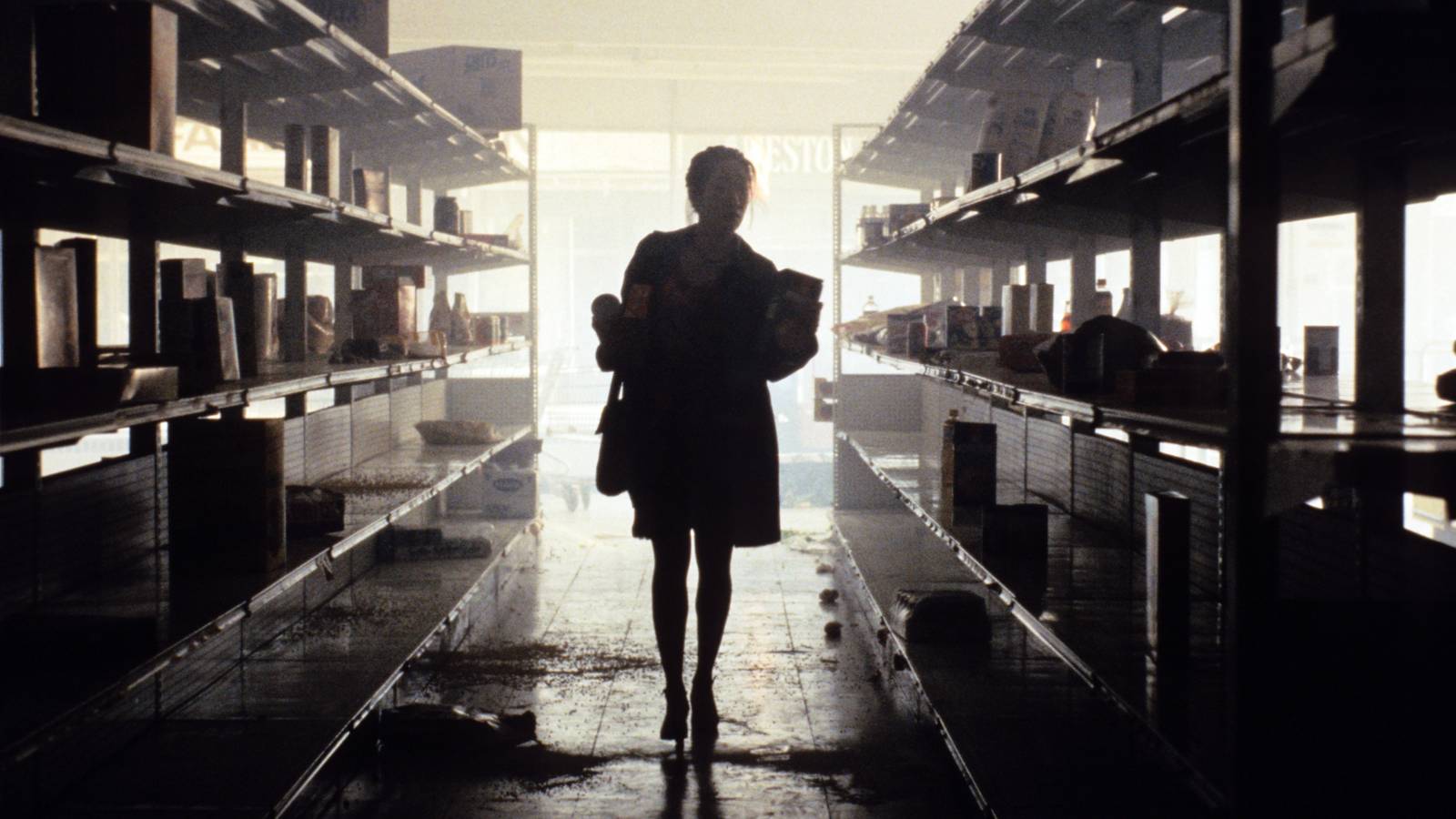
As both writer and director, McKellar imbued Last Night with a singular vision. His directorial style is characterized by a naturalistic, observational approach, favoring character development and dialogue over special effects. The film’s limited budget likely influenced this choice, but it ultimately enhanced its intimate focus. McKellar’s screenplay is sharp, witty, and deeply empathetic, allowing for moments of dark humor to coexist with profound sadness. He masterfully balances the grandiosity of the apocalypse with the trivialities of everyday life, highlighting the absurdity and beauty of humanity in equal measure. The ambiguous nature of the apocalypse itself – never explicitly explained – forces the audience to concentrate on the human reactions rather than the scientific details, making the film’s message universally applicable.
The Ensemble Cast’s Impact:
The strength of Last Night lies heavily in its stellar ensemble:
- Sandra Oh (Sandra): Her performance as the desperate yet resilient Sandra is a standout, showcasing the raw emotional depth that would later define her career in projects like Grey’s Anatomy and Killing Eve. She grounds the fantastical premise in genuine human emotion, making her quest for reunion intensely relatable.
- Don McKellar (Patrick): As Patrick, McKellar delivers a nuanced portrayal of a man seeking solitude but finding unexpected connection. His understated performance anchors the film, providing a quiet intensity that draws the audience in.
- David Cronenberg (Duncan): The legendary horror director’s turn as Duncan is surprisingly tender and reflective. His calm, almost soothing voice as a radio DJ broadcasting until the very end adds a layer of surreal comfort to the impending doom, showcasing a rarely seen, gentle side of the filmmaker.
- Sarah Polley (Jennifer): Polley’s portrayal of a young woman grappling with her own choices and a difficult past offers another poignant perspective on facing the end.
- Geneviève Bujold (Mrs. Burns): Her character delivers the film’s most memorable quote, challenging conventional wisdom about pitying children, a moment that encapsulates the film’s provocative philosophical underpinnings.
Cinematography and Setting:
The film’s visual language is crucial. The constant, unnatural "midday" lighting, even at night, creates an eerie, surreal atmosphere that perfectly complements the narrative. It’s a subtle but powerful visual metaphor for a world out of joint, a final, prolonged dawn before eternal night. Toronto itself acts as a character, its streets and landmarks providing a familiar yet alien backdrop for the unfolding drama. McKellar uses the city’s architecture and urban spaces to reflect the various states of abandonment and desperate vitality.
Thematic Depth and Philosophical Inquiry:
Last Night is rich with profound themes:
- Existentialism: The film forces characters (and viewers) to confront their existence, purpose, and choices when faced with an absolute deadline. It explores the meaning of life when death is certain and imminent.
- Human Connection vs. Isolation: The central dynamic between Patrick and Sandra epitomizes this tension. While some seek profound connection, others crave absolute solitude, highlighting the diverse ways humans cope with ultimate vulnerability.
- Acceptance and Grief: The characters are depicted in various stages of grief – from initial denial and anger (manifested in earlier riots, now subsided) to bargaining, depression, and ultimately, acceptance. The film suggests that true peace might only be found in letting go.
- The Mundane in the Face of the Monumental: One of the film’s most striking aspects is how everyday desires and frustrations persist. Sandra still wants to get home, people are still trying to settle scores, and ordinary conversations about life’s disappointments continue, even as the world literally ends. This juxtaposition underscores the persistent, sometimes absurd, nature of human experience.
- The "Children" Quote: The elderly woman’s monologue, "People are always saying, ‘The children. Pity the children.’ I’m tired of the children. They haven’t lived, given birth, watched their friends die. I have invested 80 years in this life. The children don’t know what they’re missing," is a potent example of the film’s willingness to challenge sentimental notions of death. It forces a deeper consideration of the value of a lived life, regardless of its length.
Comparisons and Distinctions:
While often compared to other "end of the world" films like Seeking a Friend for the End of the World (which is indeed a comedy), Last Night stands apart. It lacks the overt humor of the former and the grand, operatic despair of films like Lars von Trier’s Melancholia. Instead, it occupies a unique space, closer to a character study or an observational documentary. It avoids the typical Hollywood tropes of heroism, last-minute scientific solutions, or special effects extravaganzas. Its focus remains steadfastly on the human condition, making it a powerful counterpoint to the more action-oriented disaster genre.
Official Responses: The Filmmaker’s Intention and Cultural Resonance
While direct "official responses" in the journalistic sense (like government statements) are not applicable to a film review, we can interpret the "official response" as the artistic intention of the filmmaker and the critical reception within its cultural context.
Don McKellar’s Artistic Intent:
Don McKellar’s decision to make Last Night was a deliberate departure from conventional apocalyptic narratives. His intention was clearly not to explore the spectacle of destruction, but rather the quiet, internal landscape of humanity facing its final curtain. In interviews around the film’s release, McKellar often spoke about his fascination with how individuals would truly react when given an undeniable deadline. He sought to explore the various coping mechanisms – from profound connection to extreme isolation, from frantic hedonism to serene acceptance – without judgment. The ambiguity of the apocalypse itself was a conscious choice, allowing the focus to remain squarely on the human drama rather than sci-fi exposition. McKellar envisioned a film that was both deeply personal and universally resonant, a reflection on mortality that transcended cultural boundaries. His background in independent Canadian cinema, often characterized by its introspective and character-driven approach, perfectly suited this artistic ambition.
The Actors’ Engagement:
The ensemble cast, particularly Sandra Oh and David Cronenberg, approached their roles with a profound understanding of the film’s unique premise. Oh, in particular, conveyed Sandra’s raw vulnerability and fierce determination to reunite with her husband, grounding the fantastical scenario in relatable human emotion. Cronenberg, known for his cerebral and often disturbing films, brought an unexpected tenderness to his role as the calmly resigned radio DJ. Their performances reflect a collective commitment to McKellar’s vision, prioritizing emotional truth over dramatic exaggeration. The actors likely found the material challenging but rewarding, forcing them to contemplate fundamental questions about life, death, and connection.
Canadian Cultural Context:
Last Night‘s significant success and enduring legacy in Canada also speaks to a particular cultural resonance. Canadian cinema often grapples with themes of identity, introspection, and the human condition in a way that can be more subtle and less overtly dramatic than Hollywood productions. The film’s understated approach to the apocalypse, its focus on individual stories within a shared urban landscape (Toronto), and its willingness to embrace ambiguity, align well with certain sensibilities in Canadian storytelling. It offered a distinctly Canadian perspective on a universal theme, earning it a place of pride in the nation’s filmography. The film’s success became a testament to the power of independent Canadian filmmaking to produce works of profound artistic and philosophical merit.
Implications: Enduring Relevance in a World of Uncertainty
Almost three decades after its initial release, Last Night remains strikingly relevant, perhaps even more so in an era defined by global anxieties and existential threats. Its reappearance on Prime Video offers a vital opportunity for a new generation of viewers to engage with its profound questions.
Enduring Relevance in an Age of Anxiety:
In a world grappling with climate change, pandemics, geopolitical instability, and a pervasive sense of impending doom, Last Night‘s exploration of humanity’s final hours feels less like science fiction and more like a poignant mirror. The film’s depiction of a society moving past initial panic into a state of resigned acceptance, punctuated by moments of both profound connection and desperate isolation, resonates deeply with contemporary experiences. It reminds us that even when faced with overwhelming global crises, our most immediate concerns often remain intensely personal: our relationships, our regrets, our unfulfilled desires, and our longing for peace.
The Power of Rediscovery on Streaming Platforms:
The availability of Last Night on Prime Video is crucial for its legacy. Many exceptional independent and international films from past decades risk fading into obscurity without accessible distribution channels. Streaming platforms provide a lifeline, allowing these cinematic treasures to be discovered by new audiences who might never encounter them otherwise. For Last Night, this means a chance for its nuanced storytelling and powerful performances to reach beyond its Canadian roots and influence a broader global conversation about the apocalypse genre and the human condition.
Influence on the Apocalyptic Genre:
While not a blockbuster, Last Night has quietly influenced subsequent character-driven apocalyptic dramas. Its emphasis on psychological depth, ethical dilemmas, and the emotional toll of impending doom has provided a blueprint for films seeking to move beyond mere spectacle. It demonstrated that the most impactful stories about the end of the world are often those that focus on the quietest moments, the most intimate decisions, and the enduring humanity of individuals. Its legacy lies in proving that a small, independent film can offer a more profound meditation on global catastrophe than any large-budget production.
A Call to Personal Reflection:
Ultimately, Last Night is a film that demands introspection. It subtly but powerfully prompts viewers to ask themselves: "What would I do? Who would I be with? What would truly matter?" It is a film that encourages a re-evaluation of priorities, a contemplation of life’s preciousness, and an appreciation for the simple act of connection in a world that often feels fragmented.
For those seeking an apocalyptic film that eschews explosions for existential introspection, that prioritizes character over spectacle, and that lingers in the mind long after the credits roll, Don McKellar’s Last Night is an essential watch. Its availability on Prime Video is not just an opportunity to watch a movie; it is an invitation to engage with a timeless and deeply moving meditation on what it means to be human, even as the clock ticks down to zero. Take a night, settle in, and allow this understated masterpiece to gently, yet profoundly, shatter your perception of the end.


 Lina Irawan
 Sagoh
Sagoh