Muslim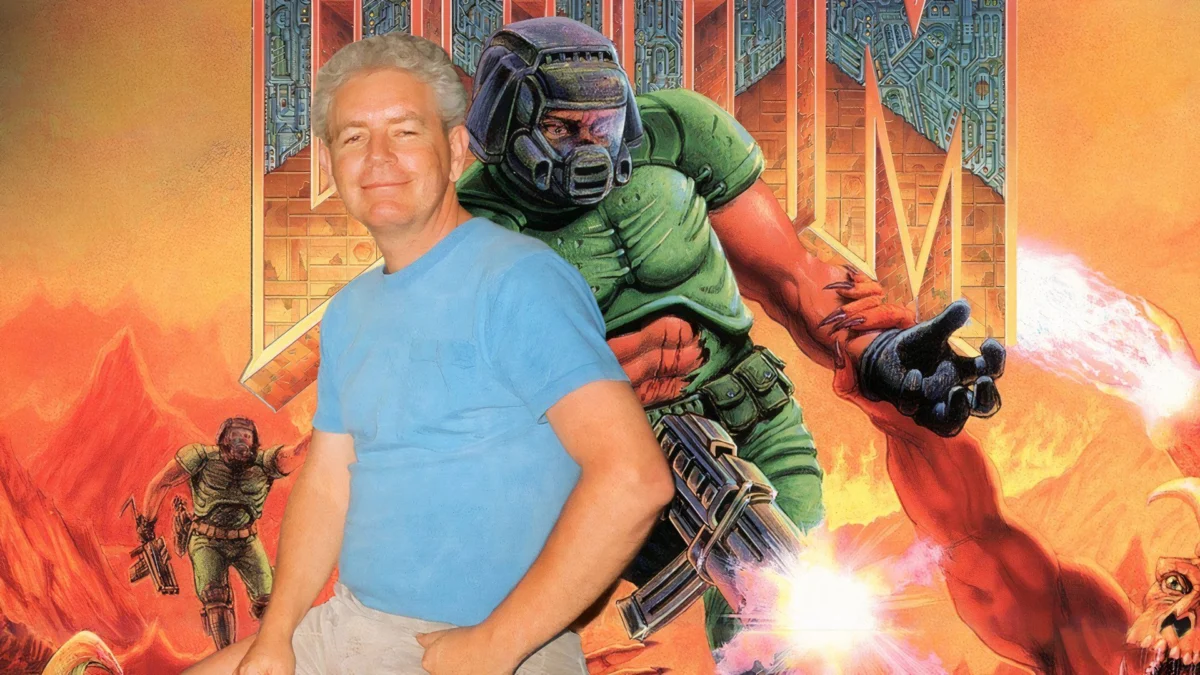
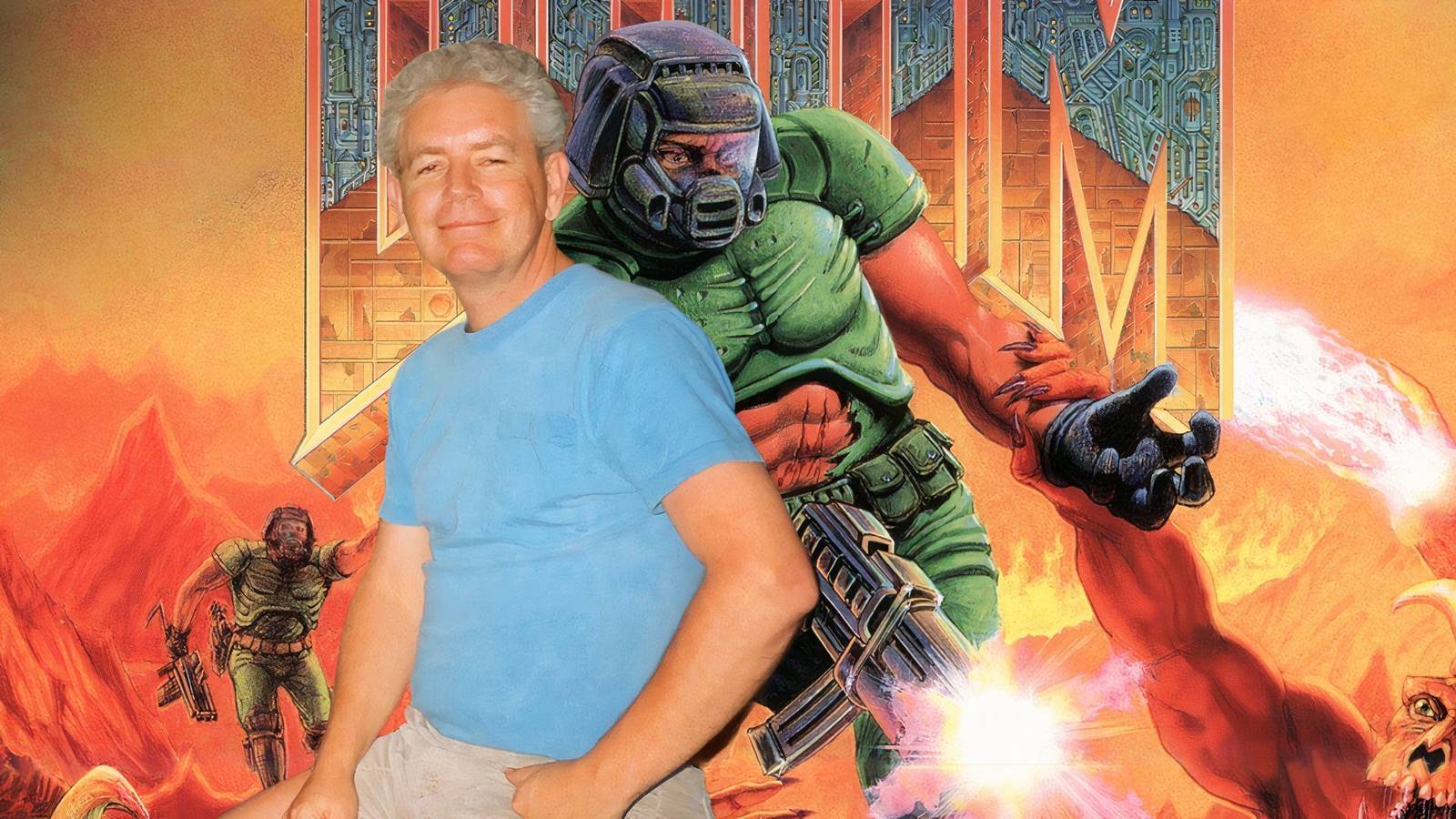
The video game industry mourns the loss of a true pioneer. On Tuesday, June 16, 2026, Robert Caskin "Bobby" Prince III, the iconic sound designer and composer whose heavy-metal-infused scores defined the golden age of PC gaming, passed away at the age of 81. While his name may not be as immediately recognizable to the casual observer as the developers he worked alongside, his auditory fingerprints are etched into the foundation of modern gaming culture.
Prince was more than just a musician; he was a multi-faceted professional who balanced the roles of composer, attorney, and veteran. His work on the 1993 groundbreaking first-person shooter Doom did more than just provide a backdrop for pixelated demon-slaying—it established a template for atmospheric intensity that continues to influence sound design in the medium today.
A Life of Service and Sound
Before the synthesizers and the MIDI files, Prince’s life was defined by duty. Born and raised in Georgia, he cultivated a deep love for music early on, performing in various community bands. However, the trajectory of his life shifted during the late 1960s. From 1969 to 1970, Prince served as a Platoon Leader in the Vietnam War. This period of intense, life-altering experience would later inform the grit and urgency he brought to his compositions.
Following his honorable service, Prince pivoted to the legal profession, becoming an attorney. This blend of analytical, disciplined legal training and creative musical passion created a unique professional profile that allowed him to navigate the nascent and often chaotic video game industry of the early 1990s with a rare degree of professional clarity.
The id Software Era: A Chronology of Innovation
Prince’s entry into the gaming world in 1991 was serendipitous. His collaboration with id Software began with the pioneering MS-DOS title Catacomb 3-D. At the time, the industry was still experimenting with how to integrate music and sound effects effectively within the constraints of early PC hardware.
The Doom Paradigm
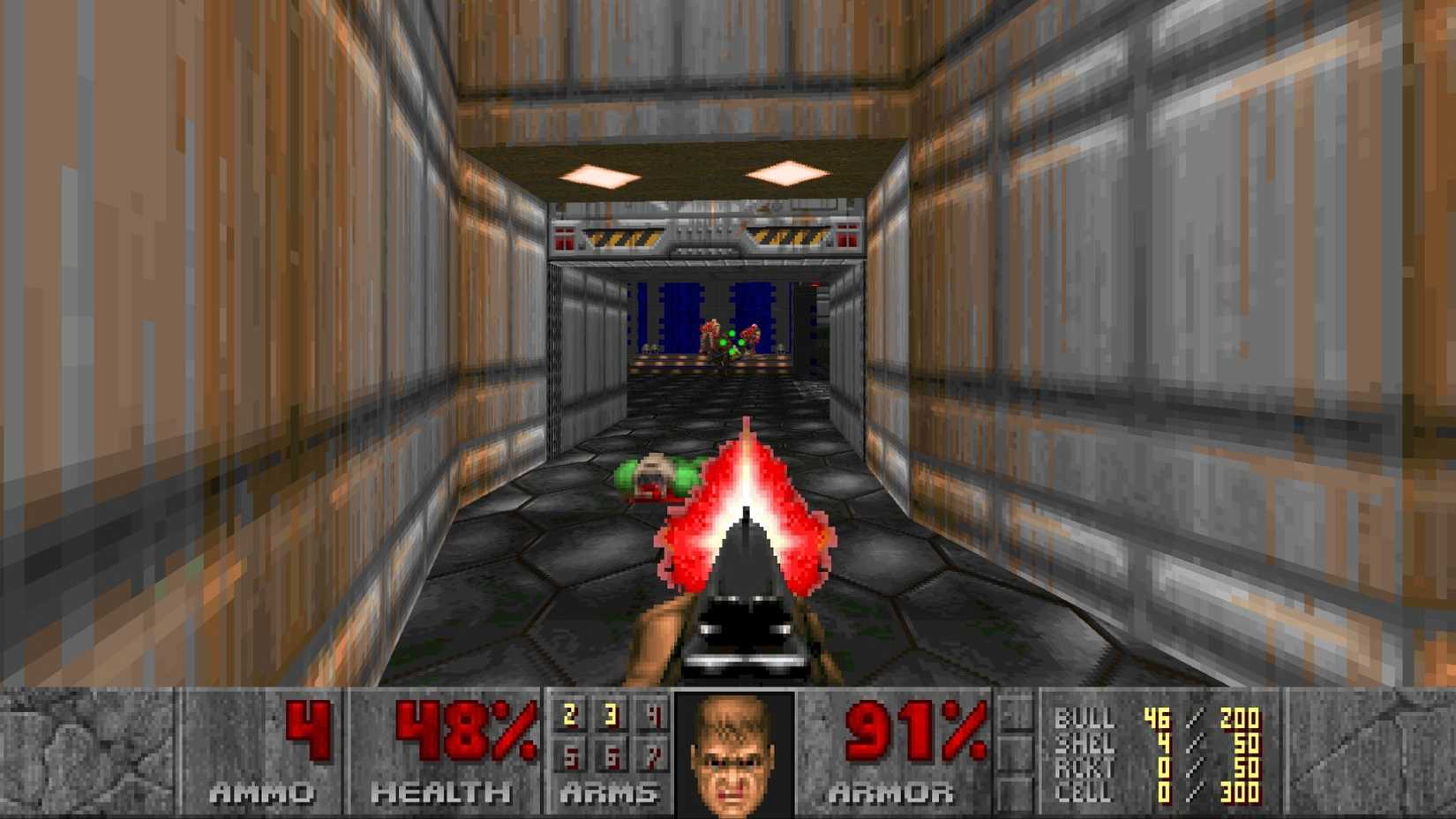
The crown jewel of Prince’s career remains the soundtrack for Doom (1993). Drawing inspiration from heavy metal bands—most notably Slayer and Metallica—Prince crafted a score that perfectly matched the visceral, high-octane gameplay of the title. It was the first time a game’s soundtrack felt like a character in its own right, driving the player’s pulse and heightening the tension of every corridor crawl.

Following the immense success of Doom, Prince became the go-to composer for the era’s most aggressive and innovative titles. His portfolio expanded to include:
- Wolfenstein 3D (1992): Establishing the tension of stealth and combat.
- Duke Nukem II (1993): Showcasing his versatility in platformer-style action.
- Duke Nukem 3D (1996): Providing the iconic, swaggering rock themes that fit the protagonist’s brash personality.
- Duke Nukem 64 (1997): Adapting his soundscapes for the console market.
- Axis & Allies (1998): A departure into more complex, strategic compositions.
His work spanned a decade that saw the industry evolve from basic MIDI beeps to immersive, cinematic experiences. Prince’s ability to maximize the limited memory and audio channels of 90s sound cards is regarded today as a masterclass in creative engineering.
Recognition and Preservation
The industry’s appreciation for Prince’s contribution has only grown over time. In a landmark achievement, just over a month before his passing, the original Doom soundtrack was inducted into the United States Library of Congress National Recording Registry. This prestigious honor places Prince’s work among the most important audio recordings in American history, serving as the third video game score to receive this recognition, following Super Mario Bros. and Minecraft.

This induction serves as a definitive acknowledgment that video game music is not merely an accompaniment to software, but a legitimate, enduring art form. The Library of Congress’s decision highlights the cultural impact of the "Doom sound"—a sound that essentially birthed the aesthetic of the modern action-shooter genre.
Official Responses and Industry Impact
The news of Prince’s passing has triggered an outpouring of grief and respect from the titans of the industry. John Romero, the legendary co-founder of id Software and a primary architect of the Doom franchise, took to social media to express his profound sense of loss.
"Everyone at Romero Games is deeply saddened to learn of the passing of Bobby Prince," Romero wrote on X. "He left an incredible mark on games and on my life."
Beyond the executive offices, the impact is felt by the generation of composers currently working in the medium. Modern sound designers, including those working on the upcoming Doom: The Dark Ages, cite Prince’s early work as a foundational influence. Mick Gordon, who revitalized the Doom series with his 2016 soundtrack, has frequently credited Prince for establishing the "heavy metal" identity of the franchise. Prince’s influence is a living thread that ties the 1993 classic to the current state-of-the-art AAA landscape.
Implications: A Lasting Legacy
After a long hiatus following his work on the 1998 wargame Axis & Allies, Prince returned to the industry in 2014 to score Wrack, a cel-shaded shooter that paid direct homage to the design philosophy of the original Doom. This return marked a final capstone on a career that bookended the most transformative years of PC gaming.
Why His Music Endures
The endurance of Prince’s work can be attributed to its "liminal" quality—it exists in the space between the mechanical limitations of the hardware and the boundless imagination of the player. His scores were designed to be looped indefinitely without becoming tiresome, a feat that requires a deep understanding of rhythm, melody, and player psychology.

As the gaming industry continues to move toward hyper-realistic orchestral scores and dynamic, adaptive audio, the stark, driving, and uncompromising nature of Bobby Prince’s MIDI compositions remains a touchstone of purity. His work is still the definitive soundtrack for anyone looking to understand the "soul" of the first-person shooter.
Conclusion: The Final Note
Bobby Prince’s passing is not just the end of a career; it is the closing of a chapter on an era of gaming that was defined by grit, garage-style ingenuity, and a rebellious spirit. Whether through the halls of a base on Mars or the streets of a futuristic Los Angeles, his music remains a testament to the fact that when technology meets genuine artistry, the result is timeless.
For those who grew up playing on MS-DOS, his music is synonymous with the thrill of discovery and the adrenaline of the digital frontier. While Bobby Prince has left the stage, the echo of his compositions will continue to resonate, ensuring that as long as players continue to "rip and tear," his influence will never be truly silenced. He was, in every sense, the architect of the sound of victory.


 Laily UPN
 Asro
Asro