Laily UPN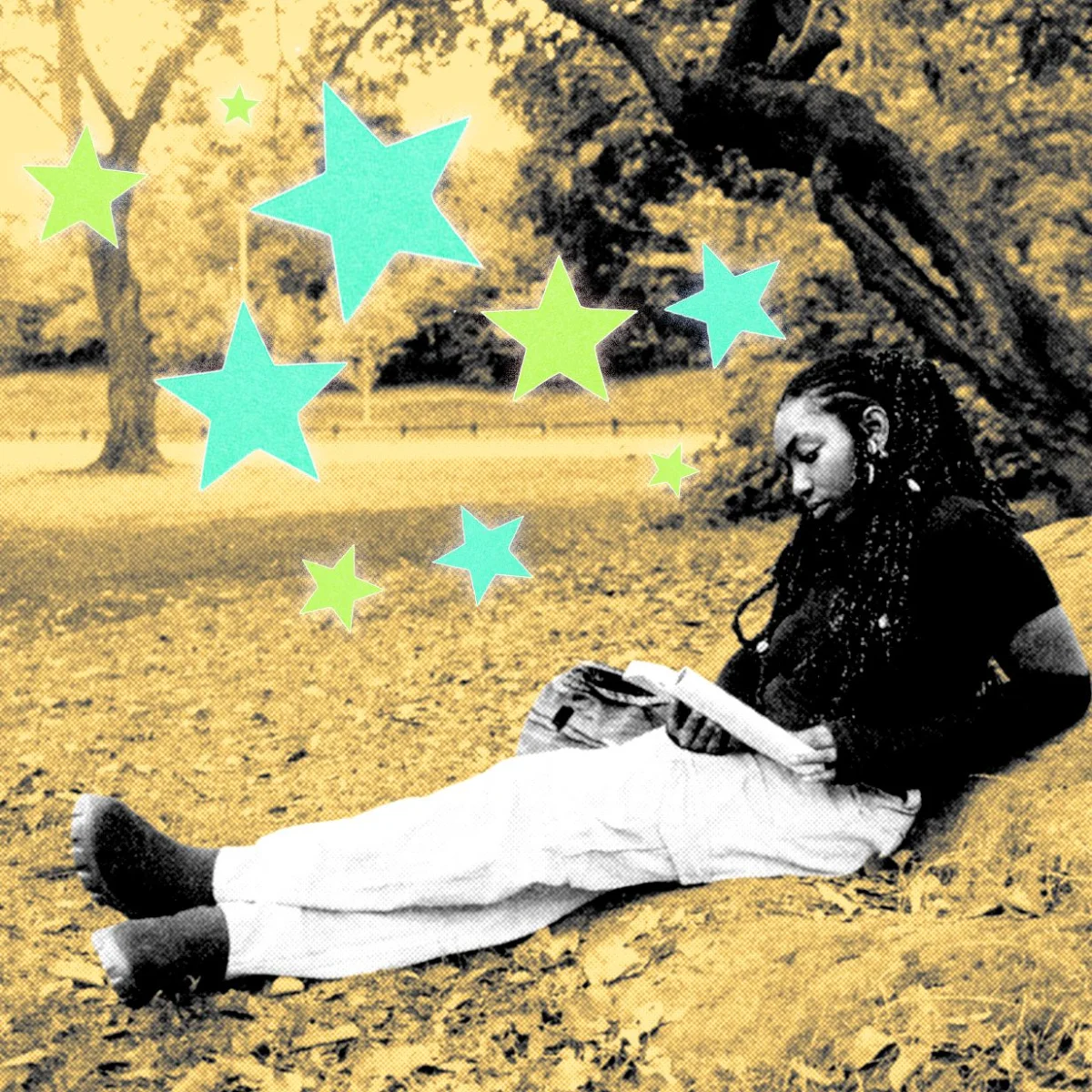
For Carmen Hyden, the decision to remain single wasn’t born from a singular event, but rather a slow, deliberate realignment of her personal values. Emerging from an intense, two-year relationship at the age of 25, the London-based skin therapist found herself at a crossroads. The prospect of entering the modern dating pool—characterized by app fatigue and rising costs—felt not just exhausting, but unnecessary.
Nearly three years later, Hyden, now 28, has become a poster child for a burgeoning cultural phenomenon: "solomaxxing." For her, the term is not a badge of isolation, but a declaration of autonomy. She has traded candlelit dinners and awkward first-date small talk for a regimen of paddleboarding, road cycling, bouldering, and meditative breathwork. Her life is no longer structured around a partner, but around her own growth.
Defining the Trend: What is Solomaxxing?
Solomaxxing—often interchangeably referred to as "singlemaxxing," "alonemaxxing," or "bymyselfmaxxing"—is a lifestyle trend gaining rapid traction among Gen Z. At its core, it is the intentional choice to prioritize independence over romantic entanglement. While the internet is rife with various "maxxing" subcultures—ranging from the aesthetic focus of "looksmaxxing" to the nutritional intensity of "proteinmaxxing"—solomaxxing differentiates itself by focusing on the reclamation of time, resources, and emotional bandwidth.
For many, this is a radical departure from the societal script that dictates marriage and cohabitation as the primary benchmarks of adulthood. Instead of viewing singleness as a "waiting room" for a future partner, proponents of solomaxxing treat it as a terminal, optimized state of being. It is the pursuit of personal excellence, where the primary relationship one cultivates is the one with oneself.
The Chronology of a Cultural Shift
The evolution of solomaxxing can be traced back to the post-pandemic landscape, where social isolation forced a generation to confront the reality of their own company.
- 2022–2023: As the initial shock of global lockdowns faded, Gen Z began to report increasing dissatisfaction with the "dating economy." Digital fatigue from apps like Tinder and Hinge led to a decline in active users, particularly among younger demographics.
- 2024: The "maxxing" lexicon, popularized by niche online communities, began to bleed into the mainstream. Users started documenting their "self-optimization" journeys on TikTok, moving from fitness goals to lifestyle architecture.
- 2025–2026: Economic pressures reached a breaking point. With inflation driving up the cost of living globally, the financial burden of dating became a significant deterrent. Solomaxxing transitioned from a quiet personal choice to a documented social movement, as influencers and ordinary users alike began sharing "solo-date" itineraries and financial breakdowns of life without a partner.
The Economics of Singleness: Why Dating Has Become a Luxury
While advocates like Hyden emphasize the psychological benefits of their lifestyle, the rise of solomaxxing is inextricably linked to the harsh economic realities of the mid-2020s.
According to a 2026 report from the BMO Real Financial Progress Index, the average cost of a date in the United States hit $189—a 12.5 percent increase from the previous year. This surge, fueled by geopolitical instability in the Strait of Hormuz and subsequent inflationary pressure on groceries and transportation, has effectively priced many young people out of the romantic market.
The situation is mirrored in the United Kingdom. Data from a 2025 study by Barclays revealed that the average adult spends roughly £111 ($147) monthly on dating-related expenses, including subscriptions to apps and outing costs. Significantly, 52 percent of Gen Z respondents stated that these costs were a primary reason for their withdrawal from the dating scene.
This financial strain has reached such heights that the dating industry itself has attempted to intervene. Some dating apps have resorted to unorthodox incentives, such as providing free gas vouchers, to motivate users to step out of their homes. However, for many, the cost-benefit analysis simply doesn’t hold up. When the price of a single night out could cover a week’s worth of groceries or a high-quality hobby class, the "value" of a potential romantic connection often loses out to the tangible benefits of personal investment.
The Psychologist’s Perspective: Is Marriage Still the Goal?
Bella DePaulo, a leading social scientist and author of Single at Heart: The Power, Freedom, and Heart-Filling Joy of Single Life, views the rise of solomaxxing as a healthy, long-overdue correction to societal norms.
"For decades, we have been sold the idea that marriage is the ultimate sign of societal and personal stability," DePaulo notes. "People who married were said to have ‘settled down.’ But the irony is that single life, for those who truly embrace it, is inherently stable. It is marriage that is volatile, prone to the instabilities of divorce, separation, or the death of a spouse."
DePaulo argues that Gen Z’s rejection of the "marriage mandate" is a form of emotional maturity. By decoupling their worth from their relationship status, they are creating a life that is resilient. "It is a remarkable twist," she adds. "We are seeing a generation that is no longer looking for someone to complete them, but rather for a life that is already full."
Implications for the Future of Social Structure
The implications of solomaxxing extend far beyond the individual. If a significant percentage of the workforce and the electorate chooses to remain single, the fundamental structures of our society—from housing markets to tax codes—may face pressure to change.
The Housing Market
Traditionally, housing prices have been predicated on the "two-income household" model. As the number of single-person households grows, there is an increasing demand for smaller, more affordable, and community-oriented living spaces that do not rely on the dual-income buffer.
Social Connectivity
Critics often argue that solomaxxing leads to atomization and loneliness. However, proponents argue the opposite. Hyden, for instance, has found that being single has pushed her to expand her social circles through activities like her walking club. "Being alone doesn’t mean being isolated," she explains. "It means no one is triggering you or pulling you out of your own rhythm. It’s about removing the friction of a partnership to focus on the expansion of your own potential."
The Redefinition of "Relationship"
Perhaps the most profound implication of this trend is the broadening of what constitutes a "successful" life. Solomaxxing challenges the hierarchy that places romantic love at the pinnacle of human experience. Instead, it elevates friendship, professional growth, and personal mastery.
Conclusion: A Shift, Not a Symptom
While the "maxxing" terminology may seem like another fleeting trend of the digital age, the substance behind solomaxxing appears to have staying power. It is a response to a world where the traditional path—marriage, home ownership, and a nuclear family—has become increasingly inaccessible or unappealing to a generation burdened by economic uncertainty and a heightened focus on mental well-being.
For Carmen Hyden and millions like her, solomaxxing is not an act of surrender. It is an act of curation. By opting out of the traditional dating grind, they are not opting out of life; they are choosing to live it on their own terms. As DePaulo suggests, this is not a rejection of love, but a re-centering of the self. In an era where the world feels increasingly chaotic, perhaps the most radical thing one can do is build a life that feels entirely, and securely, one’s own.

 Pevita Pearce
 Ammar Sabilarrohman