Nana Wu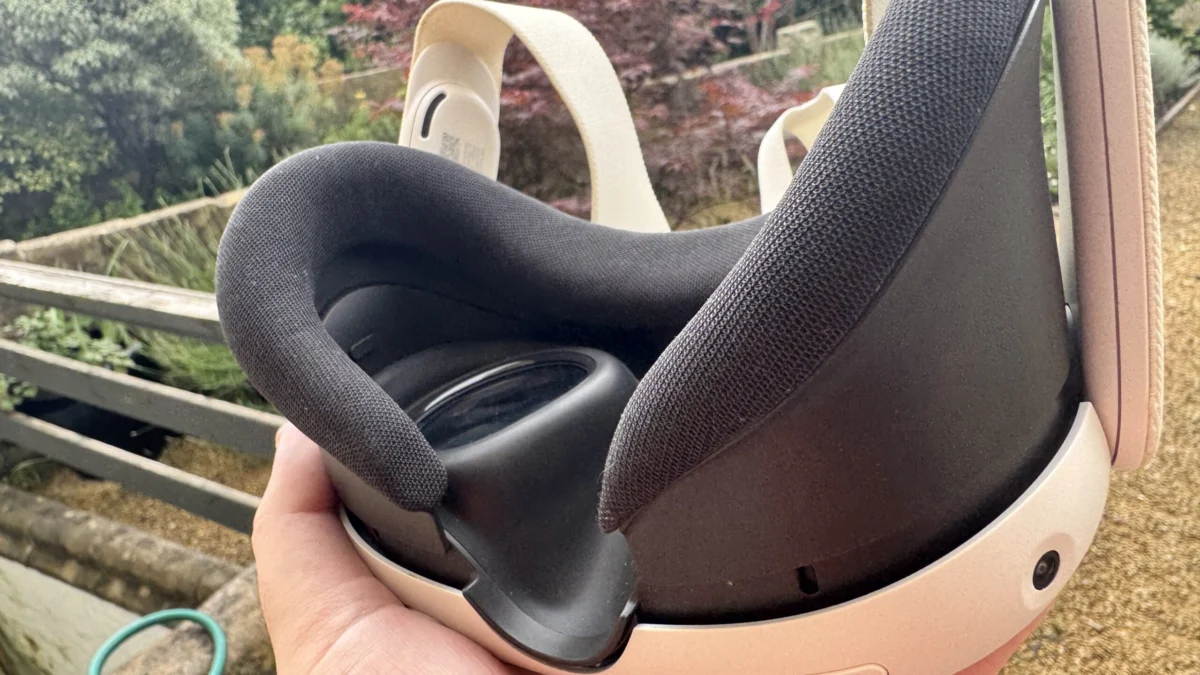
Introduction: The Sunk Cost of Virtual Reality
For many technology enthusiasts, the allure of Virtual Reality (VR) often ends in the same place: a headset gathering dust on a shelf, serving as a reminder of an expensive impulse buy. James Bentley, a hardware writer for PC Gamer, found himself wrestling with this familiar "sunk cost fallacy" regarding his own VR collection. Despite his initial excitement during the 2020 lockdown, he struggled to find a compelling reason to integrate the technology into his daily life long-term.
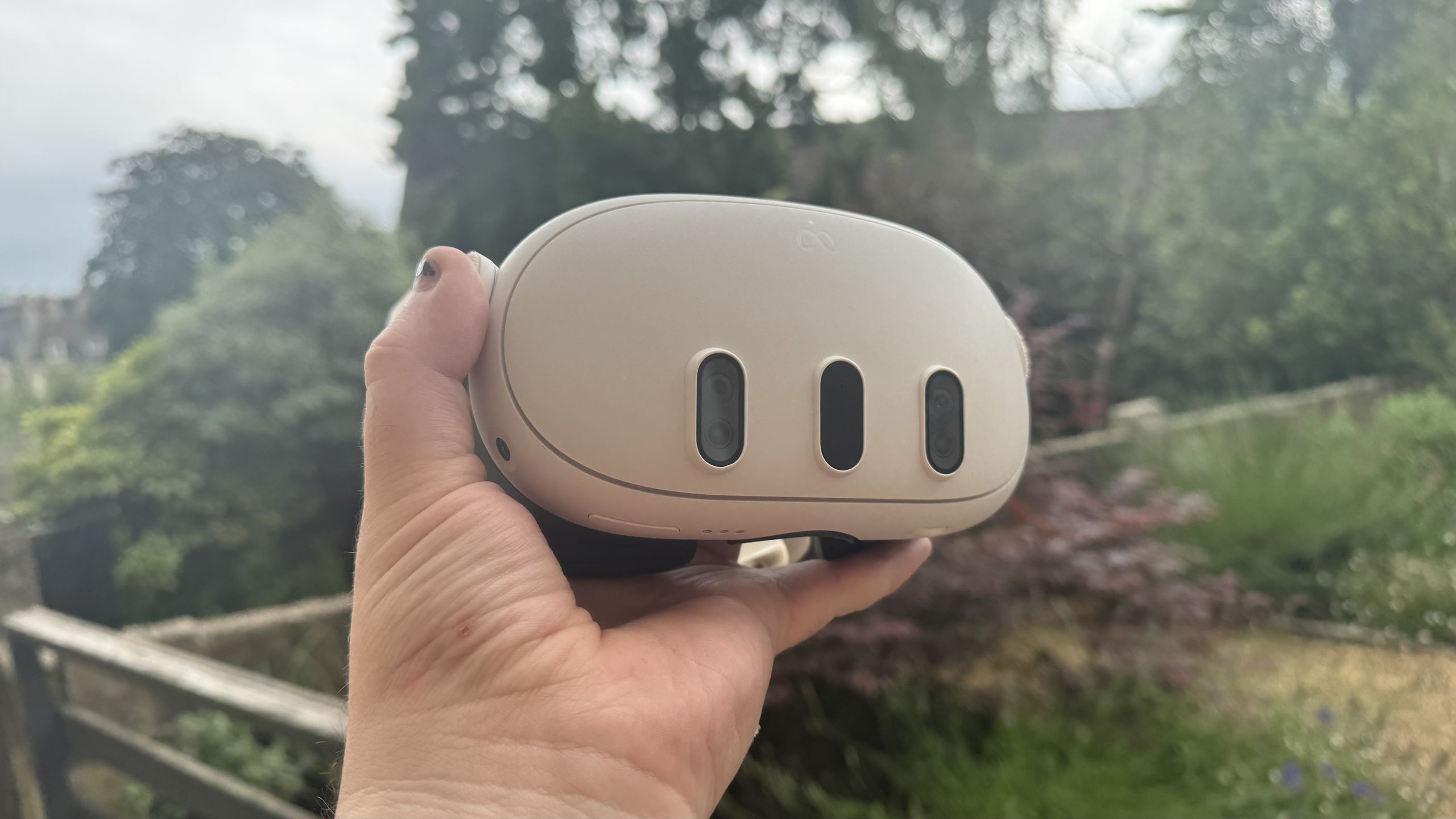
However, the acquisition of a Meta Quest 3—coupled with a radical shift in perspective—has transformed his relationship with the device. By pivoting from pure entertainment to functional fitness, Bentley has managed to turn a piece of hardware that often sits idle into a cornerstone of his daily health routine. This shift underscores a broader trend: as the metaverse hype cycle cools, the practical, tangible applications of VR, specifically in the realm of home fitness, are proving to have the most enduring value for consumers.
The Evolution of the VR Fitness Experiment
At the dawn of 2026, Bentley decided to formalize a commitment to his physical health by using VR as his primary exercise medium. His approach was rooted in the need for convenience. Modern life often leaves little room for the logistics of traditional gym-going: the commute, the social anxiety of public spaces, and the pre-planning required to sustain a routine.
The Initial Phase: Exploration and Habituation
In the first month of his experiment, Bentley was highly experimental, testing various VR fitness applications and workout structures. He quickly discovered that, unlike the vast landscape of VR gaming, his exercise routine required simplicity. He eventually gravitated toward FitXR, a subscription-based platform that provided the structured, low-barrier-to-entry workouts he needed.
The primary lesson from this phase was that consistency trumps variety. By treating his VR headset like a local gym—a reliable, "always-on" facility—he removed the decision fatigue that often leads to skipped workouts. Whether it was a fifteen-minute session during a lunch break or a ten-minute wake-up call in the morning, the ability to "slot in" exercise made a significant difference in his adherence.
Supporting Data: Why VR Works for Fitness
The effectiveness of VR as a fitness tool lies in its psychological impact. The immersive nature of the technology acts as a powerful distraction, enabling users to push through physical discomfort that might otherwise cause them to stop during conventional calisthenics.
The Power of Immersion
Bentley notes that in a VR environment, he frequently finds himself panting and exhausted after thirty-minute sessions, a level of intensity he struggled to reach with traditional home exercise. The gamification of movement—the "scoring" of punches, the dodging of obstacles, and the rhythmic progression of workouts—triggers a flow state that masks the physical strain.
The Financial and Practical Trade-offs
While the convenience is high, the cost is not negligible. Beyond the initial hardware investment, users must contend with:
- Recurring Subscription Costs: Platforms like FitXR command monthly fees, which, while cheaper than luxury gym memberships, add up over time.
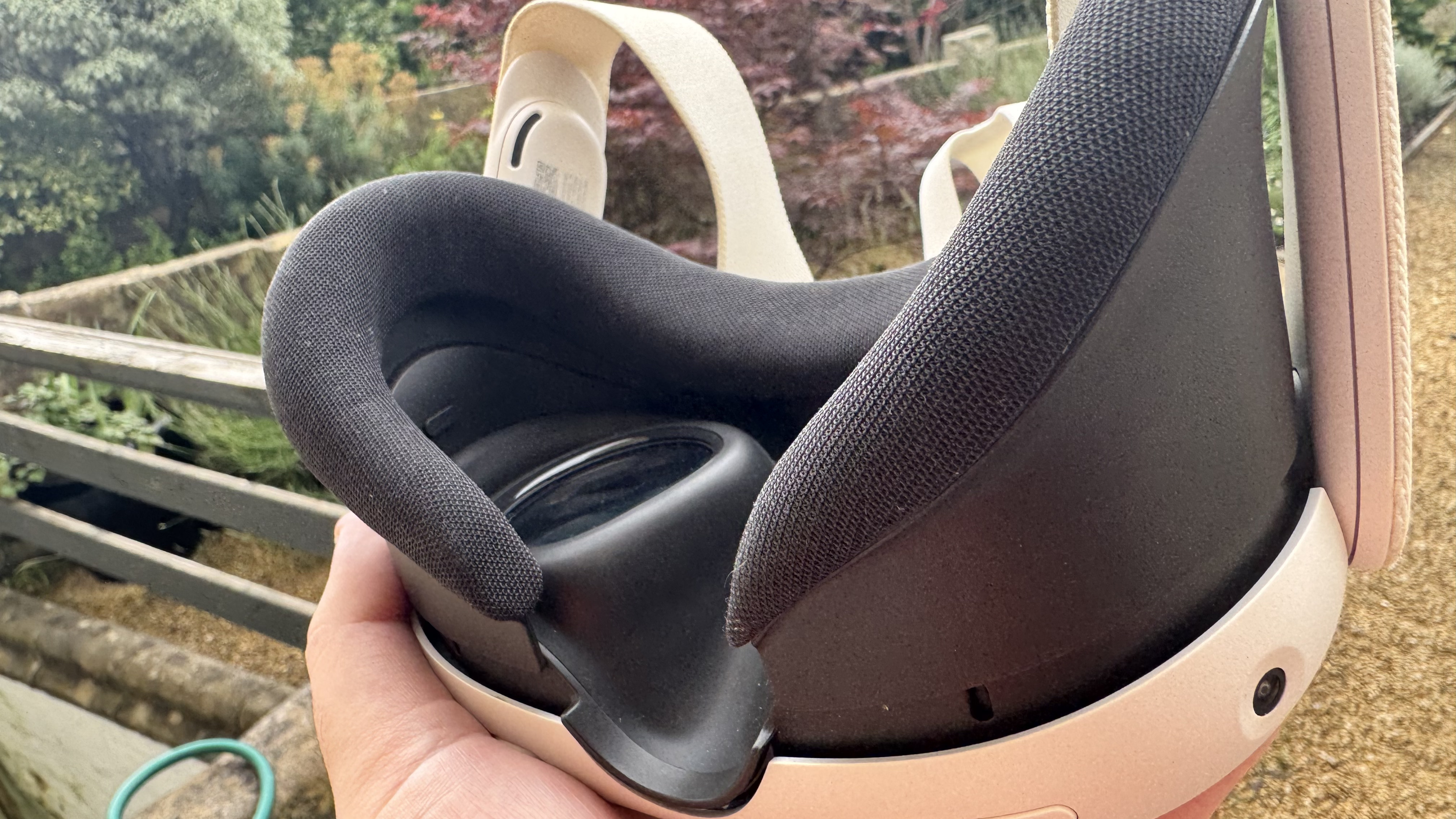
- Hardware Maintenance: A significant downside is the "sweaty faceplate" issue. Regular cleaning, air-drying, and investing in spare facial interfaces are mandatory to maintain hygiene.
- Equipment Limitations: Unlike a physical gym, the VR headset offers no access to heavy weights or specialized resistance machines, limiting the scope of strength training.
Despite these hurdles, the ability to exercise without self-consciousness, in the comfort of one’s own home, has proven to be a decisive factor in sustaining the routine.

Chronology: The Road to Success and Setbacks
Bentley’s journey was not a linear path of progress. It was defined by cycles of motivation, complacency, and realignment.
- January 2026: The launch of the fitness experiment. High initial motivation led to 30-minute daily sessions.
- Spring 2026: A period of "lifestyle integration." The user adopted ground rules—such as the Apple Watch "rings" system—to maintain consistency even on days where he felt less inclined to exercise.
- Summer 2026: The slump. External factors, including the British summer heat, a bout of hay fever, and birthday celebrations, led to a period of complacency.
- The Recovery: Unlike a traditional gym, where missing a week might lead to "gym shame" and eventual quitting, the low barrier of VR allowed him to "get back on the horse" without emotional baggage.
Over this six-month period, Bentley reported a weight loss of approximately 35 pounds. Crucially, he attributes this success not just to the exercise itself, but to the consciousness of the effort. The act of putting on the headset serves as a daily reminder of his health goals.
Official Responses and Industry Context
The landscape of VR gaming is currently in flux. Recent reports indicate that Meta has been shifting its strategic focus away from the "metaverse" and toward AI and wearable technology. The closure of three key VR studios and layoffs within the Reality Labs division have signaled to the market that the company is tempering its expectations for consumer VR gaming.
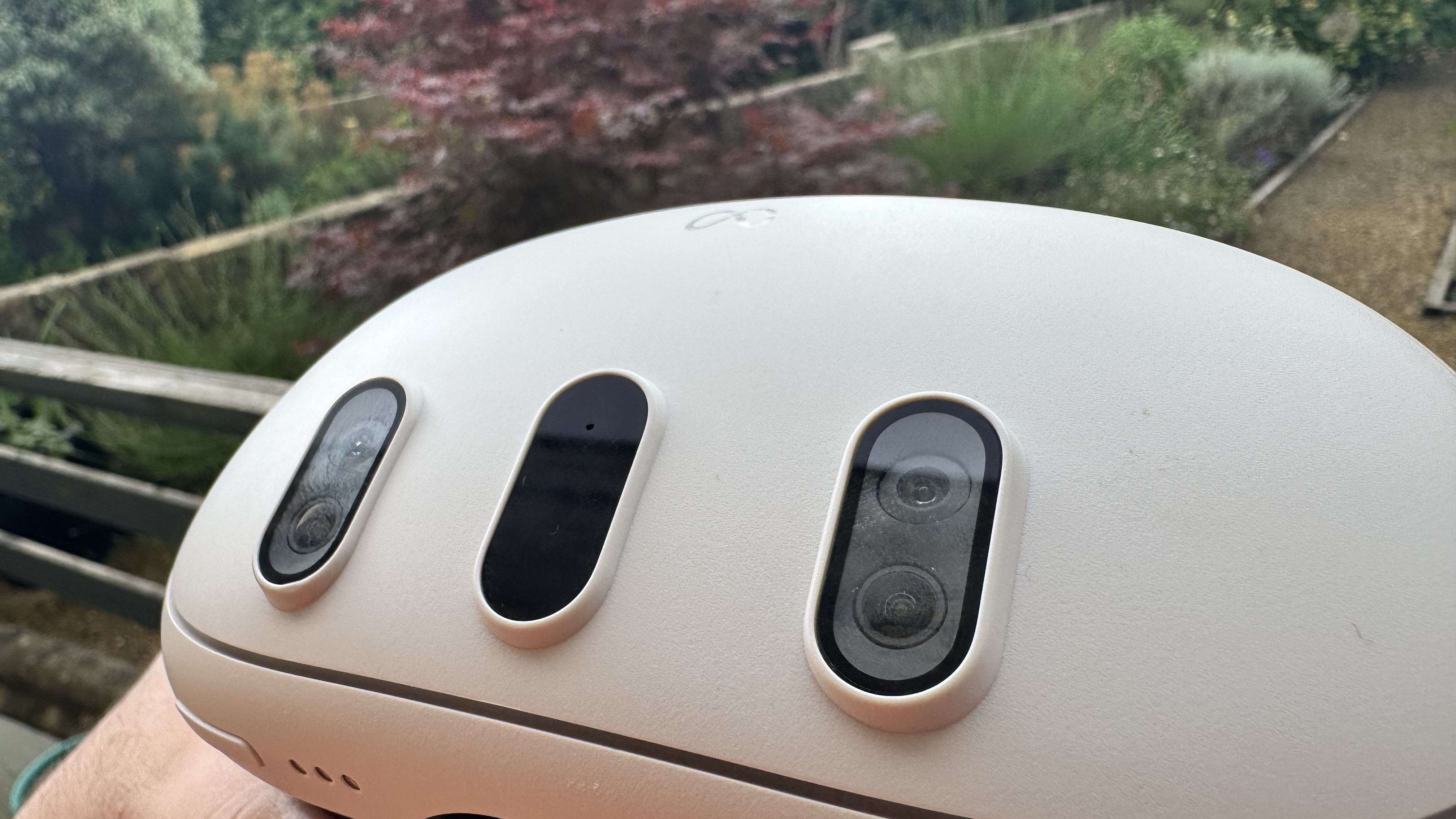
While titles like Asgard’s Wrath and Batman: Arkham Shadow have provided critical acclaim for the platform, the industry is clearly grappling with how to keep users engaged beyond the initial novelty phase. Bentley’s experience suggests that fitness might be the "killer app" the industry has been searching for. By positioning the Quest 3 as a health device rather than just a gaming console, developers may find a more loyal and consistent user base that values utility over high-end entertainment.
Implications for the Future of Home Health
The success of VR fitness holds significant implications for the future of preventative healthcare and personal wellness.
Accessibility and Mental Health
For individuals who feel alienated by the hyper-masculine or high-pressure environment of traditional gyms, VR offers a sanctuary. It allows users to be "dorky" and uninhibited—watching anime while performing HIIT workouts or listening to podcasts while boxing—without the fear of social judgment.
The Future of "Smart" Fitness
As hardware becomes lighter, more breathable, and more advanced in its biometric tracking, the line between gaming and medical-grade exercise will continue to blur. If manufacturers can address the hardware comfort issues (such as heat dissipation and facial interface hygiene), VR could become a standard recommendation for those struggling with the sedentary nature of modern office work.
Conclusion: A Sustainable Habit
Ultimately, Bentley’s experience serves as a testament to the fact that the best piece of fitness equipment is the one you actually use. By setting clear, manageable ground rules and focusing on the psychological benefits of immersion, he has successfully integrated technology into his life to improve his long-term health.
Whether one is looking to lose weight, build endurance, or simply find a way to stay active during a heatwave, the VR headset has proven that it is more than just a toy. It is a bridge between the physical and digital worlds, offering a stress-free, engaging, and highly effective avenue for personal transformation. As the industry matures, it is likely that we will see more users like Bentley—not looking for the next blockbuster game, but looking for the next way to feel better, one virtual workout at a time.


 Asro
Asro
 Muslim