Muslim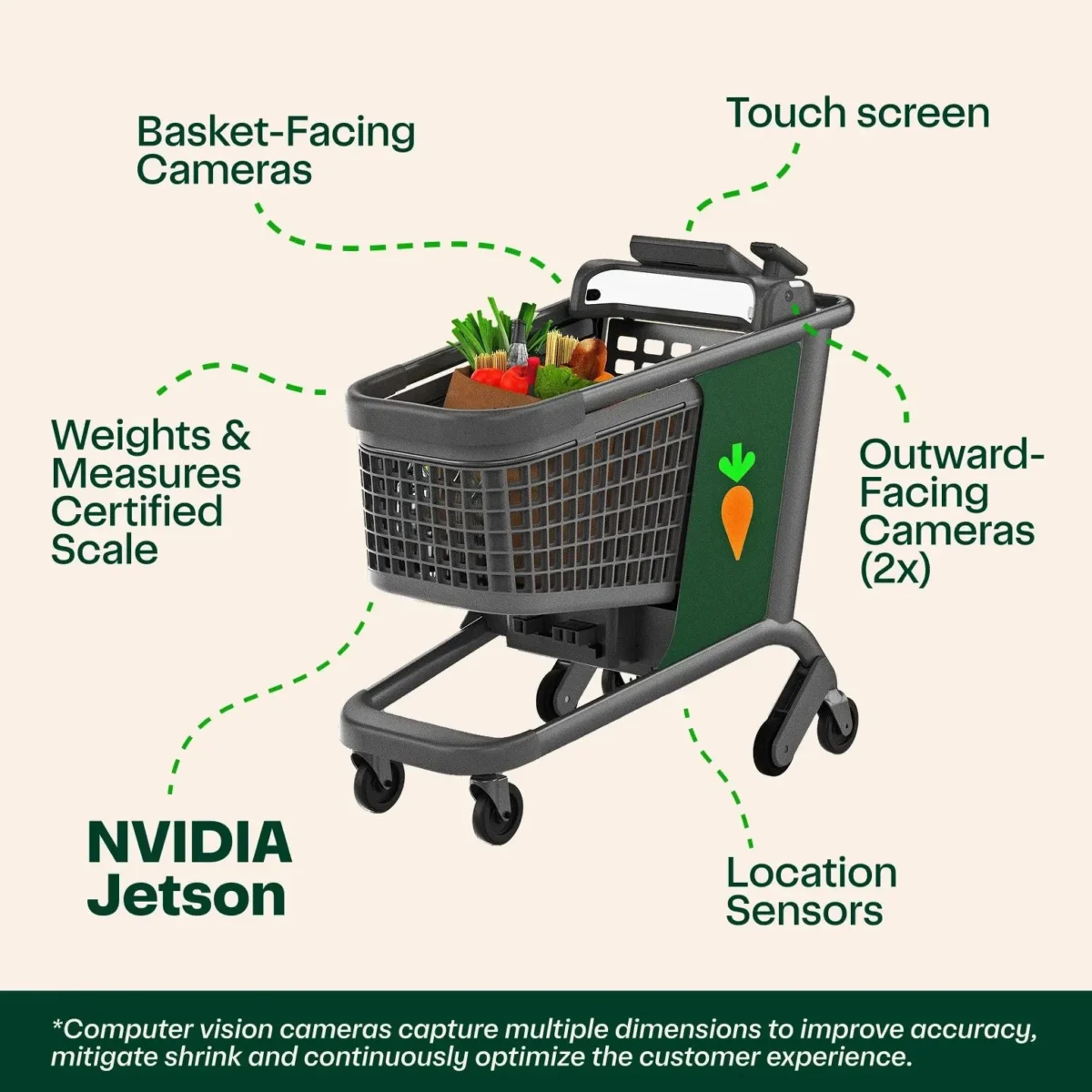
The humble grocery cart, a staple of the retail experience for nearly a century, is undergoing a radical digital metamorphosis. Instacart, the titan of grocery delivery, is aggressively deploying its "Caper Cart"—an AI-powered, sensor-laden shopping vehicle—into physical brick-and-mortar stores, with the latest expansion hitting select Weis Markets locations in Pennsylvania. While the company markets the technology as a seamless, high-tech convenience that eliminates checkout lines and provides real-time budgeting, the transition marks a profound shift in consumer privacy: the grocery store is no longer just a place to buy food, but a data-harvesting theater.
The Anatomy of the Caper Cart
At first glance, the Caper Cart appears to be an upgrade designed for the modern, time-strapped consumer. Equipped with high-definition touchscreens, built-in payment terminals, and intuitive interfaces, the carts allow shoppers to clip digital coupons, track their spending in real-time, and bypass the traditional checkout lane entirely. By integrating a "smart" scale, the cart automatically identifies produce and items sold by weight, essentially acting as a mobile point-of-sale system.
However, beneath the polished interface lies a complex array of hardware that turns a simple basket into a high-fidelity monitoring platform. Each Caper Cart is outfitted with a suite of surveillance technology, including:
- Basket-facing cameras: Designed to use computer vision to identify items as they are added to the cart.
- Outward-facing cameras: Capable of tracking movement and identifying the shopper’s trajectory through the store.
- Location-tracking systems: Enabling the cart to know exactly which aisle the shopper is in at any given moment.
- Advanced Sensors and Scales: Ensuring accurate weight-based pricing while verifying the contents of the cart against the store’s inventory database.
This technological stack provides retailers with a granular, second-by-second map of a consumer’s shopping journey, creating a "digital twin" of the physical shopping experience.
A Chronology of the Smart Cart Rollout
The deployment of Caper Carts is not a localized experiment but a calculated, national expansion strategy. Instacart acquired Caper AI in 2021 for approximately $350 million, signaling its intent to dominate the "connected store" segment.
- 2021: Instacart acquires Caper AI, integrating their smart cart technology into their broader ecosystem of retail solutions.
- 2022–2023: Initial pilot programs launch in select metropolitan areas, focusing on testing the reliability of computer vision in high-traffic retail environments.
- 2024: Instacart reports that its smart cart deployments have tripled year-over-year. The technology is now present in more than 100 cities across 15 states, serving over a dozen major retail banners.
- 2026 (Present): The partnership with Weis Markets marks the latest phase of a broader strategy to replace traditional carts with data-gathering units, aiming to standardize the "smart" retail experience across regional chains.
Supporting Data and the Retail Media Engine
Instacart’s business model is built on the premise that data is the new currency. By turning the cart into a digital billboard, the company has created a lucrative "retail media" channel. When a shopper pushes a Caper Cart down the aisle, the screen doesn’t just show a list of groceries; it serves as a hyper-targeted ad panel.

According to internal Instacart data, these location-aware prompts are remarkably effective. The company claims that real-time, in-aisle couponing and promotional alerts have resulted in a nearly one percentage point average lift in basket size. While a single percentage point may seem incremental, in the thin-margin world of grocery retail, it represents millions of dollars in additional revenue.
The cart serves a dual purpose: it acts as a checkout tool to improve operational efficiency and as an advertising medium that captures the shopper at the precise moment of "brand choice." When a customer is standing in front of a shelf weighing the pros and cons of two different brands of pasta, the cart can trigger a personalized discount, nudging the consumer toward a specific purchase.
The Corporate Narrative vs. Privacy Implications
Instacart frames the Caper Cart as a "win-win" for retailers and shoppers. For retailers, the technology solves the perennial problems of "out-of-stocks" and labor shortages, while providing deeper insights into consumer behavior. For shoppers, the promise is a frictionless, "friction-free" experience.
However, privacy advocates argue that the trade-off is far more lopsided than the company suggests. Every interaction—from the brand of cereal chosen to the time spent contemplating a specific product—is logged, analyzed, and attached to the user’s loyalty account. This creates a "richer trail" of consumer habits, preferences, and physiological responses to in-aisle stimuli.
The implications for data privacy are substantial. Unlike a website, where trackers are often blocked by browser extensions or VPNs, the physical nature of the smart cart makes it difficult to opt out of data collection without abandoning the convenience of the device entirely. The cart tracks:
- Product Affinity: What items you buy and what items you return to the shelf.
- Pathing Data: How you navigate the store, including which aisles you visit and which you ignore.
- Loyalty Integration: Tying your anonymous movement data to your personal identity, email address, and purchase history.
- Ad Response: Whether you clicked on a "featured" promotion or ignored it.
The Ethical Landscape: A Call for Transparency
As these carts become more common, the conversation surrounding retail surveillance is reaching a boiling point. The industry is effectively moving toward a model where "convenience" is contingent upon the surrender of personal data.

In a statement regarding the technology, industry analysts have compared the Caper Cart to the "Smart TV" model of the early 2020s. Just as connected TVs began tracking viewing habits to serve ads, the grocery cart is now tracking physical consumption patterns. The skepticism that consumers developed toward smart speakers and app-based tracking must now be applied to the grocery aisle.
For the average consumer, the challenge is understanding what they are agreeing to when they sign into a Caper Cart. Most shoppers, hurried and focused on their grocery list, likely skip the lengthy, opaque "Terms of Service" that govern these devices. These terms often grant retailers broad rights to collect location data, track browsing behaviors, and share aggregated data with third-party advertisers.
Recommendations for the Modern Shopper
If you find yourself facing a Caper Cart at your local supermarket, it is essential to approach the experience with a critical eye. Before logging in or syncing your loyalty account, consider the following:
- Review the Privacy Policy: Look for specific clauses regarding "location-based offers" and "data sharing." If the store’s policy allows for the sale of your movement data to third-party ad networks, consider if the convenience is worth the privacy cost.
- Understand the "Optional" Nature: In most cases, these carts are not the only way to shop. Traditional, non-connected carts are still available. Choosing a "dumb" cart is the most effective way to opt out of the tracking ecosystem.
- Limit Loyalty Integration: If you choose to use a smart cart, consider doing so without logging into your store loyalty account. While you may lose access to personalized coupons, you also prevent the store from linking your real-time physical behavior to your long-term personal profile.
- Monitor the Screen: Pay attention to the types of ads being served. If they are hyper-specific to your shopping habits, it is a clear indicator of the depth of the data tracking occurring in the background.
Conclusion: The Future of the Aisle
The integration of AI into the grocery store is inevitable. As labor costs rise and retailers seek new revenue streams, the "smart cart" will likely become a standard fixture of the American retail landscape. However, the rise of the Caper Cart serves as a sobering reminder that there is no such thing as a "free" convenience.
By transforming the grocery cart into a sophisticated sensor platform, Instacart is ushering in an era of hyper-monetized physical shopping. For the retailer, it is an efficient way to boost basket sizes and gather data. For the consumer, it is a new frontier of surveillance that requires increased vigilance and a firm understanding of the digital footprint left behind in the produce section. As we embrace the future of retail, we must ensure that the price of convenience does not include our right to shop in peace, without being the target of an algorithm at every turn.


 Jia Lissa
 Ammar Sabilarrohman