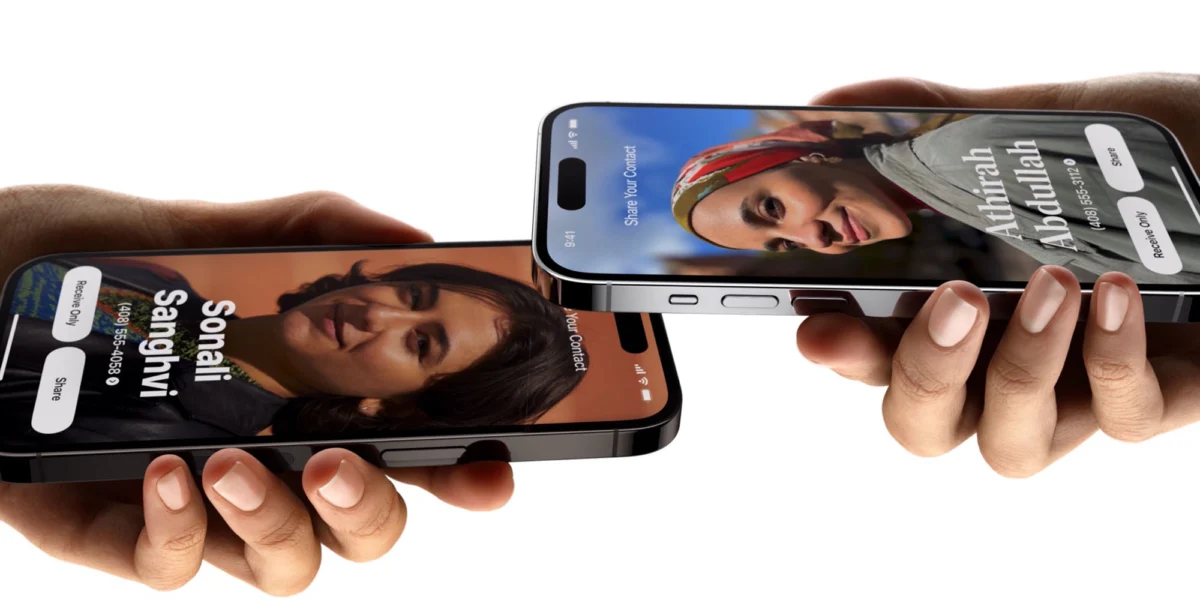
In an era defined by seamless wireless connectivity, the convenience of proximity-based file sharing—such as Apple’s AirDrop and Android’s Quick Share—has become an indispensable part of the mobile experience. However, recent findings from security researchers have cast a long shadow over these technologies. A series of three newly discovered vulnerabilities has revealed that both Apple and Google platforms remain susceptible to remote, proximity-based attacks that can cripple essential services, including AirDrop, AirPlay, and Handoff.
While these exploits do not grant attackers access to sensitive user data, they effectively disable a suite of core productivity and continuity features, rendering devices temporarily incapacitated. As Apple works toward a comprehensive software patch, the incident highlights a broader, systemic challenge: the inherent risks of prioritizing "seamless" user experiences over hardened, pre-authentication security protocols.
The Core Facts: How the Exploits Function
The vulnerability is rooted in how wireless protocols handle incoming data before the device has even verified the identity of the sender. According to recent reports from HelpNetSecurity, an attacker equipped with a standard laptop and a basic Wi-Fi antenna can target a victim within a range of 10 to 30 meters.
Crucially, the attack requires no user interaction. There is no need for a pairing process, a prior contact exchange, or even a shared network. Because the vulnerabilities exist in the "early protocol phases" of the service, the target device begins processing the malicious input the moment the AirDrop setting is configured to "Everyone."
The exploit is devastatingly simple. By sending a malformed request to an unrecognized path, the attacker triggers a fatalError in the underlying code, which handles incoming web requests. This single command aborts the entire process, effectively crashing the AirDrop service. Because these services are often bundled under shared daemons within the operating system, the crash cascades, taking down AirPlay, Universal Clipboard, Handoff, and Continuity Camera in one stroke. By looping this request every few seconds, an attacker can keep these services in a perpetual state of collapse, rendering them entirely unavailable to the user.

A Chronology of Discovery and Disclosure
The discovery of these vulnerabilities follows the rigorous standards of "responsible disclosure," a process designed to ensure that manufacturers have the time to engineer and deploy patches before the details of an exploit become public knowledge.
The Identification Phase
The vulnerabilities were identified by security researcher Arash Ebrahim, who noted that the issues were not isolated to a single operating system. Despite the vast architectural differences between iOS/macOS and Android, both ecosystems shared similar structural weaknesses. Ebrahim began his analysis by observing how proximity-based services handle complex inputs from external sources.
The Disclosure Timeline
Following the discovery, Ebrahim engaged with both Apple and Google to report the bugs. In accordance with professional ethics, he withheld technical specifics to prevent malicious actors from weaponizing the code.
- Apple’s Initial Response: Apple acknowledged the reports and prioritized the findings. According to Ebrahim, the company has already issued a fix for one of the three vulnerabilities through a recent software update.
- The CVE Process: The fixed vulnerability has been assigned a Common Vulnerabilities and Exposures (CVE) identifier, though the specific advisory remains private. This is standard procedure, as publicizing the CVE details before a total fix is deployed would provide a roadmap for potential attackers.
- Ongoing Mitigation: Apple remains in the process of finalizing patches for the remaining two vulnerabilities. Google, similarly, is addressing the corresponding flaws found in its Quick Share protocol.
Supporting Data: Why "Seamless" is a Double-Edged Sword
To understand why such a vulnerability exists, one must look at the design philosophy of modern mobile ecosystems. As Arash Ebrahim noted, the overlap between Apple and Google’s vulnerabilities is not necessarily a sign of poor coding, but rather a reflection of the "common engineering challenges in proximity-based protocols."
The "Pre-Authentication" Attack Surface
The primary objective of services like AirDrop is to provide a "frictionless" user experience. For a file to be ready to transfer the moment you open the share sheet, the device must constantly listen for and analyze incoming packets.
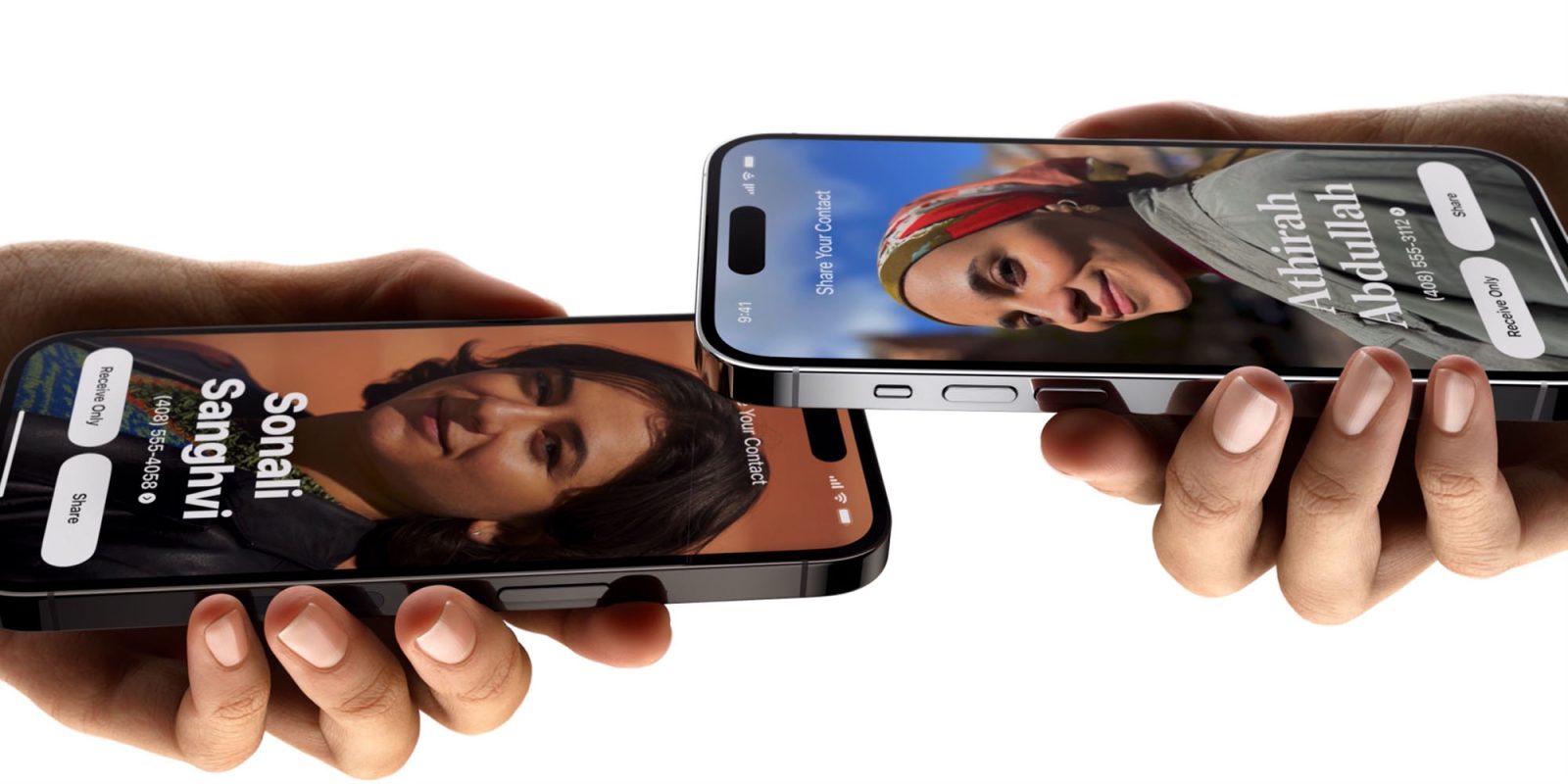
This creates a massive "pre-authentication attack surface." Before a user can click "Accept" or "Decline," the device’s privileged daemons—background programs that run with high system authority—must parse the complex data sent by the potential sender. If that data is crafted to look like a legitimate request but contains a logic error, the daemon may panic and crash.
Cross-Platform Parallels
The fact that similar issues were found in Android’s Quick Share is a telling sign of the industry’s shared struggle. Both ecosystems are competing to offer the most responsive user interface, leading engineers to prioritize speed in the protocol handshakes. When authentication happens after the parsing of the data, any flaw in the parsing logic becomes a gateway for a denial-of-service (DoS) attack.
Official Responses and Industry Outlook
While Apple has confirmed that one of the three vulnerabilities is resolved, the company has maintained a guarded stance, typical of its security communication strategy. No official public advisory has been issued to the end-user base yet, likely because the remaining two vulnerabilities remain unpatched.
The Silence of the Giants
Both Apple and Google have been tight-lipped regarding the specific technical nature of the patches. This silence is designed to protect users who have not yet updated their devices. By keeping the technical details under embargo, the companies minimize the window of opportunity for "script kiddies" or malicious actors to replicate the exploit.
Security Community Reaction
Independent security analysts have praised Ebrahim for his adherence to coordinated disclosure. The cybersecurity community generally views these findings as a "necessary wake-up call." As devices become more interconnected, the boundary between the "physical world" and "network security" continues to blur. The ability for a stranger on a subway or in a coffee shop to disable your phone’s continuity features is no longer a theoretical scenario; it is a demonstrated reality.

Implications: The Future of Proximity Services
The fallout from these discoveries carries significant implications for the future of mobile OS development and user privacy.
1. Hardening the Daemons
We can expect both Apple and Google to pivot toward more robust sandboxing for these proximity services. By isolating the daemons that handle incoming air-requests, developers can ensure that even if a crash occurs, it does not cascade into a system-wide failure of other services like AirPlay or Handoff.
2. User Settings as a Defense
Until these patches are fully rolled out, the best defense remains the "AirDrop/Quick Share settings." By toggling these services to "Contacts Only" or "Receiving Off" when in public spaces, users can effectively close the "pre-authentication" gate. The vulnerabilities rely on the device being in a state where it is constantly "listening" to every packet in the vicinity.
3. The Regulatory Landscape
With the European Union’s Digital Markets Act (DMA) putting pressure on Apple to open up its ecosystems and ensure interoperability, the complexity of these protocols is only likely to increase. As Apple is forced to integrate more third-party software, the potential for unforeseen vulnerabilities in the communication stack will become a recurring concern for regulators and security auditors alike.
4. A Shift in Trust
This incident serves as a reminder that "convenience" is often purchased at the expense of "attack surface." While users have grown accustomed to the magic of having their devices instantly recognize one another, the underlying infrastructure is a complex web of legacy code and high-speed processing. The industry must now transition to a model where security is not a secondary thought added to the protocol, but the foundational architecture upon which convenience is built.

Conclusion
The discovery of these AirDrop and Quick Share vulnerabilities is a critical reminder of the fragility of our interconnected devices. While the current exploits are limited to denial-of-service—meaning your data remains private and your phone remains yours—the ability to remotely disable a core function of a flagship device is a significant security concern.
As Apple continues its work to release the final patches, users are encouraged to stay vigilant, keep their software updated, and manage their proximity-sharing settings with caution. For the tech giants, the path forward is clear: the race for convenience must not come at the cost of the basic stability and security of the devices that have become the digital extensions of ourselves. The era of blind trust in "seamless" wireless protocols is, perhaps, coming to an end.