Nana Muazin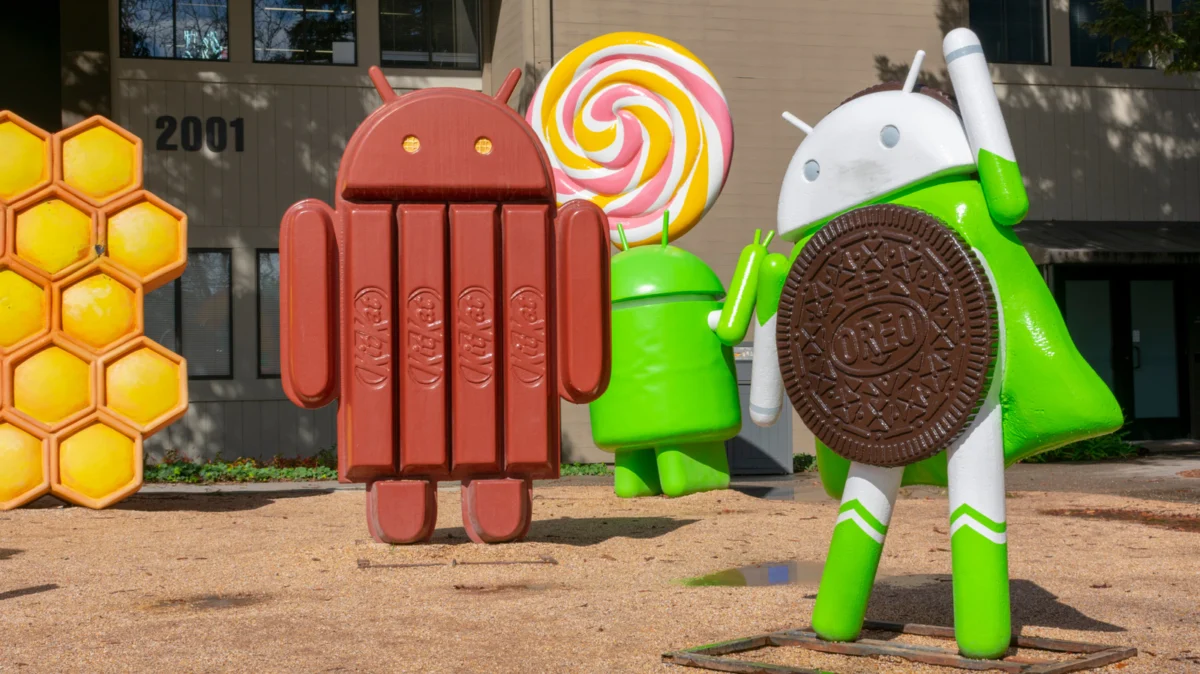
For over a decade, the evolution of the Android operating system was marked not just by technical benchmarks, but by a whimsical, sugary tradition. From the humble beginnings of "Cupcake" in 2009 to the final public dessert-themed release, "Pie," in 2018, Google’s mobile platform cultivated a unique cultural identity. However, with the launch of Android 10 in 2019, Google officially retired the confectionery naming convention.
While the decision initially sparked debate among tech enthusiasts and long-time fans, it represented a strategic shift for Google as it sought to position Android as a mature, global, and enterprise-ready platform. This article explores the history, the rationale behind the pivot, and the enduring legacy of Android’s dessert-themed era.
A Chronology of Sugar: The Dessert Years
The tradition began in April 2009 with the release of Android 1.5, famously dubbed "Cupcake." While earlier versions existed, the move to alphabetical, dessert-themed codenames became the industry standard for tracking the platform’s rapid development.
The progression followed a rigid alphabetical sequence that became a staple of tech journalism and community speculation:
- 1.5 Cupcake (2009)
- 1.6 Donut (2009)
- 2.0/2.1 Eclair (2009)
- 2.2 Froyo (2010)
- 2.3 Gingerbread (2010)
- 3.0 Honeycomb (2011)
- 4.0 Ice Cream Sandwich (2011)
- 4.1/4.2/4.3 Jelly Bean (2012)
- 4.4 KitKat (2013)
- 5.0/5.1 Lollipop (2014)
- 6.0 Marshmallow (2015)
- 7.0/7.1 Nougat (2016)
- 8.0/8.1 Oreo (2017)
- 9.0 Pie (2018)
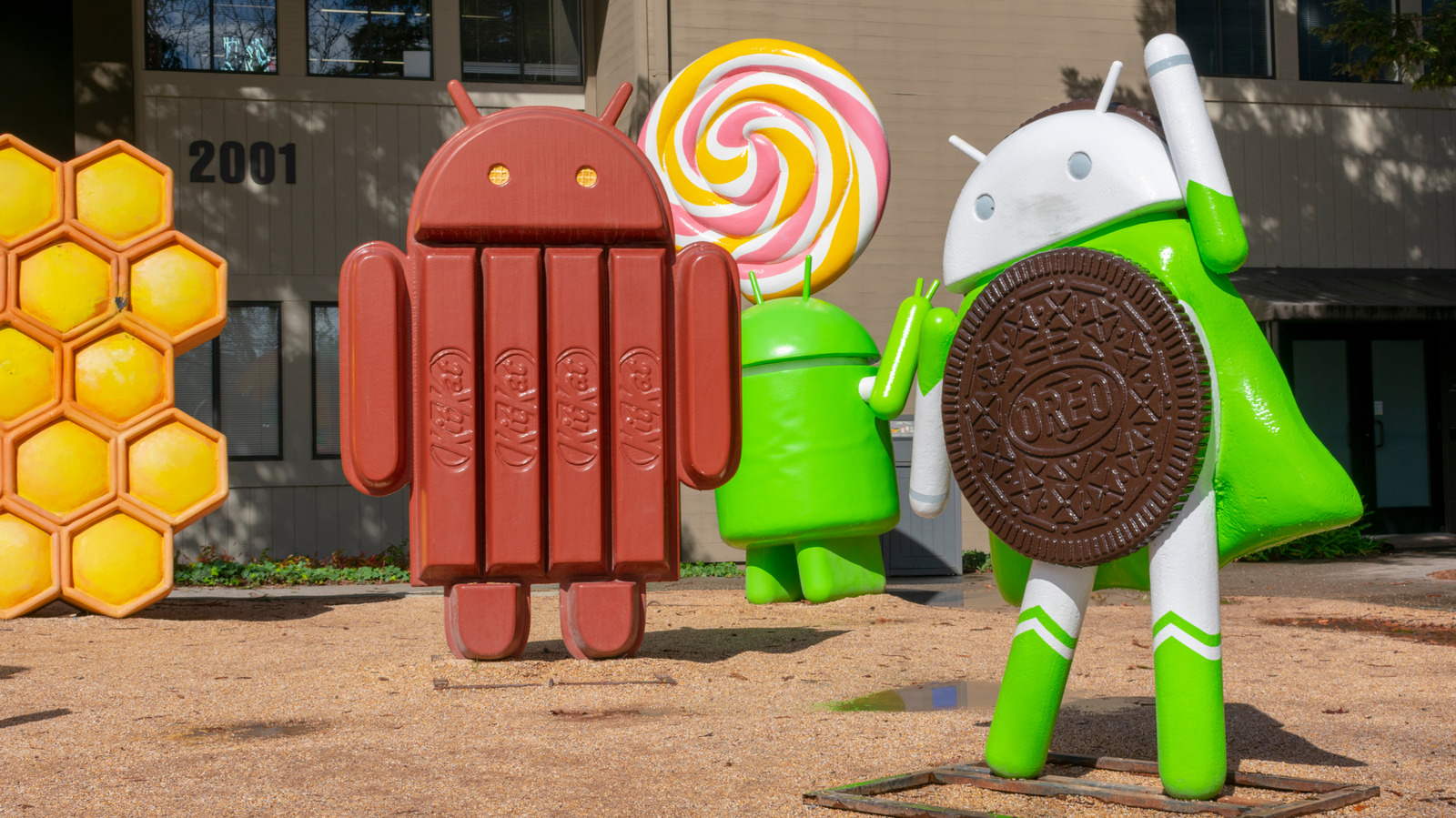
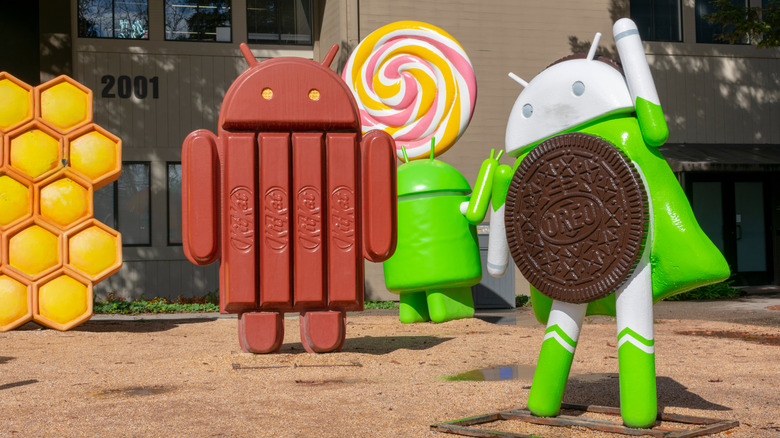
Each release was famously commemorated at Google’s Mountain View headquarters with large, elaborate lawn statues, turning the company campus into a pilgrimage site for Android fans.
The Strategic Rationale: Why the Pivot Occurred
The decision to abandon the naming convention was not made lightly. In 2019, Sameer Samat, Vice President of Product Management for Android, authored a pivotal blog post detailing the shift. The reasons were multifaceted, rooted in global accessibility and branding clarity.
1. Global Inclusivity and Cultural Relevance
As Android expanded into emerging markets, the dessert names began to lose their universal appeal. While "Cupcake" or "Oreo" might be recognized in Western markets, other treats—such as "Froyo" or "Jelly Bean"—were either unknown or lacked the same cultural resonance in regions like Southeast Asia, Africa, or South America. Google realized that for a global operating system, brand identity must be universally understood.
2. Language Barriers and Pronunciation
Google also noted that alphabetical naming conventions posed challenges in non-English speaking markets. In several languages, specific phonetic sounds (such as the distinction between "L" and "R" in Japanese) made it difficult for users to track the alphabetical order. A numerical system—Android 10, 11, 12, and so on—provides immediate clarity regarding the age and relative versioning of the software.
3. Professionalism and Enterprise Adoption
By 2019, Android was no longer just a hobbyist platform for tinkerers. It had become the foundation for professional workflows, enterprise security, and mission-critical applications. Moving toward a standard numerical system aligned Android with other mature operating systems like Windows and macOS, signaling to corporate partners that the platform had reached a state of stability and seriousness.
Official Response and Internal Continuity
Despite the public shift, Google did not entirely abandon its playful roots. The company acknowledged that the internal engineering teams still required codenames for development purposes. Interestingly, the tradition of dessert-based internal naming has continued, albeit behind the scenes:
- Android 10: Quince Tart
- Android 11: Red Velvet Cake
- Android 12: Snow Cone
- Android 13: Tiramisu
- Android 14: Upside Down Cake
- Android 15: Vanilla Ice Cream
- Android 16: Baklava
- Android 17 (Internal): Cinnamon Bun
This internal "secret menu" allows the engineering teams to maintain the camaraderie of the old naming system while ensuring the public-facing brand remains professional and straightforward.
Implications for the Android Ecosystem
The transition to a numerical naming system has had several lasting impacts on how users perceive and interact with the Android OS.
Clarifying the Update Lifecycle
For the average consumer, the shift has significantly simplified the process of identifying whether their device is up to date. Previously, users might have struggled to remember if "Marshmallow" came before "Nougat." Today, the progression is linear and intuitive, reducing the friction for consumers checking for system updates in their device settings.
A Shift in Brand Identity: Material You
With the retirement of the dessert statues, Google redirected its branding focus toward the visual and functional aspects of the user experience. The introduction of "Material You"—a design system that adapts the phone’s UI colors based on the user’s wallpaper—has arguably created a stronger, more personal brand identity than any dessert name could have. This focus on "expression" through motion-physics, improved typography, and dynamic, personalized themes marks a transition from a playful "tech-first" brand to a "human-centric" design powerhouse.
The New "Easter Egg" Culture
The loss of dessert-themed Easter eggs was a point of contention for many, but Google has adapted. Newer versions of Android have pivoted toward different themes—specifically, space exploration and abstract, interactive art. These Easter eggs remain highly anticipated features, proving that while the "confectionery" theme is gone, the DNA of Android’s quirky, user-delighting spirit remains intact.
Conclusion: Evolution, Not Erasure
It is easy to view the end of the dessert era as the loss of a "fun" corporate identity, but it is more accurate to view it as a milestone of maturity. Google’s transition to numerical versioning reflects the reality of a global market that demands clarity, consistency, and professional reliability.
Android has successfully navigated the transition from a niche mobile experiment to the world’s most popular operating system. While the statues at Mountain View may no longer grow with every new version, the spirit of innovation—and the hidden, sugary codenames enjoyed by the engineers behind the scenes—continues to drive the platform forward. Android has evolved, and in doing so, it has secured its place as a sophisticated, global platform, even if it has left its favorite desserts on the shelf.

 Ammar Sabilarrohman
 Jia Lissa