Ali Ikhwan
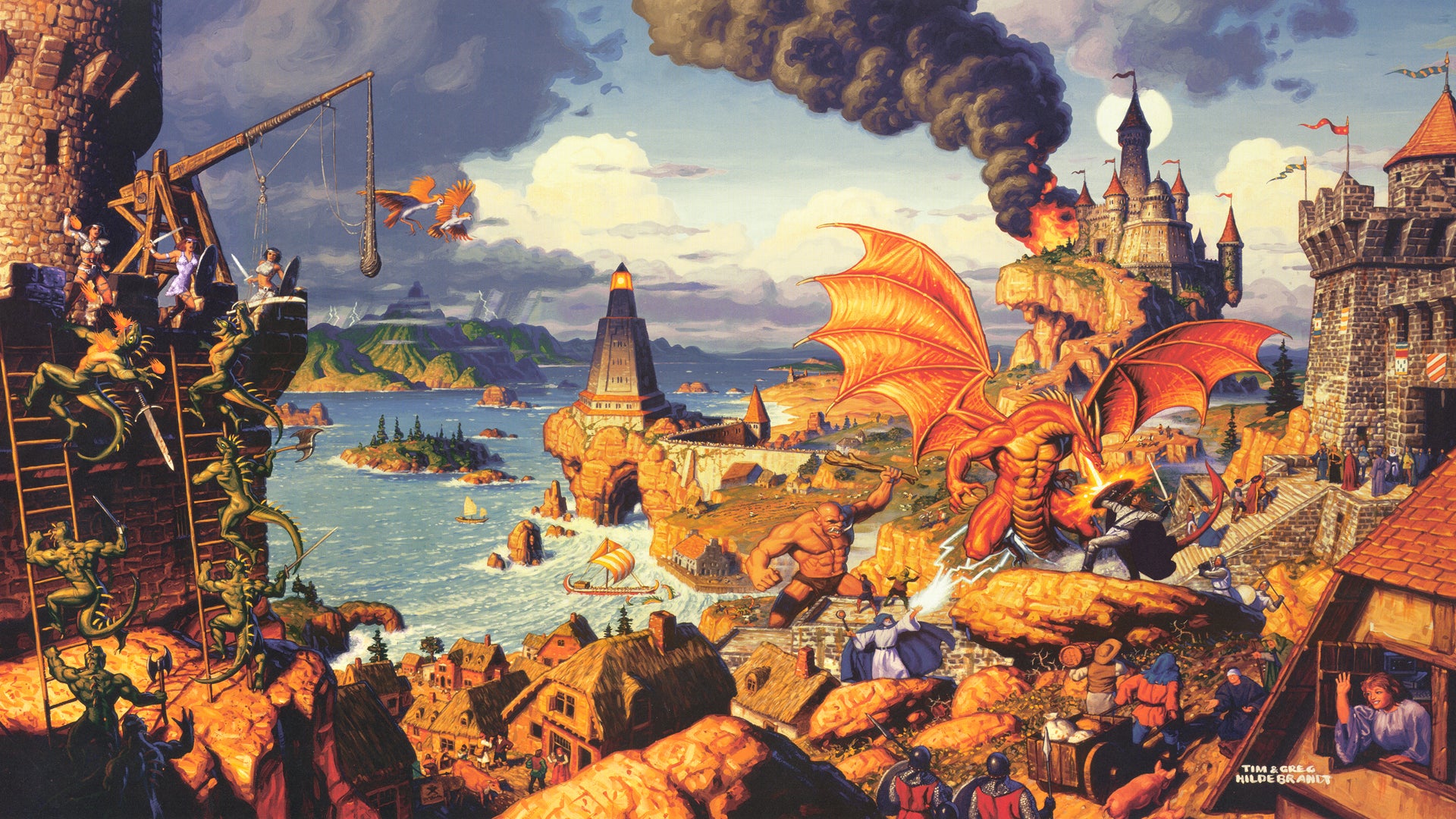
In the annals of computer role-playing games (CRPGs), few names resonate with the historical significance of Ultima. For over four decades, the franchise has stood as a cornerstone of interactive storytelling, defined by Richard "Lord British" Garriott’s pioneering vision. However, the series has languished in relative obscurity under the stewardship of Electronic Arts (EA) for years. Now, a confluence of legal maneuvers and persistent ambition has reignited hope among the faithful: the creator of Britannia is preparing to reclaim his masterpiece.
As 2027 approaches, a significant legal milestone looms that could fundamentally alter the future of the Ultima franchise. With EA recently filing fresh trademarks for the name, and Garriott publicly declaring his intent to invoke copyright termination rights, the stage is set for a high-stakes standoff over one of gaming’s most cherished intellectual properties.
The Chronology of a Classic
To understand the gravity of the current situation, one must look back at the origins of the series. The saga began in 1981 with Ultima: The First Age of Darkness. Over the following decade, Garriott and his company, Origin Systems, fundamentally reshaped the genre. Titles like Ultima IV: Quest of the Avatar introduced moral philosophy and systemic depth to gaming, moving away from simple dungeon crawling toward complex world-building.
In 1992, at the height of Origin’s influence, the studio was acquired by Electronic Arts. While the acquisition initially fueled the development of the massively influential Ultima Online—the game that effectively birthed the modern MMORPG—the relationship between the original creative spirit and the corporate publisher gradually soured. Following Garriott’s departure from Origin in 2000, the Ultima brand saw sporadic releases, including the critically divisive Ultima IX: Ascension. In the years since, the series has remained dormant, with only spiritual successors like Underworld Ascendant (2018) attempting to capture the series’ ethos without the benefit of the official branding.
The Legal Landscape: The 35-Year Rule
The current tension stems from a specific provision in United States copyright law. Under the Copyright Act of 1976, creators have a statutory "termination right" that allows them to reclaim the rights to their works after a period of 35 years, provided certain legal criteria are met.
For Richard Garriott, the clock has been ticking since 1992. By 2027, the 35-year window will have fully elapsed, granting him the legal standing to claw back the copyrights to his original works. This is not merely a request for permission; it is a statutory mechanism designed to protect authors from unfavorable "work-for-hire" or assignment agreements made early in their careers.
Garriott’s recent comments during an interview with Inside Games confirm that this has been a long-held objective. "Every decade or so, I tried to work with EA on a revival of Ultima," Garriott stated. "They always seemed interested enough to start talking, then abandoned talks just as quickly." With the legal sunset provision finally within reach, Garriott is no longer waiting for corporate approval; he is preparing to exercise his rights.
The Trademark-Copyright Divide
A critical nuance in this narrative is the distinction between copyright and trademark. While media coverage often conflates the two, their separation creates a complex roadmap for the future of the franchise.
- Copyright: This covers the "expression" of the work—the specific source code, the artistic assets, the narrative text, and the musical scores of the original Ultima titles. This is what Garriott is positioned to reclaim.
- Trademark: This protects the "brand identity." It includes the name "Ultima," the specific character likenesses that have become corporate assets, and the goodwill associated with the brand in the marketplace.
Even if Garriott succeeds in reclaiming the copyrights, EA remains the holder of the trademarks. This creates a potential "Schrödinger’s Cat" scenario for the industry: Garriott could own the underlying creative content of the original games, but he might not be legally permitted to use the name "Ultima" on the box art of a new project without EA’s consent. Conversely, EA may hold the trademark, but without the original creative rights, their ability to produce new, authentic entries remains legally perilous.
The recent discovery that EA has filed new trademarks for Ultima suggests the publisher is aware of the impending 2027 deadline. These filings could be a defensive measure intended to protect the brand name, or perhaps an attempt to signal that they intend to maintain a presence in the space despite the impending copyright expiration.
Implications for the Industry
The potential return of the rights to Garriott carries profound implications for the gaming industry. First, it highlights the growing trend of veteran creators reclaiming their legacy works. In an era where "remaster" culture dominates, the ability for original creators to exert control over their IP ensures that the vision behind the classics remains untainted by shifting corporate priorities.
Second, it raises questions about what "new" Ultima content would look like. Garriott has been coy, stating, "What it will become, is the next challenge." This implies that a simple reboot may not be on the table. Instead, we may see a transition into a new spiritual home for the franchise—one that carries the DNA of the original Ultima while navigating the legal minefield of modern intellectual property laws.
Finally, the situation serves as a warning to large publishers regarding the long-term sustainability of keeping acquired IPs in "cold storage." By failing to iterate on or honor the legacy of franchises like Ultima, publishers risk losing the very rights they once paid a premium to acquire.
What’s Next?
As the community awaits further updates, all eyes are turned toward the upcoming Dragon Con. Garriott has indicated he will be in attendance, and it is expected that he will provide more concrete details on his strategic vision for the "Lord British’s Ultima" initiative.
Whether the result is a massive legal settlement between Garriott and EA, a bifurcated brand landscape where two different "Ultimas" exist, or a new creative venture entirely, one thing is certain: the conversation has shifted. For a generation of gamers who grew up with the virtues of the Avatar, the prospect of the creator reclaiming his throne is the most significant development in the series’ history since the release of Ultima Online.
We remain in a state of speculative anticipation. The legal gears are turning, the creator is ready, and the industry is watching. Whether this results in a triumphant return to Britannia or a complicated legal stalemate, the legacy of Ultima is once again at the forefront of the gaming world—right where it belongs. As Garriott himself noted, the time has finally come, and in the world of high-stakes game development, that timing is everything.


 Asro
Asro
 Muslim