Nana
Nana
The trajectory of CD Projekt Red (CDPR) over the last half-decade serves as a definitive case study in the modern games industry—a volatile mix of extreme ambition, public humiliation, and a methodical, hard-fought recovery. While the Polish developer has successfully rehabilitated the reputation of its flagship sci-fi RPG, Cyberpunk 2077, the scars left by its catastrophic 2020 launch remain a permanent fixture in the studio’s corporate history.
As the company looks toward its future, including the highly anticipated Witcher 4 and a sequel to Cyberpunk, leadership is grappling with a sobering realization: while the game may be fixed, the trust of the gaming public is not necessarily restored.
The Infamous Launch: A Studio at the Precipice
In December 2020, Cyberpunk 2077 arrived under a cloud of unprecedented hype. Years of marketing had promised a genre-defining immersive experience that would revolutionize the open-world RPG. Instead, what players found on launch day—particularly on last-generation consoles—was a technical disaster.
The game was plagued by game-breaking bugs, abysmal frame rates, and an unoptimized engine that struggled to render the dense streets of Night City. The backlash was instantaneous and severe. In an unprecedented move, Sony pulled the title from the PlayStation Store, citing quality concerns. CDPR’s stock price plummeted, wiping out billions in market capitalization, and the company faced a class-action lawsuit from investors who felt misled regarding the state of the game on console hardware. For a studio that had previously been held up as a paragon of consumer-friendly practices, the situation was a catastrophic failure of reputation management.
A Chronology of Crisis and Recovery
The period following the launch was defined by a frantic, transparent, and ultimately effective damage-control operation.
- 2020–2021: The Emergency Phase: CDPR entered a period of intense crisis management. The studio issued public apologies and committed to a series of substantial patches. This phase was about stabilizing the core experience and honoring refund requests for dissatisfied console users.
- 2022: The Tide Turns: The release of the Edgerunners anime on Netflix proved to be a pivotal turning point. It reignited interest in the Cyberpunk universe, driving a massive surge in player counts and proving that the world itself was compelling enough to survive its technical infancy.
- 2023: The 2.0 Transformation: The release of the "2.0" update, alongside the narrative-rich expansion Phantom Liberty, fundamentally overhauled the game’s systems. From combat AI to skill trees and police behavior, the game finally matched the quality players had expected three years prior.
- 2024 and Beyond: The studio has transitioned from a single-project focus to a multi-project developer, leveraging the "battle-hardened" talent that survived the Cyberpunk crunch period.
Financial Resilience and Market Data
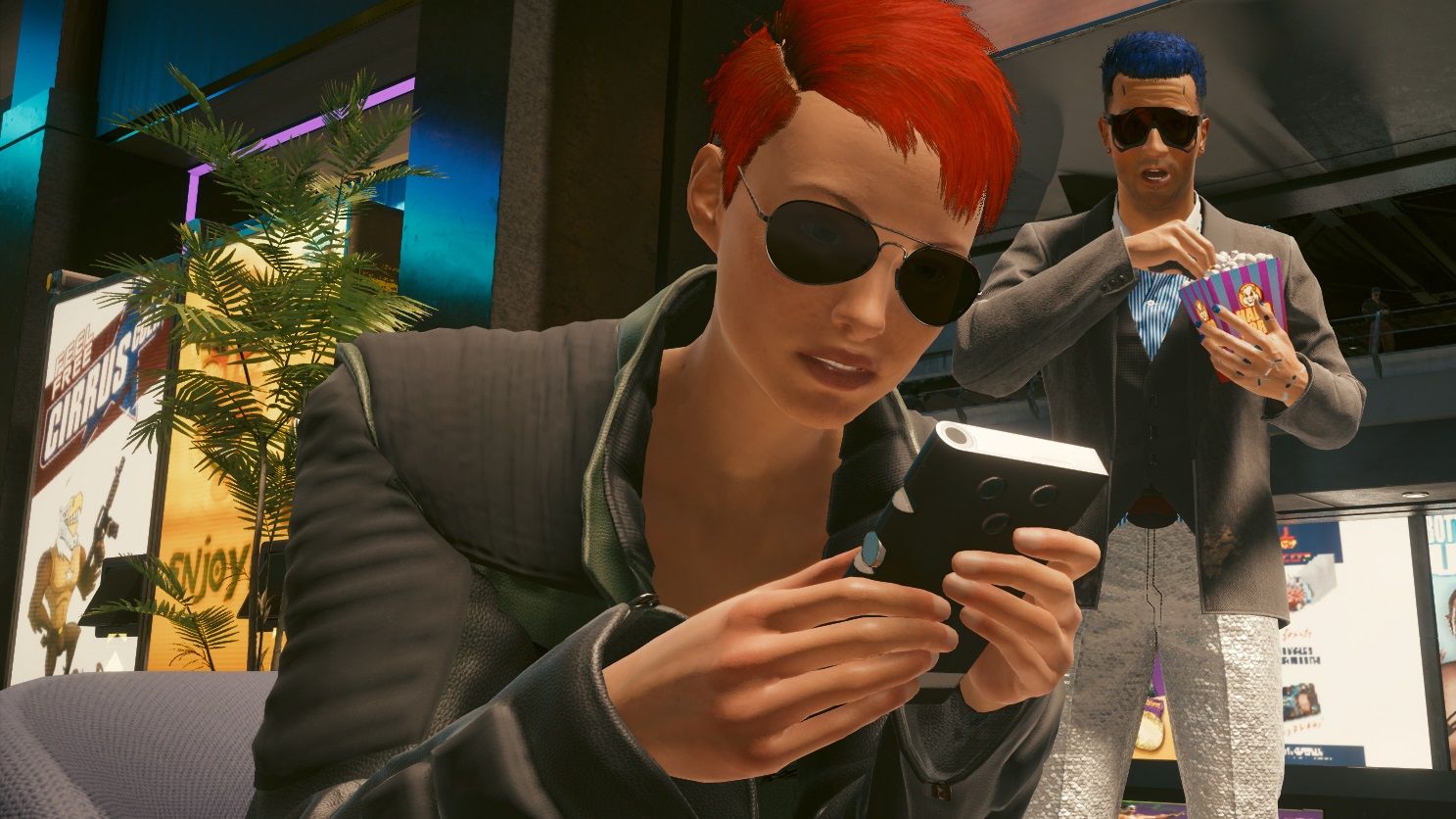
Despite the disastrous beginning, Cyberpunk 2077 stands as a massive commercial success. Recent financial reports indicate that the title is now the primary driver of income for CD Projekt, with lifetime sales figures and engagement metrics consistently outpacing the post-release trajectory of The Witcher 3: Wild Hunt.
This financial stability provided the necessary capital for CDPR to spend years iterating on the game without the immediate threat of insolvency. The investment in the 2.0 patch was not merely a gesture of goodwill; it was a strategic necessity to secure the long-term viability of the Cyberpunk intellectual property. By turning the game into a "roleplaying great," the studio ensured that the Cyberpunk brand remains a viable foundation for future sequels.
The CEO’s Perspective: Is Redemption Truly Possible?
In a candid discussion at the DevGAMM Gdańsk conference, recently highlighted in Edge magazine’s Knowledge newsletter, CDPR co-CEO Michał Nowakowski offered a refreshingly honest assessment of the studio’s standing. Unlike some executives who might insist that a successful patch cycle wipes the slate clean, Nowakowski acknowledged the permanence of the damage.
"I’m not 100 percent convinced we went through the full redemption arc," Nowakowski admitted. "I’m convinced that we lost the faith of some people indefinitely, and that’s a fair thing."
This perspective is crucial for understanding CDPR’s current corporate culture. There is no longer an expectation that a single trailer or a polished patch will win everyone back. Instead, the focus has shifted to long-term consistency. Nowakowski noted that the studio hopes to earn back that lost ground over time, whether through the upcoming Witcher 4 or subsequent projects. It is a slow, methodical play for relevance rather than a quick fix for PR woes.
The Human Element: Building a "Battle-Hardened" Studio
One of the most significant, yet often overlooked, outcomes of the Cyberpunk saga is the evolution of the studio’s internal workforce. The process of salvaging a broken product required the team to tackle unprecedented engineering challenges.
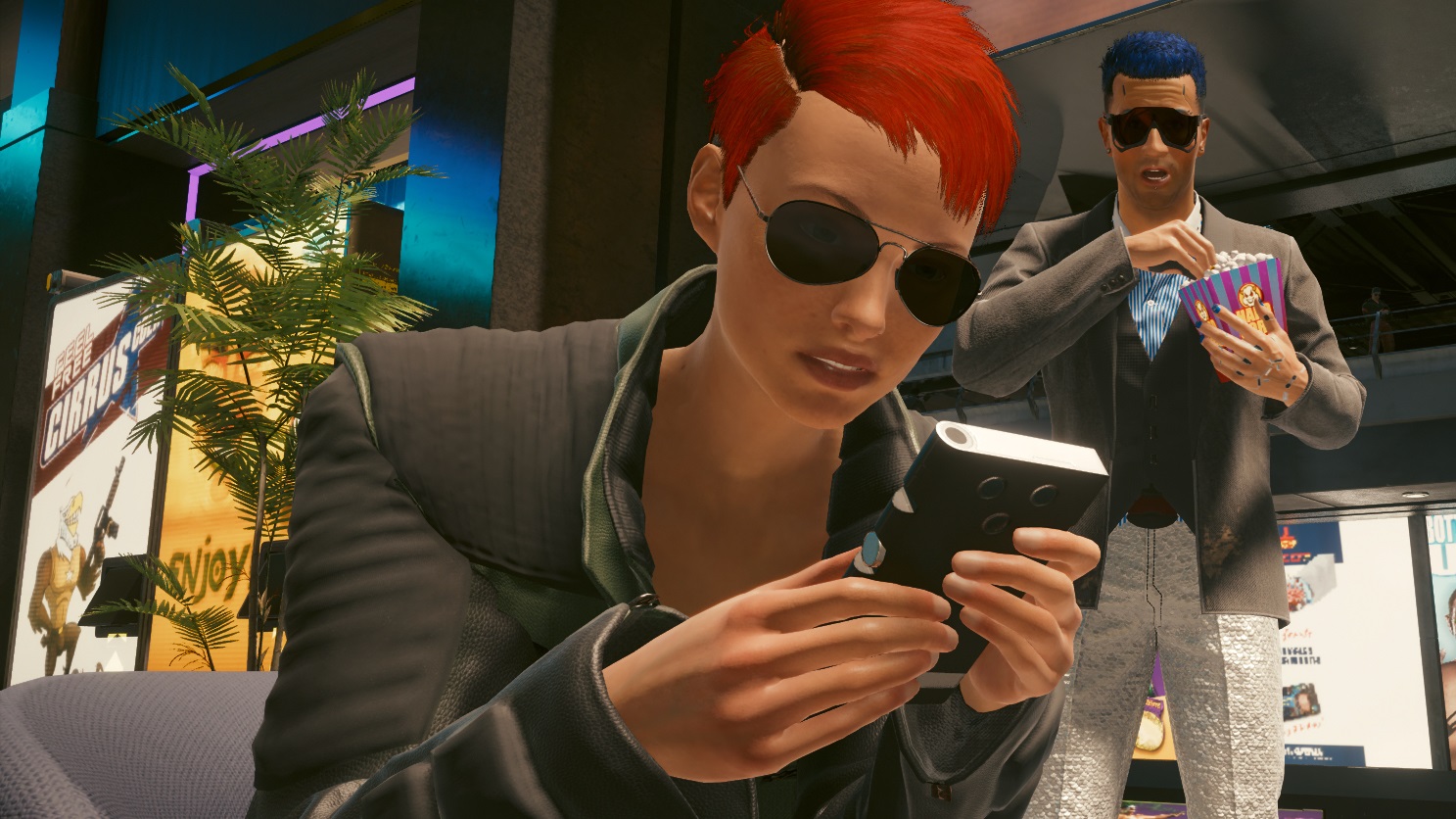
Nowakowski describes the current staff as "seasoned, battle-hardened veterans." This isn’t just corporate speak; it refers to a leadership team that has navigated the worst-case scenario and emerged with the knowledge of how to prevent such a collapse from happening again. This experience has allowed CDPR to reorganize into a multi-project studio, balancing the development of The Witcher 4, a Cyberpunk sequel, and the mysterious internal project codenamed Hadar.
Implications for the Future: A Measured Expansion
With the company moving toward a more prolific output, there is a clear strategic tension: how to release more games without sacrificing quality.
"Our dream is to be making more games, although we never want to turn into the studio that’s going to be launching a big game every year," Nowakowski explained. The studio is operating on a ten-year rolling plan, focusing on sustainable development rather than market saturation. The goal is clear: avoid the "crunch" culture and the rushed development cycles that directly contributed to the Cyberpunk disaster.
This cautious approach is evident in the release timelines. The Witcher 4 is expected no earlier than 2027, with the Cyberpunk sequel likely targeting 2030. To bridge these gaps, CDPR is leaning on external partnerships, such as the collaboration with Fool’s Theory—the team behind The Thaumaturge—to develop a new, large-scale expansion for The Witcher 3 titled Songs of the Past. This expansion, comparable in scale to Blood and Wine, serves to keep the player base engaged while the main internal teams focus on the massive technical hurdles of their next-generation titles.
Conclusion: The New CDPR Standard
The story of CD Projekt Red is far from over. While the company has emerged from the depths of its 2020 crisis as a profitable and more structured entity, the "redemption arc" is a subjective experience that lies entirely in the hands of the players.
Some fans will never forgive the broken promises of 2020, and as Nowakowski noted, that is a fair stance. However, by embracing a more realistic, long-term development strategy and acknowledging the limits of their own reputation, CDPR has signaled that they are no longer a studio defined by hype. They are, for better or worse, a studio defined by the lessons learned in the wreckage of Night City. Whether they can truly reclaim their place at the pinnacle of the industry will depend entirely on whether their future output can match their new, tempered ambitions.


 Asro
Asro
 Muslim