Jia Lissa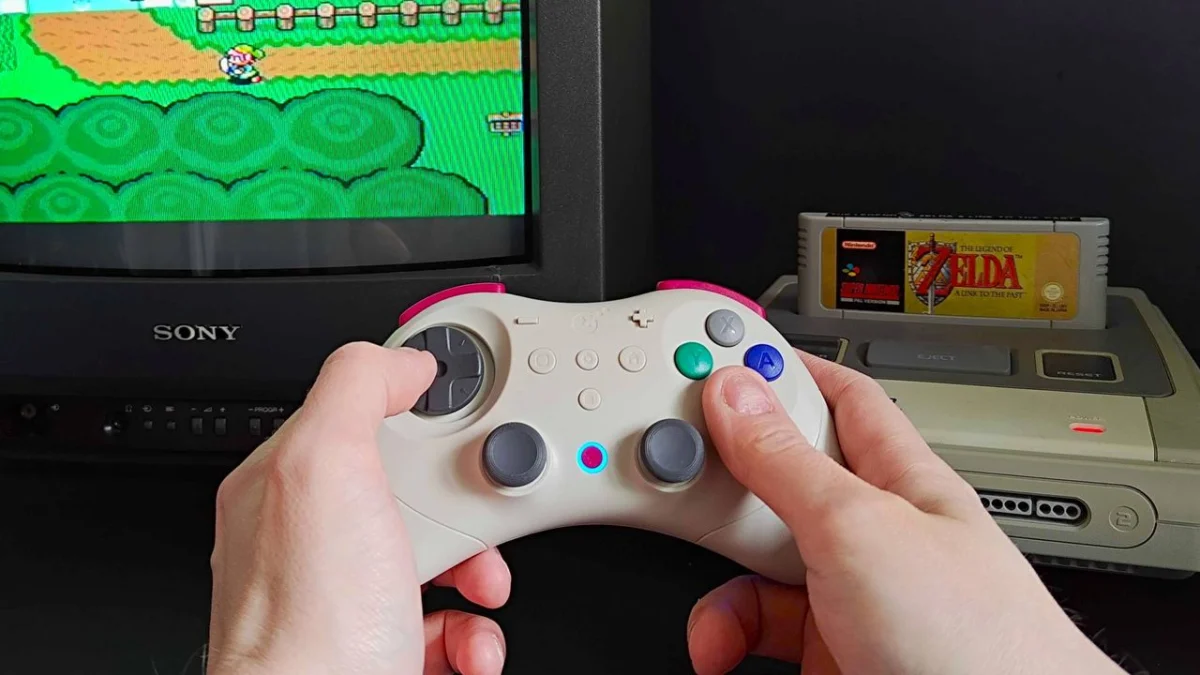
While there is an undeniable, nostalgic charm to the "janky" gamepads of the 1990s and early 2000s, the landscape of retro gaming is undergoing a significant transformation. For years, collectors have been tethered to the original, aging hardware that accompanied their favorite consoles. However, a new generation of bespoke, third-party controllers is proving that we don’t have to sacrifice modern ergonomics and reliability to enjoy the classics. These new peripherals offer tactile precision, advanced wireless connectivity, and robust internal components that help even the oldest titles feel as responsive as modern AAA releases.
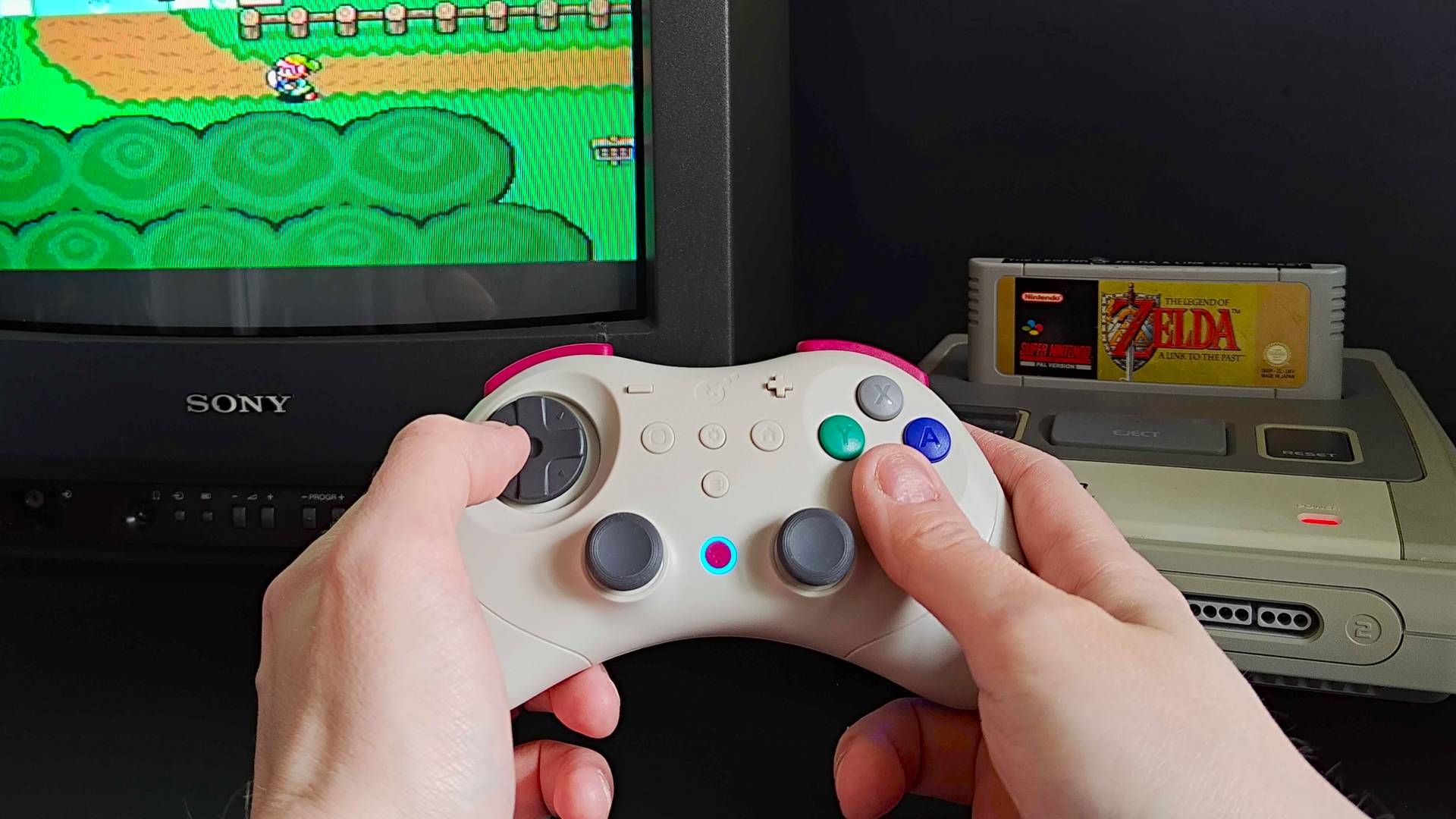
The Case for Modernizing Your Retro Setup
There is a fierce debate among purists regarding whether original controllers—those designed specifically for their respective consoles—can ever be truly replaced. It is a sentiment rooted in history; the legendary engineering behind the original DualShock or the foundational ergonomics of the Xbox "S" controller provided the blueprint for everything we use today.
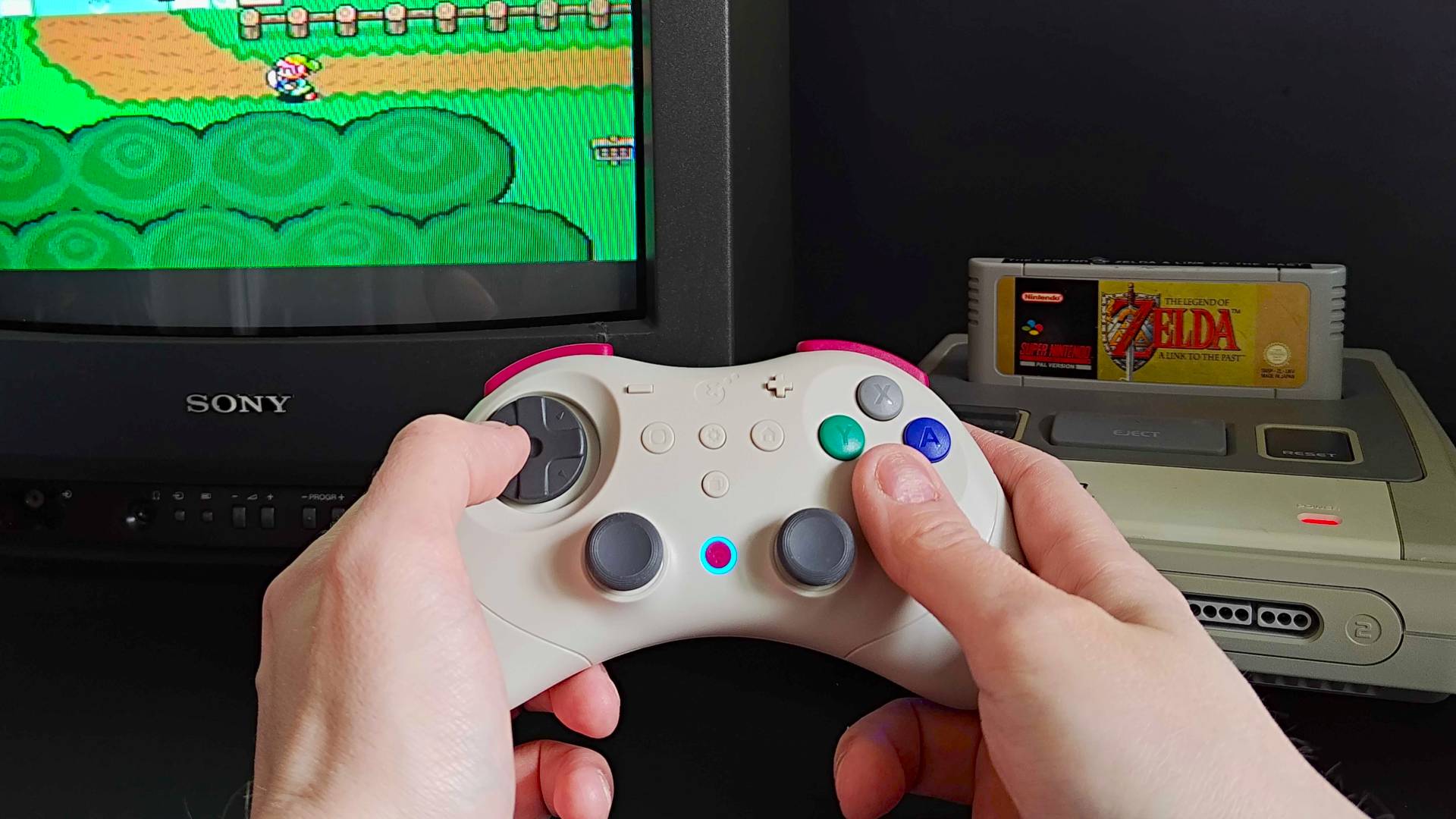
However, time has not been kind to these vintage peripherals. Aging plastics, worn-out rubber membranes, and the inevitable degradation of internal electronics mean that "original" often equates to "unreliable." Furthermore, some historical designs, such as the infamous, trident-shaped Nintendo 64 controller, remain acquired tastes that don’t always align with modern comfort standards.
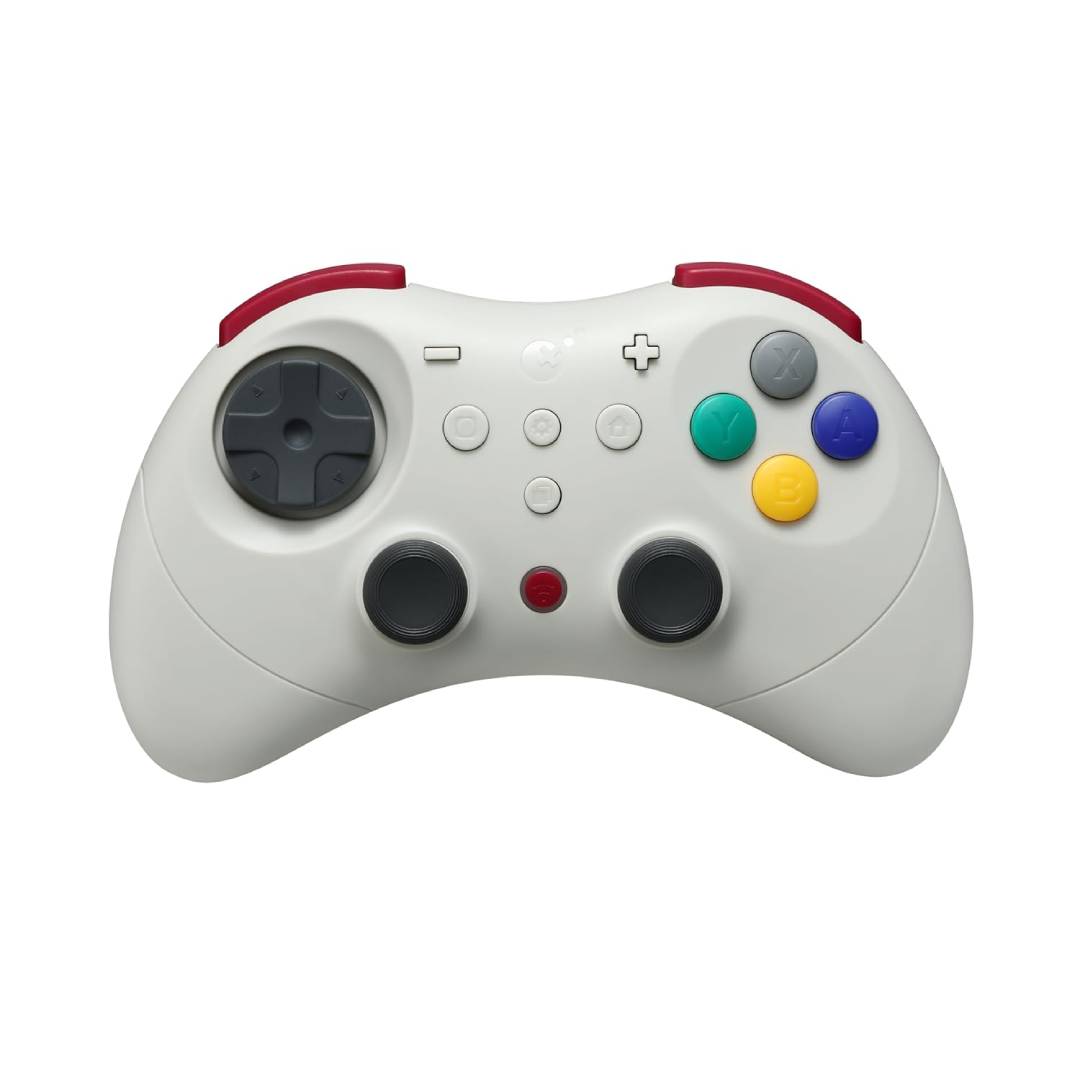
The current market for retro controllers has shifted toward addressing these specific pain points. By incorporating modern technology—such as Hall-effect sensors that eliminate stick drift, high-speed wireless protocols, and refined chassis designs—manufacturers are providing a way to preserve the spirit of the original gaming experience while removing the friction of thirty-year-old hardware.
Chronology of the Retro Controller Evolution
The evolution of these controllers didn’t happen overnight. It began with the rise of the emulation scene, which forced a demand for USB controllers that mimicked classic layouts.
- Early 2010s: The emergence of specialized brands like 8Bitdo brought high-quality, Bluetooth-enabled clones to the market, primarily targeting PC and mobile users.
- Mid-2010s: The "Retro Receiver" revolution. Companies began developing dongles that plugged into the controller ports of original consoles, allowing users to pair modern Bluetooth controllers with authentic hardware.
- 2020–Present: The "Bespoke Era." Manufacturers like Retro Fighters and GuliKit have moved beyond simple cloning. They are now producing controllers with Hall-effect sensors, internal rumble, and modernized ergonomics that feel purpose-built for specific console libraries, effectively creating the "ultimate" versions of vintage hardware.
Top Picks: The Best Retro Controllers on the Market
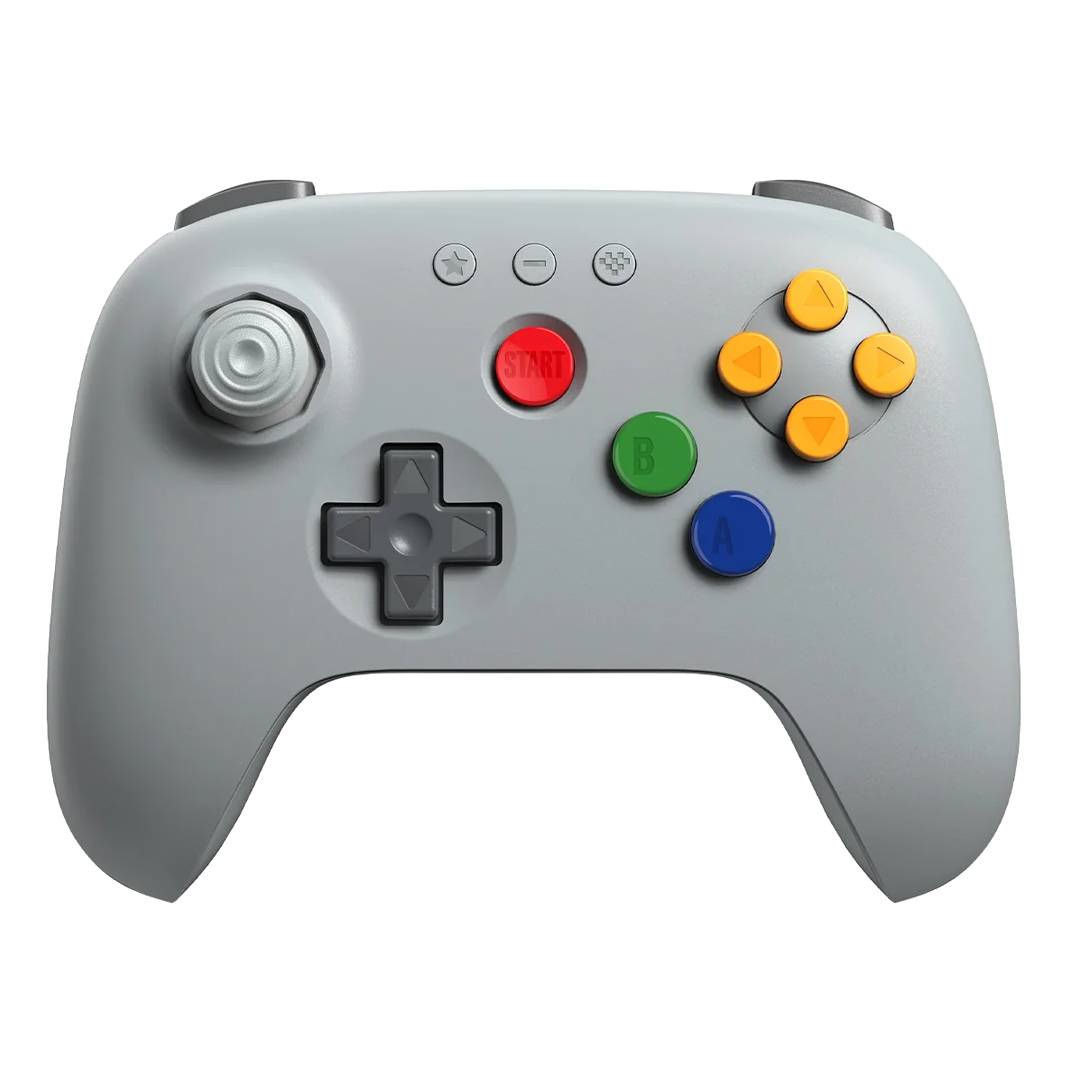
1. GuliKit Elves 2 Pro: The All-Rounder
The GuliKit Elves 2 Pro is a marvel of versatility. Rather than attempting to mimic a single console’s aesthetic, it serves as a universal surrogate for everything from the Sega Genesis to the PlayStation 2. Featuring dual Hall-effect thumbsticks, a high-quality floating D-pad, and extensive on-board macro capabilities, it is the premier choice for gamers who want a one-size-fits-all solution. While it requires separate wireless adapters for original consoles, its performance is indistinguishable from wired alternatives.
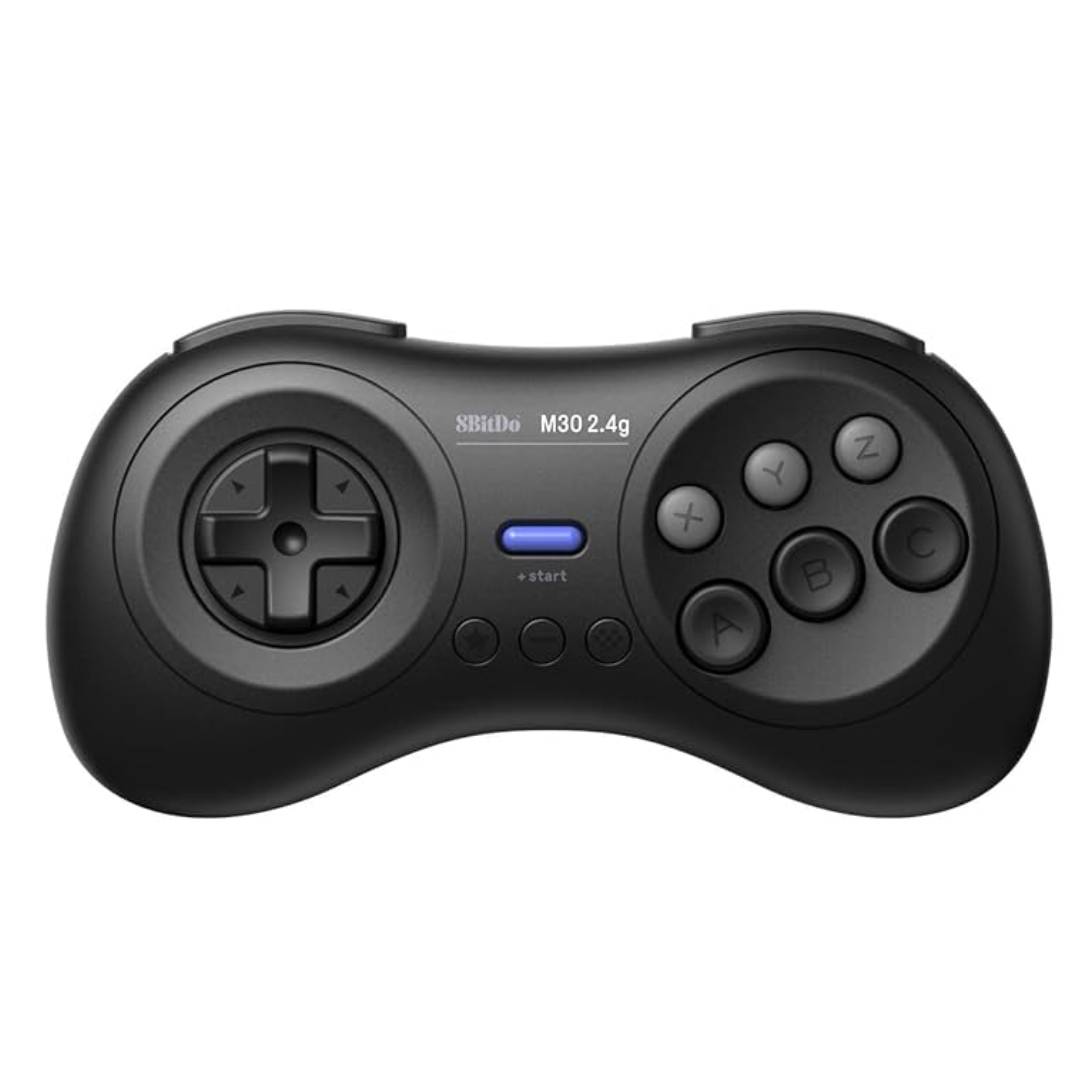
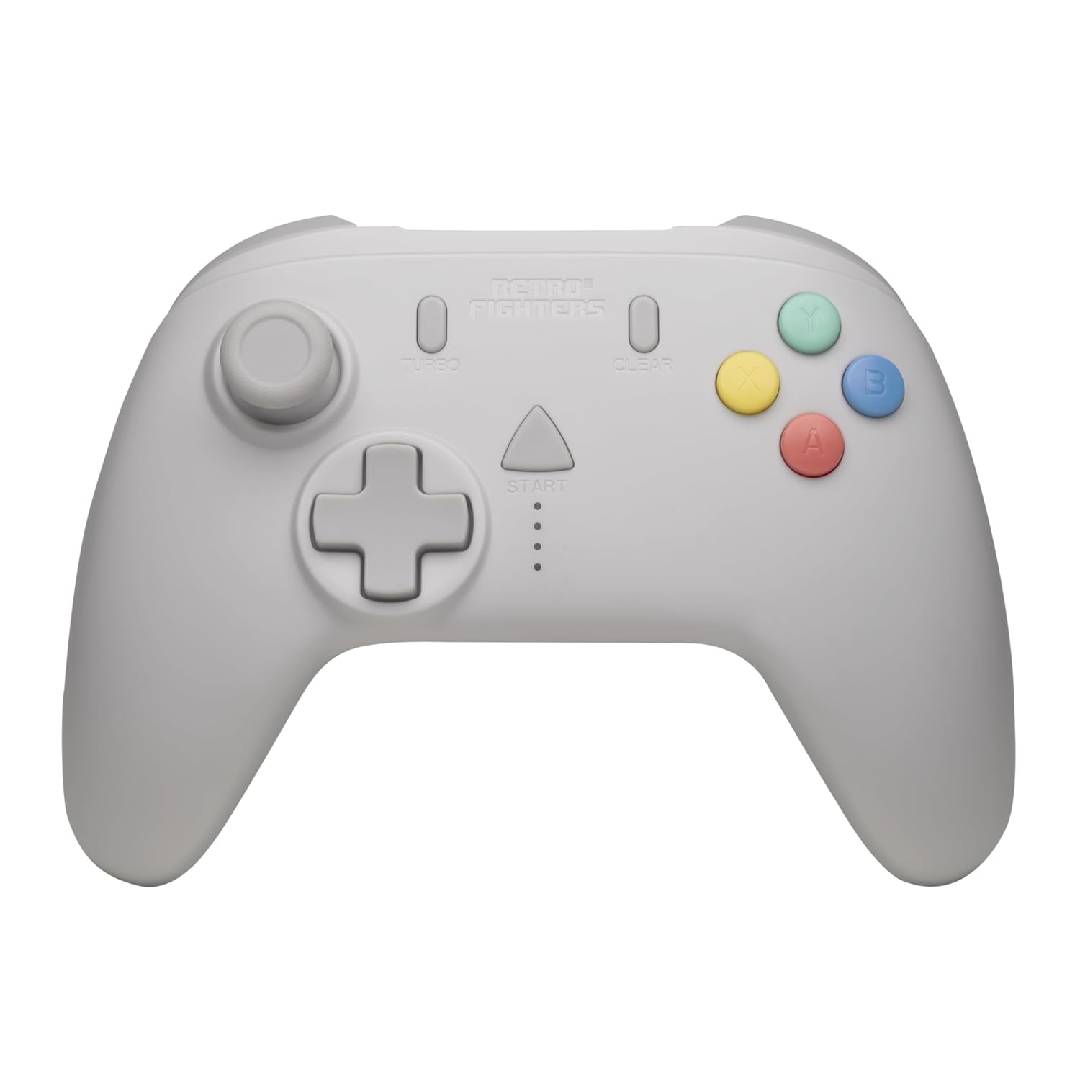
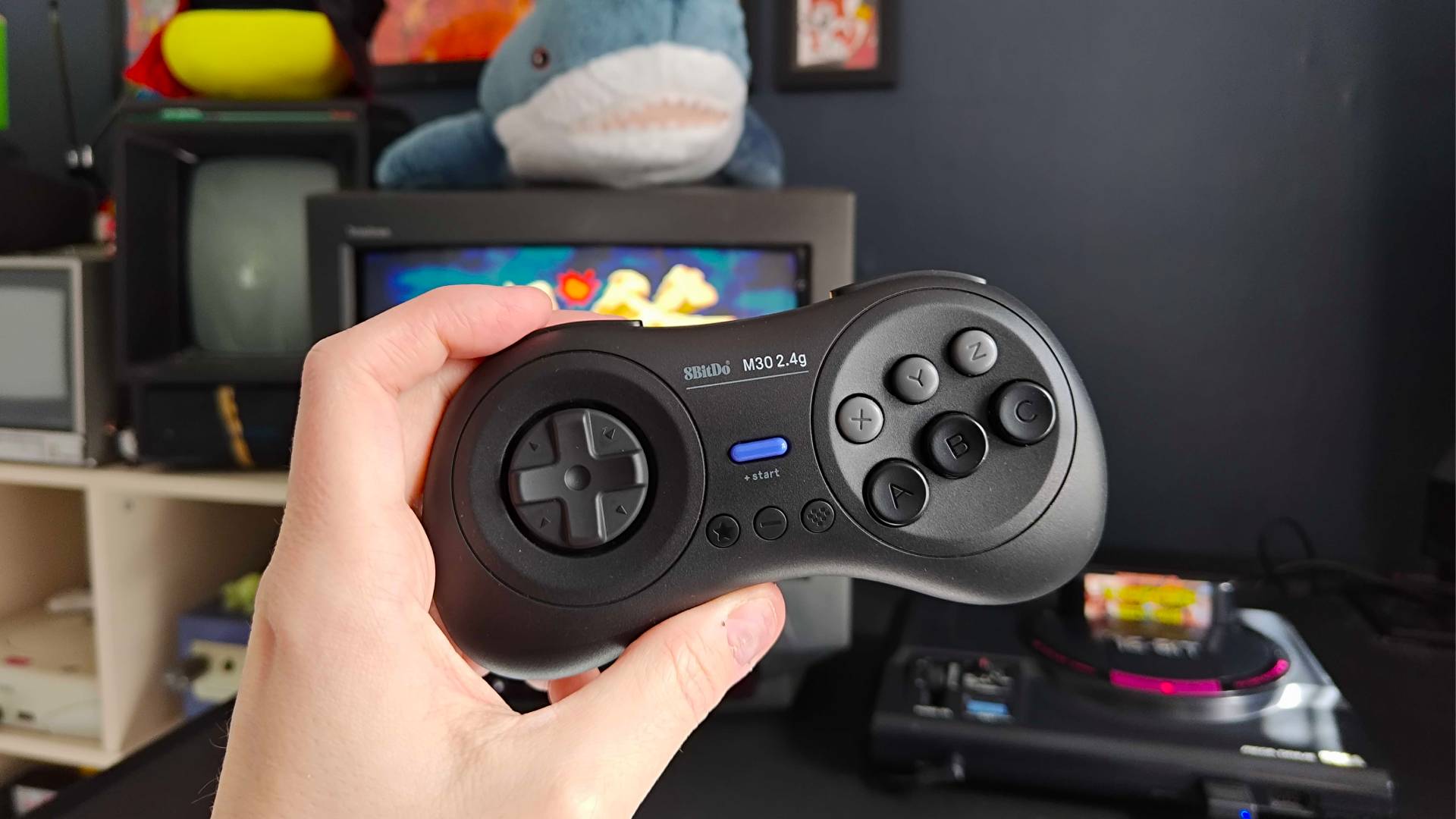
2. 8Bitdo M30 2.4G: The 16-Bit Champion
For the Sega Mega Drive/Genesis enthusiast, the 8Bitdo M30 is virtually peerless. It refines the legendary six-button Japanese fighting pad layout with superior ergonomics. By utilizing a dedicated 2.4GHz receiver rather than Bluetooth, it offers a lag-free experience that satisfies even the most demanding frame-accuracy requirements for titles like Sonic the Hedgehog or Street Fighter II.
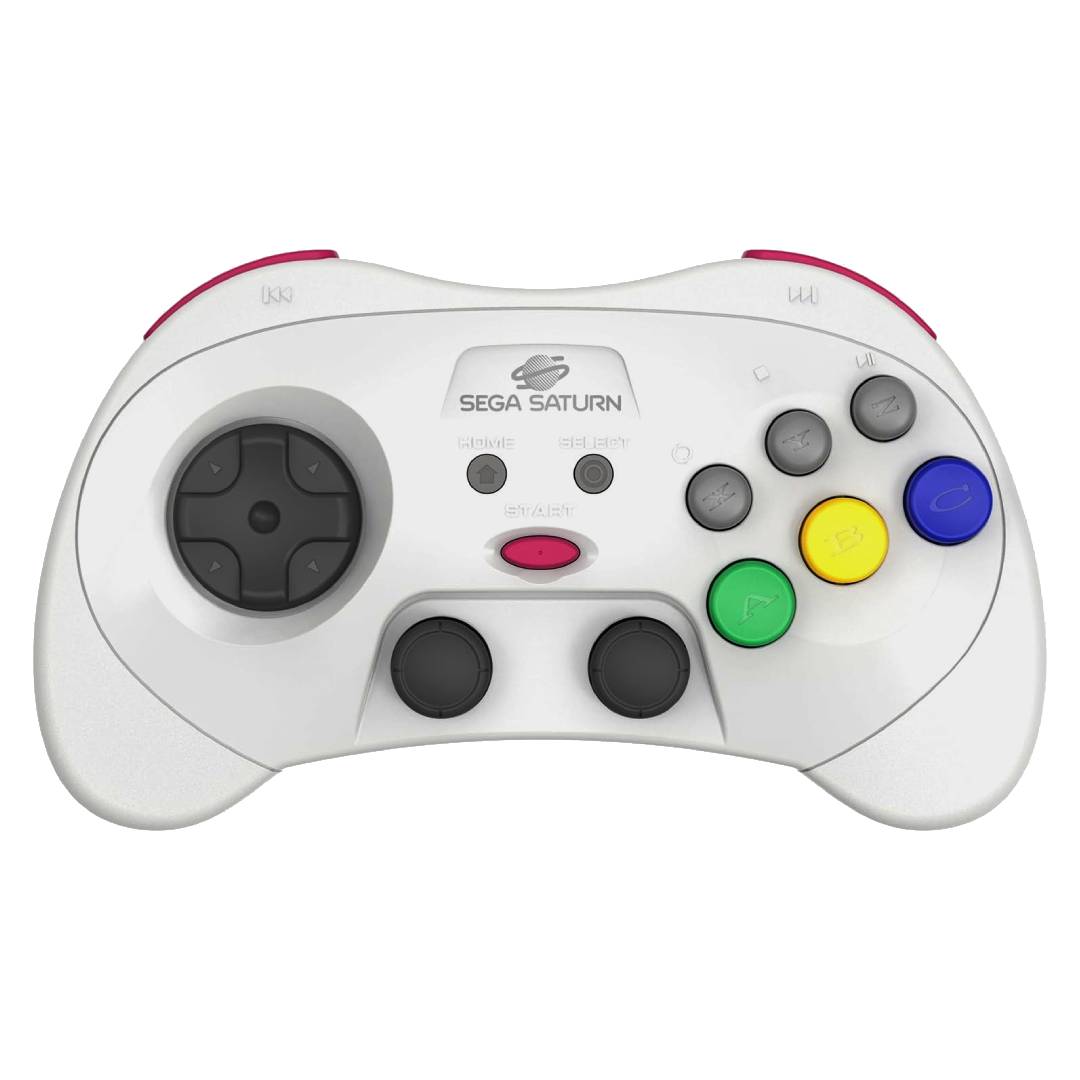
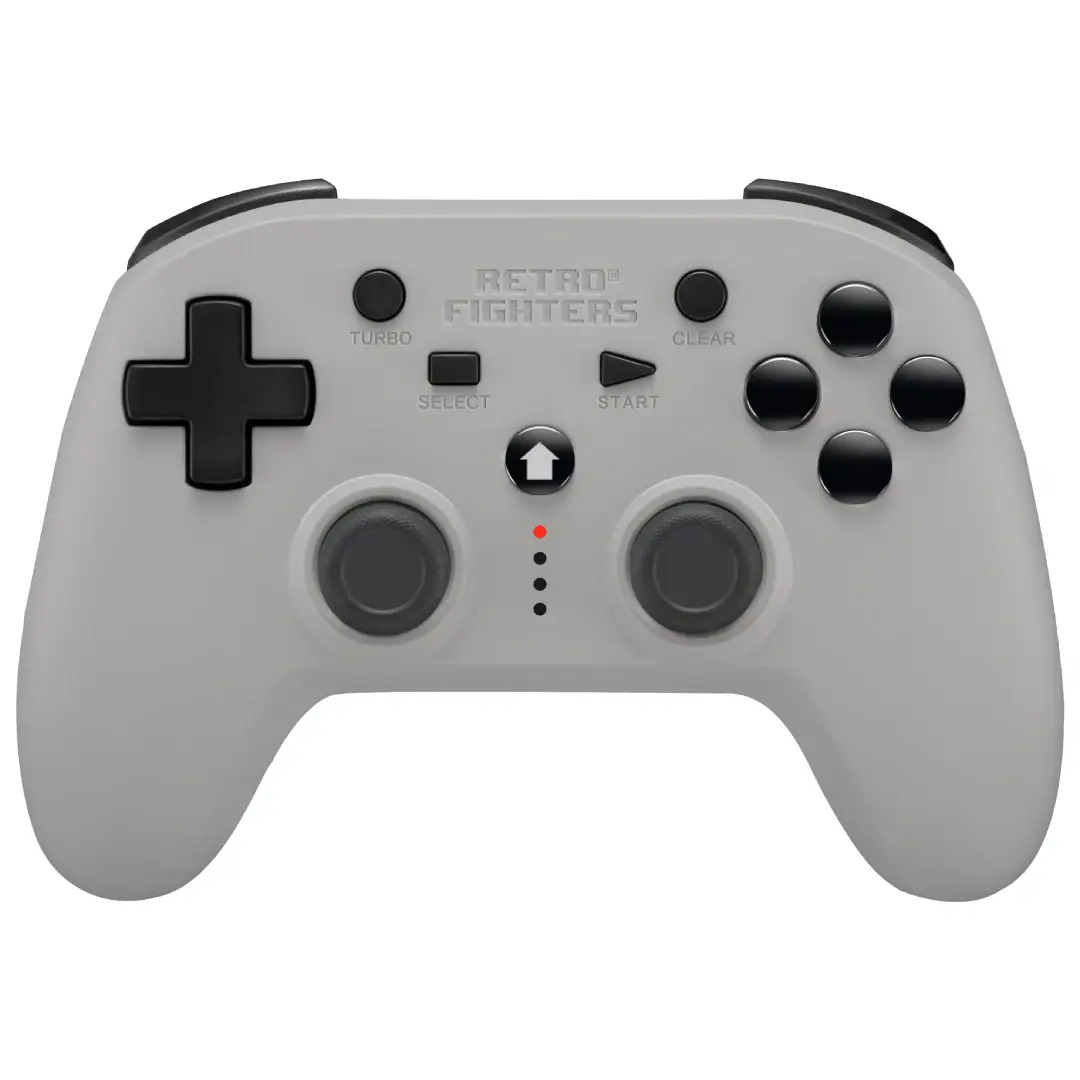
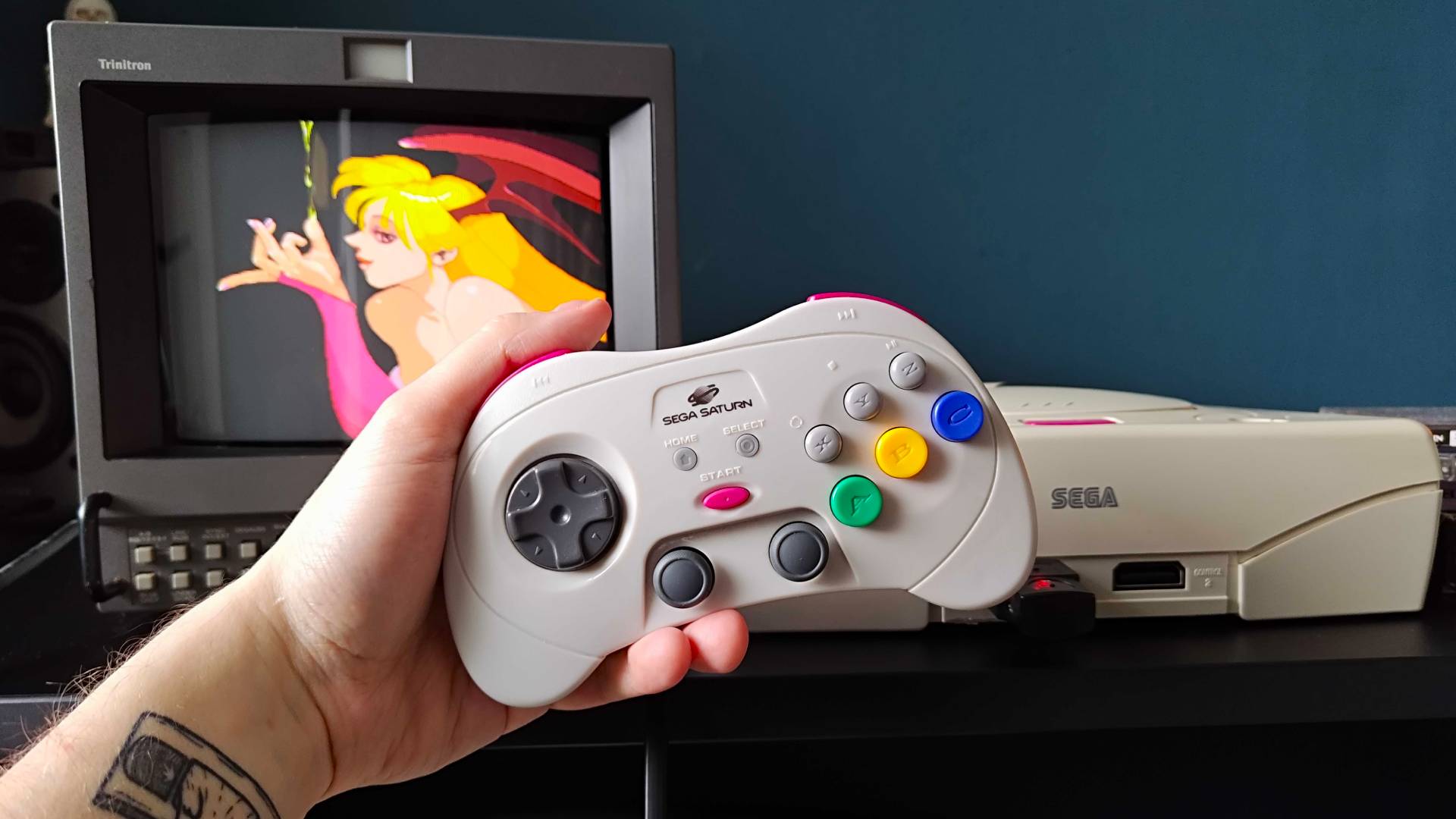
3. Retro-Bit Sega Saturn Pro
Despite some minor aesthetic complaints from purists regarding the logo placement, the Retro-Bit Saturn Pro is the definitive way to play the Saturn library. It bridges the gap between 2D and 3D gaming by including both a classic six-button digital layout and modern analog sticks, allowing it to function as a 3D Control Pad when needed.
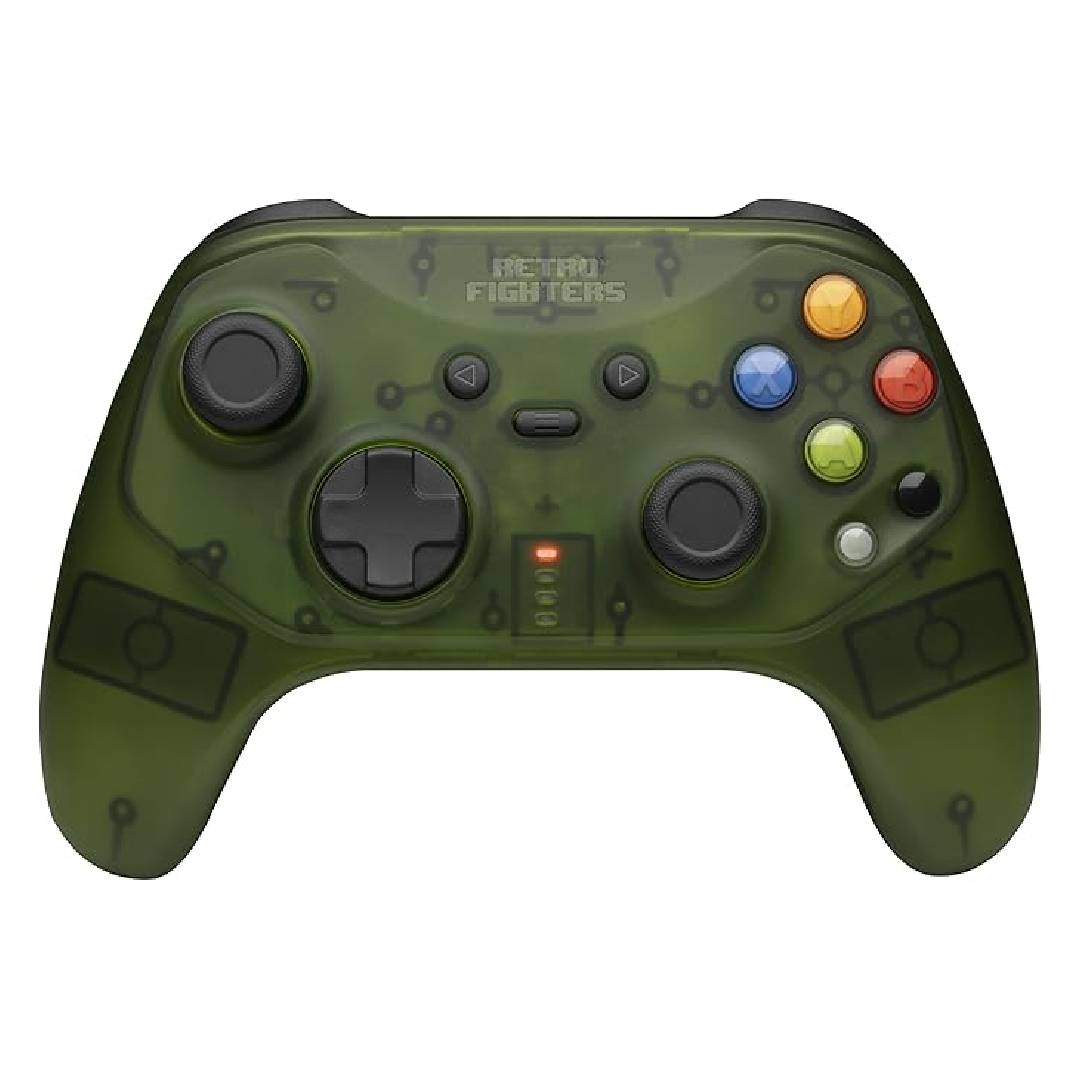
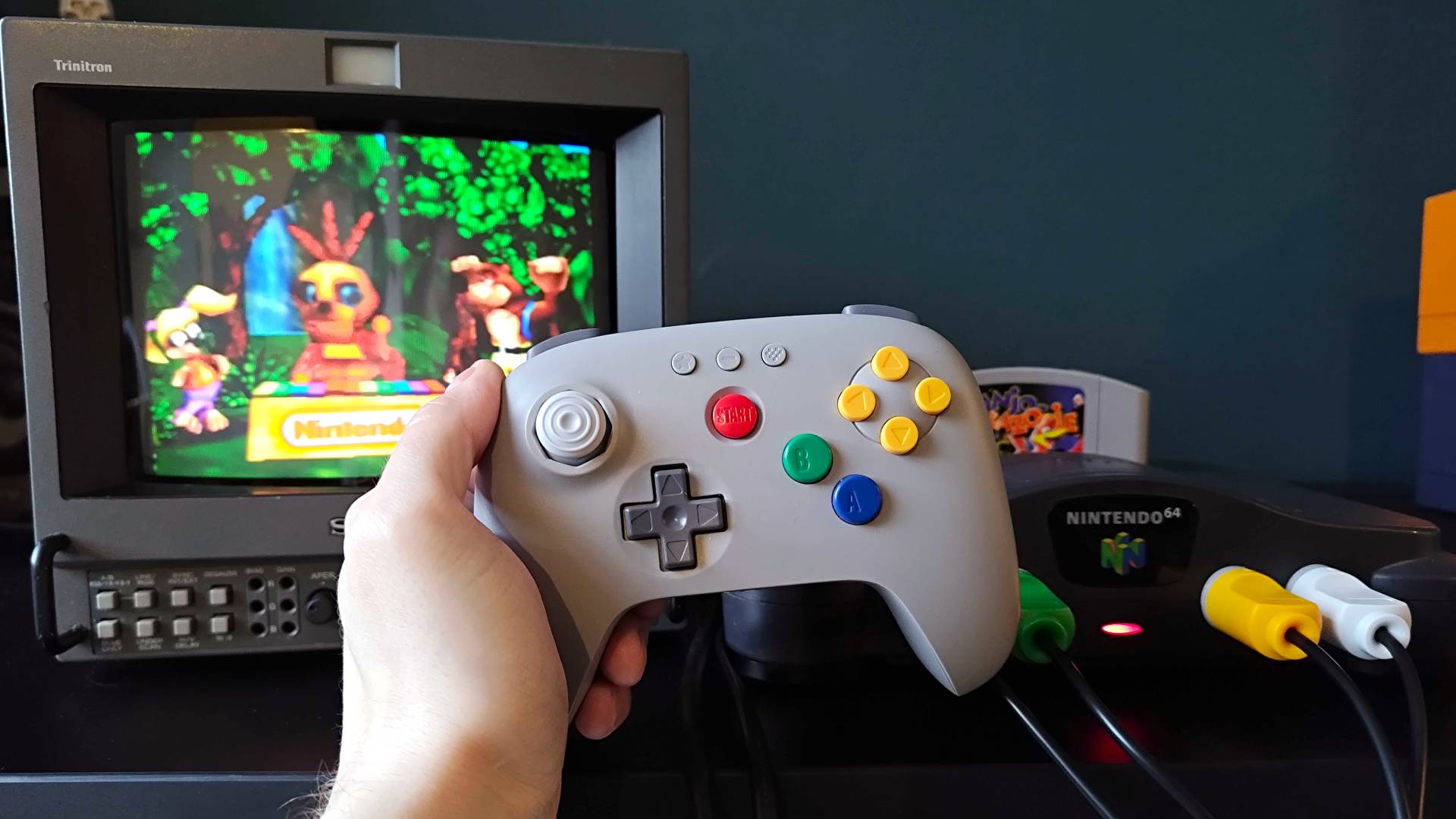
4. 8Bitdo N64 Controller
The N64 controller’s "spaceship" design has been a point of contention for decades. 8Bitdo’s modernization keeps the layout familiar but shifts the controls onto a shell that feels like a standard modern gamepad. It effectively solves the ergonomic nightmare of the original while maintaining the specific button inputs required for early 3D camera control.
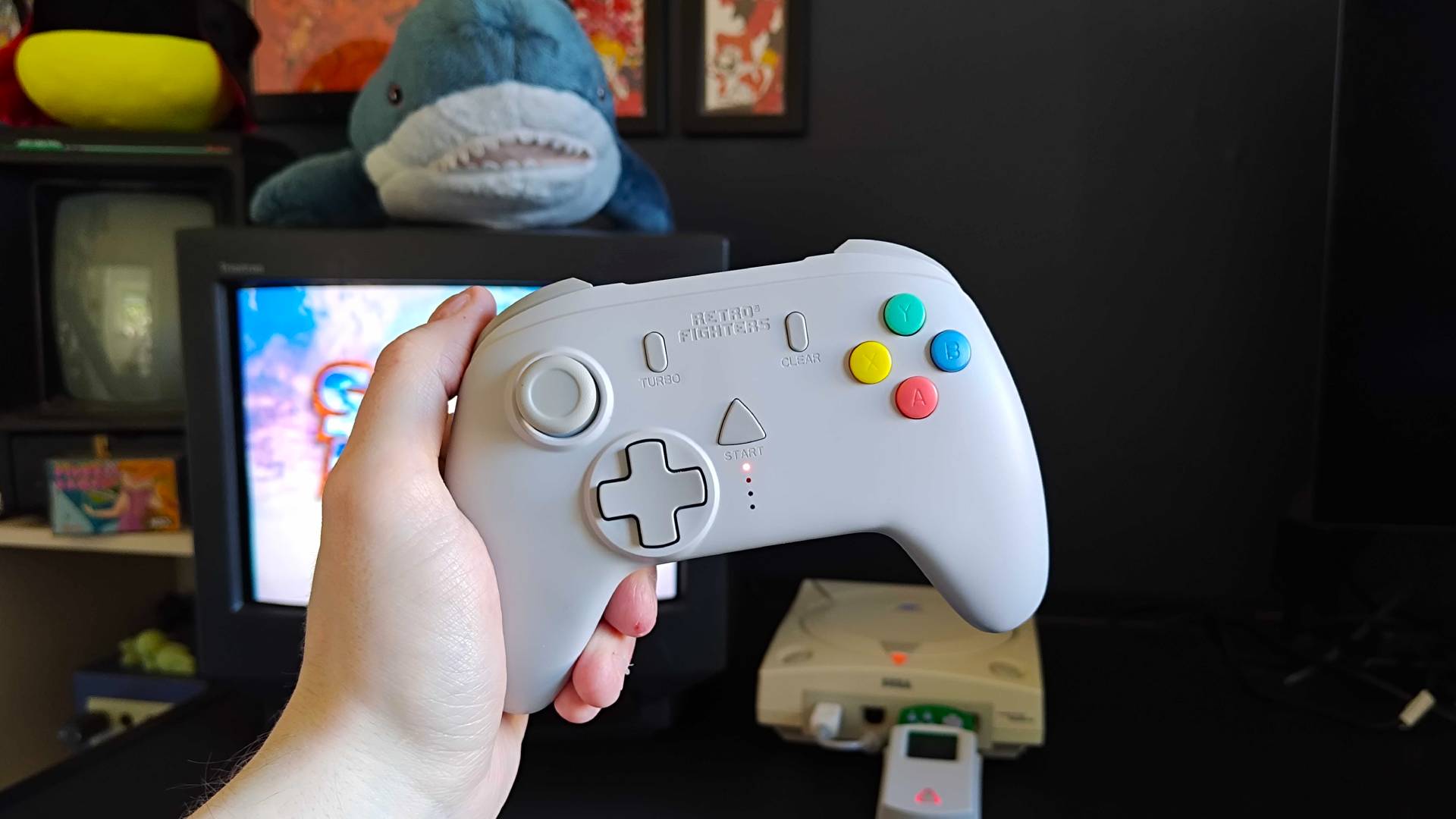
5. Retro Fighters StrikerDC
The Sega Dreamcast had a unique, single-stick controller that defined its era. The StrikerDC honors this while upgrading the internal tech to Hall-effect sensors. Its most clever innovation is the 2.4GHz receiver that doubles as a dock for the VMU (Visual Memory Unit), allowing players to retain the original console’s quirkier features without being tethered by a cord.
Supporting Data: Why Tech Matters
The transition to modern hardware is backed by significant technological improvements.
| Feature | Original Controllers | Modern Bespoke Pads |
|---|---|---|
| Connectivity | Wired (proprietary) | 2.4GHz / Bluetooth / USB-C |
| Stick Technology | Potentiometers (Drift-prone) | Hall-Effect (Drift-free) |
| Ergonomics | Era-specific | Modernized / Enhanced |
| Latency | Near-zero (Wired) | <5ms (2.4GHz) |
The adoption of Hall-effect sensors is perhaps the most critical advancement. Traditional potentiometers rely on physical friction to detect input, which inevitably wears down over time, leading to the dreaded "stick drift." Hall-effect sensors use magnets to track position, meaning there is no physical contact between the sensor and the stick, ensuring that the controller remains precise for years, if not decades.

Implications for the Retro Community
The rise of these high-quality alternatives has profound implications for the gaming community. First, it democratizes the hobby. You no longer need to spend hours scouring auction sites for a "mint condition" controller that might still fail within weeks of use. Second, it encourages the preservation of original hardware. By using wireless adapters, players can keep their original controllers in display cases, protected from the wear and tear of daily use, while still enjoying the authentic feel of the original console.
However, there is a lingering concern regarding "fragmentation." Because manufacturers often release different versions of the same controller for different systems—or force users to buy separate adapters—the cost of entry can be high. To truly enjoy a modern, wireless retro experience, one must invest in a "receiver ecosystem," collecting various dongles and adapters that may not be compatible with each other.
FAQ: Common Concerns
Q: Do wireless retro controllers have input lag?
A: Yes, there is technically more latency than a direct-wired connection. However, modern 2.4GHz wireless technology typically introduces only 3–5 milliseconds of lag, which is imperceptible to 99% of players. Bluetooth adds slightly more (around 10ms), which may be felt by high-level speedrunners but is negligible for casual play.
Q: Should I buy third-party controllers?
A: Historically, third-party meant "cheap and broken." Today, the narrative has flipped. Companies like 8Bitdo, GuliKit, and Retro Fighters are often producing hardware that exceeds the build quality of the original, officially licensed products.
Q: How do I prevent stick drift?
A: Always opt for controllers labeled with "Hall-effect" or "TMR" (Tunnel Magnetoresistance) sensors. These are the gold standards for durability in the modern market.
Conclusion
The pursuit of the perfect retro gaming experience is no longer about settling for the limitations of the past. It is about leveraging the best of modern engineering to honor the games that defined our childhoods. Whether you are spinning through Sonic on a Sega Genesis or navigating the complex 3D environments of The Legend of Zelda: Majora’s Mask, these bespoke controllers ensure that your performance is limited only by your skill, not by the decaying components of a thirty-year-old plastic shell. By investing in modern, high-fidelity peripherals, we aren’t just playing old games—we are ensuring they remain playable for generations to come.


 Nana
Nana