Muslim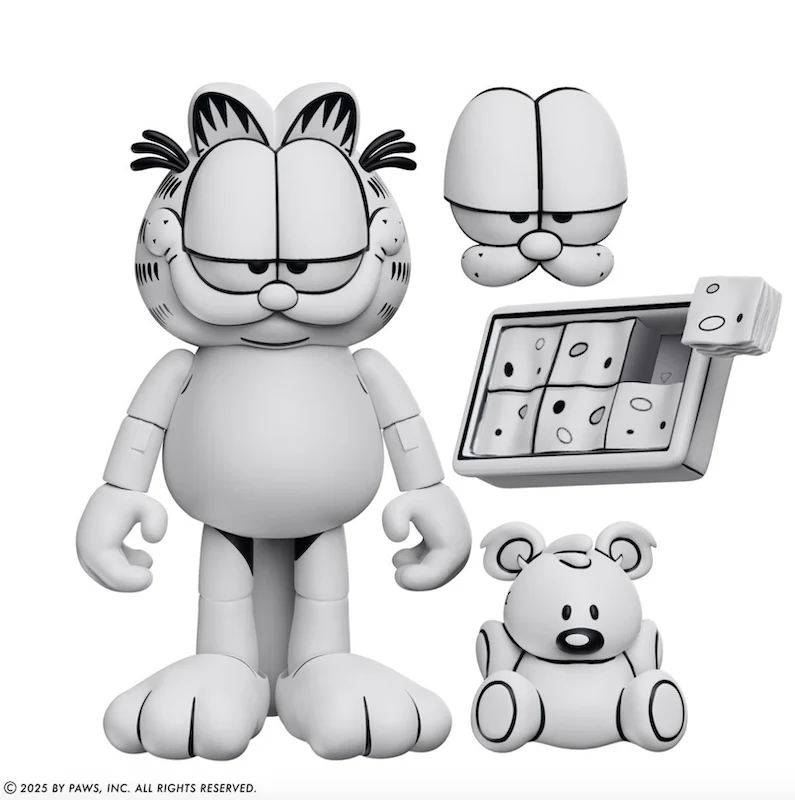
In the landscape of pop culture collectibles, few characters possess the cross-generational appeal of Jim Davis’s iconic lasagna-loving feline, Garfield. Since his debut in 1978, the cynical, orange tabby has dominated newspapers, television, and cinema. Now, in a nod to the medium that birthed the character, Boss Fight Studio has unveiled a unique, monochromatic action figure that captures the classic aesthetic of the original newspaper comic strips. This exclusive release, currently available through Entertainment Earth, marks a significant milestone in both the character’s merchandising history and the toy manufacturer’s growing portfolio.
The Main Event: A Monochromatic Masterpiece
Boss Fight Studio has officially released the "Garfield Comic Strip" action figure, a collector’s item that eschews the traditional vibrant orange palette in favor of a stark, high-contrast black and white design. This artistic choice is intended to pay homage to the ink-on-newsprint origins of the character, providing a nostalgic aesthetic that appeals to both long-time fans of the comic and modern collectors of high-end, stylized figures.
Priced at $29.99, the figure is part of Entertainment Earth’s ongoing 30th-anniversary celebration. By stripping away the color, the design emphasizes the bold lines and expressive character work that Jim Davis utilized for decades to convey Garfield’s signature sarcasm and sloth. The figure serves as a tangible representation of a medium that, for many, defined the morning routine of the 20th century.
A Chronology of Garfield’s Evolution in Toy Form
To understand the significance of this release, one must look at the history of Garfield as a commercial entity.
The Early Years (1980s)
Following his 1978 debut, Garfield quickly became a licensing juggernaut. The 1980s saw an explosion of Garfield merchandise, most famously the suction-cup plush toys that adorned the windows of millions of cars. These early items were mass-produced, soft-goods oriented, and focused on the "cute" factor of the character.
The Transitional Period (1990s–2000s)
As the brand transitioned into the 21st century, the focus shifted toward interactive and digital media. The live-action films brought a CGI version of the cat to the forefront, resulting in a shift in merchandise design toward 3D modeling and more complex plastic sculpts. However, these figures often prioritized cinematic accuracy over artistic expression.
The Modern Collector Era (2020–Present)
The current era, spearheaded by companies like Boss Fight Studio, represents a shift toward the "adult collector" market. Collectors today value articulation, premium paint applications, and thematic integrity. The release of the black-and-white comic strip figure reflects a sophisticated understanding of this demographic, moving away from simple "toy" status toward "display art."
Supporting Data and Market Availability
For the modern collector, accessibility and shipping logistics are as important as the figure itself. The current release strategy for the Boss Fight Studio Garfield figure leverages two of the industry’s most prominent retailers: Entertainment Earth and BigBadToyStore.
- Entertainment Earth: As the primary host for this exclusive, Entertainment Earth is offering several incentives. Beyond the standard retail price, collectors can utilize a 10% discount code (EARTH10) on all in-stock items. Furthermore, the retailer offers free shipping on orders exceeding $79, encouraging collectors to bundle their purchases—perhaps by adding other Boss Fight Studio products to their cart.
- BigBadToyStore: Known for their robust "Pile of Loot" system, which allows collectors to accumulate multiple items in a single warehouse space before shipping them in one package, BigBadToyStore remains a primary competitor. Their $6 flat-rate shipping in the United States provides a cost-effective alternative for collectors who may not reach the free-shipping threshold at other retailers.
The market demand for this figure is bolstered by the scarcity of "art-style" figures. While orange Garfield figures are ubiquitous, a black-and-white version serves as a "chase" or "variant" that stands out in a crowded display shelf, thereby increasing its long-term value for secondary market collectors.
Official Responses and Industry Context
While Boss Fight Studio has remained relatively quiet regarding specific sales projections, industry analysts point to the "nostalgia economy" as a primary driver for the success of this line. By partnering with legacy brands like Garfield, manufacturers are tapping into the disposable income of Gen X and Millennial consumers who grew up with the comic strip.
Representatives from the toy manufacturing sector have noted that the "black and white" aesthetic is a growing trend. From superhero figures rendered in "vintage" colors to pop-culture icons given the "manga shade" treatment, collectors are demonstrating a clear preference for items that prioritize artistic intent over hyper-realism. Boss Fight Studio’s decision to apply this to Garfield is viewed as a calculated, low-risk, high-reward move that appeals to the character’s core demographic while simultaneously attracting "toy photographers" who value high-contrast figures for social media content.
Implications for the Future of Licensed Collectibles
The success of this Garfield figure suggests several shifts in the toy industry that will likely define the coming years:
1. The Rise of the "Niche Variant"
Manufacturers are moving away from producing singular, definitive versions of characters. Instead, we are seeing a proliferation of variants—black and white, metallic, translucent, or "battle-damaged." These variants keep the brand relevant without requiring the expensive development of new molds, allowing for a steady stream of revenue while maintaining collector interest.
2. Direct-to-Consumer (DTC) Exclusivity
The partnership between Boss Fight Studio and Entertainment Earth highlights the importance of exclusive retail windows. By limiting the availability of certain paint schemes to specific retailers, manufacturers drive traffic to those platforms, strengthening their business relationships and ensuring that their products remain a "destination" item.
3. Sustainability and the "Pile of Loot" Model
With rising shipping costs and environmental concerns regarding packaging, the industry is seeing a move toward consolidated shipping. The "Pile of Loot" model, championed by BigBadToyStore, is becoming the gold standard for collector-focused retail. It reduces the carbon footprint of individual shipments and aligns with the purchasing habits of collectors who prefer to buy in bulk.
Conclusion: A Must-Have for the Garfield Connoisseur
The Boss Fight Studio Garfield black and white figure is more than just a piece of plastic; it is a celebration of a cultural icon. By stripping away the color, the designers have allowed the soul of the character—his weary, sarcastic expression—to take center stage.
For those looking to add this piece to their collection, the current landscape offers favorable conditions. Whether utilizing the discount codes provided by Entertainment Earth or leveraging the flexible shipping options of BigBadToyStore, collectors have ample opportunity to secure this piece of comic history. As the toy industry continues to evolve toward more specialized, collector-oriented products, one thing remains clear: Garfield’s appetite for attention is as insatiable as his appetite for lasagna. This figure is not just a reminder of the past, but a testament to the enduring power of classic characters in an ever-changing collector market.
As you consider adding this piece to your shelf, remember that these limited-run exclusives often appreciate in value once the initial stock is depleted. The combination of a recognizable brand, a unique aesthetic, and a reputable manufacturer makes this an essential acquisition for any serious enthusiast. Whether you are a long-time reader of the Sunday papers or a new fan of the Boss Fight Studio line, this figure offers a perfect balance of nostalgia and modern quality.


 Evan Lee Salim
 Nana Wu