Sagoh
Sagoh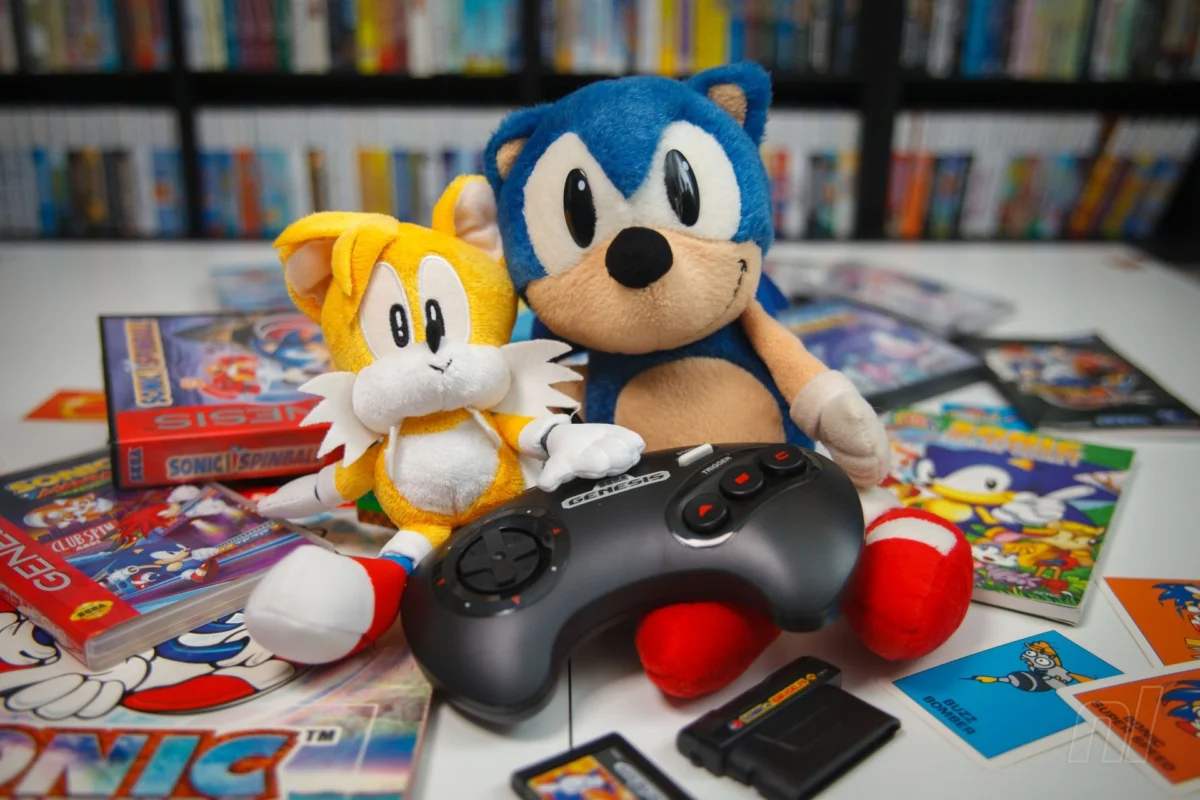
The blue blur, an enduring icon of the gaming world, continues to captivate audiences worldwide, marking 35 years of thrilling adventures and unforgettable moments.
Sonic the Hedgehog, a character synonymous with speed and attitude, has transcended the realm of video games to become a global cultural phenomenon. For over three and a half decades, this spiky protagonist has navigated an ever-evolving landscape of game design, technological advancements, and shifting player preferences, solidifying his place alongside gaming royalty like Mario and Pac-Man. His recent cinematic triumphs have only amplified his reach, proving that Sonic’s appeal is as potent today as it was when he first burst onto the scene.
This milestone anniversary invites a moment of reflection, a nostalgic journey back through the annals of Sonic’s illustrious career. From his humble beginnings on the Sega Mega Drive and Genesis to his sprawling 3D adventures and successful film adaptations, Sonic has consistently pushed boundaries and redefined what it means to be a gaming icon. As the team at Nintendo Life looks back on their cherished memories, it becomes clear that Sonic’s legacy is not just about speed, but about the unique blend of gameplay, artistry, and pure, unadulterated fun that has resonated with generations of players.
The Genesis of an Icon: Early Years and Defining Moments
The story of Sonic the Hedgehog began in 1991 with the release of Sonic the Hedgehog on the Sega Mega Drive. Developed by Sonic Team, the game was designed to be a flagship title for Sega’s console, directly challenging Nintendo’s dominant mascot, Mario. The core concept was simple yet revolutionary: unparalleled speed. Sonic’s ability to race through vibrant levels at breakneck pace, coupled with a distinctive attitude and a memorable soundtrack, quickly captured the imaginations of gamers.
The early titles, including Sonic the Hedgehog 2 and Sonic the Hedgehog 3 & Knuckles, are often hailed as pinnacles of 2D platforming. These games not only refined Sonic’s gameplay mechanics, introducing new abilities and characters like Tails and Knuckles, but also showcased stunning visual design and unforgettable musical compositions. The introduction of the "spin dash" in Sonic 2 further enhanced the feeling of speed, while the innovative lock-on technology of Sonic & Knuckles allowed for seamless integration of multiple game cartridges, offering extended experiences and replayability.

The introduction of specific zones within these early games became legendary. For many, the first encounter with Sonic was through the vibrant loops and checkered hills of Green Hill Zone. However, as players progressed, they encountered levels that challenged their skills and imprinted themselves on their memories.
Alana Hagues, deputy editor, recalls her formative experiences: "The very first video game I ever played was Sonic the Hedgehog 3. It’s also one of the very first memories I have of life in general… But Sonic & Knuckles perhaps had a bigger impact, or perhaps, should I say, Flying Battery Zone. I love this stage, but I hated it as a kid because I’d always get stuck here. I’d get squashed by the corkscrews or run into an enemy and lose my shield, or the magnets would relax and it’d be crushed by spikes. Needless to say, when I finally beat it, I was elated. I had to show everyone."
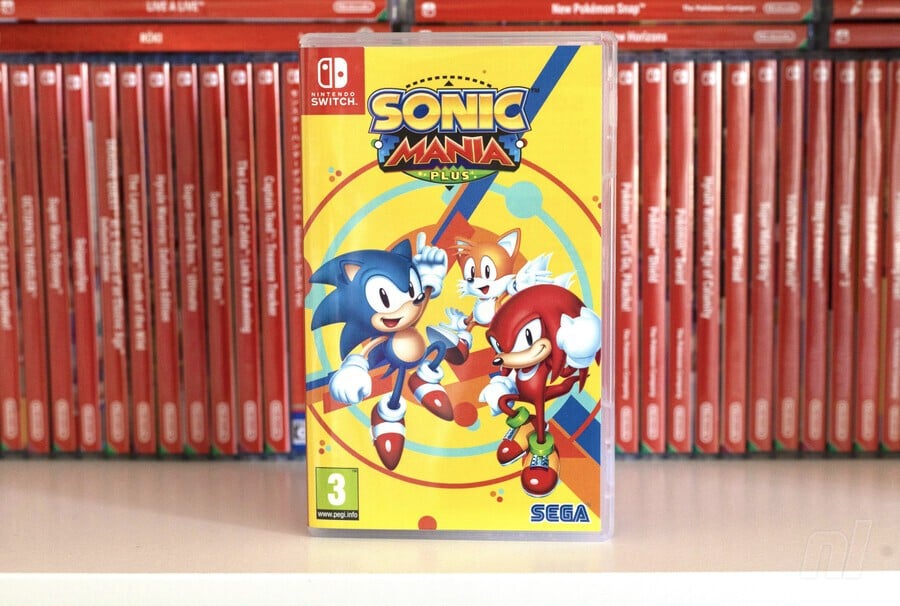
Hagues further elaborates on her appreciation for Sonic Mania, a modern testament to the series’ 2D roots: "As for my favourite levels? Pinch me – how is Sonic Mania almost 10 years old? Anyway, I have a soft spot for winter and snow levels, and Ice Cap Zone from Sonic 3 is incredible, but I fell in love with Press Garden‘s unique blend of influences immediately back in 2017. A printing press in the middle of a snow-covered Japanese garden? Sure! Act 1’s factory section is completely different to any other industrial level we’ve seen in a 2D Sonic game. Springy conveyor belts, newspapers flying off in the background, mushroom and tree-shaped platforms, and magenta-coloured leaves hinting at what’s to come. It’s a puzzly, platforming delight. Then Act 2 kicks in and you’re transported to a winter wonderland filled with shrines and sprinkles of cherry blossoms. It shouldn’t feel like a natural transition, but it does. It’s one of the most creative Sonic levels, and complete with Tee Lopes’ lush music, it’s an all-timer for me."
The Leap to 3D and Evolving Gameplay
The transition to 3D gaming presented a significant challenge for many established franchises, and Sonic was no exception. While Sonic Adventure on the Dreamcast was a bold step forward, introducing expansive environments and a new narrative focus, it also highlighted the difficulties in translating Sonic’s signature speed and precision to a three-dimensional space. Despite initial criticisms, these early 3D entries laid the groundwork for future innovations and introduced beloved characters and worlds.
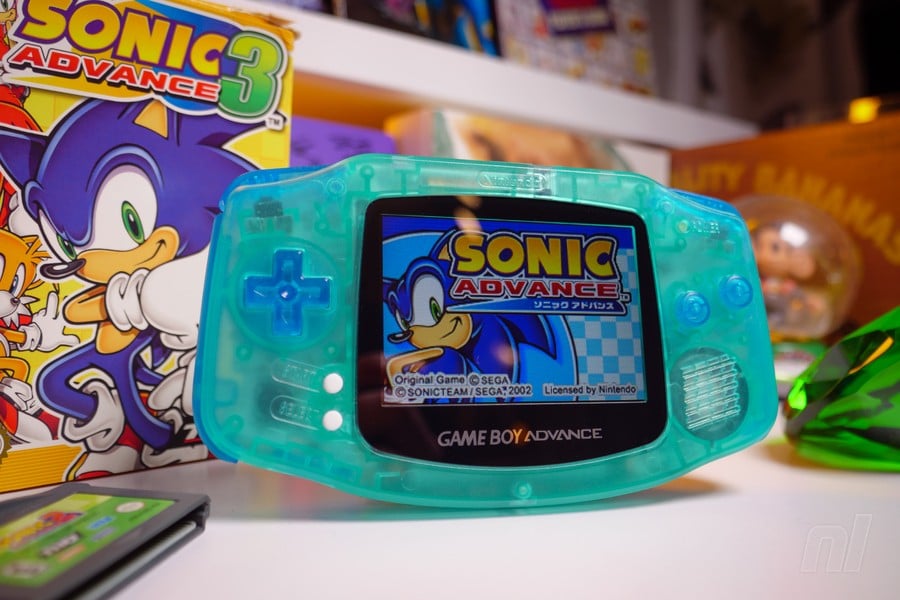
Jim Norman, features editor, reflects on a title that often sparks debate: "I was never the biggest Sonic fan growing up. I played the Advance games on my GBA and have some Sonic Adventure memories at my friend’s house, but when I think about the first Sonic game that I was really obsessed with, it has to be Sonic Unleashed. Is it still a hot take to say that? I feel like people are slowly coming around on it! Either way, I was 10 when Unleashed came out, and any criticisms could get in the bin because it was 3D Sonic who sometimes turned into a werewolf. How cool is that!"
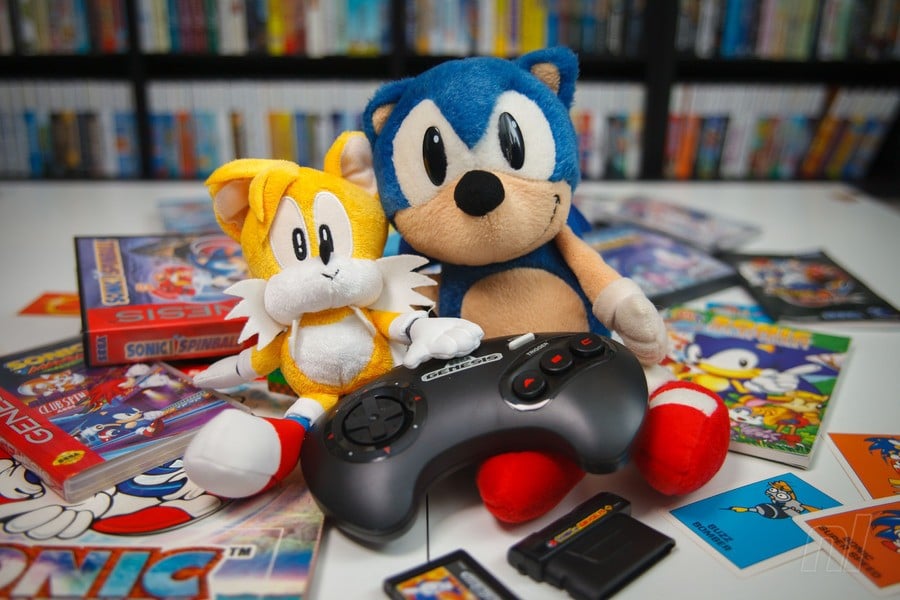
Norman highlights a standout level from Unleashed: "The standout stage for me, unsurprisingly, was Rooftop Run. I still know it like the back of my hand. It has such a wonderful summer vibe in its winding European streets and upbeat music, and I distinctly remember losing my mind at the ascent up the central clock tower, followed by the steep rail drop from the top. It’s just so flipping fun." He also acknowledges the enduring appeal of Sonic Mania, stating, "Beyond that, Sonic Mania tickled me more than any other game in the interim. Every single stage from it belongs on this list, but you expect me to go any longer without mentioning the funkiest of funky Studiopolis soundtrack? There’s no wolf, but damn, it’s a blast."
Ollie Reynolds, reviews editor, fondly remembers the era of Sonic Adventure 2: Battle: "I have such fond memories of high school. Not the school part, you understand, but rather the bits in between: watching Dragonball Z on Cartoon Network when I got home, chatting to girls I liked on MSN, and playing the GameCube for an ungodly number of hours before discussing it with my friends the next day. One game that dominated the conversation for a while was Sonic Adventure 2: Battle. Even back then, I could sense that it wasn’t an all-timer – my heart truly belonged to Metroid Prime and Super Mario Sunshine – but I adored it regardless. The opening City Escape stage alone remains one of the finest experiences I’ve ever had in a Sonic game, but it was really the Chao Garden that gobbled up my time the most."
Reynolds’s nostalgic recollection of the Chao Garden underscores a unique aspect of Sonic’s evolution: the incorporation of engaging side-activities that offered a different pace from the main gameplay. "I was never very good at raising Chaos – not compared to my friends, at least. I think I just lacked the patience, and I normally wound up breaking one of the eggs by chucking it around too much. It was so delightful, though, and that achingly cheerful music is still embedded in my brain to this very day." He expresses his continued affection for the "I’m not lying when I say that the one reason I still own an Xbox Series X is because I own Sonic Adventure 2 on it. It’s frankly criminal that Sega hasn’t put it on Switch yet in some fashion. Maybe it’s destined to be added to NSO soon…"
Gavin Lane, editor, offers a perspective that bridges the classic and modern eras: "I’ve written before about Christmas morning 1992 with Sonic 2, so I won’t repeat go over old ground. The early games came during a formative blue-sky gaming period for me, though, and the audio-visual polish coupled with the flowing level design and brilliant music made such an impression. I doubt the later 3D entries could have lived up to them even if they’d all been Mario 64-grade triumphs. These days, it’s the Sonic Racing games which, for me, capture the flow of the originals better than any of the 3D entries, but let’s not bang the tired ‘crusty gamer doesn’t like 3D Sonic’ drum. Different strokes!"
Lane then delves into a personal favorite: "As for great levels, I could have named pretty much any zone from the 2D MD games as a favourite, but I’ve gone with Marble Garden, as beyond the brilliant soundtrack and gorgeous spritework (I love the mauve and orange stonework) I’ve always enjoyed how it fuses elements of past zones – Marble Zone and Aquatic Ruin, I’d say – with brand new, bizarre stage elements like the yoyo thingys. It’s not a mash-up or a remixed riff on what’s come before, but you get a sense of the design lineage and language threading through the series. Sure, I could have picked two dozen other stages, but Marble Garden might be peak – and there’s no water, meaning no panic-inducing countdown to drowning. Shoutouts to those springy fake-spikes and the blue spinning-top you ride – which doesn’t make much sense but also, somehow, makes perfect sense. Also, shoutouts to Scrap Brain Zone and Masato Nakamura and incredible spritework and happy bouncing flowers and Naoto Ohshima. Happy birthday, Sonic."
Supporting Data: The Enduring Popularity of Sonic
The longevity of Sonic the Hedgehog is not merely a matter of nostalgia; it is supported by consistent engagement and a broad appeal that spans generations. The franchise has consistently produced a diverse range of titles, from beloved 2D retro-inspired experiences like Sonic Mania to more ambitious 3D endeavors and even successful ventures into kart racing with the Sonic & All-Stars Racing series.
Beyond the games themselves, the recent live-action Sonic the Hedgehog films have proven to be significant box office successes. The first film, released in 2020, became Paramount Pictures’ highest-grossing opening weekend for a superhero film and the best opening for a feature film based on a video game. Its sequel, Sonic the Hedgehog 2 (2022), not only surpassed its predecessor in box office performance but also introduced beloved characters like Tails and Knuckles, further expanding the cinematic universe and delighting long-time fans. The upcoming Sonic the Hedgehog 3 promises to continue this trajectory, hinting at the inclusion of Shadow the Hedgehog and further solidifying the franchise’s cinematic future.
This multimedia success is a testament to the enduring strength of the Sonic brand. The character’s distinctive design, his fast-paced gameplay, and the rich lore developed over decades have created a powerful intellectual property that resonates deeply with audiences across various platforms. Data from gaming platforms, sales figures for merchandise, and the viewership numbers for the films all point to a vibrant and actively engaged fanbase. The continuous release of new games, even those that may receive mixed reviews, ensures that Sonic remains relevant in the gaming consciousness, while the success of the films introduces him to entirely new demographics.
Official Responses and Future Outlook
Sega, the parent company behind Sonic, has consistently demonstrated its commitment to the franchise. In recent years, there has been a noticeable resurgence in high-quality Sonic titles, with Sonic Mania being a critical and commercial success that celebrated the character’s 2D roots. This was followed by Sonic Frontiers, a foray into a more open-world 3D experience, which, despite initial reservations from some critics, garnered positive reception for its innovative gameplay mechanics and ambitious scope.
In response to the franchise’s enduring popularity and its successful expansion into other media, Sega has expressed optimism about Sonic’s future. The company has consistently emphasized the importance of Sonic as a key pillar of its brand. Following the success of the recent films, there has been increased speculation and anticipation for further cinematic and television projects. Sega’s strategic direction suggests a focus on leveraging Sonic’s global appeal across multiple entertainment avenues.
The future of Sonic appears to be a careful balancing act between honoring his legacy and embracing innovation. While the team behind Sonic has acknowledged the desire for high-quality 2D experiences, they have also expressed a commitment to exploring new frontiers in 3D gameplay. This approach allows the franchise to cater to both long-time fans who cherish the classic formula and new players who are drawn to more contemporary gaming experiences. The ongoing development of new games, alongside the continued success of the film series, indicates a robust and dynamic future for the blue blur.
Implications of Sonic’s Enduring Legacy
The enduring appeal of Sonic the Hedgehog carries significant implications for the gaming industry and popular culture. Firstly, it underscores the power of strong character design and the ability of a well-crafted mascot to transcend generational divides. Sonic’s unique blend of speed, rebellion, and coolness has allowed him to remain relevant in an industry constantly seeking the next big thing.
Secondly, Sonic’s success demonstrates the viability of leveraging established intellectual properties across multiple media platforms. The seamless transition from video games to blockbuster films showcases a model that other franchises can aspire to. This cross-media pollination not only boosts the brand’s overall reach but also fosters a deeper connection with audiences, allowing them to engage with their favorite characters in new and exciting ways.
Furthermore, Sonic’s continued presence highlights the importance of adaptability and innovation. While the franchise has a rich history rooted in 2D platforming, its evolution into 3D and its exploration of new gameplay mechanics demonstrate a willingness to experiment and stay relevant. This adaptability is crucial in the fast-paced and ever-changing landscape of the entertainment industry.
In conclusion, Sonic the Hedgehog’s 35-year journey is a testament to the power of iconic characters, innovative gameplay, and strategic brand management. From the pixelated speed of the Mega Drive to the silver screen, Sonic continues to capture hearts and imaginations. As he barrels into the future, his legacy is not just one of speed, but of enduring cultural significance and an unyielding spirit of adventure. The team at Nintendo Life, along with countless fans worldwide, eagerly anticipate what the next chapter holds for gaming’s most electrifying hedgehog.


 Lina Irawan