Layla Zulfa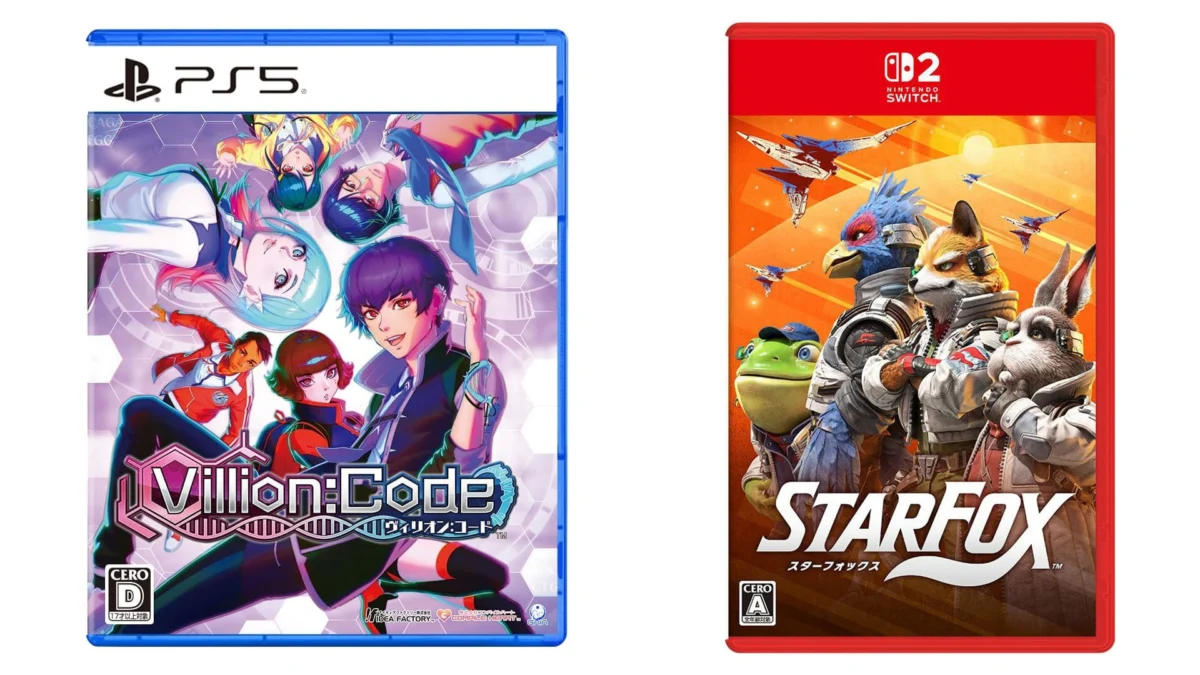
This week marks a significant moment for the Japanese video game market, with a diverse slate of titles poised to capture the attention of players across multiple platforms. Headlining the releases is the long-awaited return of Nintendo’s iconic space opera, Star Fox, slated for a 2026 release on the rumored "Switch 2," alongside the intriguing new multi-platform IP, Villion: Code. These flagship announcements are joined by highly anticipated updates to beloved franchises, including Chapter 5 of Toby Fox’s atmospheric RPG DELTARUNE, the fighting spectacle DEAD OR ALIVE 6 Last Round, and the charming card battler Medabots Card Robattle RB. The confluence of new hardware implications, long-standing fan expectations, and cross-platform strategies makes this a particularly exciting period for Japanese gaming enthusiasts and industry observers alike.
Main Facts: A Glimpse into Japan’s Latest Gaming Wave
The current week in Japan is set to deliver a robust selection of video games, catering to a broad spectrum of player preferences. The standout announcement, stirring considerable industry speculation and fan excitement, is the confirmation of a new Star Fox title. Designated Star Fox (2026), this iteration is specifically earmarked for the as-yet-unannounced "Switch 2," positioning it as a potential launch or early-window title for Nintendo’s next-generation console. The implications of this platform designation are profound, offering a tantalizing glimpse into Nintendo’s future hardware plans and the software that will accompany it. The beloved sci-fi shooter series, known for its innovative gameplay and memorable characters, has been largely dormant for several years, making its return a momentous occasion for long-time fans and a potential showcase for new hardware capabilities.
Sharing the spotlight is Villion: Code, an entirely new intellectual property poised for a broad release across PlayStation 5, the mysterious Switch 2, PlayStation 4, and the current Nintendo Switch. This multi-platform approach suggests a title aiming for wide accessibility, potentially leveraging the enhanced capabilities of next-gen systems while ensuring a substantial install base on current-gen consoles. While details surrounding Villion: Code remain somewhat elusive, its prominent placement indicates a significant investment and potential for it to become a new staple in the Japanese gaming landscape.
Beyond these headliners, the week is packed with other high-profile releases. DELTARUNE Chapter 5, the latest installment in Toby Fox’s critically acclaimed episodic RPG series, is launching for a wide array of platforms including PlayStation 5, Switch 2, PlayStation 4, Switch, and PC. This broad availability ensures that fans across various ecosystems can continue their journey through the whimsical and often melancholic world crafted by the visionary developer behind Undertale.
Fighting game aficionados have cause for celebration with the arrival of DEAD OR ALIVE 6 Last Round. This edition, targeting PlayStation 5, Xbox Series X|S, and PC, signifies a continued commitment to the popular 3D fighting franchise, likely offering a comprehensive package that refines existing mechanics and introduces new content. The "Last Round" designation often implies a definitive or enhanced version, suggesting a culmination of the game’s development cycle.
Rounding out the notable releases is Medabots Card Robattle RB for the Nintendo Switch. This title taps into the nostalgic appeal of the Medabots franchise, a series popular for its customizable robot battles and strategic card-based gameplay. Its release on the highly successful Switch platform ensures a strong audience for this niche yet beloved property.
The collective impact of these releases paints a vibrant picture of the Japanese gaming market’s health and its forward-looking trajectory, particularly with the implied confirmation of new hardware on the horizon.
Chronology: The Road to This Week’s Releases
The journey to this week’s diverse array of game releases is paved with anticipation, development cycles, and strategic planning, particularly concerning the next-generation of Nintendo hardware.
The Return of Star Fox: A Long-Awaited Revival
The Star Fox series has a storied history dating back to the Super Nintendo Entertainment System. Known for its innovative 3D rail-shooter gameplay and the charismatic crew led by Fox McCloud, the franchise has seen various iterations and spin-offs. However, its presence in the gaming landscape has been sporadic in recent years. Following Star Fox Zero for the Wii U in 2016, which received mixed reviews despite its ambitious control scheme, the series entered a period of relative quietude. Fans have consistently voiced their desire for a new, mainline entry that recaptures the magic and innovation of its predecessors. The announcement of Star Fox (2026), especially with its "Switch 2" platform designation, signals not just a revival, but a potential reinvention tailored for cutting-edge hardware. The "2026" in the title could denote its planned release year, suggesting a significant development window and a long-term vision for the franchise’s future. This timeline allows Nintendo and its development partners ample time to craft a title that lives up to the series’ legacy and leverages the full capabilities of its next console.
Villion: Code: A Fresh Face in a Crowded Market
Villion: Code emerges as a new challenger in the competitive Japanese gaming market. While its specific genre and developer details are still under wraps, the multi-platform launch strategy for PS5, Switch 2, PS4, and Switch suggests a game designed for broad appeal and accessibility. Developing a new IP is a significant undertaking, requiring substantial investment in world-building, character design, and core mechanics. The decision to launch on both current and next-generation consoles (including the unconfirmed "Switch 2") indicates a confidence in the game’s potential longevity and its ability to scale across different hardware specifications. This strategic release ensures that Villion: Code can tap into existing player bases while also being positioned to embrace the future of console gaming.
DELTARUNE Chapter 5: Continuing an Indie Phenomenon
Toby Fox’s DELTARUNE began its journey with Chapter 1’s surprise release in 2018, followed by Chapter 2 in 2021. As the spiritual successor to the universally acclaimed Undertale, DELTARUNE has cultivated an immense and dedicated fanbase. Each chapter release is a significant event, eagerly anticipated by players who are captivated by Fox’s unique storytelling, memorable characters, and distinct musical scores. The episodic release model creates a sustained level of excitement, with fans dissecting every detail and theorizing about the overarching narrative. The arrival of Chapter 5 across such a wide array of platforms – from PC to current and next-gen PlayStation and Nintendo consoles – underscores the game’s widespread popularity and the developer’s commitment to reaching as many players as possible. The development process for each chapter is meticulous, with Toby Fox often providing updates that highlight the challenges and triumphs of indie game creation, further endearing the project to its community.
DEAD OR ALIVE 6 Last Round: Evolving the Fight
The DEAD OR ALIVE series, developed by Team Ninja and published by Koei Tecmo, has been a staple in the 3D fighting game genre since its debut in 1996. Known for its fast-paced combat, counter mechanics, and distinctive character roster, the series has consistently pushed technical boundaries. DEAD OR ALIVE 6, released in 2019, built upon the franchise’s foundations while introducing new mechanics and a more grounded aesthetic. The "Last Round" designation for this week’s release typically signifies a definitive edition, often bundling all previously released DLC, characters, and costumes, along with potential balance adjustments and quality-of-life improvements. This approach serves to provide a comprehensive package for new players and a refined experience for veterans. Releasing on PS5, Xbox Series, and PC ensures the game benefits from enhanced graphical fidelity, faster loading times, and a robust online infrastructure, keeping the competitive scene vibrant.
Medabots Card Robattle RB: Niche Appeal with Nostalgic Charm
The Medabots franchise, originating in Japan in 1997, spans anime, manga, and numerous video games. Its core concept revolves around customizable robots engaging in strategic battles. While perhaps not as globally recognized as some other monster-collecting or battling franchises, Medabots holds a special place in the hearts of its dedicated fanbase. The "Robattle RB" suffix suggests a re-imagined or enhanced version of a previous Medabots Card Robattle game, or a new entry entirely focused on the card-battling aspect. Its release on the Nintendo Switch is a logical choice, given the console’s strong appeal to a diverse audience, including those who appreciate unique Japanese RPGs and strategic titles. The development of such a game often involves careful balancing of card mechanics, unit abilities, and customization options to provide a deep and engaging experience for fans of the genre.
Supporting Data: Unpacking the Market and Platform Dynamics
This week’s Japanese game releases offer a rich dataset for understanding current market trends, particularly the interplay between established franchises, new IPs, and the ever-present speculation surrounding next-generation hardware.
The "Switch 2" Enigma and its Market Impact
The explicit mention of "Switch 2" as a platform for Star Fox (2026) and Villion: Code is arguably the most significant piece of information in this week’s release list. While Nintendo has yet to officially announce a successor to the highly successful Nintendo Switch, industry analysts and leakers have long speculated about its development and impending release. Developers planning titles for a "Switch 2" with a specific release window like 2026 suggests that dev kits are in circulation and that a clearer picture of the console’s capabilities and launch timing is emerging within the industry.
The original Nintendo Switch, launched in 2017, has sold over 139 million units worldwide as of December 2023, making it one of the most successful consoles of all time. Its hybrid nature (home console and handheld) revolutionized gaming. A "Switch 2" would likely build upon this success, offering significant hardware upgrades in terms of processing power, graphical capabilities, and potentially new features, while maintaining the core hybrid philosophy. For the Japanese market, where Nintendo maintains an unparalleled dominance, the launch of a new console is a monumental event. Games like Star Fox could serve as powerful system sellers, showcasing the console’s graphical prowess and innovative gameplay potential. The multi-platform strategy of Villion: Code also highlights a common industry practice: launching on a new console while ensuring a robust presence on its predecessor to maximize reach during the transition period.
Japanese Market Trends: Platform Preferences and Genre Diversity
The lineup this week reflects several ongoing trends in the Japanese gaming market:
- Nintendo’s Enduring Dominance: The sheer number of Switch titles, alongside the "Switch 2" announcements, underscores Nintendo’s continued strength in Japan. The Switch remains a primary platform for both major publishers and indie developers.
- Growing PC Market: The inclusion of PC as a platform for DELTARUNE Chapter 5 and DEAD OR ALIVE 6 Last Round highlights the increasing importance of PC gaming in Japan. While traditionally a console-centric market, the appeal of high-performance gaming, digital distribution platforms like Steam, and a broader global audience has steadily grown the PC segment.
- Cross-Generation Development: The releases for both PS4/Switch and PS5/Xbox Series/Switch 2 demonstrate a clear strategy of cross-generation development. Publishers aim to tap into the large install bases of older consoles while also future-proofing their titles for newer hardware. This extends the commercial viability of games and allows players to transition at their own pace.
- Genre Variety: The lineup showcases a healthy diversity of genres: a space shooter (Star Fox), an action RPG (Villion: Code – speculative), a narrative-driven RPG (DELTARUNE), a fighting game (DEAD OR ALIVE), and a strategic card battler (Medabots). This caters to a wide demographic and ensures there’s something for nearly every type of gamer.
The Role of Digital Distribution and Retail Partnerships
The original article’s mention of Gematsu receiving a percentage from Play-Asia links and a coupon code ("GEMATSU2025") underscores the dual nature of game distribution in Japan. While physical retail remains strong, especially for Nintendo titles, digital storefronts on PlayStation Network, Nintendo eShop, Xbox, and PC platforms are increasingly vital. For many niche titles and indie games, digital-only releases are the primary distribution method. Partnerships with online retailers like Play-Asia, which specializes in importing Japanese games to a global audience, are crucial for developers and publishers looking to extend their reach beyond domestic borders. The coupon code further incentivizes international purchases, demonstrating the interconnectedness of the global gaming market with Japan at its heart.
Official Responses: Navigating the Unofficial and Anticipated
In the realm of gaming news, "official responses" can range from direct press releases to subtle confirmations via game listings. This week’s announcements, particularly concerning "Switch 2," fall into a unique category, blending official game confirmations with implied hardware revelations.
Nintendo’s Strategic Silence on "Switch 2"
Perhaps the most striking "official response" is Nintendo’s continued silence regarding the "Switch 2." Despite multiple major publications and industry analysts pointing towards its imminent announcement or release, Nintendo has steadfastly maintained its policy of not commenting on rumors or speculation regarding future hardware. However, the explicit listing of "Switch 2" as a platform for a high-profile title like Star Fox (2026) and a new IP like Villion: Code serves as a de facto confirmation from the developer/publisher side. This situation is not unprecedented; previous console generations have often seen games listed for unannounced hardware by third-party retailers or even first-party publishers in error, before an official reveal. For Nintendo, this "leak by proxy" allows them to maintain their carefully orchestrated marketing timeline while implicitly acknowledging the ongoing development for their next console. It suggests that developers are already deep into projects for the next system, operating under clear guidance from Nintendo, even if public announcements are delayed.
Developer and Publisher Statements (Generalized)
While specific quotes from developers were not provided in the original snippet, we can infer generalized "official responses" based on industry practices:
- For Star Fox (2026): Nintendo, or a partnered studio, would likely express immense excitement about bringing the beloved franchise back, emphasizing a commitment to innovation and leveraging the power of the "Switch 2" to deliver an unparalleled experience. Statements would focus on honoring the series’ legacy while pushing boundaries.
- For Villion: Code: The developer (hypothetically, a mid-to-large Japanese studio) would emphasize the ambition of creating a new IP, highlighting the unique world, characters, and gameplay mechanics. Their multi-platform strategy would be framed as a dedication to reaching as many players as possible across current and next-generation consoles, ensuring a broad audience for their new vision.
- For DELTARUNE Chapter 5: Toby Fox, known for his direct and often humorous communication with fans, would likely issue a heartfelt message about the progress of the chapter, thanking the community for their patience and support. His "official response" would focus on the creative process, the challenges of development, and the joy of sharing new parts of the DELTARUNE story. The multi-platform release would be presented as a way to make the game accessible to all fans.
- For DEAD OR ALIVE 6 Last Round: Koei Tecmo and Team Ninja would articulate their dedication to refining the fighting game experience, emphasizing new content, balance adjustments, and the visual enhancements made possible by current-gen hardware. Their statement would aim to reassure the competitive community of continued support and attract new players with a comprehensive package.
- For Medabots Card Robattle RB: The publisher would likely highlight the nostalgic appeal of the Medabots franchise, focusing on how this new entry captures the essence of the series while introducing fresh strategic elements for the Switch. The response would target both long-time fans and new players interested in card-battling mechanics.
These inferred responses, while not verbatim, represent the typical messaging accompanying such releases, aimed at building excitement, managing expectations, and articulating strategic decisions.
Implications: Shaping the Future of Japanese Gaming
The confluence of these releases carries significant implications for the Japanese gaming market, the global industry, and the future trajectory of Nintendo’s hardware strategy.
Impact on the Japanese Market and Sales Charts
This week’s releases are poised to significantly influence Japanese sales charts. DELTARUNE Chapter 5, given its massive fanbase and multi-platform release, is likely to perform exceptionally well, particularly on Nintendo Switch and PC. DEAD OR ALIVE 6 Last Round will cater to a dedicated fighting game community, contributing to PlayStation 5 and Xbox Series sales, while Medabots Card Robattle RB will find its niche on the Switch.
However, the most profound impact will stem from Star Fox (2026) and Villion: Code‘s "Switch 2" designation. While these titles are still years away, their early announcement fuels anticipation and lays the groundwork for the next console’s launch. This will inevitably lead to increased speculation and discussion within the Japanese gaming media and among consumers, potentially affecting current Switch sales as some players might choose to wait for the successor. For the Japanese market, where Nintendo’s hardware consistently outsells competitors, the introduction of "Switch 2" with strong first-party support from day one is critical for maintaining market dominance.
Global Reach and Cultural Impact
While these are Japanese release highlights, the implications extend globally. Star Fox is a universally recognized Nintendo franchise, and its return will resonate with fans worldwide. DELTARUNE has a massive international following, ensuring that Chapter 5 will be a global event. DEAD OR ALIVE has a strong international presence in the fighting game community. The Japanese market often sets trends and provides early indicators for global releases, making these announcements significant for players beyond Japan’s borders. The cultural impact of these games, particularly DELTARUNE‘s unique artistic vision and Star Fox‘s enduring legacy, will continue to shape gaming narratives and fandoms globally.
The Future of "Switch 2": Early Indicators and Software Lineup
The explicit listing of "Switch 2" in a public release schedule is a powerful, albeit indirect, confirmation of Nintendo’s next console. It suggests that:
- Launch is Imminent (Relatively): While Star Fox is slated for 2026, the inclusion of "Switch 2" on current release lists implies that developers are already actively working on titles for the system, suggesting a potential launch window sometime before or in 2025, or at least a public reveal much sooner than 2026.
- Strong First-Party Support: The immediate announcement of a major first-party franchise like Star Fox for the "Switch 2" indicates Nintendo’s commitment to a robust launch lineup and continued strong first-party support.
- Third-Party Buy-in: Villion: Code‘s multi-platform strategy, including "Switch 2," demonstrates that third-party developers are also preparing for the new hardware, which is crucial for a successful console transition.
- Hardware Specifications: Developers working on games for "Switch 2" means they have access to its specifications, hinting at a significant leap in power that can support games like Star Fox (2026) at a higher fidelity than the current Switch.
This week’s announcements provide the clearest signal yet regarding Nintendo’s next hardware generation, moving it from the realm of pure speculation to tangible developer plans.
Industry Trends: Cross-Gen Development and Evolving Business Models
The continued prevalence of cross-gen titles (PS4/PS5, Switch/Switch 2, Xbox One/Series) highlights the industry’s pragmatic approach to console transitions. Publishers seek to maximize their investment by developing games that can run on both older and newer hardware, catering to diverse player adoption rates. This strategy will likely be a hallmark of the "Switch 2" launch as well, ensuring a smoother transition for consumers and developers.
Furthermore, the emphasis on digital distribution, coupled with partnerships like Gematsu and Play-Asia, showcases the evolving business models in gaming. Affiliate marketing and coupon codes are increasingly common, reflecting the digital-first approach that many consumers now prefer, while still acknowledging the importance of diverse retail channels, especially in Japan.
In conclusion, this week’s Japanese game releases are far more than just a list of new titles. They represent a snapshot of a dynamic industry, grappling with technological transitions, responding to fan demands, and strategically positioning itself for the future. The subtle yet powerful implications of the "Switch 2" platforms underscore a pivotal moment in Nintendo’s trajectory and set the stage for an exciting period of innovation and anticipation in the world of video games.


 Lina Irawan
 Sagoh
Sagoh