Lina Hope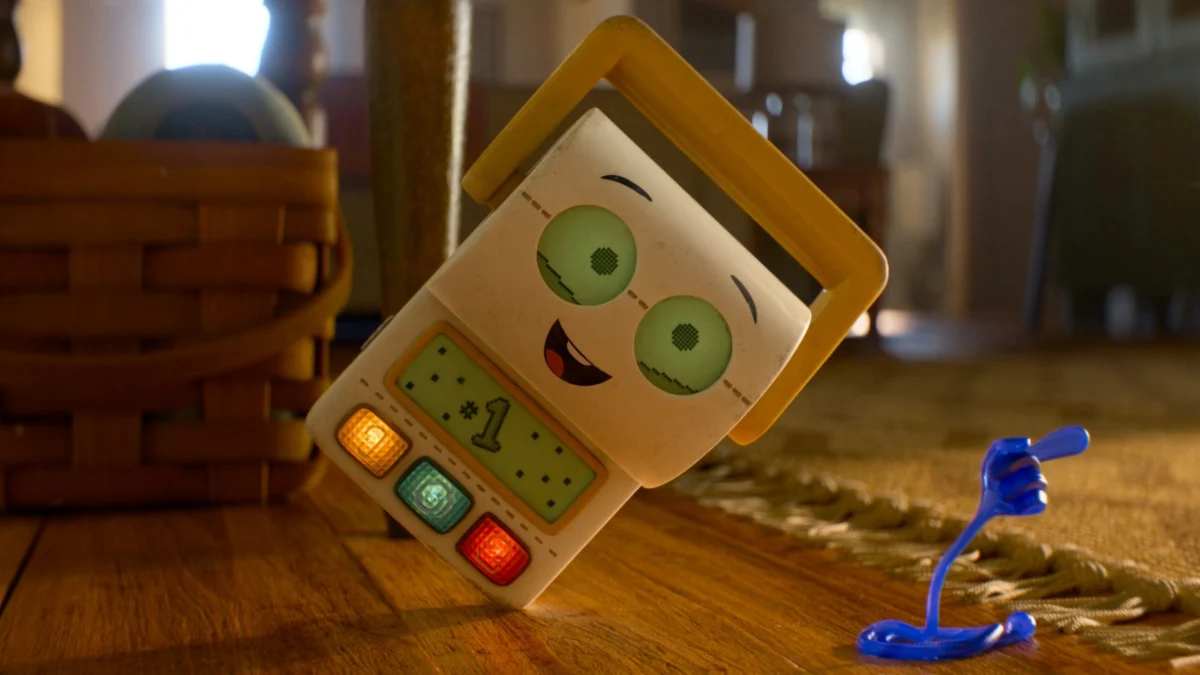
Published: Jun 21, 2026, 8:01 PM EDT
By: Brian Vanhooker
The marketing campaign for Pixar’s latest cinematic offering, Toy Story 5, has largely centered on a seemingly straightforward premise: "toys vs. tech." This binary framing, suggesting a stark contrast between traditional playthings and the ubiquitous digital devices of our era, initially sparked apprehension among critics and parents alike. Concerns emerged that the film might deliver an "outdated message" or be perceived as "for boomers," preaching a simplistic anti-technology stance. Even those who, like this writer, lean towards limiting screen time for children, harbored fears of a heavy-handed, moralizing narrative. However, as the film quickly ascends to become one of the year’s biggest box office successes, it becomes clear that Toy Story 5 masterfully navigates this complex terrain, offering a far more thoughtful and nuanced perspective on the delicate balance between imaginative play and the ever-present digital world than its trailers suggest.
Far from a preachy condemnation, director Andrew Stanton, known for his ability to weave profound themes into engaging narratives (much like Wall-E‘s vibrant environmental message never overshadowed its core story), delivers a film that resonates deeply with the contemporary challenges faced by families. Toy Story 5 explores the allure and pitfalls of technology, acknowledging its potential for connection while bravely illustrating its darker implications, all while reaffirming the enduring value of tangible play and genuine human (and toy) connection.
The Digital Arrival: Main Facts and Initial Perceptions
From its inception, the Toy Story franchise has excelled at reflecting the anxieties and joys of childhood through the eyes of toys. Themes of obsolescence, belonging, and the passage of time have consistently provided emotional depth. Toy Story 5 continues this tradition by tackling perhaps the most defining shift in modern childhood: the omnipresence of technology.
The film introduces eight-year-old Bonnie (voiced by Scarlett Spears) at a pivotal moment in her life: the acquisition of her very first tablet, affectionately named Lilypad (Greta Lee). This event sends ripples of unease through her beloved toy collection, now led by the steadfast Jessie (Joan Cusack). For the toys, who thrive on imaginative interaction and physical engagement, the sleek, glowing device represents an existential threat, a silent rival capable of monopolizing Bonnie’s attention for hours on end. This initial conflict sets the stage for what many anticipated would be a clear-cut battle between the analog and the digital.
However, the film immediately subverts this expectation by revealing the parents’ motivation behind the purchase. Bonnie’s parents aren’t simply capitulating to a trend; they are responding to their daughter’s loneliness. In an increasingly connected world, where many of Bonnie’s prospective friends communicate and play digitally, they believe a tablet might help her bridge social gaps. This crucial detail establishes the film’s commitment to nuance from the outset, acknowledging that technology isn’t inherently evil, but often introduced with good intentions, even if the outcomes are unforeseen.
The initial public discourse surrounding Toy Story 5‘s theme highlighted a generational divide. Younger audiences, accustomed to digital native experiences, questioned the relevance of a "toys vs. tech" narrative, some dismissing it as an "outdated message" for a "boomer" sensibility. Yet, the film’s box office triumph, with early estimates positioning it as a colossal success, suggests that its deeper exploration of this theme has resonated across demographics, proving that the conversation about technology and childhood is far from settled.
A Chronology of Digital Immersion and Discovery
The narrative arc of Toy Story 5 meticulously unfolds, charting Bonnie’s journey with her new tablet and the profound impact it has on her, her toys, and her understanding of connection.
The Catalyst: Bonnie’s New Companion and the Toys’ Apprehension
The arrival of Lilypad is depicted with a blend of wonder and dread. For Bonnie, it’s a gateway to a new world, a personal device that promises endless entertainment. For Jessie and the other toys, it’s an intruder, a silent observer that slowly begins to eclipse their once central role in Bonnie’s life. The early scenes capture the toys’ palpable sense of displacement, watching from afar as Bonnie becomes increasingly absorbed by the glowing screen. Their collective anxiety mirrors the concerns of many parents witnessing their children’s growing attachment to digital devices.
The Downside: A Digital Divide and Its Consequences
As Bonnie’s relationship with Lilypad deepens, the film unflinchingly portrays the real-life downsides associated with excessive screen time for young children. Bonnie’s transformation is gradual but stark:
- Physical Absorption: She glares into the screen at close range for hours, oblivious to her surroundings and often unresponsive to her parents’ calls.
- Emotional Attachment: The tablet becomes a constant companion, clutched closely like a security blanket, a testament to its comforting yet isolating presence.
- Passive Engagement: We witness Bonnie engaged in mindless games, such as turtles running in a circle, highlighting the distinction between passive consumption and active, imaginative play.
One of the most powerful and timely inclusions in the story is Bonnie’s experience with cyberbullying. In a particularly poignant sequence, Bonnie is subjected to hurtful comments in a group chat with kids from her dance class. While depicted with a Pixar-appropriate simplicity, this moment serves as a stark reminder of the digital age’s darker underbelly. Cyberbullying is not merely a contemporary annoyance; it is a pervasive issue, an "epidemic" that has led to devastating consequences for children globally, including severe psychological distress and, tragically, even suicides. By integrating this harsh reality, the film grounds its narrative in an urgent social concern, prompting viewers to consider the full spectrum of challenges technology presents.
Jessie’s Journey: Bridging the Gap Between Analog and Digital
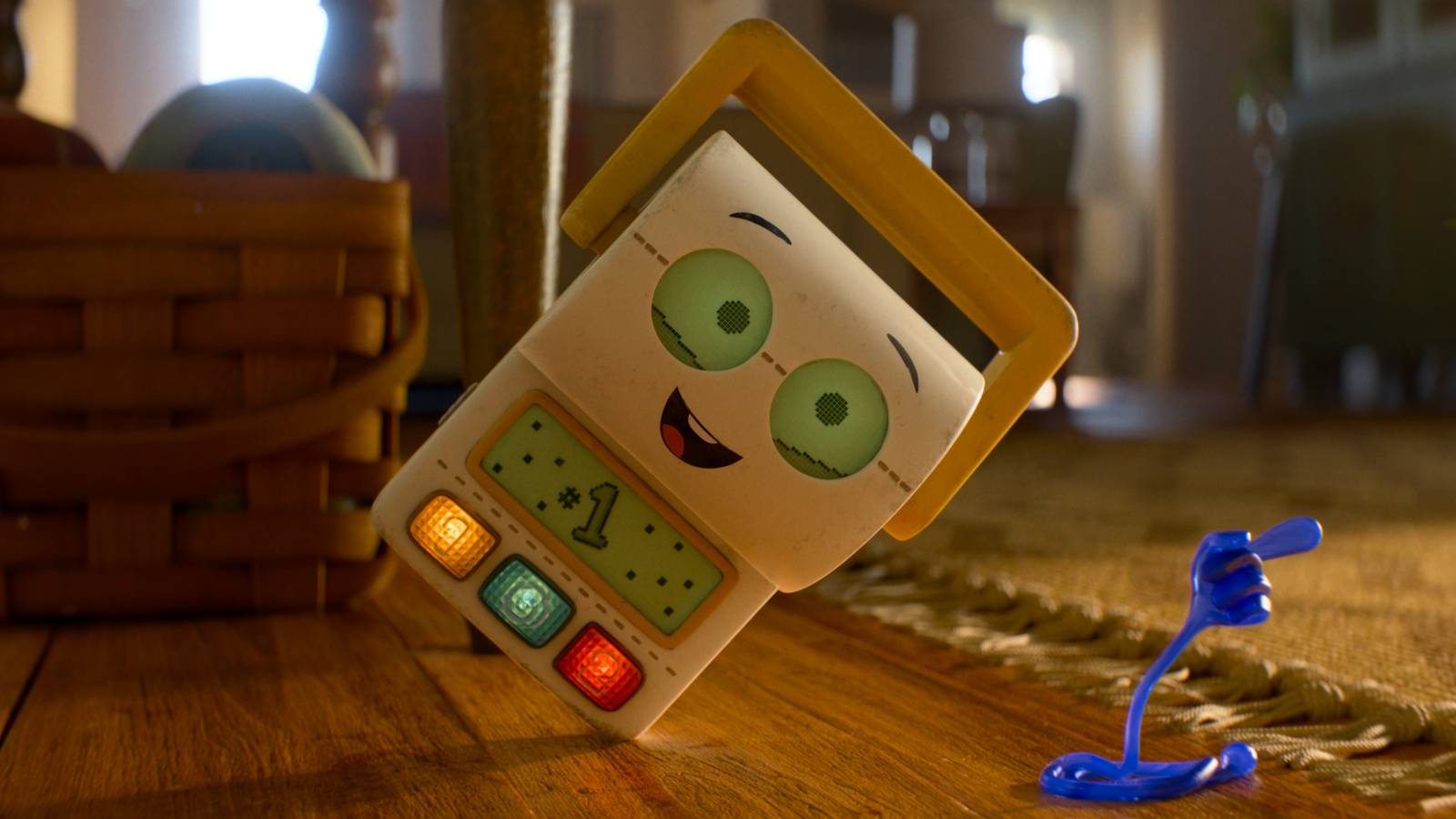
Jessie, initially the most vocal opponent of Lilypad, undergoes a significant character arc that embodies the film’s nuanced message. Her steadfast loyalty to traditional play is challenged when Bonnie’s journey leads her to Blaze, a quirky girl who lives on a farm. Blaze’s house introduces a new dimension to the "toys vs. tech" debate: tech toys. These advanced playthings, led by the hilariously voiced toilet-training toy Smarty Pants (Conan O’Brien), demonstrate that technology isn’t a monolithic entity. There are devices designed specifically for play, for learning, and for interaction, blurring the lines Jessie had so rigidly drawn.
Through her interactions with Smarty Pants and other tech toys, Jessie discovers that these devices, too, can be "toys" in their own right, capable of fostering fun and engagement. She even finds herself drawn into an electronic game installed on Smarty Pants, experiencing firsthand the appeal of digital play. This personal transformation in Jessie is crucial; it prevents the film from becoming a blanket condemnation of all technology, instead advocating for discernment and balance.
The Unforeseen Connection: Tech as a Bridge
Crucially, the film demonstrates how technology, despite its drawbacks, can also serve as a powerful tool for connection. The very reason Bonnie’s parents bought her Lilypad – to help her connect with other children – eventually comes to fruition. It is directly through her electronic device that Bonnie connects with Blaze. Blaze, a child who still cherishes traditional toys, represents the ideal balance the film champions. Her ability to navigate both the digital and analog worlds provides a hopeful model for Bonnie and, by extension, for the audience.
Harmony Achieved: A Balanced Playtime
The culmination of the film sees Jessie and Lilypad arrive at a mutual understanding. They learn that they can both have a place in Bonnie’s life, contributing to her development and happiness in different ways. In the movie’s heartwarming conclusion, Lilypad is depicted as an integral part of the gang during a playtime session with Bonnie and Blaze, symbolizing the harmonious integration of technology into a child’s life, rather than its complete exclusion. This resolution powerfully illustrates that the goal isn’t to eliminate technology, but to find a healthy, balanced coexistence.
Supporting Data: The Psychological Underpinnings of Play
Toy Story 5 is not just a delightful animation; it’s a timely commentary supported by a growing body of research into child development and screen time. Writer-director Andrew Stanton deftly draws a line between the type of play fostered by electronic devices and the kind of imaginative play children engage in with traditional toys, because, as studies "have shown," there is a demonstrable difference.
The Indispensable Role of Imaginative Play
Research consistently highlights that imaginative play – the kind involving children interacting with physical toys, creating narratives, and engaging in pretend scenarios – is "essential for their cognitive, social, and emotional development." When children play with traditional toys, they are actively constructing worlds, developing problem-solving skills, enhancing creativity, and learning social cues through role-playing. This form of play stimulates the brain’s frontal lobe, which is responsible for executive functions like planning, organizing, and impulse control. It encourages divergent thinking, allowing children to explore multiple solutions and perspectives.
For instance, a simple wooden block can be a car, a phone, a piece of food, or a building block in a complex city, limited only by the child’s imagination. This active engagement in meaning-making is a cornerstone of early childhood development, fostering abstract thought and language skills. Studies published in journals like Pediatrics and Child Development frequently correlate rich, imaginative play with higher levels of social competence, emotional regulation, and academic readiness.
The Nature of Screen-Based Entertainment
In contrast, Toy Story 5 illustrates how many "pre-programmed technology-based games do not foster creativity" in the same way. Bonnie’s mindless game of turtles running in a circle exemplifies the passive consumption that often characterizes screen time for young children. While educational apps and artistic digital tools certainly exist and "do engage children creatively," the film focuses on the more prevalent forms of digital entertainment that offer instant gratification without requiring significant imaginative input or problem-solving. These games, often designed with addictive algorithms, can lead to a state of passive engagement, where the child is merely reacting to pre-defined stimuli rather than actively generating their own.
Concerns raised by institutions like the American Academy of Pediatrics and various global health organizations point to potential negative impacts of excessive, passive screen time, including:
- Reduced Attention Spans: The rapid-fire nature of some digital content can hinder the development of sustained attention.
- Impaired Social Skills: Less face-to-face interaction can impede the development of empathy and understanding of non-verbal cues.
- Decreased Physical Activity: Sedentary screen time often replaces active outdoor play, contributing to physical health issues.
- Impact on Sleep: The blue light emitted by screens can disrupt melatonin production, affecting sleep cycles.
The Shadow of the Screen: Cyberbullying and Digital Well-being
The film’s decision to include cyberbullying is particularly commendable, addressing a stark reality of modern childhood. The internet, while connecting us, also provides platforms for anonymous aggression and social exclusion. The statistics on cyberbullying are alarming: a significant percentage of adolescents report having been cyberbullied, and its impact can be profound. The "epidemic" mentioned in the article is not hyperbole; research, such as that found in the Journal of the American Academy of Psychiatry and the Law (JAAPL), consistently links cyberbullying to increased rates of depression, anxiety, self-harm, and, in tragic cases, suicide.
By showing Bonnie’s distress and vulnerability in a group chat, Toy Story 5 opens a crucial dialogue for families, highlighting that the digital world is not always a safe space and that children need guidance and support to navigate its complexities. It underscores the importance of digital literacy, parental oversight, and fostering resilience in children.

Official Responses: Andrew Stanton’s Vision and the Film’s Broader Message
While direct quotes from Andrew Stanton or the voice cast regarding the film’s message were not provided in the original text, the nuanced execution of Toy Story 5 speaks volumes about their collective intent and understanding.
Andrew Stanton’s Intent: Beyond Simplistic Binaries
Andrew Stanton, a veteran Pixar storyteller, has consistently demonstrated a capacity for addressing complex themes with depth and emotional resonance. His direction in Toy Story 5 suggests a deliberate effort to avoid the very pitfalls that critics feared. His decision to include the parents’ pragmatic reasons for buying Bonnie the tablet, as well as the positive outcome of Bonnie connecting with Blaze, reveals a directorial vision that seeks to mirror the complexities of real-world parenting.
Stanton’s approach is not to demonize technology but to contextualize it within a child’s developmental journey. He aims to start a conversation rather than end it with a definitive "good or bad" judgment. The film itself serves as Pixar’s "official response" to the ongoing societal debate about children and screens, offering a cinematic exploration that validates parental concerns while also acknowledging the irreversible integration of technology into modern life. His vision appears to be one of balance, adaptation, and thoughtful integration, rather than outright rejection.
The Cast’s Contribution: Embodying the Message
The voice cast, particularly Joan Cusack as Jessie, Scarlett Spears as Bonnie, and Greta Lee as Lilypad, play crucial roles in conveying this nuanced message. Joan Cusack’s portrayal of Jessie captures the initial fear and resistance of traditional toys facing obsolescence, making her eventual understanding and acceptance of tech toys all the more impactful. Her character’s arc mirrors the journey many adults undertake in adapting to new technologies.
Scarlett Spears’ Bonnie authentically conveys the allure of the digital world, its capacity to both captivate and isolate, and her vulnerability to its negative aspects like cyberbullying. Greta Lee’s Lilypad, initially a silent, almost antagonist presence, transforms into a character that facilitates connection, demonstrating that even a non-sentient device can be part of a positive outcome. Conan O’Brien’s Smarty Pants, a tech toy designed for a specific purpose, injects humor while also showing that "tech" can be playful and engaging in its own right, further challenging Jessie’s preconceived notions. Through their performances, the actors help to humanize (or "toy-ify") the complex emotional landscape of the "toys vs. tech" debate, making it relatable for audiences of all ages.
Implications: A Mirror to Modern Parenthood and the Future of Play
Toy Story 5 transcends its animated format to become a powerful cultural artifact, reflecting and influencing contemporary discourse on childhood, technology, and parenting.
A Mirror to Modern Parenthood
The film acts as a profound mirror to modern parenthood, where navigating screen time is a daily challenge. Parents grapple with questions of appropriate age, content, duration, and the ever-present pressure of social norms where "all their friends have one." Toy Story 5 validates these struggles, acknowledging the genuine dilemmas parents face. It subtly suggests that sometimes, the decision to introduce technology stems from a desire to foster connection, even if the path is fraught with unforeseen complications. The film’s message of balance and thoughtful integration offers a comforting and empowering perspective for families feeling overwhelmed by the digital tide.
Shifting Perceptions and Public Discourse
By presenting a nuanced view, Toy Story 5 has the potential to shift public perceptions beyond the simplistic "tech bad, toys good" narrative. It encourages a more sophisticated understanding of technology’s multifaceted role in children’s lives. The discussions generated by the film, both online and within families, contribute to a broader societal conversation about digital well-being, media literacy, and the importance of fostering diverse forms of play. It could inspire parents to re-evaluate their own screen time habits and consider how they model technology use for their children.
The Enduring Relevance of Traditional Play
Despite the film’s recognition of technology’s place, it powerfully reaffirms the "enduring relevance of traditional toys" and imaginative play. The ultimate resolution, where Lilypad is integrated into playtime alongside the other toys, underscores that digital and analog play are not mutually exclusive. Instead, they can coexist, each contributing uniquely to a child’s development. The film champions the idea that unstructured, imaginative play with physical objects remains vital for fostering creativity, problem-solving skills, and social-emotional growth – qualities that are increasingly valuable in a rapidly evolving world.
Pixar’s Enduring Legacy
Toy Story 5 reinforces Pixar’s legacy as a studio capable of creating entertainment that is both universally appealing and profoundly insightful. By tackling a relevant and often contentious contemporary issue with such depth and empathy, Pixar demonstrates its continued ability to stay culturally significant and resonate with audiences across generations. The film proves that even a beloved franchise can evolve its themes to remain fresh and impactful, addressing the anxieties and hopes of a new generation.
In conclusion, Toy Story 5 is far more than a simple "toys vs. tech" narrative. It is a thoughtful, poignant, and surprisingly complex exploration of the digital age’s impact on childhood. Andrew Stanton’s masterful storytelling, combined with the emotional depth brought by the voice cast, delivers a message that is both cautionary and hopeful: technology has its place in a child’s life, but only when carefully integrated and never allowed to become all-consuming. The film advocates for balance, discernment, and the unwavering importance of imaginative play and genuine connection, solidifying its place as a crucial cinematic contribution to an ongoing, vital conversation.


 Lina Irawan
 Sagoh
Sagoh