Asep Darmawan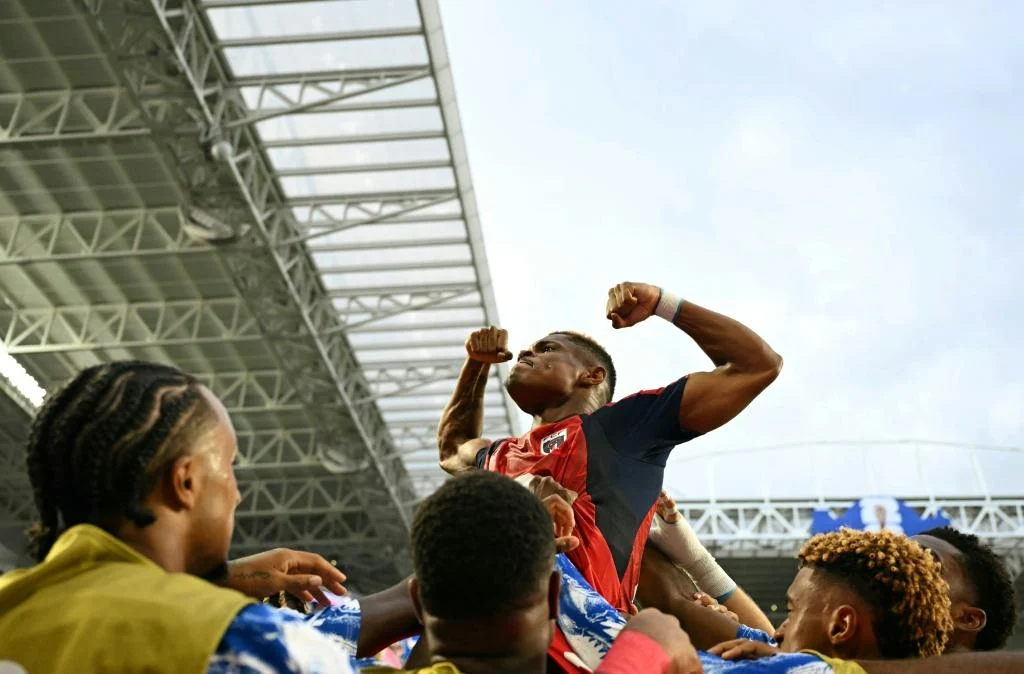
MIAMI — In the sweltering heat of Miami, the narrative of the 2026 FIFA World Cup shifted dramatically on Sunday as tournament debutants Cape Verde secured a resilient 2-2 draw against two-time champions Uruguay. The result, which leaves the South American giants teetering on the precipice of a humiliating group-stage exit, stands as one of the most significant upsets in recent international football history.
For Cape Verde, the "Blue Sharks" of the Atlantic, this result serves as a resounding validation of their arrival on the world stage. Having already frustrated European powerhouses Spain in their tournament opener, the island nation has now firmly established itself as the dark horse of Group H.
The Chronology: A Rollercoaster in Miami
The encounter at the Hard Rock Stadium began with an unexpected tactical boldness from the Cape Verdeans. Under manager Bubista, who made three critical alterations to his attacking line, the team displayed a level of technical poise that belied their status as tournament newcomers.
A Dream Start
The breakthrough came in the 21st minute. Following a foul just outside the Uruguayan penalty area, Kevin Pina stepped up to take the free-kick. His strike, characterized by a deceptive trajectory, pierced a porous Uruguayan defensive wall and left veteran goalkeeper Fernando Muslera rooted to the spot. It was a historic moment—the first-ever World Cup goal for Cape Verde—and one that sent the pocket of traveling supporters into a frenzy.
The Uruguayan Response
Stung by the deficit, Marcelo Bielsa’s side began to impose their physical dominance as the half progressed. Federico Valverde, acting as the primary playmaker for La Celeste, dictated the tempo, though he lacked the clinical edge required to equalize early.
The dam finally broke in the 44th minute. Under intense pressure from Rodrigo Bentancur, Cape Verde defender Sidney Lopes Cabral inadvertently headed the ball against his own post. Maximiliano Araujo reacted with the instincts of a predator, stooping low to nod the rebound into the empty net.
Momentum swung violently in favor of the South Americans during the extended six minutes of first-half stoppage time. With seconds remaining before the interval, Araujo turned provider, heading a cross back across the face of the goal where Agustin Canobbio was waiting to volley home, turning a 1-0 deficit into a 2-1 lead in the blink of an eye.
The Second-Half Shift
The second half began with Uruguay appearing to have settled into a comfortable rhythm, looking to suffocate the game. However, the game turned on a moment of individual calamity in the 61st minute. Fernando Muslera, the 40-year-old stalwart of the Uruguayan goal, inexplicably raced off his line to intercept a routine long ball.
Cape Verde substitute Helio Varela, who had entered the fray moments earlier, showed remarkable composure. With an exquisite first touch, he evaded the charging goalkeeper and rolled the ball into the vacant net, leveling the score at 2-2.
The closing stages were a tense affair. Vozinha, the Cape Verde goalkeeper who had been a wall against Spain, briefly faltered when he spilled a shot that allowed Araujo to tap home, but the linesman’s offside flag saved the islanders. In the dying embers, Valverde fired a free-kick high over the bar, sealing a result that leaves Uruguay’s campaign in absolute tatters.
Supporting Data: Statistical Analysis of a Stalemate
The statistics from the match highlight the tactical disparity between the two sides, yet underscore the efficiency of Cape Verde’s counter-attacking strategy.
- Possession: Uruguay maintained 62% possession compared to Cape Verde’s 38%.
- Shots on Target: Uruguay registered seven shots on target, while Cape Verde managed four, emphasizing their clinical nature in front of goal.
- The Muslera Factor: The error by Fernando Muslera marks the second time in two games that Uruguay has dropped points due to individual lapses in defensive concentration.
- Group H Standings: With two points from two matches, Uruguay sits in a precarious position. Spain, who dismantled Saudi Arabia 4-0 earlier in the day, leads the group, while Cape Verde sits level with Uruguay on points but with the psychological advantage of having exceeded expectations.
Official Responses: From Defiance to Despair
The atmosphere in the mixed zone post-match provided a stark contrast between the two camps.
Bubista, Head Coach of Cape Verde:
"We are here to represent an entire nation, not just to participate. Today, my players showed that heart can overcome history. We knew that Uruguay would come at us with intensity, but our discipline remained unshaken. We are not satisfied with just a draw; we are focused on the final match against Saudi Arabia. We have the belief now that we can reach the knockout stages."
Marcelo Bielsa, Uruguay Head Coach:
The Argentine tactician was visibly frustrated during his press conference. "Football is decided by details, and today, our details were insufficient. We conceded a goal from a set-piece because of a lack of organization in the wall, and we conceded the second because of a communication breakdown. We have a mountain to climb now. The responsibility for this situation rests with me, and we must find the strength to beat Spain."
Implications: The High Stakes of the Final Matchday
The landscape of Group H has been fundamentally altered. For Uruguay, a nation with a rich World Cup pedigree, the reality is stark: they are potentially 90 minutes away from an ignominious group-stage exit.
The Road to the Last-32
- Cape Verde: Their path is clear. A victory against Saudi Arabia next Saturday will guarantee their place in the Round of 32. Even a draw could suffice depending on the result of the Spain-Uruguay match, placing the "Blue Sharks" in an enviable position.
- Uruguay: The math is unforgiving. To avoid elimination, they must likely defeat Spain, the European champions, in their final group game. Given their struggles against the defensive structures of Saudi Arabia and Cape Verde, overcoming the fluidity of the Spanish attack represents a monumental challenge for Bielsa.
- The Darwin Nunez Question: The decision to bench Darwin Nunez, the Al Hilal talisman, has already sparked a firestorm of criticism among Uruguayan media. Questions regarding his fitness and his relationship with the tactical setup under Bielsa are likely to dominate the discourse in Montevideo throughout the coming week.
The Wider Context
The performance of Cape Verde in this tournament has been a beacon for the development of African football. By successfully navigating matches against heavyweights like Spain and Uruguay, they have shattered the perception that smaller nations are merely "filler" for the expanded 48-team tournament format.
As the World Cup moves toward its conclusion in the group stages, the narrative of the "giant-killer" has found a new home in the hearts of the Miami crowd. Whether Cape Verde can complete the fairytale remains to be seen, but the events of this Sunday will be remembered as the day the Blue Sharks truly arrived on the global map.
The final round of Group H fixtures promises to be a nerve-wracking conclusion, with the pride of a South American titan and the dreams of an island nation colliding in a winner-takes-all atmosphere. One thing is certain: the tournament has proven that in the modern era, no team can afford to underestimate the opposition, regardless of the ranking or the history of the badge on the jersey.
© 2026 AFP


 Neng Nana
 Asro
Asro