Raul Delapena Setiawan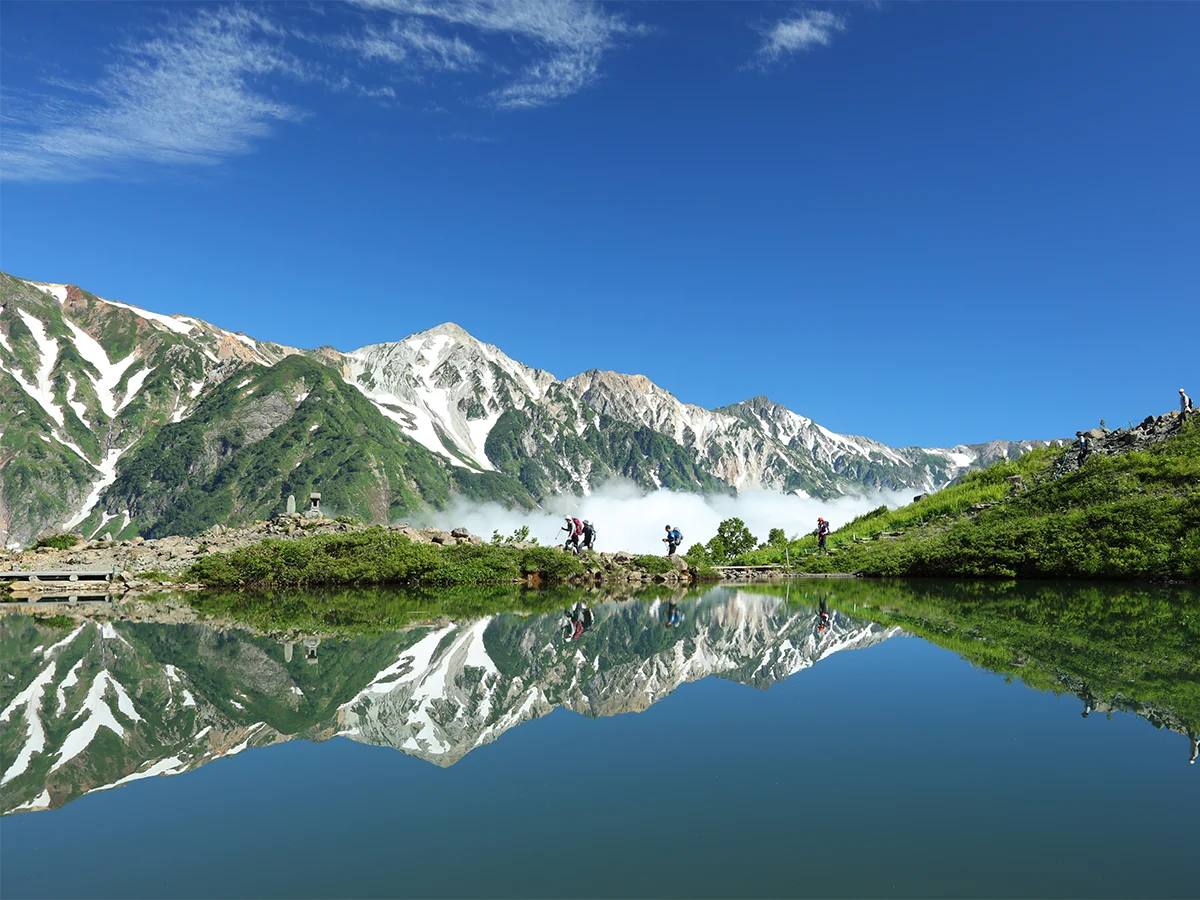
In the collective consciousness of travelers worldwide, Japan’s mountainous terrain is inextricably linked to the winter months. From the powder-dusted slopes of Hokkaido to the accessible, thrill-seeking runs of the Japan Alps, the country’s ski resorts have long been synonymous with winter leisure. Millions of enthusiasts flock to these slopes annually, drawn by the allure of world-class skiing and snowboarding.
However, a transformative shift is occurring in the Japanese tourism landscape. In recent years, ski resorts have begun to pivot, reinventing themselves as vibrant, multi-seasonal hubs. By leveraging high altitudes, expansive natural topography, and a commitment to year-round hospitality, these once-dormant summer locations are now competing with coastal getaways for the title of Japan’s premier vacation destination.
The Alpine Advantage: Why Summer Resorts are Trending
The fundamental appeal of these mountain retreats lies in their climate. Situated at significant altitudes, these resorts offer a respite from the sweltering humidity and stifling heat that define a Japanese summer. While urban centers like Tokyo and Osaka experience temperatures that can regularly exceed 35°C (95°F), the mountain peaks remain refreshingly cool, providing a natural refuge for those seeking to escape the "urban furnace."
Beyond the weather, the logistical infrastructure—gondolas, ropeways, and chairlifts—originally designed for winter sports, provides a unique advantage for summer tourism. Visitors can ascend to breathtaking heights with minimal physical exertion, opening up high-alpine vistas that were once the exclusive domain of hardcore mountaineers. This accessibility has democratized mountain exploration, allowing families, elderly travelers, and casual sightseers to enjoy ecosystems previously out of reach.
1. Ryuoo Mountain Resort: A Gateway to the Clouds
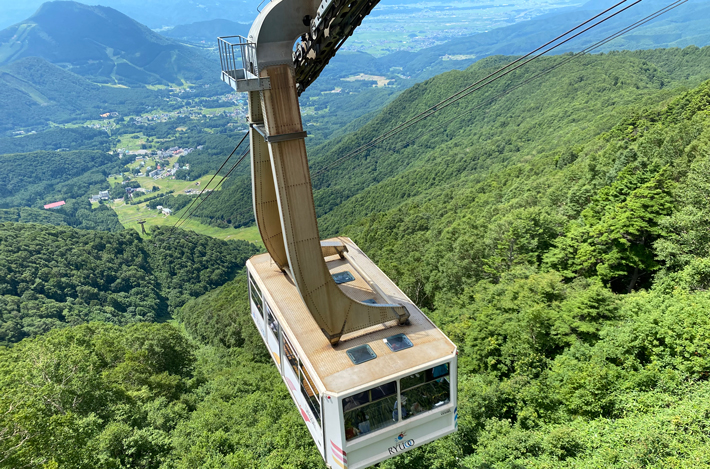
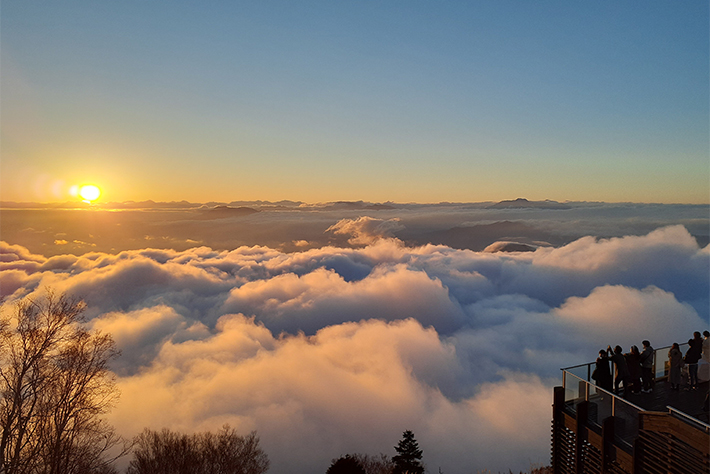
Located in the Kitashiga Highlands of northeastern Nagano Prefecture, the Ryuoo Mountain Resort has positioned itself as a sanctuary for those seeking ethereal beauty. The centerpiece of the resort’s summer offering is the SORA terrace, accessible via one of the world’s longest ropeways. Perched at an altitude of 1,770 meters (5,807 ft), the terrace serves as an observation deck for one of Japan’s most dramatic natural phenomena: the sea of clouds.
Chronology and Statistical Significance
The allure of the SORA terrace is grounded in its impressive consistency. According to 2022 performance data, the resort recorded a 65.9% occurrence rate for the "sea of clouds" phenomenon. Interestingly, contrary to the popular belief that such vistas are only accessible at dawn, the resort’s data suggests that these cloud formations appear with greater frequency during the evening hours. This shift in timing allows for a more relaxed itinerary, as visitors can ascend in the late afternoon, enjoy a meal, and witness the clouds as the sun begins to set.
Gastronomy and Nightlife
The SORA terrace café complements the visual experience with a curated menu. Chefs utilize locally sourced fruits and produce, creating dishes that are as aesthetically pleasing as they are delicious. Many of these offerings are specifically designed to mirror the "sea of clouds" theme, providing a photo-worthy moment for social media-savvy travelers.
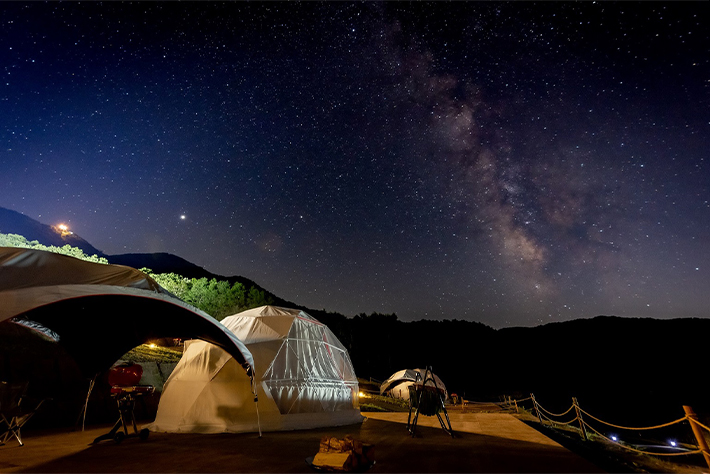
For those extending their stay, the resort operates a dedicated glamping facility at the mountain’s base. Because the air at this altitude is exceptionally clear, it provides an ideal environment for stargazing. Visitors who arrive before dusk are treated to a transition of light—from the golden hues of the sunset to the dramatic, unobstructed expanse of the night sky, a stark contrast to the light-polluted skies of Japan’s major metropolitan areas.

2. Hakuba Happo-One: The Alpine Mecca Reimagined
Hakuba Village, located in the northwestern reaches of Nagano, has long been regarded as the "Mecca" of Japanese winter sports. However, the Hakuba Happo-One Ski Resort is proving that its appeal extends far beyond the ski season.
The Trek to Happo Pond
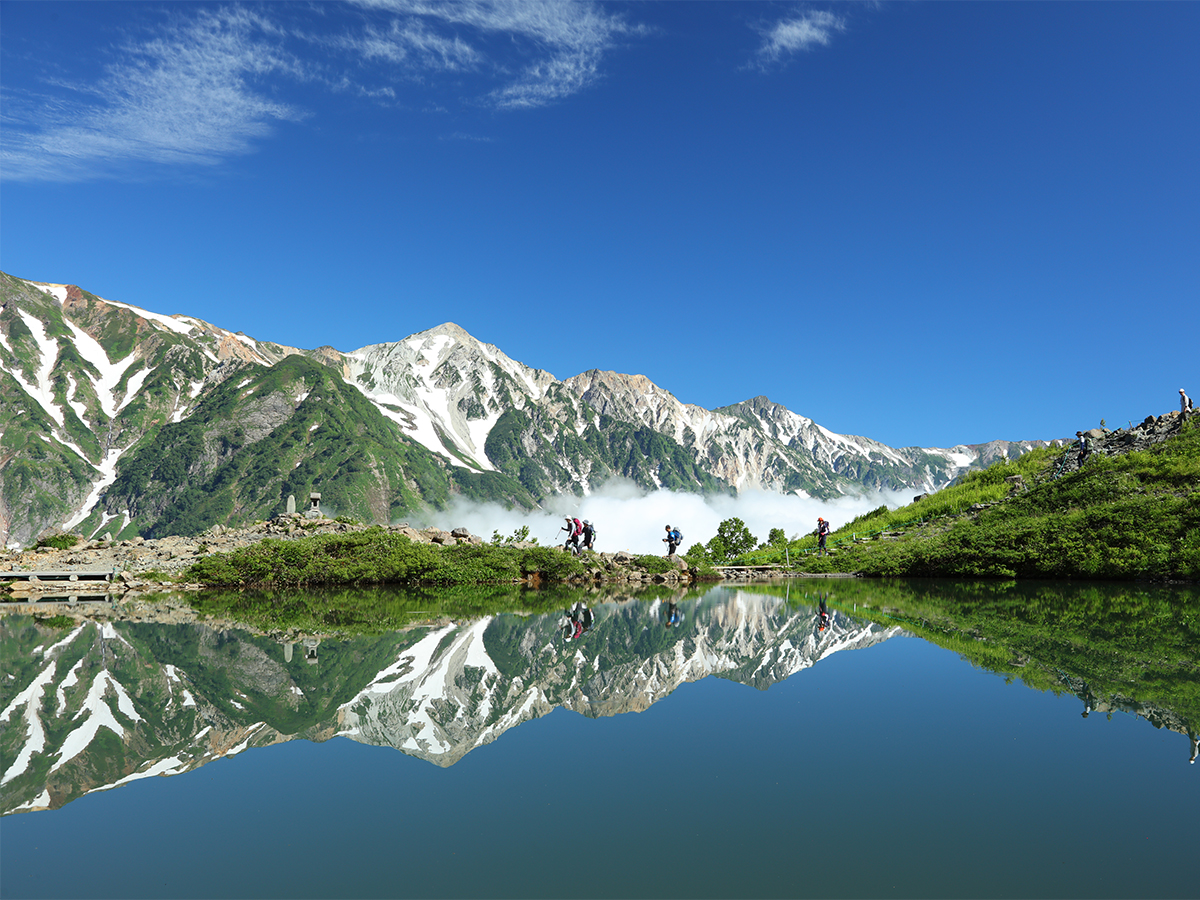
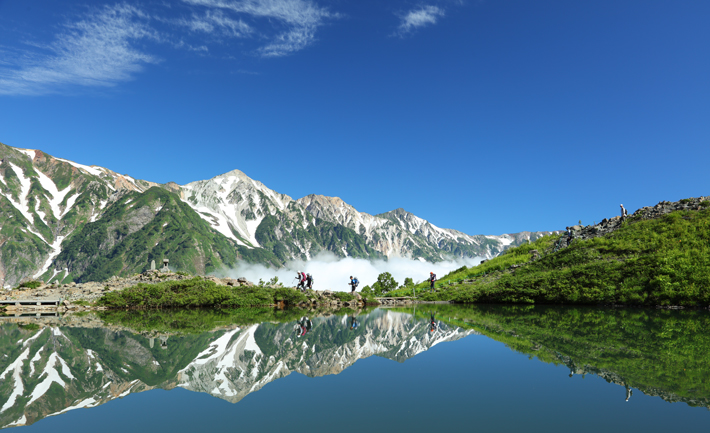
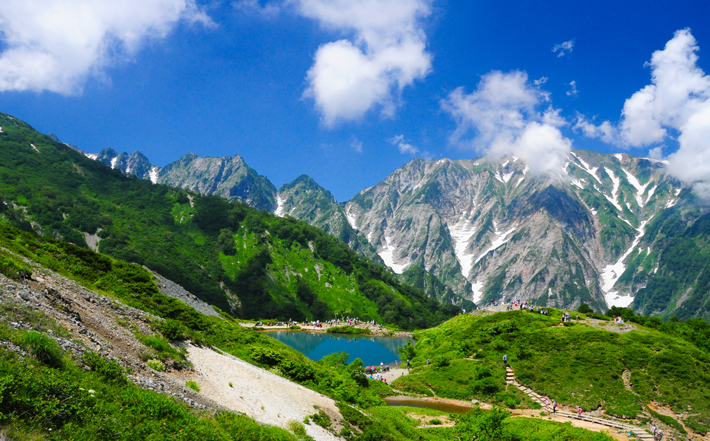
For those looking to engage with nature, the resort offers a highly accessible trekking experience. By utilizing the resort’s gondola and lift infrastructure, visitors can reach an altitude of 1,800 meters (5,906 ft) with ease. From there, a well-maintained trail leads to the iconic Happo Pond. On clear, windless days, the pond acts as a perfect mirror, reflecting the jagged, snow-streaked peaks of the Hakuba mountain range.
The trail is specifically designed to be beginner-friendly. Because the timberline is relatively low in this region, the path is free of dense forest cover, providing panoramic views throughout the entire hike. This ensures that the trek is a leisure activity rather than a grueling climb, making it suitable for a wide range of ages.
Modern Wellness: HAKUBA MOUNTAIN BEACH
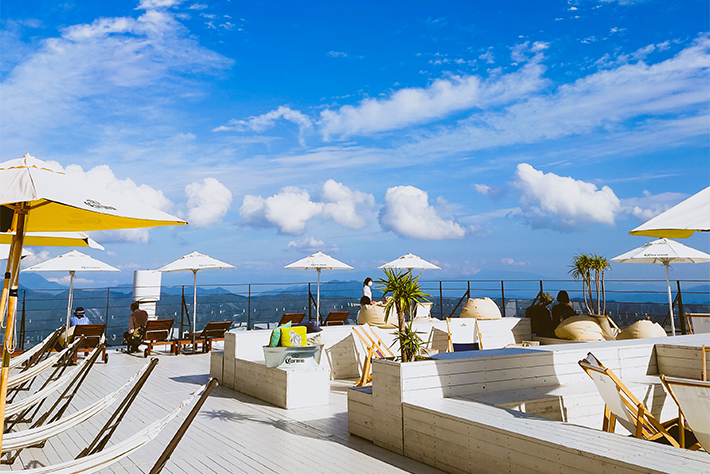
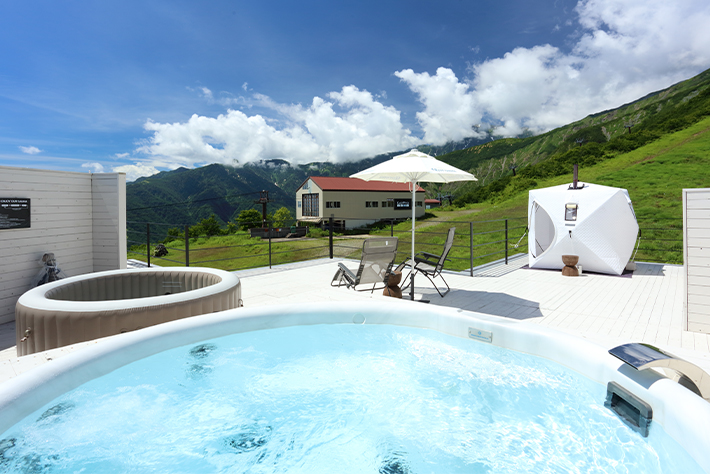
For the visitor who prefers relaxation over hiking, the resort has introduced "HAKUBA MOUNTAIN BEACH." This facility channels a coastal aesthetic, featuring white sand, beach-inspired furniture, and refreshing beverages. The highlight here is the integration of the "sauna boom"—a massive cultural trend in Japan. The resort offers an outdoor sauna and jacuzzi experience at 1,400 meters. The juxtaposition of the crisp mountain air and the intense heat of the sauna provides a unique physiological experience that is rapidly gaining popularity as a holistic health practice.
3. Tsugaike Mountain Resort: The Frontier of Adventure
Also situated in the Hakuba region, the Tsugaike Mountain Resort has transformed itself into the area’s largest outdoor recreational park. While the other resorts focus on tranquility and vistas, Tsugaike has leaned into high-octane excitement.
The "WOW!" Facility
The core of the resort’s summer attraction is the "WOW!" facility. It is a masterclass in modern outdoor adventure design, offering activities that challenge the body and mind.
- Cogidas: A high-altitude cycling experience that allows guests to traverse the air on bike-like apparatuses, offering a unique perspective of the valley below.
- Tobidas: A thrill-seeker’s dream, where participants slide down a 12-meter (39 ft) ramp on a rubber tube before launching into the air.
These facilities are supported by an array of secondary activities including mountain biking, zip-lining, and professional-grade bouldering walls. By providing a diverse range of activities, Tsugaike has successfully captured the multi-generational family market, where different interests can be accommodated within a single, secure environment.
Wetlands and Ecological Preservation
Beyond the thrills, the resort provides access to one of Japan’s most significant high-altitude wetlands via an extended gondola ride. At 1,900 meters (6,234 ft), this protected zone offers an educational look at alpine flora and fauna. The presence of guided programs ensures that visitors not only enjoy the scenery but also gain an appreciation for the ecological importance of the Hakuba range.
Implications for the Future of Japanese Tourism
The success of these resorts carries significant implications for Japan’s tourism industry. Firstly, it offers a sustainable solution to the "off-season" problem that plagues mountain communities. By generating revenue throughout the year, these resorts can maintain permanent staff, preserve local infrastructure, and support regional economies during months that were previously considered "dead."
Accessibility and Ease of Travel
A common concern for international visitors is the difficulty of reaching mountainous areas without a private vehicle. However, these three resorts have been integrated into the broader Japanese transport network. They are easily accessible via the Shinkansen (bullet train) and highway bus systems. It is now entirely possible for a traveler to leave Tokyo in the morning and be sitting on a mountain terrace by the afternoon.
Final Assessment
The trend is clear: the Japanese ski resort of the 21st century is no longer a seasonal entity. It is a year-round destination that balances the needs of the adventurer, the luxury traveler, and the nature enthusiast. Whether you are seeking the cloud-filled sunsets of Ryuoo, the serene reflection of the Hakuba range at Happo-One, or the high-altitude thrills of Tsugaike, these mountains offer a compelling alternative to the traditional summer itinerary.
As travelers continue to look for ways to escape the heat and reconnect with the natural world, Japan’s "Summer Ski Resorts" are poised to move from a niche recommendation to a staple of the Japanese travel experience. With robust infrastructure and a growing variety of attractions, the mountains are no longer just for winter—they are the new frontier of Japanese summer leisure.


 Neng Nana
 Asro
Asro