Jia Lissa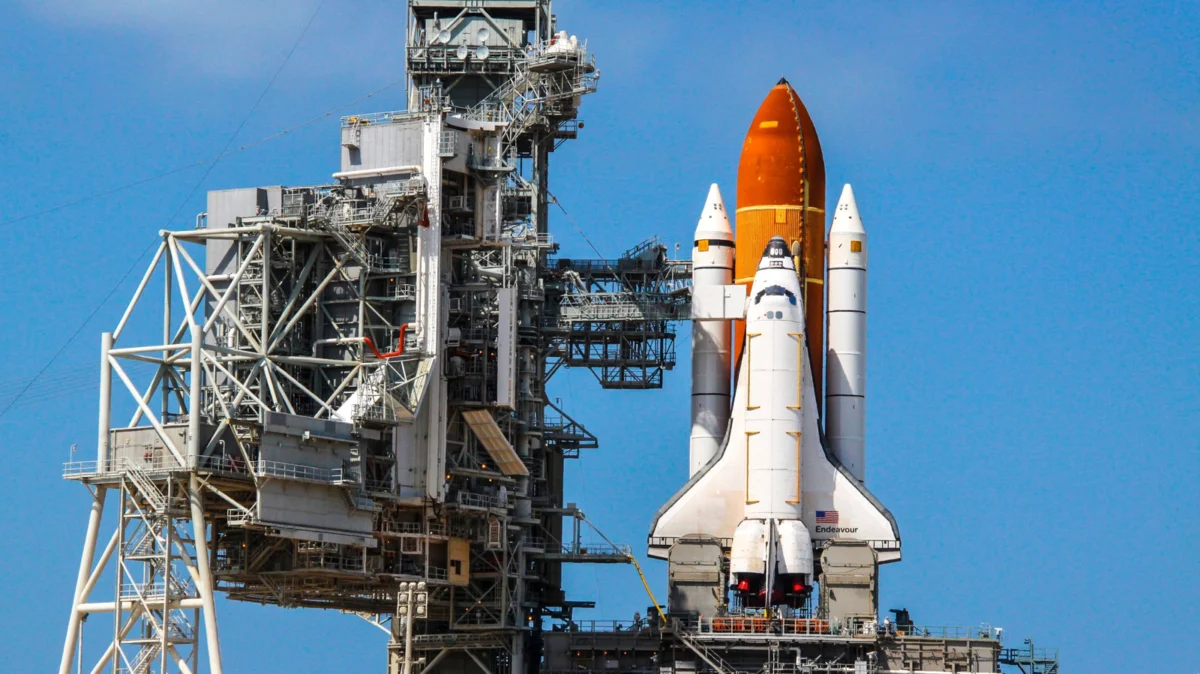
For three decades, the Space Shuttle stood as the definitive symbol of American ingenuity and the gateway to the cosmos. From its maiden flight in 1981 to its final retirement in 2011, the fleet—Columbia, Challenger, Discovery, Atlantis, and Endeavour—logged 134 missions and spent years orbiting the Earth. Yet, more than a decade after the program’s conclusion, the legacy of the Space Shuttle remains a complex tapestry of triumph and tragedy. While it pushed the boundaries of what was technologically possible, the program was ultimately grounded by the harsh realities of ballooning costs, unattainable turnaround schedules, and deep-seated systemic safety flaws.
The Core Mandate: A Vision That Outpaced Reality
To understand why the Space Shuttle was retired, one must first understand its original purpose. Conceived in the late 1960s, the Shuttle was marketed as the "space truck" of the future. The prevailing optimism of the era suggested that spaceflight would soon become as routine and affordable as commercial air travel. Engineers envisioned a world where budget flights to orbit were a standard commodity, leading to wild prognostications—including plans by the Hilton hotel chain to construct an orbiting space hotel.
NASA’s design brief was ambitious: the agency intended to replace the expendable, high-cost Saturn V rockets with a reusable vehicle capable of slashing payload costs from $1,000 per pound to less than $50 per pound. If successful, the Shuttle would have democratized access to low-Earth orbit. However, the vision collided with the brutal physics of orbital mechanics and the limitations of 1970s material science.
Chronology: From Launchpad to Museum
- 1981: The Space Shuttle Columbia launches on STS-1, signaling a new era of reusable space transportation.
- 1986: The Challenger disaster occurs 73 seconds after liftoff, claiming seven lives and grounding the fleet for over two years.
- 1990: The Hubble Space Telescope is deployed, highlighting the Shuttle’s unique ability to act as an orbital service station.
- 2003: The Columbia disaster occurs during re-entry, leading to the eventual decision to sunset the program.
- 2011: Atlantis completes the final flight of the program (STS-135), marking the end of the 30-year operational history.
- 2011–2020: The "gap years," during which the U.S. relied on Russian Soyuz spacecraft to ferry astronauts to the International Space Station.
Operational Realities: The Myth of Efficiency
The most significant failure of the Shuttle program was its inability to meet its operational promises. NASA’s initial financial projections were wildly optimistic. The agency hoped that each launch would cost approximately $350,000—a figure that proved to be a fraction of the actual cost. By the time the program was in full swing, each mission cost taxpayers roughly $450 million. The "economies of scale" that were supposed to materialize through high-frequency launches never occurred.
Furthermore, the "fast turnaround" capability—essential for making the Shuttle a commercial success—remained elusive. NASA had projected a schedule of up to 95 missions per year, roughly one flight every four days. In reality, the logistics of inspecting thousands of heat-shield tiles, refurbishing engines, and ensuring structural integrity proved far more time-consuming than anticipated. The quickest turnaround achieved was 54 days; after the Challenger tragedy, that timeline stretched to 88 days. These delays effectively killed the dream of a frequent, cost-effective space bridge.
Safety Concerns: A Design Compromised
The history of the Shuttle is marred by the loss of 14 astronauts in two catastrophic failures. These tragedies were not merely accidents; they were the result of fundamental design flaws and, in some cases, the institutionalization of risk.
The Abandonment of Risk Analysis
According to research from the NASA Ames Research Center, the Shuttle program deviated from the rigorous safety protocols established during the Apollo era. When engineers attempted to use standard risk-assessment modeling, the results were often deemed "unacceptably pessimistic" by management. This led to a culture where safety margins were squeezed to accommodate the operational demands of the program.
The Thermal Protection System (TPS)
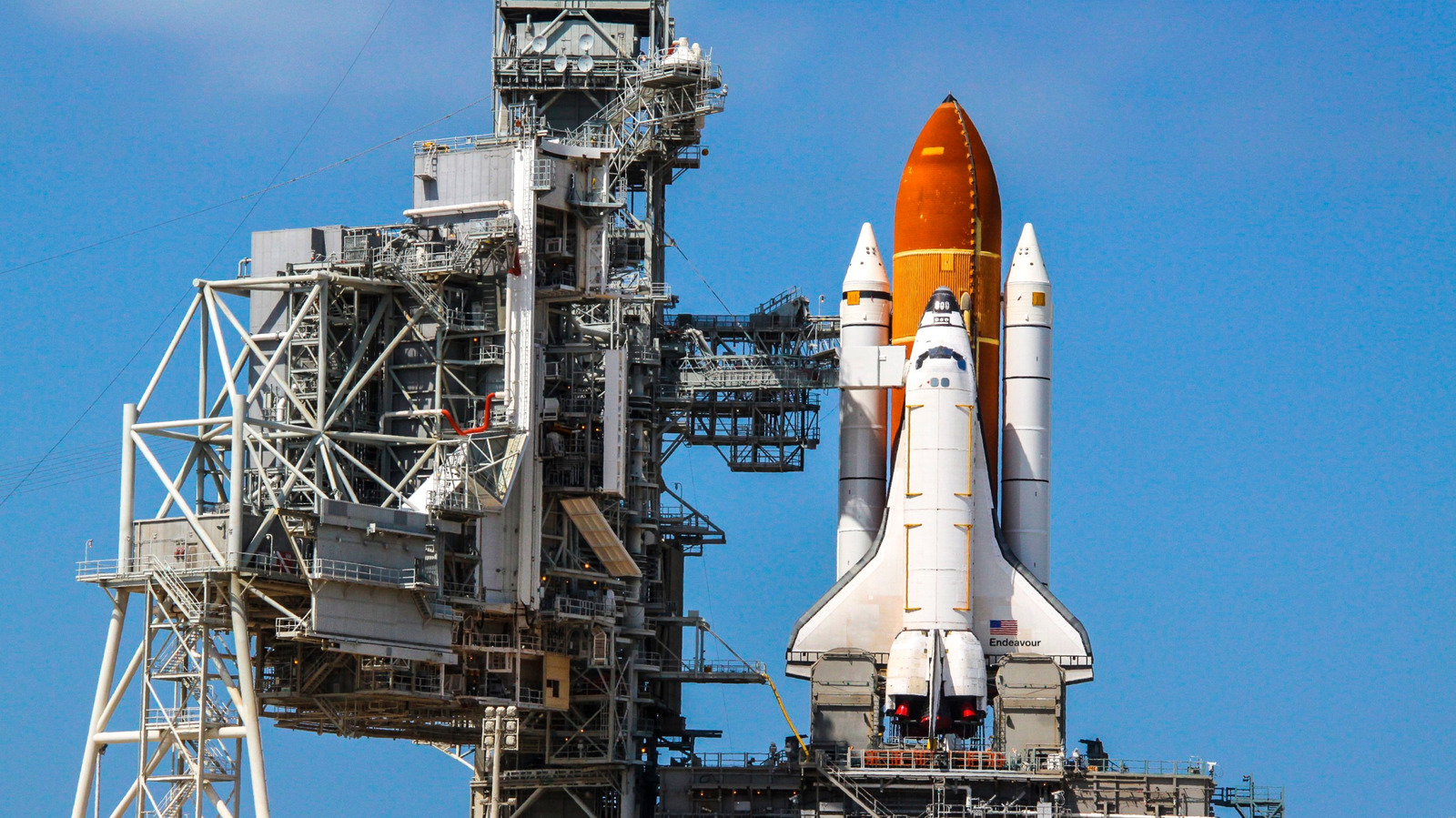
The Shuttle’s most vulnerable feature was its thermal protection system. To survive the extreme heat of re-entry, the craft was covered in thousands of fragile silica and carbon-carbon tiles. These tiles were not designed to be hit by debris, yet they were exposed during every launch as the external fuel tank shed insulating foam. The Columbia disaster, where a breach in the wing’s leading-edge insulation caused the craft to disintegrate upon re-entry, highlighted the inherent danger of this design. The tiles were, quite simply, too fragile for the reality of high-speed launch environments.
The Absence of Escape Systems
Perhaps the most glaring omission in the Shuttle’s design was the lack of a reliable crew escape system. Because the vehicle was designed with the philosophy that it would be as safe as a commercial airliner, designers did not prioritize emergency ejection or abort mechanisms for all phases of flight. This left crews with few options when catastrophic failures occurred during the critical ascent or re-entry windows.
Official Responses and Institutional Reflection
Following the loss of Columbia in 2003, the Columbia Accident Investigation Board (CAIB) issued a scathing report that went beyond the immediate technical causes of the crash. The board pointed to a "broken safety culture" within NASA, where schedule pressure and bureaucratic inertia often overrode the warnings of engineers.
"The Shuttle is a remarkable piece of engineering," noted one senior NASA official in a retrospective review, "but it was an engineering solution to a set of requirements that were fundamentally contradictory." The agency acknowledged that by trying to build a craft that was simultaneously a cargo hauler, a laboratory, a repair station, and a passenger transport, they had created a vehicle that was master of none and dangerous in all.
Implications for Future Exploration
The retirement of the Space Shuttle served as a necessary, albeit painful, reset for the American space program. The "gap years" that followed the program’s end were difficult for NASA, forcing a reliance on international partners. However, this period also cleared the way for the "NewSpace" era.
By stepping away from the Shuttle, NASA pivoted its strategy toward the Commercial Crew Program. Instead of owning and operating the launch vehicle itself, NASA shifted to a model where it acts as a customer, purchasing transport services from private companies like SpaceX and Boeing. This shift has incentivized the development of more modern, safer, and cost-effective vehicles like the Crew Dragon, which features automated abort systems and far more rigorous safety profiles than the Shuttle could ever offer.
Conclusion
The Space Shuttle was an audacious attempt to normalize space travel. While it failed to meet its economic and turnaround targets, it succeeded in ways that are harder to quantify: it built the International Space Station, repaired the Hubble Telescope, and inspired a generation to look upward.
Ultimately, the reasons for its retirement were rooted in the hard lessons learned through tragedy and the realization that progress requires evolution. NASA’s decision to move on from the Shuttle was not an admission of failure, but a recognition that to go further—to the Moon, Mars, and beyond—the agency needed to shed the limitations of 20th-century technology in favor of the safer, more modular, and sustainable systems of the 21st century. The Shuttle remains a monument to human ambition, but its retirement was the essential step required to build the future of space exploration.


 Sagoh
Sagoh
 Raul Delapena Setiawan