Reynand Wu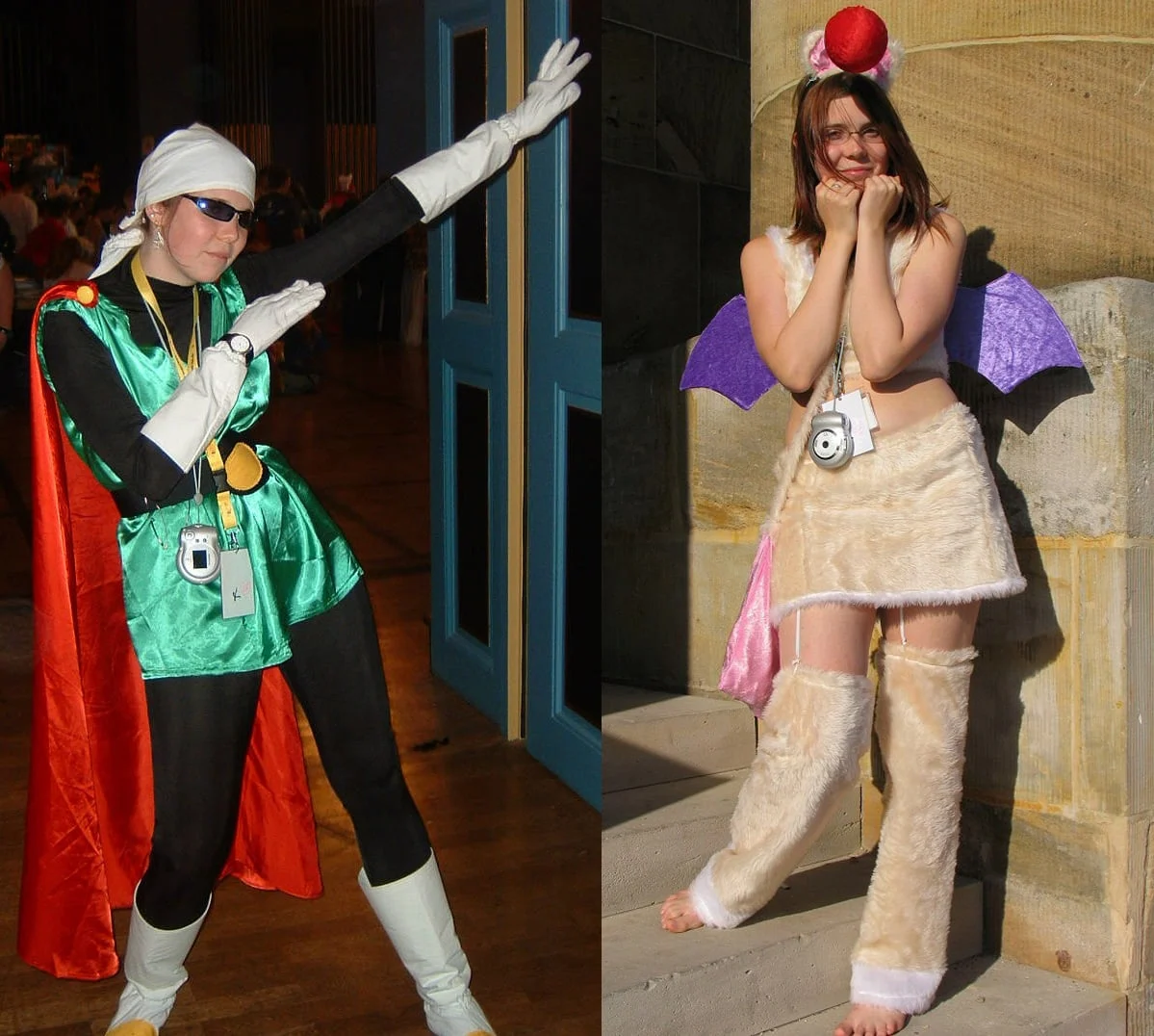
In the early 2000s, the world of cosplay was defined by resourcefulness. It was an era of paper-mâché, expanding foam, and cheap, shimmering satin sourced from the remnants bin at local fabric stores. For pioneers like Kamui Cosplay, the craft was a tactile struggle against gravity and glue. Two decades later, the landscape of costume fabrication has undergone a technological metamorphosis. With the rise of 3D printers, laser cutters, and professional-grade materials, the barrier to entry—or at least the perceived barrier—has shifted significantly. As social media feeds fill with hyper-realistic armor and LED-infused weaponry, many enthusiasts are asking: In an age of high-tech manufacturing, is cosplay still an accessible hobby for the average fan?
A Chronology of Craft: From Paper-Mâché to 3D Printing
To understand the current state of the hobby, one must look at its trajectory. In 2003, the tools of the trade were rudimentary. For a novice, success meant finding the cheapest materials possible and hoping they held together for the duration of a convention. As the years progressed, materials evolved; the introduction of thermoplastics like Wonderflex and Worbla revolutionized armor building, allowing for complex shapes that were previously impossible with cardboard or foam.

By the mid-2010s, the industry saw another shift. The democratization of additive manufacturing, specifically 3D FDM (Fused Deposition Modeling) and resin printing, allowed creators to move beyond manual sculpting. What once took weeks of tedious hand-carving could now be rendered in a 3D modeling program like Blender and printed while the creator slept. This shift toward automation has allowed for a level of detail—sharp edges, intricate mechanical parts, and structural durability—that defines modern professional cosplay.
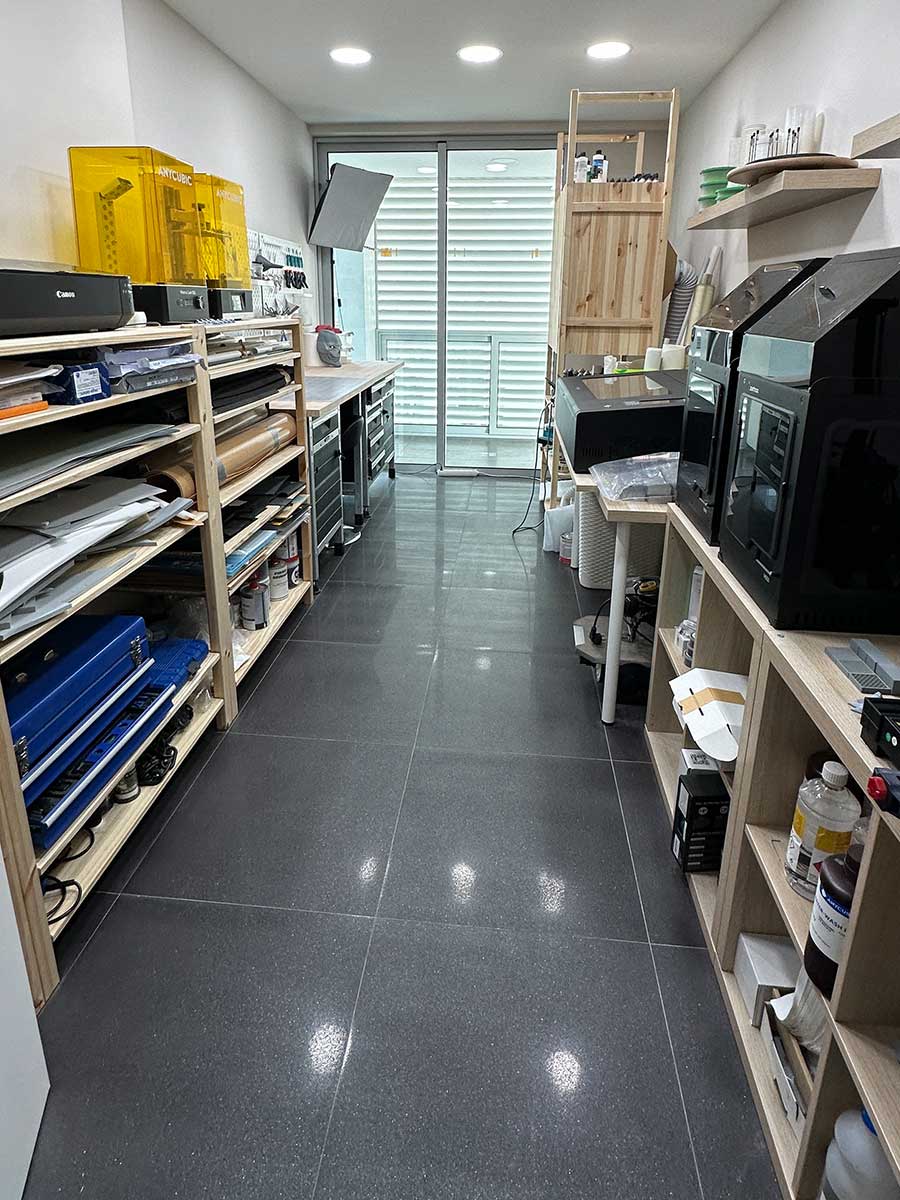
However, this evolution has created a "technological gap." Where once a box cutter and a hot glue gun were the universal standards, the "pro-level" kit now includes machines costing hundreds, if not thousands, of dollars. This transition has led to a palpable anxiety among newcomers who worry that their handmade, entry-level work will be overshadowed by machine-perfected builds.
The Professional Workflow: Efficiency vs. Necessity
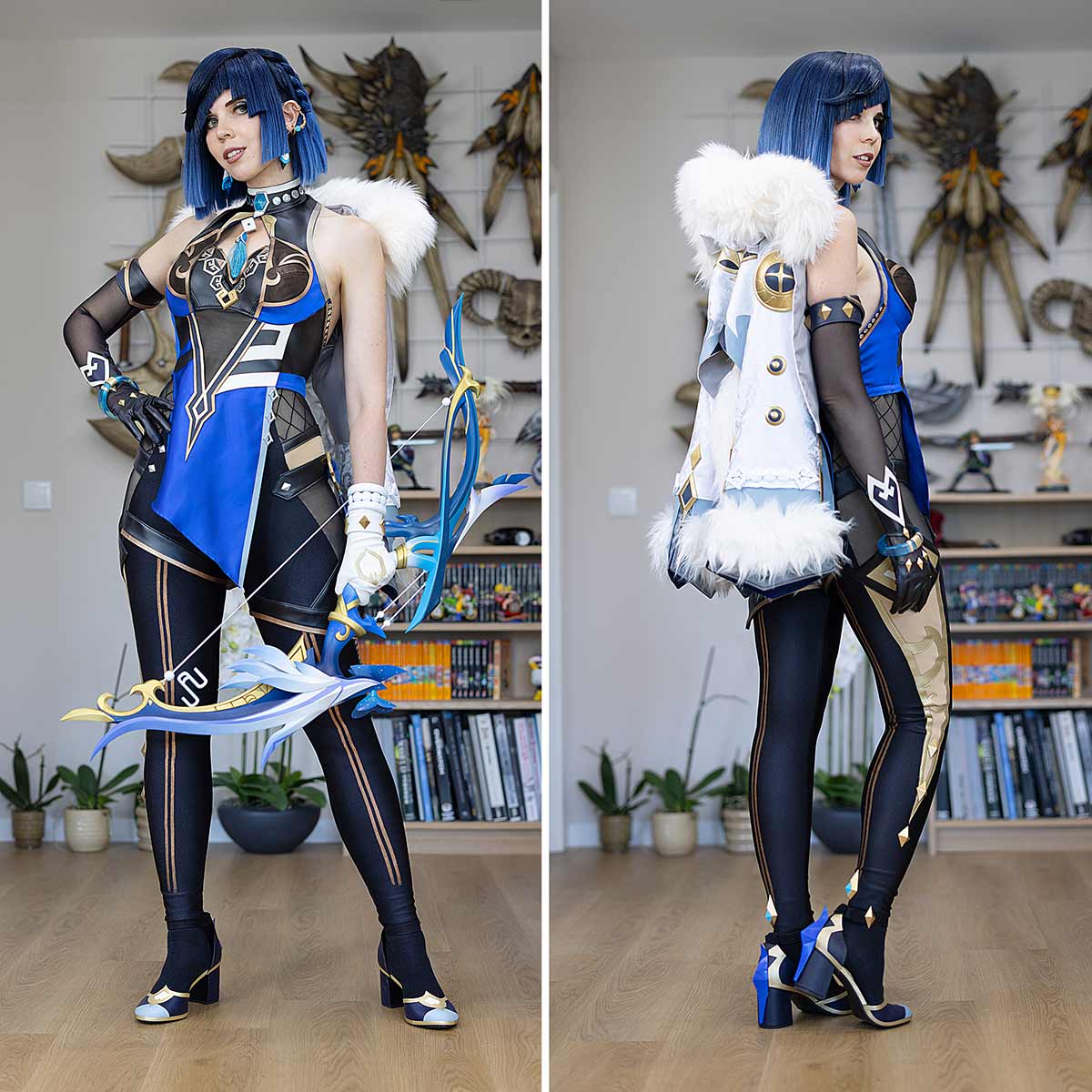
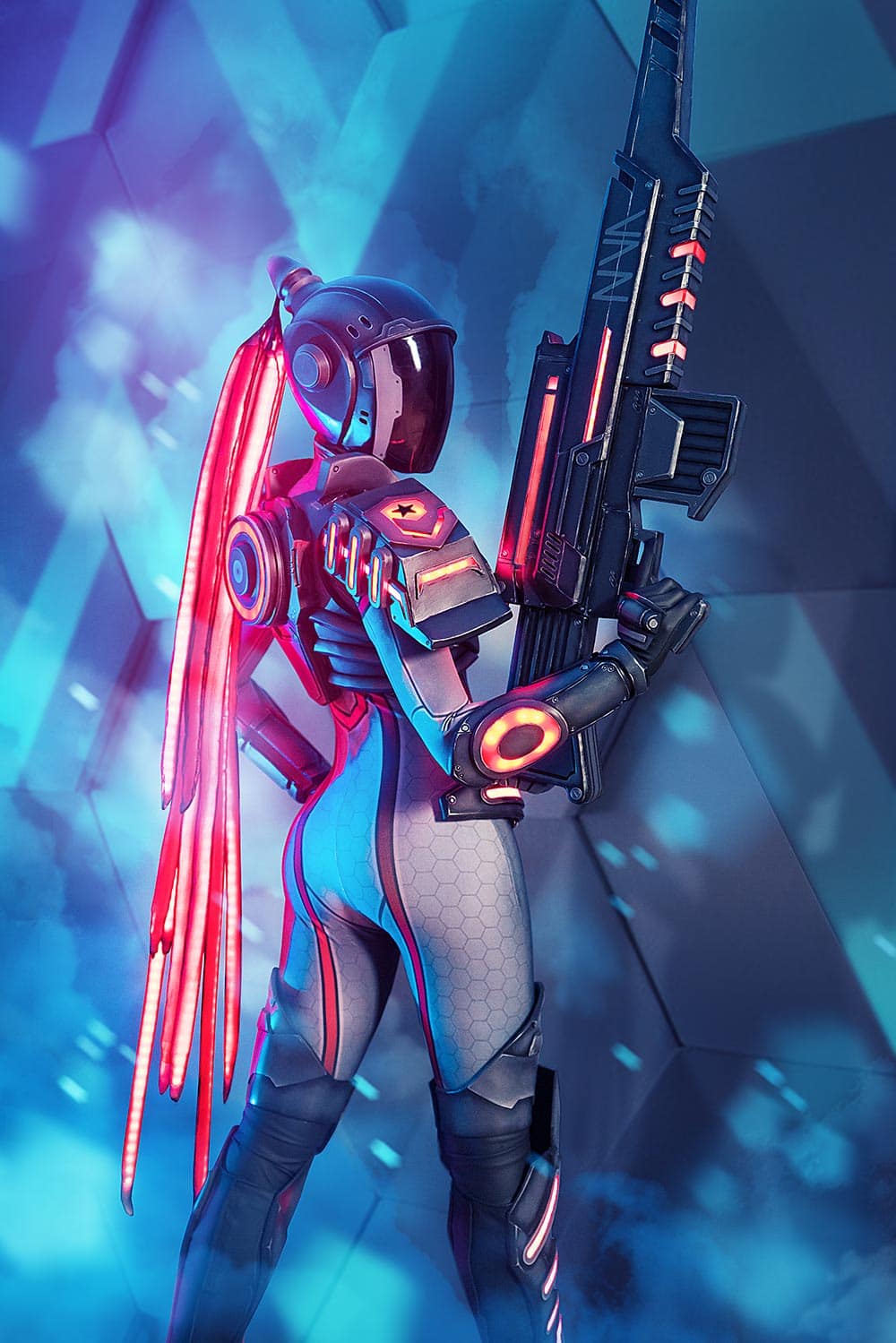
For full-time professional artists, the adoption of high-end machinery is a matter of business survival rather than just artistic preference. Projects like the Genshin Impact Yelan costume, which required six weeks of intensive work, highlight the necessity of specialized tools. Laser cutters, for instance, have become indispensable for cutting repetitive patterns—such as hundreds of individual foam scales—that would otherwise be a physical and time-consuming burden.
These machines serve two primary functions: speed and precision. When working on time-sensitive commissions or intricate props like Aloy’s Sharpshot Bow or a light-up katana, the ability to outsource the labor to a machine allows the artist to focus on assembly, painting, and electronics. Yet, these tools are not magic. They require a steep learning curve in 3D modeling, file optimization, and maintenance. As many professionals point out, owning a 3D printer does not turn one into a master crafter; it is simply a different type of brush.
The Cost of Creativity: Financial Realities
The argument that cosplay is becoming "less accessible" is rooted in the rising costs of both materials and equipment. Beyond the machinery, the cost of quality fabrics—often exceeding $100 per yard for premium textiles—and the surge in electronics for lighting and movement can easily push a single costume budget into the thousands.
For the average hobbyist, this creates a psychological hurdle. When the "gold standard" of cosplay is presented as a high-budget, high-tech endeavor, the beginner may feel that their DIY efforts are invalid. This is exacerbated by the "Instagram effect," where only the most polished, high-production-value photos garner significant attention, creating a distorted view of what a typical, fun-focused cosplay experience looks like.
Debunking the Myth: Passion Over Hardware
Despite the rise of professional tools, the core tenets of cosplay remain unchanged. A master artist is defined by their vision, not their inventory. In fact, many of the industry’s leading figures still rely heavily on simple EVA foam, which remains one of the most versatile and affordable mediums available.
Evidence of this accessibility is found in communities where resources are scarce. For instance, in regions like Cuba, where the average monthly income is limited, cosplayers consistently produce high-quality work, including elaborate monster-hunter armor, using nothing more than grit and locally sourced materials. These examples serve as a powerful reminder that if an artist has the drive, they will find a way to create, regardless of their budget.
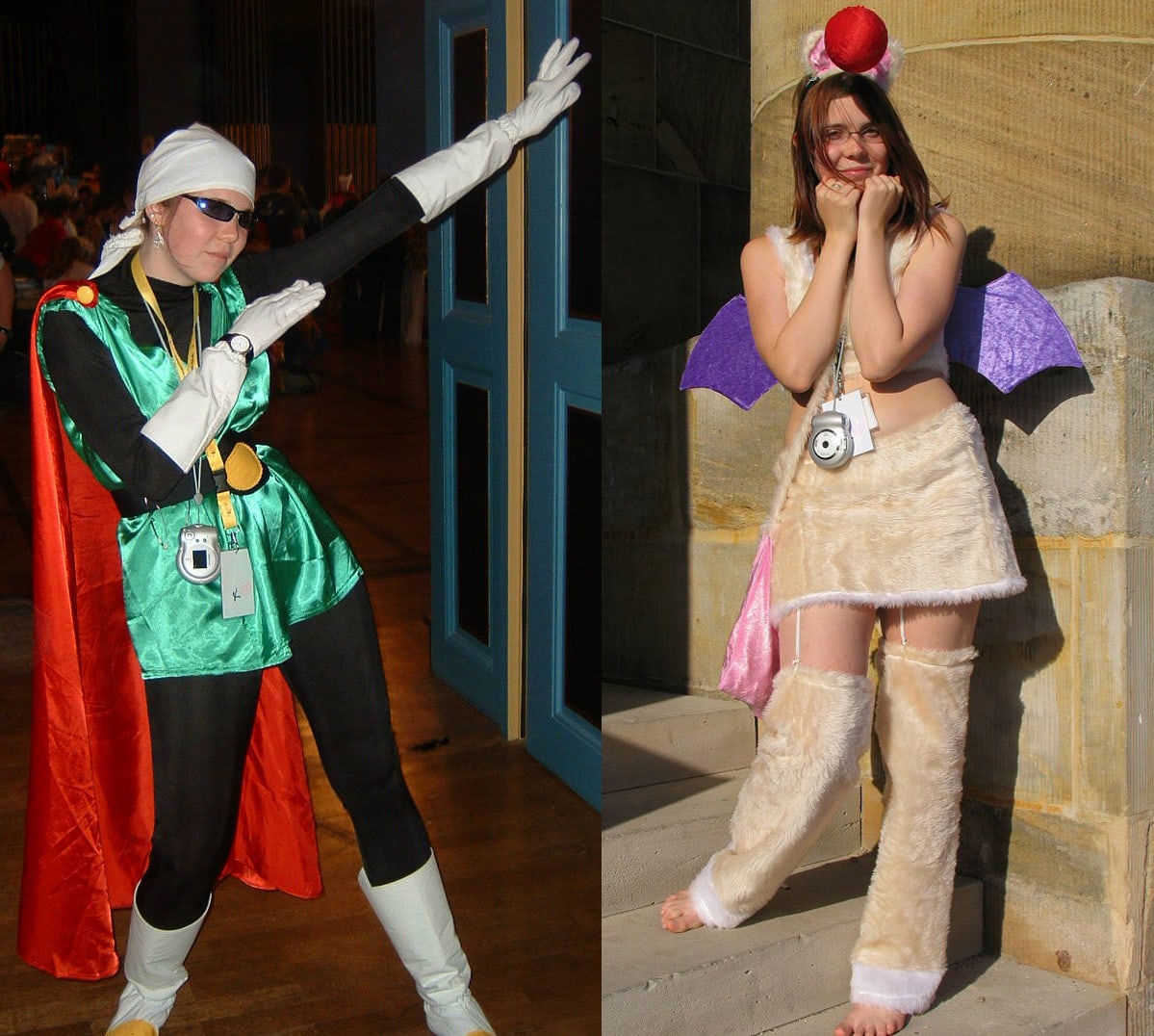
Furthermore, the "barrier to entry" has arguably never been lower in other respects. The modern market offers high-quality, pre-made costumes at prices that would have been unimaginable twenty years ago. These items provide a perfect entry point for beginners, allowing them to participate in the community, make friends, and gradually learn crafting skills—such as wig styling or accessory building—at their own pace.
Implications for the Future of the Hobby
The future of cosplay lies in the balance between the "hand-made" tradition and the "tech-driven" future. Several key takeaways emerge from this evolution:
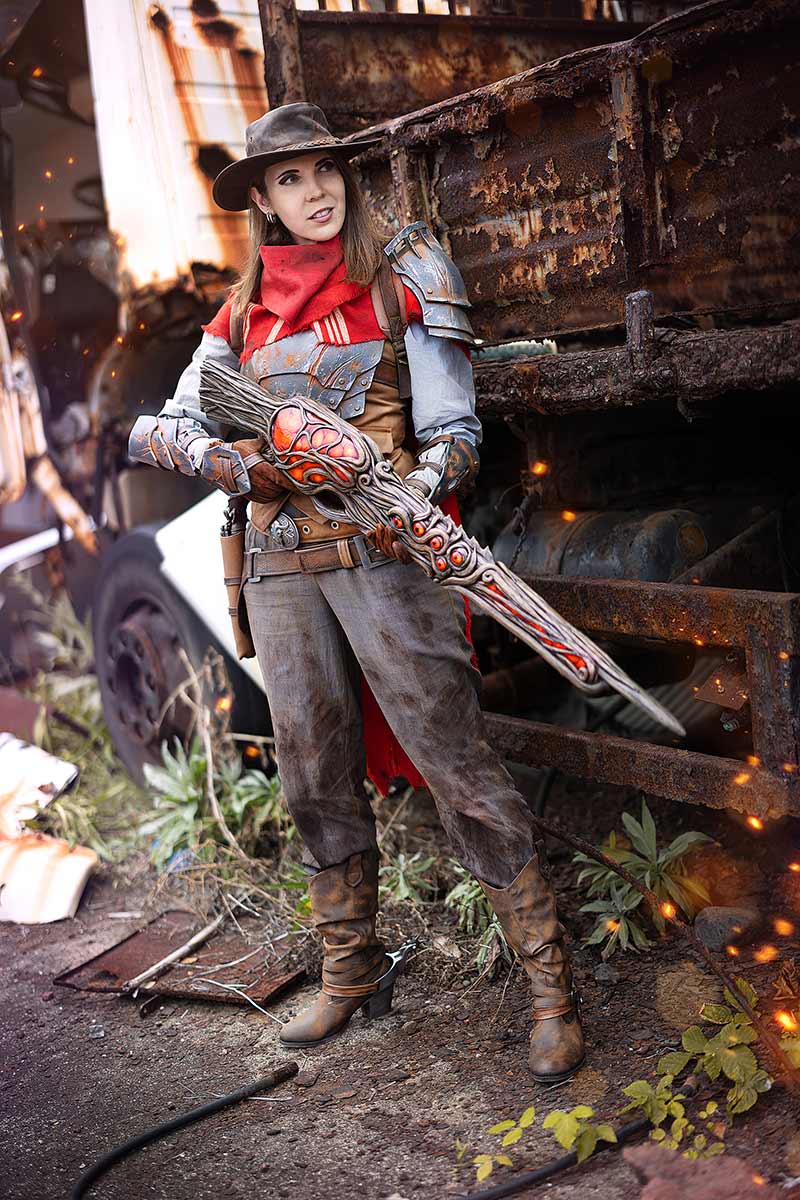
- Skills are Cumulative: No one starts with a full workshop. The experts of today spent decades accumulating their tools. Comparing one’s first build to a professional’s tenth-year project is an exercise in futility.
- Tools are Supplements, Not Replacements: A 3D printer is a tool to speed up a process, but it cannot replace the human element of finishing, painting, and fitting. Many top-tier cosplayers still prefer foam for its ease of adjustment and the personal touch it offers.
- The "Casual" Cosplay is Valid: The hobby is not a binary choice between a screen-accurate, 3D-printed suit and nothing at all. Altering second-hand clothing or using "casual" versions of characters is a legitimate and highly popular way to engage with the craft.
- Learning Resources are Abundant: The availability of free software like Blender, alongside a plethora of YouTube tutorials and crafting guides, means that the knowledge to create is more accessible than it has ever been.
Conclusion: A Hobby Defined by Love
Ultimately, the question of whether cosplay is still accessible is answered by the community’s intent. If the goal is to produce a commercial-grade product for profit, the investment in high-end machinery is a logical business step. However, if the goal is to celebrate a fandom, express creativity, and find community, the barriers are entirely self-imposed.
Cosplay is, at its heart, a journey. The materials used—whether they are high-density EVA foam, thermoplastic sheets, or recycled cardboard—are merely vehicles for the creator’s passion. Whether you are using a $2,000 laser cutter or a pair of $5 scissors from a discount bin, the act of creation remains a triumph of imagination. The "best" tool is, and always will be, the one you have in your hand, fueled by the patience and persistence to use it. As long as the passion for the craft persists, the hobby will remain open to anyone willing to start small and dream big.

 Siti Muinah
 Azzam Bilal Chamdy