Nila Kartika Wati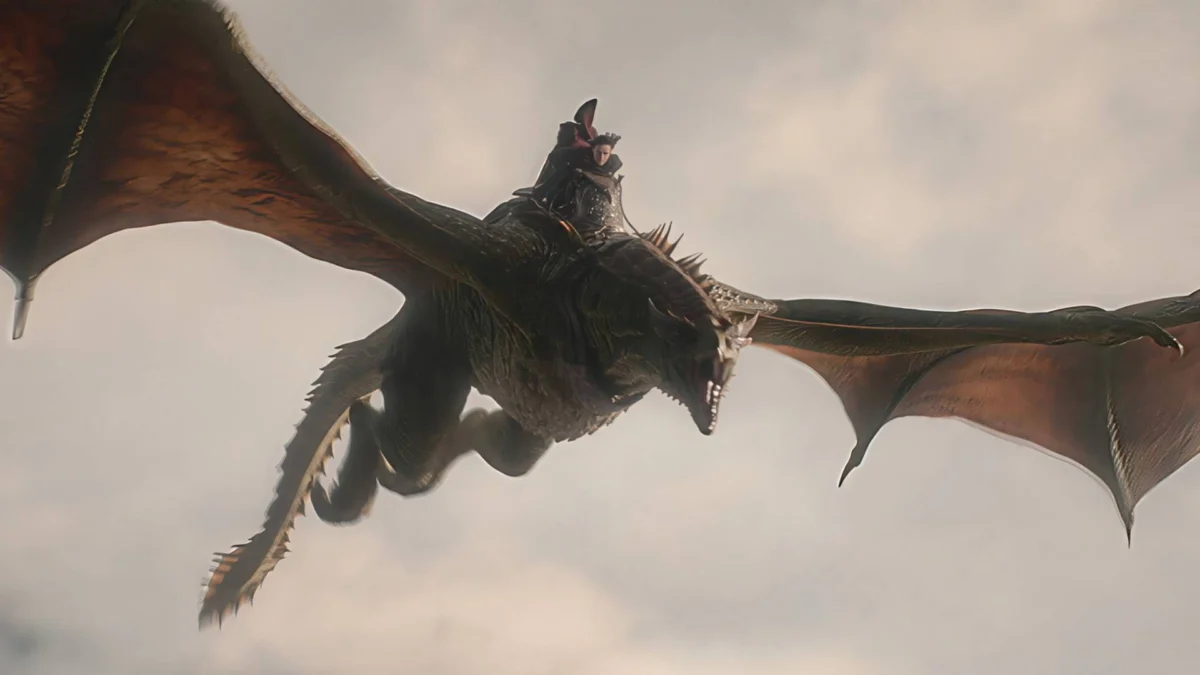
The House of the Dragon season 3 premiere has delivered one of the most polarizing and visceral moments in the history of the Game of Thrones franchise. Showrunner Ryan Condal had long promised that the Battle of the Gullet would be the series’ answer to the legendary "Helm’s Deep" sequence from Peter Jackson’s The Lord of the Rings—a massive, high-stakes collision of armies that would fundamentally alter the trajectory of the Dance of the Dragons.
While the episode succeeded in delivering a cinematic spectacle, it also cemented a schism between the show’s narrative direction and George R.R. Martin’s original vision in Fire & Blood. As the dust settles on the burning fleets of the Gullet, we are left to grapple with the death of Jacaerys Velaryon—a character whose demise, while historically inevitable, was executed with a creative departure that has sparked intense debate among the fandom and the original author alike.
The Context: A Growing Divide Between Page and Screen
The relationship between George R.R. Martin and the House of the Dragon production team has become increasingly strained. In recent months, Martin took to his "Not a Blog" platform to voice his frustrations regarding the adaptation process, specifically criticizing the divergence from his source material. While these posts were later removed, the public tension remains palpable, with Martin reportedly describing his relationship with the showrunners as "abysmal."
The Battle of the Gullet serves as the epicenter of this conflict. In Martin’s Fire & Blood, the sequence is a strategic, albeit chaotic, naval clash involving the Triarchy. Crucially, the book establishes a different set of stakes: Rhaenyra’s younger sons, Aegon and Viserys, are captured by the Triarchy. While Aegon manages to escape to Dragonstone with his dragon, Viserys remains a prisoner. Jacaerys Velaryon’s subsequent charge into the battle is framed as a desperate, heroic attempt to rescue his brother.
The show, however, has opted for a radically different approach. In the season 3 premiere, the younger brothers are entirely absent from the immediate conflict, and the dragonseeds—who play a pivotal role in the book’s version of the battle—are nowhere to be found. By removing these plot points, the show transforms Jacaerys’s final moments from a desperate rescue mission into an act of reckless, unauthorized defiance.
Chronology of a Doomed Flight
The premiere meticulously tracks the descent of Jacaerys Velaryon, providing a narrative arc that feels both urgent and fatalistic. The sequence begins with Jace manipulating a Queensguard member to bypass his mother’s orders, effectively locking Rhaenyra away from the decision-making process. Driven by a desire to prove his worth as the heir to the Iron Throne and a fear of "Green" treachery, Jace takes flight alongside his betrothed, Baela Targaryen, and her dragon, Moondancer.
What follows is a masterclass in chaotic warfare. The screen is filled with smoke, the splintering of wood, and the visceral terror of dragons engaged in ship-to-ship combat. The tide of the battle initially swings in favor of Team Black, bolstered by the presence of dragons, but the reality of the Triarchy’s weaponry—specifically harpoons capable of grounding even the most formidable beasts—quickly asserts itself.
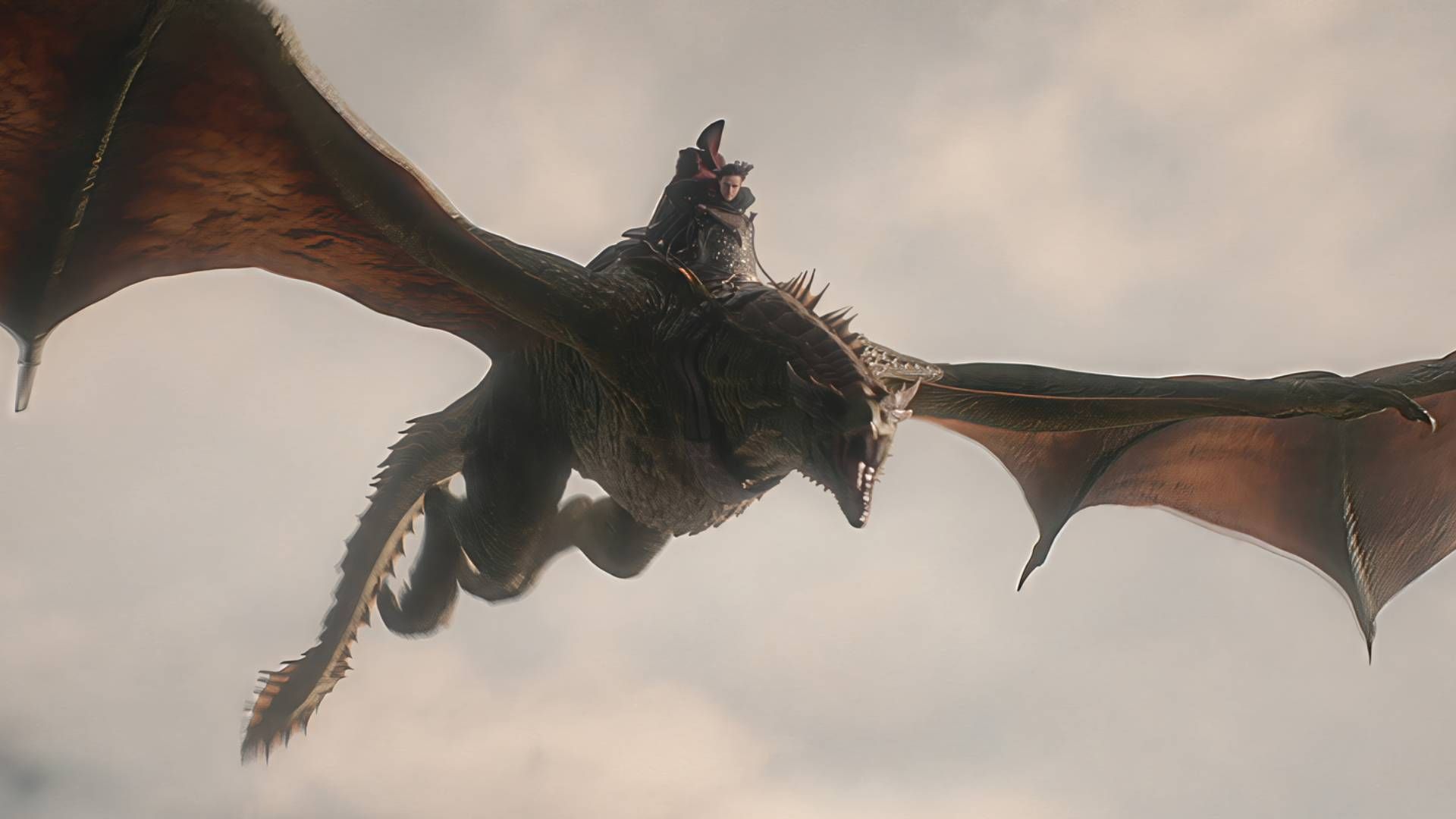
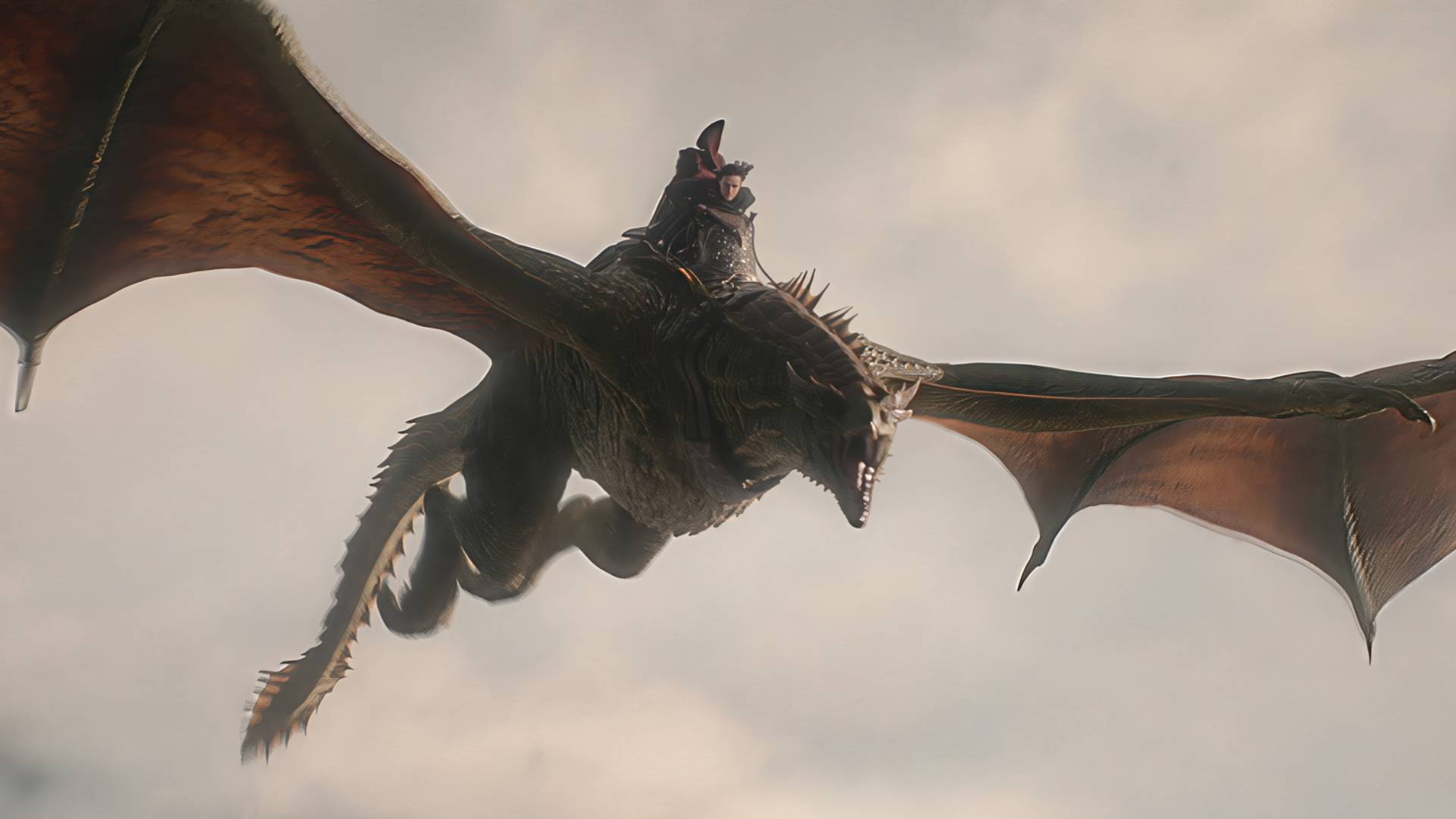
Vermax, Jace’s dragon, is ensnared by a massive harpoon bolt. While Baela initially manages to intervene and free the dragon, the victory is short-lived. The arrival of the wild dragon Sheepstealer, acting under the erratic control of Rhaena, introduces a third, unpredictable variable to the battlefield. The wild dragon begins to strike at both sides, inadvertently drawing Jace deeper into the fray.
In the final, harrowing minutes of the battle, the conflict has effectively concluded, leaving the fleets of both the Greens and the Blacks in ruins. It is here, amidst the silence of the aftermath, that an anonymous, stray shot from a ship’s ballista pierces Vermax. The subsequent crash and the death of Jacaerys occur without fanfare, without a score, and without the glory that often accompanies the end of a prince.
Supporting Data: Examining the Narrative Implications
The decision to kill Jacaerys in such an "anticlimactic" fashion serves a specific thematic purpose that warrants closer inspection. By stripping away the heroic motivation of the book (the rescue of his brother) and the tactical support of the dragonseeds, the show emphasizes the inherent fragility of the Targaryen dynasty.
The Myth of Dragon Control
One of the most vital implications of this sequence is the deconstruction of dragon-riding. For two seasons, the show has teased the idea that Targaryens are the masters of the skies. However, the introduction of the wild dragon Sheepstealer and the sight of Vermax being dragged into the ocean serve as a sobering reminder: a dragon is an animal, not a machine. Even with Valyrian blood, the bond between rider and beast is tenuous. The show implies that as the Dance progresses, the dragons are becoming more like weapons of mass destruction than allies, turning on their riders and fueling the "annihilation" that Criston Cole predicts.
The Futility of the War
In the source material, Jacaerys’s death is a tragic loss of a promising leader. In the show, his death is a tragedy of wasted potential. By having him die after the battle is already won, the writers highlight the senselessness of the war. His death does not achieve a strategic goal; it does not save his brother; it does not win the throne. It is simply another casualty in a cycle of violence that consumes the next generation of Targaryens.
Official Responses and Creative Vision
Showrunner Ryan Condal has defended the creative liberties taken by the production, noting that the "pseudo-historical" nature of Fire & Blood—which is written from the perspective of unreliable maesters—allows for interpretation. In a recent interview, the production team suggested that their goal was not to replicate the history exactly, but to capture the feeling of the era.
"We want the audience to feel the weight of the loss," the production team stated in a press release following the episode’s airing. "Jacaerys is a character who has been defined by his attempt to live up to a legacy that is already crumbling. His death needed to reflect the chaos of war, where kings and princes die just as easily as sailors."
This justification aligns with the broader tone of the series, which has consistently moved away from the "heroic fantasy" tropes found in The Lord of the Rings and toward a more nihilistic, "Game of Thrones"-esque exploration of power and entropy.
Implications for Season 3 and Beyond
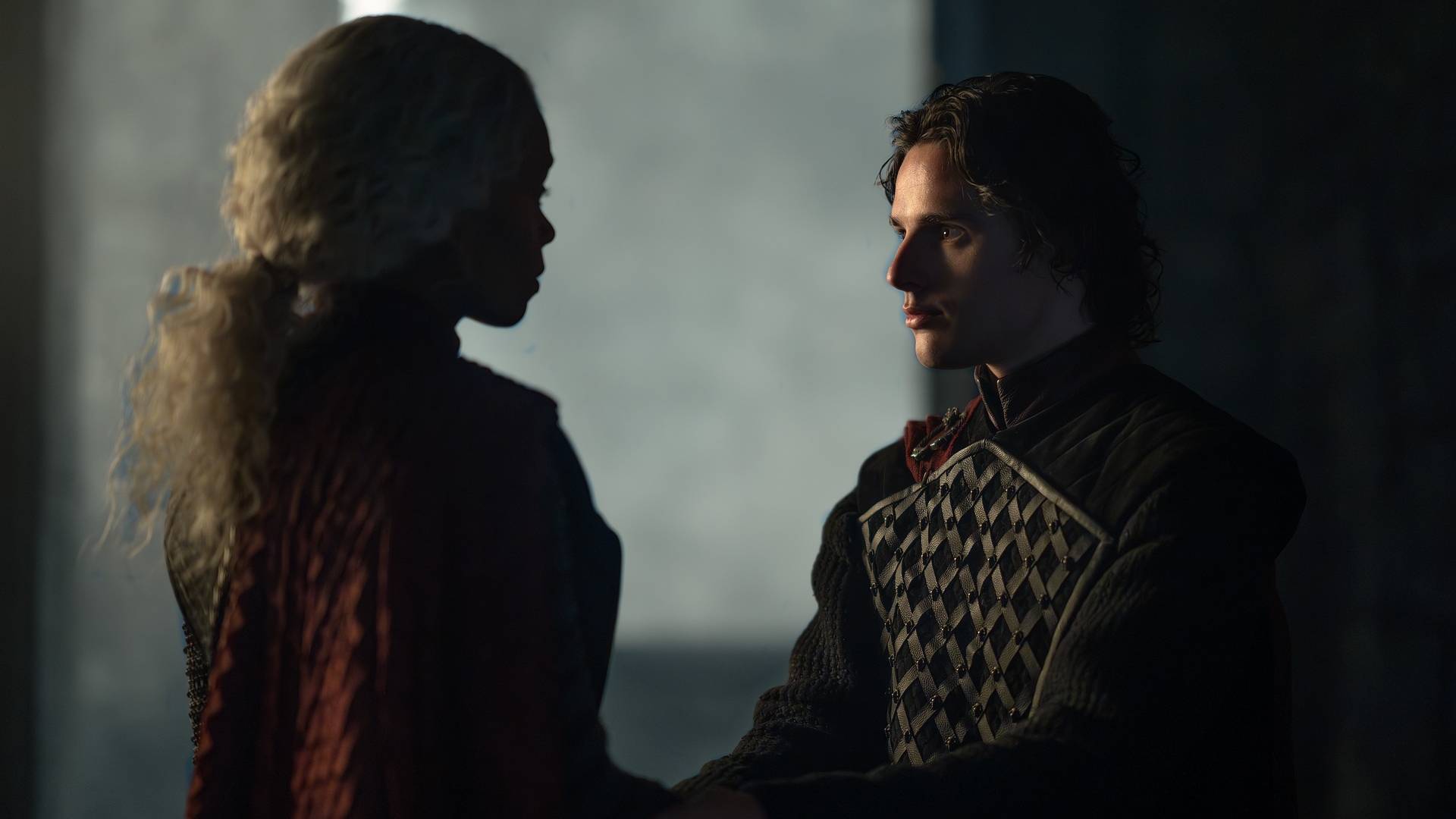
The death of the heir to the Iron Throne leaves a power vacuum that will undoubtedly define the remainder of the season. Rhaenyra, already dealing with the loss of her son, must now grapple with the knowledge that his death was the result of his own disobedience—a fact that will likely fuel her instability as the series progresses.
Furthermore, the absence of Jacaerys means that the perspective of the "Blacks" will shift. With the death of both Lucerys and Jacaerys, the lineage of Rhaenyra is under existential threat. This creates a high-pressure environment for the remaining characters, particularly Daemon and the newly introduced dragonseeds, who must now navigate a war that has clearly moved beyond the control of any single commander.
The "Battle of the Gullet" will likely be remembered as the point of no return for House of the Dragon. By choosing to move away from the source material, the show has signaled that it is willing to sacrifice "canonical" accuracy in favor of a more bleak, character-driven exploration of the human cost of the Dance. While some fans of the books may find the changes frustrating, the decision to prioritize the thematic resonance of the loss over the spectacle of a heroic rescue suggests that the show is committed to its central message: when the dragons dance, everyone else is merely dust under their feet.
As we look toward the upcoming episodes, one thing is certain: the stakes have never been higher, and the path forward for the Targaryen dynasty has never looked more shrouded in shadow. Whether this trajectory leads to a satisfying conclusion or further alienates the fanbase, the impact of the Gullet will be felt throughout the remaining chapters of this epic struggle.


 Nana
Nana
 Jia Lissa