Ammar Sabilarrohman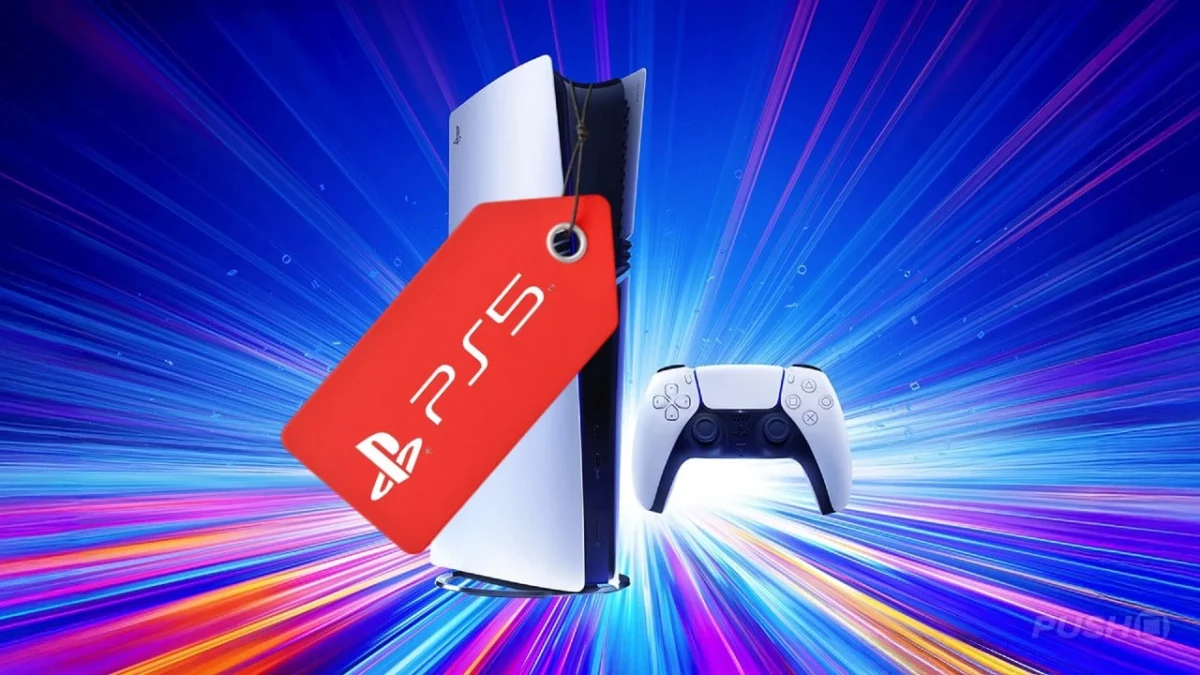
Sony’s Strategic Pivot: Navigating the Hardware Pricing Nightmare by Intentionally Selling Fewer PS5s
The current economic climate presents a significant challenge for the video game industry, with hardware costs escalating dramatically. Sony, the titan behind the PlayStation brand, is not immune to these pressures. In a surprising strategic shift, the company appears poised to mitigate the impact of soaring component prices and supply chain disruptions by deliberately reducing PlayStation 5 unit sales, a move that could redefine profitability and impact the console’s market trajectory.
The Unfolding Hardware Crisis: A Widespread Phenomenon
The price hikes announced by Sony earlier this year for its PlayStation 5 console family have sent ripples through the gaming community. Effective from April 2026, these increases have seemingly coincided with a slowdown in hardware sales, a trend that is not isolated to Sony. Competitors such as Nintendo with its upcoming Switch 2, Microsoft with its Xbox Series X|S, and even Valve with its popular Steam Deck have all encountered similar headwinds.
The root cause of this widespread disruption can be traced to a surge in demand for memory components, largely fueled by the burgeoning artificial intelligence (AI) sector. Major manufacturers have entered into lucrative agreements with data centers for these critical parts, consequently reducing their availability for consumer electronics. This scarcity, coupled with increased demand, inevitably drives up prices, creating a challenging environment for hardware manufacturers striving to deliver affordable gaming experiences.
The implications of this situation are far-reaching. For consumers, it translates to a more expensive entry point into next-generation gaming. For manufacturers, it necessitates a careful recalibration of sales strategies and production forecasts. Sony’s proactive, albeit unconventional, approach of managing profitability by selling fewer units signals a profound shift in how console hardware is perceived and managed in an increasingly volatile market.

A Turbulent Generation: The PS5’s Rocky Road
The current generation of consoles, particularly the PlayStation 5, has already navigated a series of unprecedented challenges. From initial supply shortages that plagued the launch window to the recent economic pressures, the PS5’s journey has been anything but smooth. This latest development, the strategic reduction in unit sales, adds another layer of complexity to an already turbulent lifecycle.
The decision to potentially sell fewer units is not merely a reaction to external market forces; it appears to be a deliberate strategy to safeguard profitability in the face of escalating production costs. This approach suggests a departure from the traditional volume-driven sales models that have characterized console generations of the past.
The Strategic Disclosure: A Glimpse into Sony’s Financial Maneuvers
A recent, extensive business document filed by Sony with the U.S. Securities and Exchange Commission (SEC) has shed light on the company’s forward-looking strategy. Buried within the comprehensive filing is a revealing statement that outlines Sony’s intention to manage the impact of increased memory semiconductor prices and supply shortages.
The document states: "In hardware, although Sony expects to be affected by the impact of increased prices and supply shortages of memory semiconductors, it plans to manage the impact on profitability by flexibly adjusting plans for, among other things, unit sales and promotions."
This carefully worded statement carries significant weight. It explicitly acknowledges the anticipated impact of rising costs and supply constraints on the hardware division. More importantly, it details Sony’s proposed solution: to "flexibly adjust plans for… unit sales and promotions."

In layman’s terms, this indicates a clear intention to reduce the number of PlayStation 5 consoles manufactured and sold moving forward. Furthermore, the mention of "promotions" suggests a likely discontinuation of aggressive discounting strategies, particularly during peak sales periods such as Black Friday and the crucial Christmas holiday season. This departure from traditional sales tactics underscores the severity of the pricing challenges and Sony’s commitment to protecting its profit margins.
Contrasting Fortunes: PS5 vs. PS4 at a Similar Juncture
To fully appreciate the gravity of Sony’s current predicament, a comparison with the PlayStation 4’s trajectory at a similar stage in its lifecycle is illuminating. Historically, the PS4 enjoyed a period of strong sales and competitive pricing. At this point in its generation, a PS4 could be purchased for as little as $299, often bundled with popular titles like Marvel’s Spider-Man. This made next-generation gaming accessible to a broader audience.
In stark contrast, the cheapest PlayStation 5 model currently retails for a substantial $599, and that’s without any bundled games. This significant price disparity, coupled with the current economic pressures, means that the PS5 is inevitably falling behind the sales pace set by its predecessor. The decision to deliberately reduce sales further will likely exacerbate this divergence, potentially impacting the overall market penetration and adoption rate of the PS5.
The Profitability Paradox: Selling Less to Earn More
Perhaps the most intriguing aspect of Sony’s strategy is the assertion that selling fewer units will actually improve profitability. This seemingly counterintuitive outcome points to a critical reality: the cost of memory components has escalated to such an extent that Sony may be incurring losses on each PS5 console sold, despite the significant price increases.
When the cost of production, particularly for essential components like memory, outstrips the retail price, even with premium pricing, a company can find itself in a precarious financial position. By reducing the volume of sales, Sony can effectively limit its exposure to these high production costs. This allows the company to focus on maximizing the profit generated from the units it does sell, even if the total number of units is lower. This strategic pivot highlights a mature understanding of market economics and a willingness to adapt business models to prevailing conditions, prioritizing margin over sheer volume.

Long-Term Implications: A Glimpse into the Future of PlayStation
The ramifications of this strategic decision extend beyond the current PlayStation 5 generation. While Sony benefits from a large and loyal existing install base of players who can be engaged through its robust software and services ecosystem, the impact on future hardware launches, particularly the anticipated PlayStation 6, could be significant.
A prolonged period of high hardware prices and reduced unit sales could potentially hinder the momentum and widespread adoption of future PlayStation consoles. The next generation will undoubtedly face its own set of technological advancements and market dynamics, and the lessons learned from navigating the current hardware pricing nightmare will be invaluable.
It will be fascinating to observe how Sony navigates these challenges as the industry hurtles towards the next era of gaming. The company’s ability to adapt, innovate, and maintain its competitive edge in the face of economic headwinds will be a testament to its resilience and strategic foresight. The era of prioritizing pure unit volume may be giving way to a more nuanced approach focused on sustainable profitability and strategic market management. The PlayStation brand’s enduring success will depend on its capacity to balance these competing priorities in an ever-evolving landscape.
Source: sec.gov
About the Author:
Sammy Barker, Editor of Push Square, brings over 15 years of in-depth PlayStation analysis to his writing. His expertise spans the entire PlayStation lineage, from PS3 to PS5, with a particular focus on PS Studios, industry trends, and the nuances of sports games and simulators. When not dissecting the gaming world, he enjoys delving into RPGs and is known to be a dedicated "gacha whale."


 Lina Irawan
 Sagoh
Sagoh