Laily UPN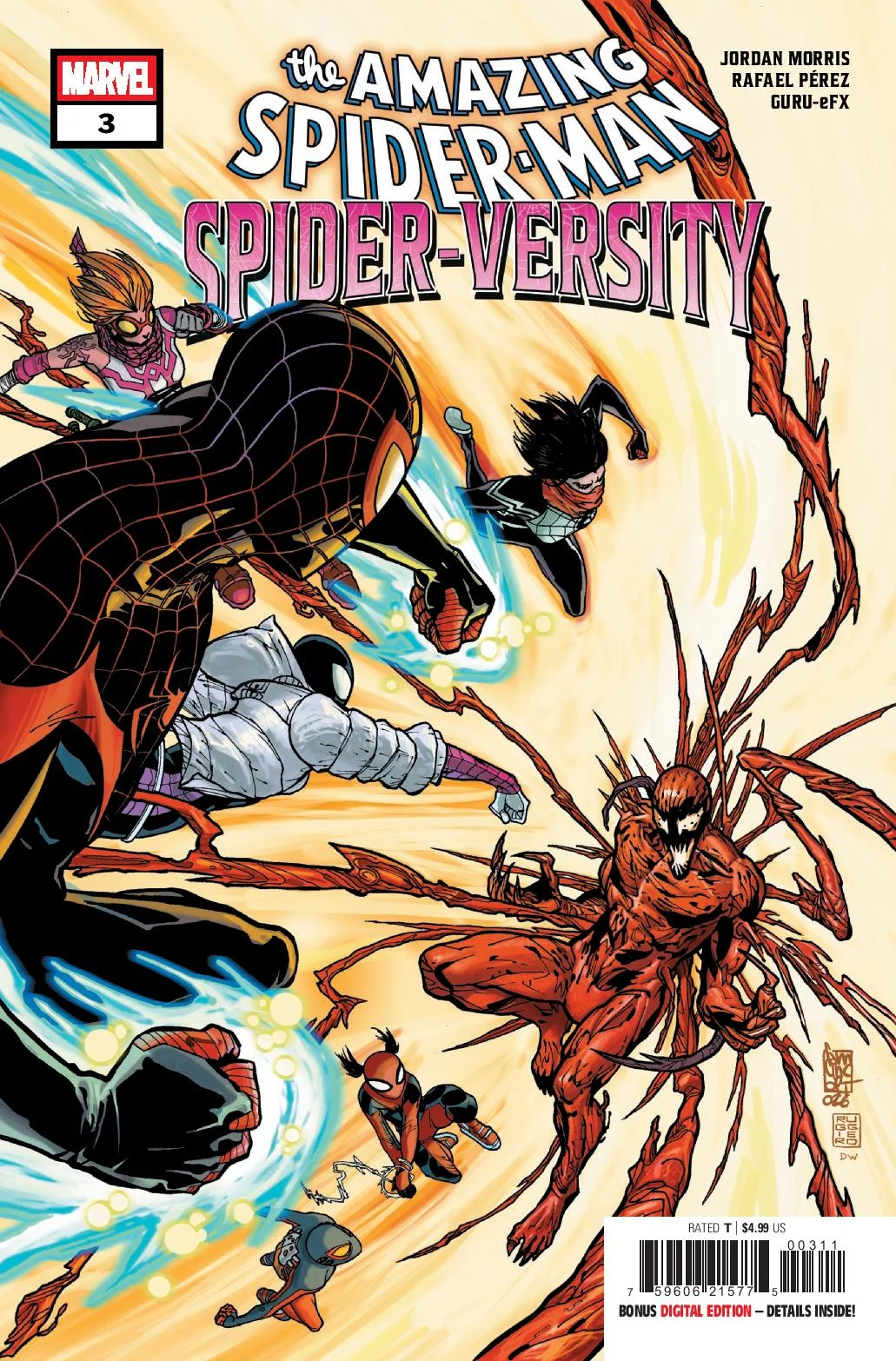
As the summer of 2026 hits its stride, Marvel Comics is set to escalate the stakes in one of its most daring spin-off series. The Amazing Spider-Man: Spider-Versity #3, arriving on the heels of significant narrative shifts, promises to redefine the boundaries of heroism and horror within the Spider-Man mythos. With a creative team consisting of veteran writer Joe Kelly, co-writer Jordan Morris, and the dynamic artistic sensibilities of Rafael Perez Granados, the latest installment of this series is positioning itself as a pivotal moment for the younger generation of web-slingers.
Main Facts: The Mentorship of Chaos
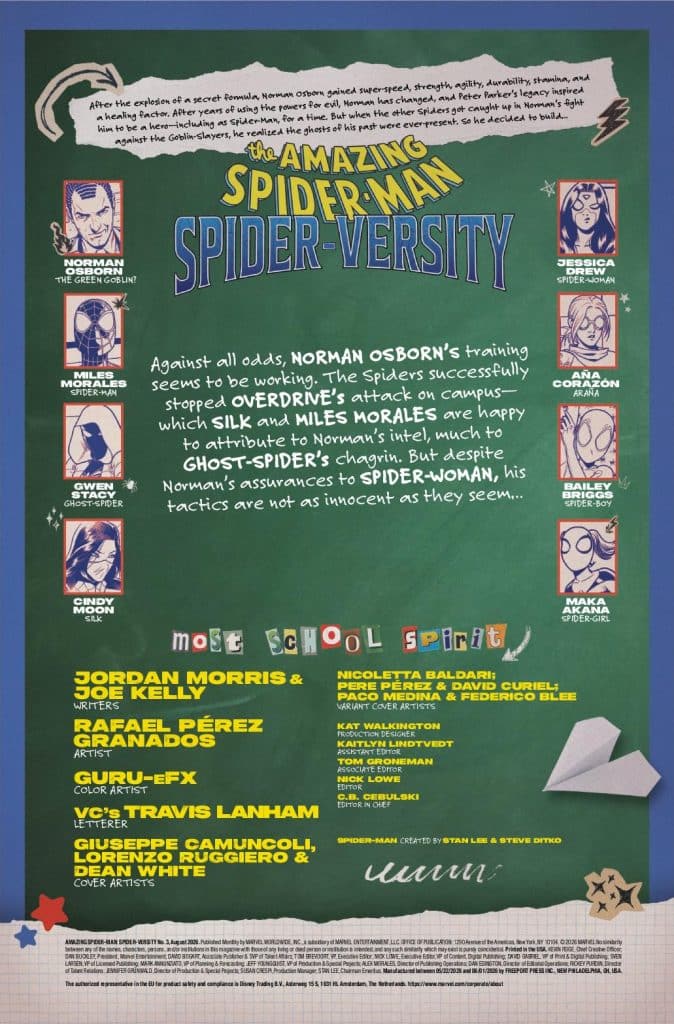
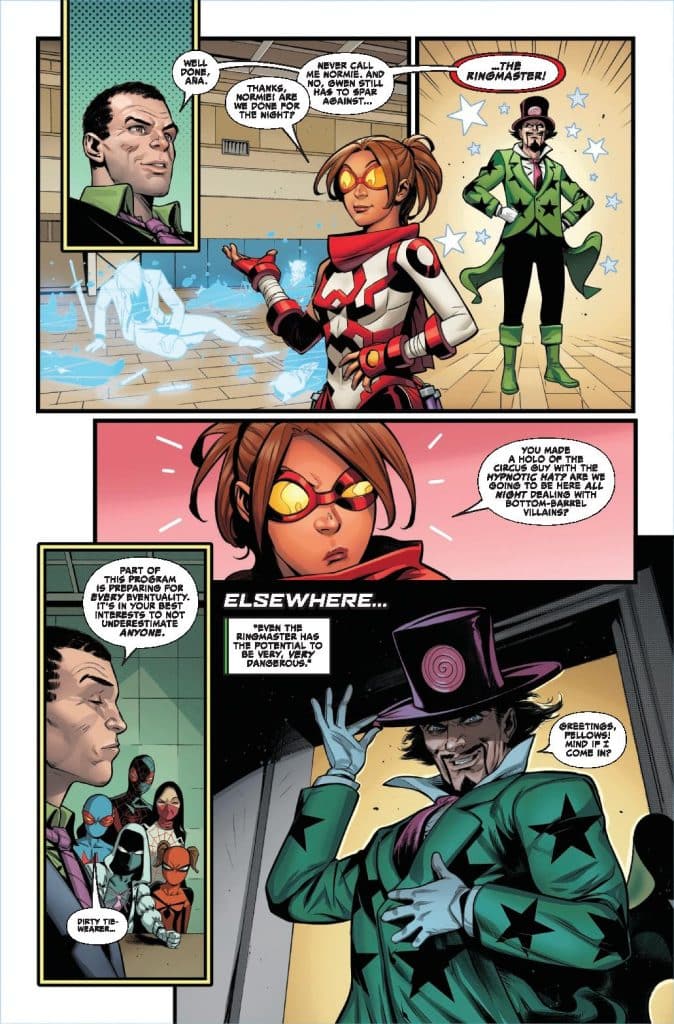
At its core, Spider-Versity has been a study in the complexities of legacy. The series follows a group of younger Spider-Men and Spider-Women as they navigate the perils of the Marvel Universe under the unconventional tutelage of two of the most morally complex figures in the Spider-Man orbit: Norman Osborn and Jessica Drew.
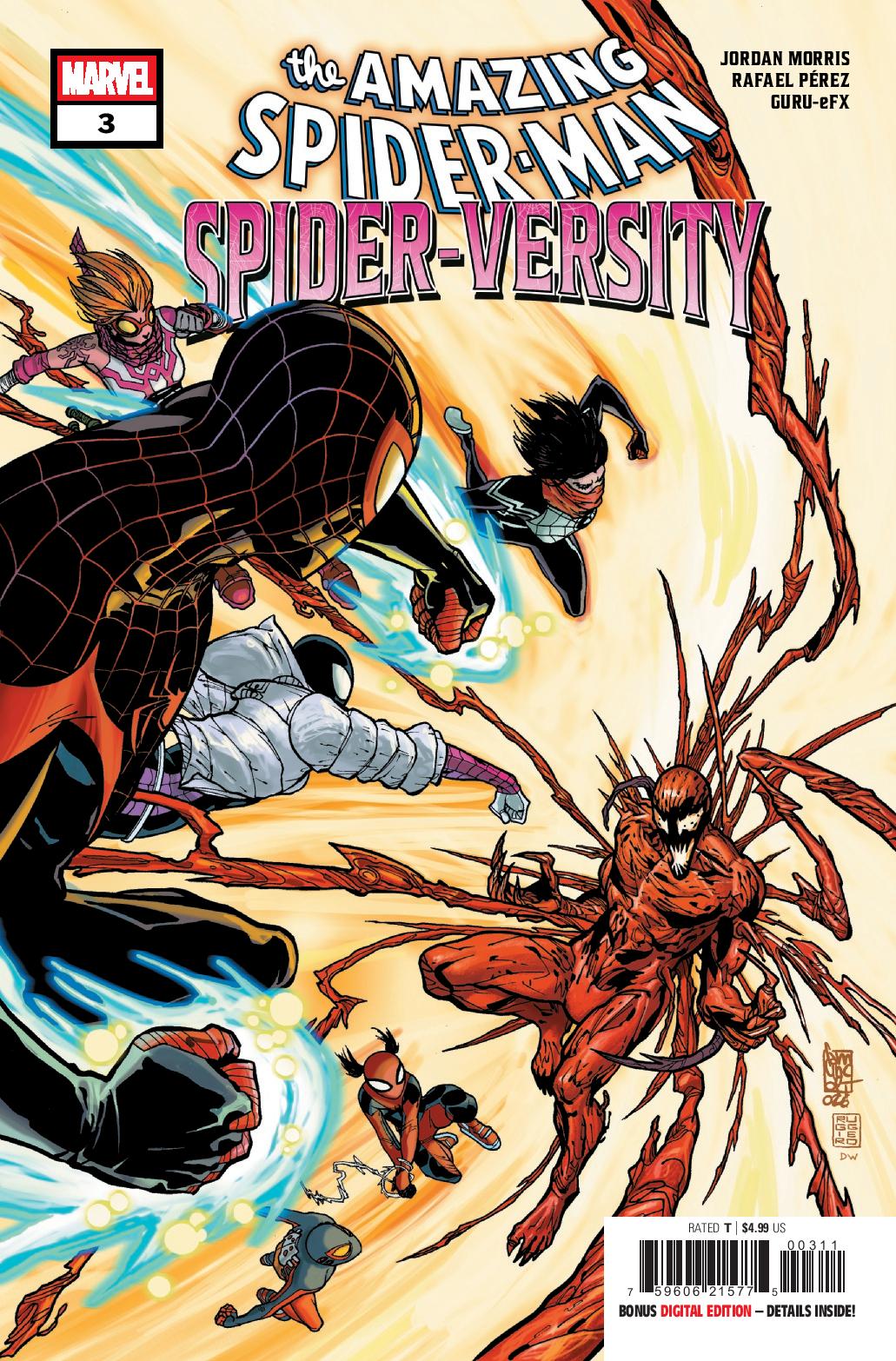
The premise is inherently volatile. Norman Osborn—a name historically synonymous with the Green Goblin and trauma—is tasked with guiding a new generation of heroes. Paired with the tactical expertise of Jessica Drew, this mentorship is supposed to be a rigorous, albeit safe, training ground. However, the equilibrium of this classroom is about to be shattered. The central conflict of the third issue stems from a threat that neither mentor intended for their students to face: the psychopathic, symbiote-bonded entity known as Carnage. Fresh from the traumatic events of the "Death Spiral" storyline, this version of Carnage is more unstable and dangerous than ever, turning the book into a high-stakes survival narrative.
Chronology of the Conflict
To understand the gravity of Spider-Versity #3, one must look at the trajectory of the series thus far.
- The Inception: The series launched with the goal of institutionalizing "Spider-training," moving away from the solitary hero trope and toward a collegiate, team-based environment.
- The "Death Spiral" Precursor: The preceding arc, "Death Spiral," served as a narrative crucible, stripping away the comfort of the status quo and introducing a darker, more visceral tone to the proceedings.
- The Current Crisis: As of issue #3, the students are no longer training in a vacuum. The collision course with Carnage represents an existential threat to the school itself. Previews indicate that the characters will be forced to move from theoretical combat to life-or-death survival, marking a transition that the mentors may not be able to control.
Supporting Data: The Creative Engine
The strength of The Amazing Spider-Man: Spider-Versity lies in its creative pedigree. Joe Kelly is a writer renowned for his ability to balance dark, introspective character work with high-octane superhero action—a skillset perfectly suited for a series that deals with the baggage of the Spider-Man legacy.
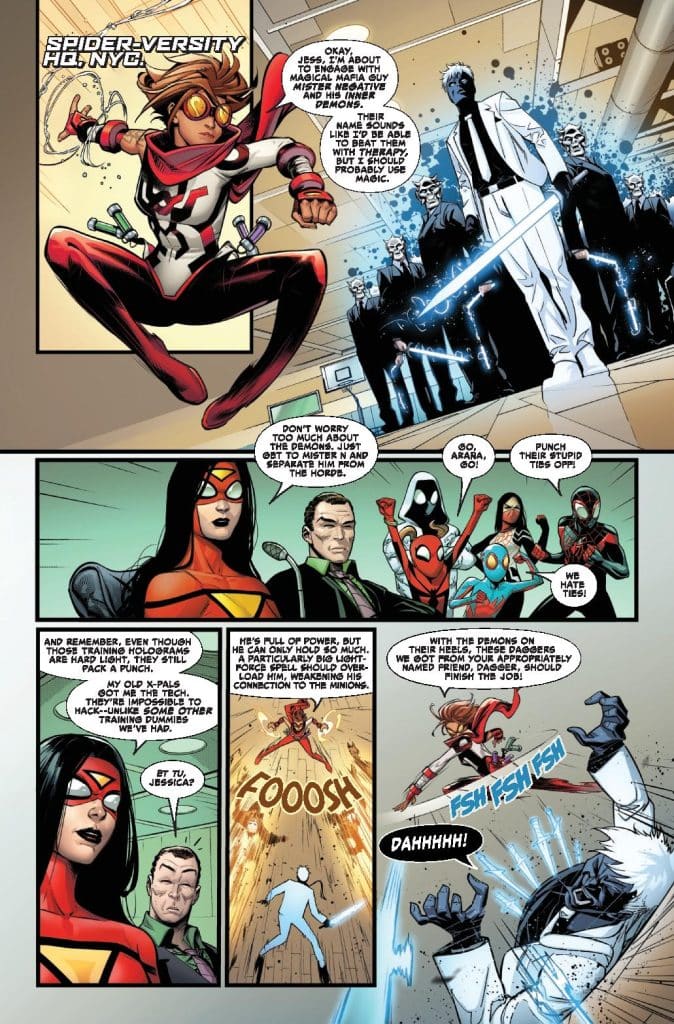
Jordan Morris, joining Kelly, brings a fresh perspective that bridges the gap between classic comic sensibilities and modern narrative pacing. The artistic vision provided by Rafael Perez Granados is equally essential. Granados utilizes a visual language that fluctuates between the vibrant, kinetic energy of youthful heroes and the grotesque, shadow-drenched horror of the symbiote. The preview pages released by the publisher underscore this duality: panels depicting casual social interactions in common rooms are juxtaposed against the terrifying, looming threat of the symbiote, highlighting the fragility of the students’ current reality.
Official Responses and Editorial Direction
While Marvel has kept the specific plot details of the climax under wraps, the editorial messaging surrounding Spider-Versity #3 has been clear: this is not a traditional "superhero school" story. The promotional material explicitly frames this issue as "the deadliest book in Spider-History."
In a recent industry press statement, the editorial team emphasized that the juxtaposition of Norman Osborn’s legacy with the innocence of the students is intentional. By placing these young heroes in the path of a character as irredeemable as Carnage, the creators are testing whether the "Spider-Man" philosophy of responsibility can survive against an antagonist that represents pure, unadulterated chaos. The absence of traditional mentors’ control—or perhaps their inability to act—is designed to force the young heroes into a maturity that they may not be ready for.
Implications: The Future of the Spider-Verse
The implications of Spider-Versity #3 extend far beyond the immediate battle with Carnage. If the students survive, they will do so with a hardened worldview that fundamentally alters the series’ tone.
A Departure from Tradition
Traditionally, Spider-Man stories focus on the individual’s struggle to balance a personal life with the burden of power. Spider-Versity flips this by creating a collective burden. If this issue results in a catastrophic failure or a loss of life, it could serve as a grim lesson on the dangers of institutionalizing superheroics.
The Osborn Factor
Norman Osborn’s involvement remains the most debated aspect of the series among fans. His role as a teacher provides a unique narrative tension. Is he truly trying to redeem himself through these children, or is he molding them into a force that serves his own, still-hidden agenda? The events of the third issue will likely force a confrontation between his stated goals and the reality of his past. By pitting his students against Carnage, the story forces readers to ask: does Norman care about these kids, or are they just another experiment?
The Symbiote Threat
The inclusion of a "post-Death Spiral" Carnage suggests that the symbiote itself is evolving. In recent years, Marvel has explored the cosmic and metaphysical origins of the Klyntar symbiotes. This issue may serve as a testing ground for how this new, potentially more powerful version of Carnage interacts with the broader Spider-verse. If the threat is as significant as the marketing suggests, the ripples could be felt in the main Amazing Spider-Man title for months to come.
Conclusion: A Turning Point
As fans eagerly await the release on June 22, 2026, the anticipation for The Amazing Spider-Man: Spider-Versity #3 is palpable. It is a rare example of a series that manages to be both a character study and a horror-tinged thriller. By forcing the characters to reconcile their training with the brutal realities of their world, the creative team is setting a high bar for the remainder of the year.
Whether the students will overcome their greatest test or be consumed by the darkness of their enemy remains to be seen. However, one thing is certain: after the final page of this issue is turned, the landscape of the Spider-Man universe will be irrevocably changed. For readers, this is not just a comic book issue—it is a critical juncture that will define what it truly means to be a hero in a world where the lines between mentor and monster are perpetually blurred.
The stage is set. The curriculum is clear: survival of the fittest. We will be watching closely to see if the lessons learned at Spider-Versity are enough to keep these young heroes alive, or if the "Death Spiral" will claim its next set of victims.

 Sagoh
Sagoh
 Ammar Sabilarrohman