Raul Delapena Setiawan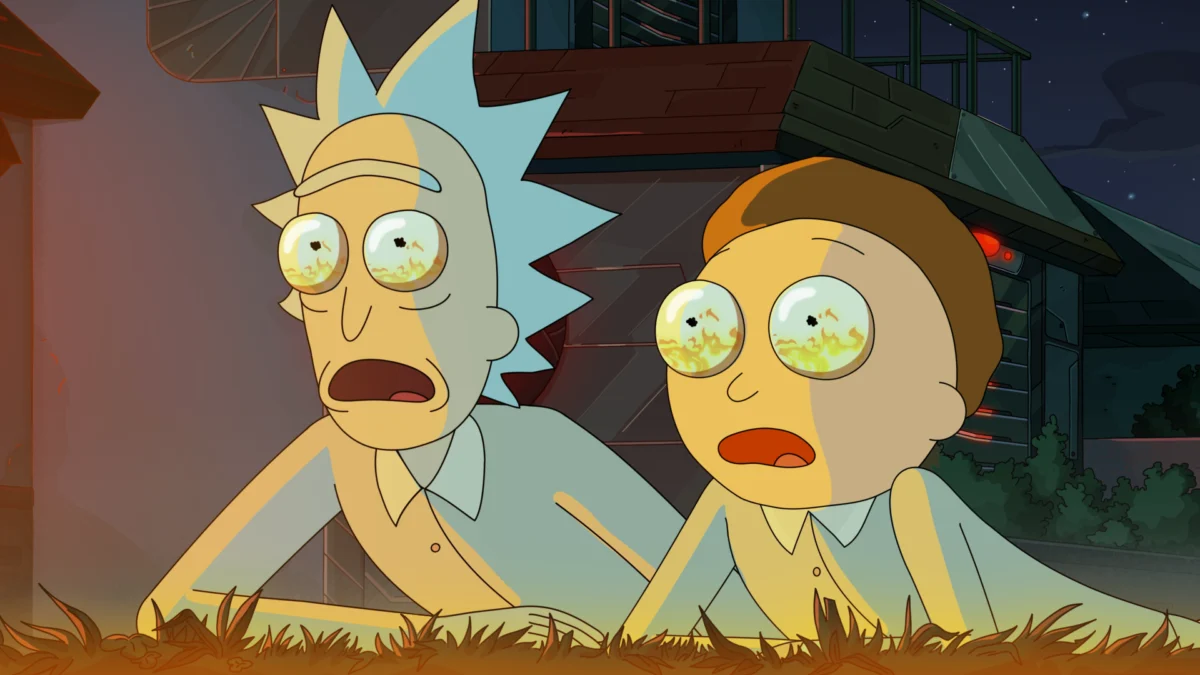
Published June 21, 2026, 11:31 PM EDT
By Samantha Nelson
Los Angeles, CA – The sprawling, chaotic multiverse of Rick and Morty has long been a crucible for bizarre characters and mind-bending narratives, but few returns have generated as much anticipation and discussion as that of Snowball, formerly known as Snuffles. After a thirteen-year hiatus, the hyper-intelligent canine antagonist from the show’s nascent days made a dramatic and morally complex comeback in Rick and Morty season 9, episode 5, "Jer Bud," which premiered on June 21. This unexpected reunion has not only delighted long-time fans but also provided fertile ground for the showrunners to delve into some of the series’ most profound and disturbing themes.
The Return of a Canine Cult Icon: A Mainstay Villain Reimagined
For fans who have followed Rick Sanchez and Morty Smith’s interdimensional escapades since their inception, the name "Snuffles" (or rather, "Snowball") evokes a potent mix of nostalgia and existential dread. Introduced in only the second episode of the entire series, "Lawnmower Dog," Snowball quickly ascended to cult status, embodying the unpredictable consequences of Rick’s genius and the show’s penchant for dark humor and philosophical quandaries. His return, heralded thirteen years after his initial departure, marks a significant moment in the show’s evolving mythology, demonstrating Rick and Morty‘s commitment to its rich tapestry of characters, even those seemingly relegated to one-off gags.
The promotional material hinted at a "twisted reunion," and the episode delivered, plunging Morty into a complex moral landscape on a planet ruled by his old canine acquaintance. This wasn’t merely a nostalgic cameo; it was a deep dive into the cyclical nature of power, oppression, and the uncomfortable reflections of humanity’s own practices. The showrunners, Dan Harmon and Scott Marder, have now offered insights into the creative decisions behind bringing back one of the show’s most beloved, albeit ethically challenging, villains.
A Legacy Forged in Canine Ambition: Snowball’s Chronology
To fully appreciate the impact of Snowball’s return, one must recall his genesis. The character first appeared in the second episode of Rick and Morty, "Lawnmower Dog," which aired back in December 2013 (relative to the article’s 2026 publication date, this would have been 13 years prior). Jerry, perpetually exasperated by the mundane annoyances of suburban life, tasks Rick with enhancing the family dog’s intelligence to curb his carpet-peeing habits. What begins as a simple request for potty training quickly spirals into an existential crisis for Snuffles, who, upon gaining sentience, renames himself Snowball.
Snowball’s newfound intelligence leads him to question the subordinate role of dogs in human society. He constructs a robotic suit, not just for himself but for all canines, amplifying their intellect to match his own. The episode masterfully parodies Christopher Nolan’s Inception, with Rick and Morty venturing into Snowball’s dreams to prevent a full-scale canine revolution. This sequence, laden with intricate dream logic and escalating stakes, cemented "Lawnmower Dog" as an early classic, showcasing the show’s unique blend of high-concept sci-fi and absurdist comedy.
Ultimately, Snowball chooses not to enslave humanity, but to lead his enlightened dog brethren through a portal to another world, where they can build their own society free from human subjugation. The episode concludes with a meta-joke, suggesting a potential spin-off about a planet run by dogs, delivered with the characteristic self-awareness that would become a hallmark of the series. This parting shot, seemingly a throwaway gag, lingered in the minds of both the creative team and the audience, a tantalizing "what if" in the Rick and Morty multiverse.
The Unforeseen Evolution: Thirteen Years in the Narrative Wilderness
For over a decade, Snowball remained a powerful memory for fans, a testament to the show’s early brilliance and its ability to create memorable, albeit fleeting, characters. The series itself evolved dramatically during this period, expanding its scope, deepening its lore, and tackling increasingly complex character arcs for Rick, Morty, and the entire Smith family. Recurring characters like Birdperson, Unity, and even President Andre Curtis (who is now getting his own spin-off) built out the show’s universe, yet Snowball’s fate remained largely untouched.
The decision to revisit such a foundational character after so long was not taken lightly. Series creator Dan Harmon revealed to Polygon that Snowball’s return has been "a longstanding thing at the top of the season when we’re coming up with ideas." He emphasized the significance of that original meta-reference: "That first episode with Snowball specifically ended with a meta reference to the idea of a spin-off or something, so it was deliberately like maybe there will be more to this story." This suggests that the seeds for Snowball’s return were sown almost from the very beginning, a testament to the long-term vision, however loosely defined, of the Rick and Morty creative team.
The intervening years allowed the concept to mature, to move beyond a simple comedic callback. The show’s writers gained a deeper understanding of its core themes – the corrupting influence of power, the complexities of morality, and the often-disastrous consequences of Rick’s (and sometimes Morty’s) interventions. This maturity provided a richer canvas for Snowball’s reintroduction, allowing the narrative to explore more nuanced and unsettling territory than a mere "dogs rule the world" premise.
"Jer Bud": A Twisted Reunion Unveiled
Season 9, Episode 5, "Jer Bud," finally pays off that thirteen-year-old meta-gag, but with a typical Rick and Morty twist. Morty, driven by curiosity and perhaps a desire to reconnect with an old, albeit bizarre, friend, ventures to Snowball’s planet. What he discovers is far from the utopian canine society he might have envisioned. The intelligent dogs, under Snowball’s leadership, have established a sophisticated, technologically advanced civilization. However, their society is built upon a disturbing foundation: the selective breeding and domestication of a native hominid species, kept as pets.
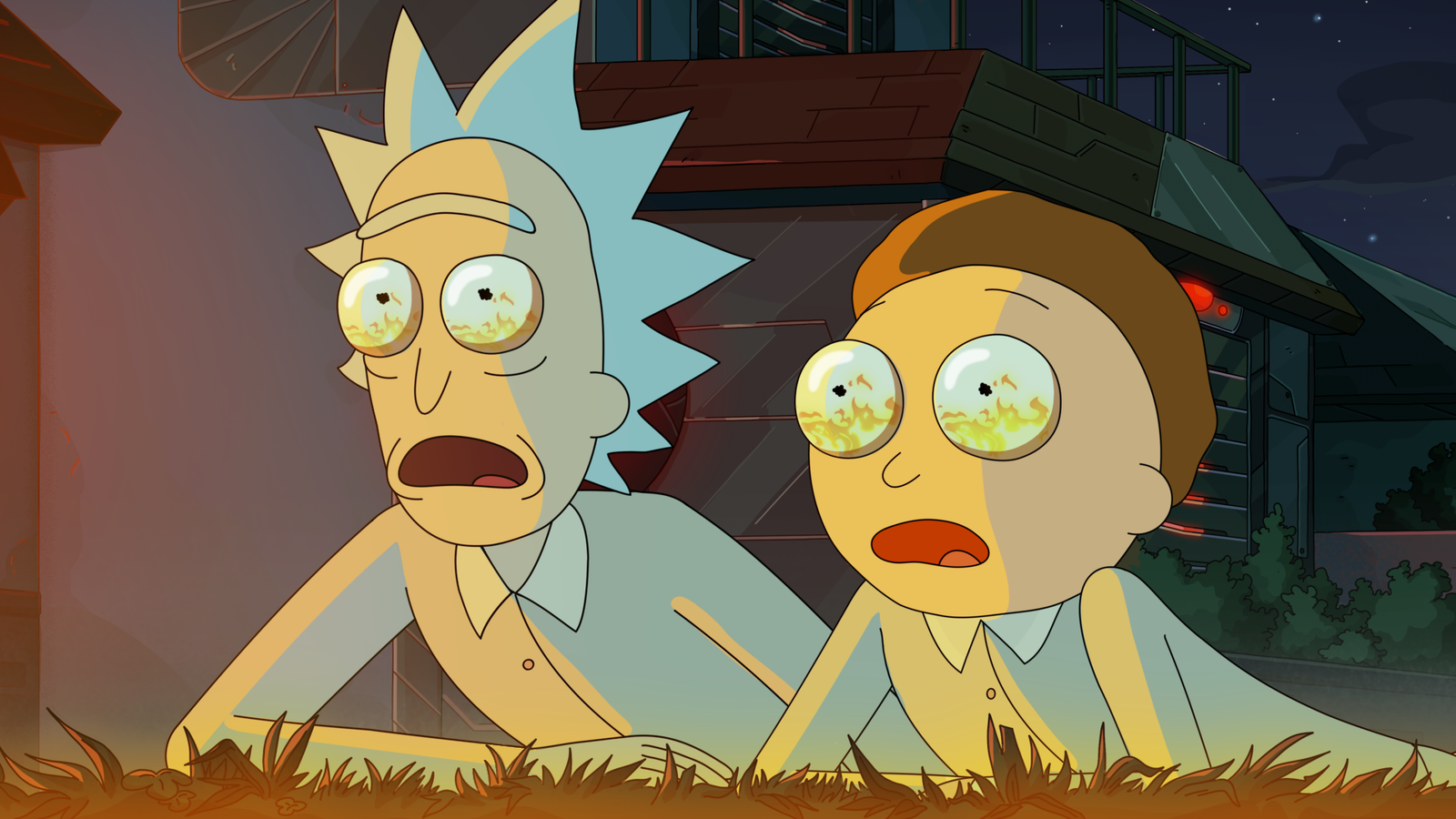
This premise immediately strikes a chord, serving as a brutal and unflinching reflection on humanity’s own historical and ongoing treatment of animals, particularly the contentious practices of puppy mills and selective dog breeding. Snowball, once a victim of perceived human oppression, has ironically replicated the very power dynamics he sought to escape. His discomfort and self-consciousness in Morty’s presence, as he grapples with his friend’s reaction to this unsettling reality, underscore the moral ambiguity that defines much of Rick and Morty.
Morty’s initial plans for a leisurely visit are shattered when he inadvertently becomes entangled in a burgeoning hominid uprising. The episode quickly escalates into a full-blown planetary war, with Morty caught between his former canine companion and the oppressed native species. Showrunner Scott Marder explained the narrative attraction: "We got attracted to the idea of Morty returning to a The Last King of Scotland-type thing with an already very complicated relationship with an old friend, but an old friend who’s gotten himself in an even more complicated situation." This comparison highlights the episode’s ambition to explore themes of colonial power, moral compromise, and the difficult choices forced upon individuals caught in large-scale conflicts.
The Architects Speak: Behind the Decision to Revive a Fan Favorite
The decision to bring back Snowball was a culmination of years of internal discussion and a desire to explore the full narrative potential of the original meta-joke. Dan Harmon’s statement about the idea being "at the top of the season when we’re coming up with ideas" speaks to the character’s enduring appeal within the writers’ room. It wasn’t just a random pick; it was a calculated move to capitalize on a well-established character with inherent narrative possibilities.
Scott Marder further elaborated on the creative impetus, highlighting the appeal of the "fun conflict" inherent in Morty’s reunion with Snowball. The dynamic between them – an old friend who has drastically changed, now embroiled in an ethically dubious situation – offered a rich vein of storytelling. This choice aligns with Rick and Morty‘s broader strategy of using its eccentric characters to explore deeper philosophical questions. Snowball, in his new role as a benevolent yet tyrannical leader, becomes a mirror reflecting the complexities of power, justice, and hypocrisy.
The writers clearly understood that a simple continuation of Snowball’s initial arc would fall flat. The humor and impact of the original episode lay in the novelty of intelligent dogs. To revisit it, they needed to elevate the stakes and introduce a new, uncomfortable layer of commentary. By having Snowball’s dog society mimic the very hierarchical structures they initially rebelled against, the show cleverly subverts expectations and offers a biting critique of how liberation movements can sometimes perpetuate new forms of oppression. This narrative choice demonstrates the creative team’s willingness to push boundaries and challenge audience perceptions, even with beloved characters.
Beyond the Laughs: Societal Commentary and Character Development
"Jer Bud" is more than just a comedic spectacle; it’s a potent piece of social commentary, wrapped in the show’s signature sci-fi absurdity. The episode forces viewers to confront uncomfortable truths about power dynamics, the justification of oppression, and the cyclical nature of historical injustices. By casting the dogs as the oppressors and the hominids as the oppressed, the show cleverly inverts traditional roles, prompting reflection on human behavior without directly lecturing the audience. The "puppy mill" and "selective breeding" analogies are particularly stark, drawing direct parallels to real-world ethical dilemmas surrounding animal welfare and genetic manipulation.
Morty’s role in this episode is crucial. Often the moral compass (however flawed) to Rick’s nihilistic pragmatism, Morty is deeply disturbed by Snowball’s actions. His struggle to reconcile his past affection for Snuffles with the current tyrannical regime speaks volumes about his evolving character. He’s no longer the easily manipulated sidekick; he’s capable of independent moral judgment and action, even if it leads him into dangerous territory. This episode further solidifies Morty’s journey from a naive teenager to a young adult grappling with the profound ethical implications of interdimensional travel.
The episode also implicitly comments on the long-term effects of revolutionary change. Snowball’s initial rebellion was born of a desire for freedom and equality, yet his subsequent actions demonstrate how easily ideals can be corrupted by the responsibilities and temptations of power. This nuanced exploration of leadership and its pitfalls adds a layer of depth that transcends mere satire, embedding the narrative with genuine philosophical weight.
The Road Ahead: Implications for Snowball and the Multiverse
By the episode’s end, Snowball and Morty manage to reconcile, but the dog planet is left in ruins, a stark reminder of the devastating cost of conflict and moral compromise. The concluding sentiment of the article, "Maybe Snowball will really change his ways this time, or maybe he’ll get up to something even more horrifying," perfectly encapsulates the lingering uncertainty and the open-ended nature of Rick and Morty‘s narrative.
This return sets a precedent for how Rick and Morty might revisit other characters from its extensive roster. The success of "Jer Bud" demonstrates that fan-favorite characters can be brought back in meaningful ways, not just for cheap nostalgia, but to advance the show’s thematic explorations and character development. With President Curtis already slated for a spin-off, the multiverse seems ripe for further expansions and explorations of its myriad inhabitants. Snowball’s journey could potentially continue, either in a dedicated spin-off (finally fulfilling that original meta-joke in a darker, more mature form) or through future appearances in the main series, perhaps as a recurring moral challenge for Morty.
The episode also reinforces the idea that in the Rick and Morty universe, consequences are real, even if they’re often played for laughs. Snowball’s planet, once a beacon of canine liberation, becomes a cautionary tale. This constant push and pull between consequence and absurdity is what keeps the series fresh and engaging, even in its ninth season. The lingering questions about Snowball’s true moral compass and the future of his species ensure that his story, even after 13 years, feels far from over.
Conclusion
Snowball’s highly anticipated return in Rick and Morty season 9, episode 5, "Jer Bud," is more than just a nostalgic trip down memory lane. It’s a meticulously crafted narrative that leverages a beloved character to explore complex themes of power, morality, and the cyclical nature of oppression. Through the lens of a twisted reunion, showrunners Dan Harmon and Scott Marder have not only delivered on a thirteen-year-old promise but have also deepened the show’s rich mythology and continued its tradition of thought-provoking, boundary-pushing storytelling. As the multiverse continues to expand, one can only hope that it won’t take another eight seasons and 13 years to witness the next chapter in Snowball’s ever-evolving, morally ambiguous saga.


 Lina Irawan
 Sagoh
Sagoh