Jia Lissa
In an era where simulation games often lean toward high-stress, fast-paced management mechanics, Thrifty Business offers a refreshing departure into the meditative, dust-mote-filled world of vintage retail. Developed as a love letter to the charm of second-hand shopping, the title tasks players with transforming a humble storefront into a thriving community hub. It is a game that balances the tactile satisfaction of organizing inventory with the soft, emotional beats of small-town storytelling.
The Core Concept: More Than Just Retail
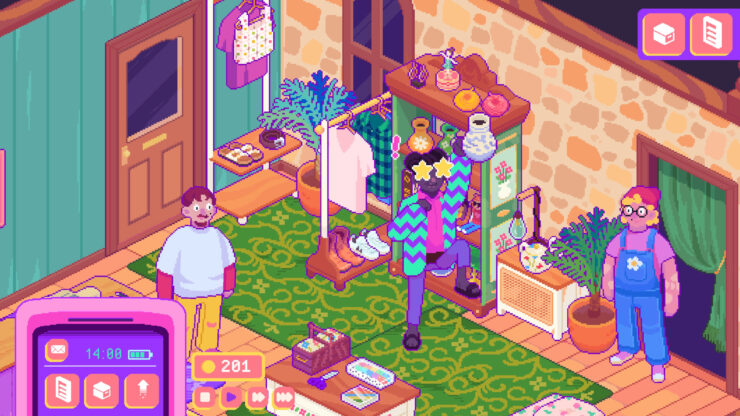
At its heart, Thrifty Business is a management simulation that prioritizes "vibes" over spreadsheets. Unlike retail games that demand constant optimization of profit margins or aggressive marketing strategies, Thrifty Business focuses on the curation of goods and the cultivation of local connections. Players step into the shoes of a store owner tasked with filling shelves, racks, and display tables with an eclectic mix of pre-loved items.
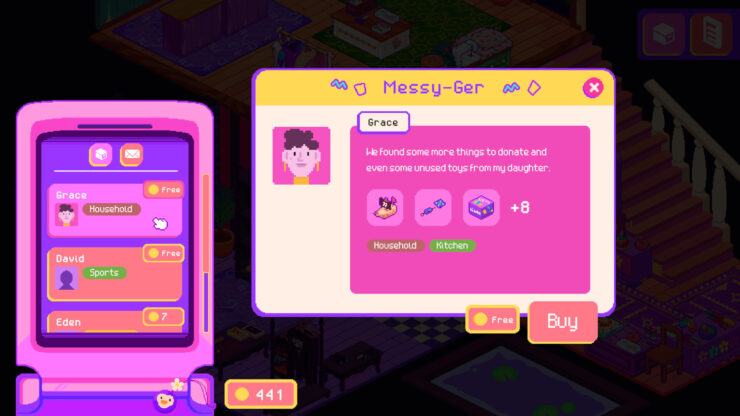
The gameplay loop is deceptively simple: you source boxes of mystery inventory, evaluate their contents, and decide how best to present these items to the public. There is a distinct sense of discovery here; because you are only provided with a preview of the first few items in any given box, every purchase is a gamble. Will you receive a crate of pristine 90s-era denim, or a box of cracked porcelain trinkets? This mystery element keeps the inventory management from becoming stale, forcing players to constantly adapt their shop’s aesthetic to the inventory they receive.
Chronology of the Experience: From Opening to Community Hub
The progression in Thrifty Business follows a natural, organic growth pattern that mirrors the reality of running a small business.
Early Days: Establishing the Foundation
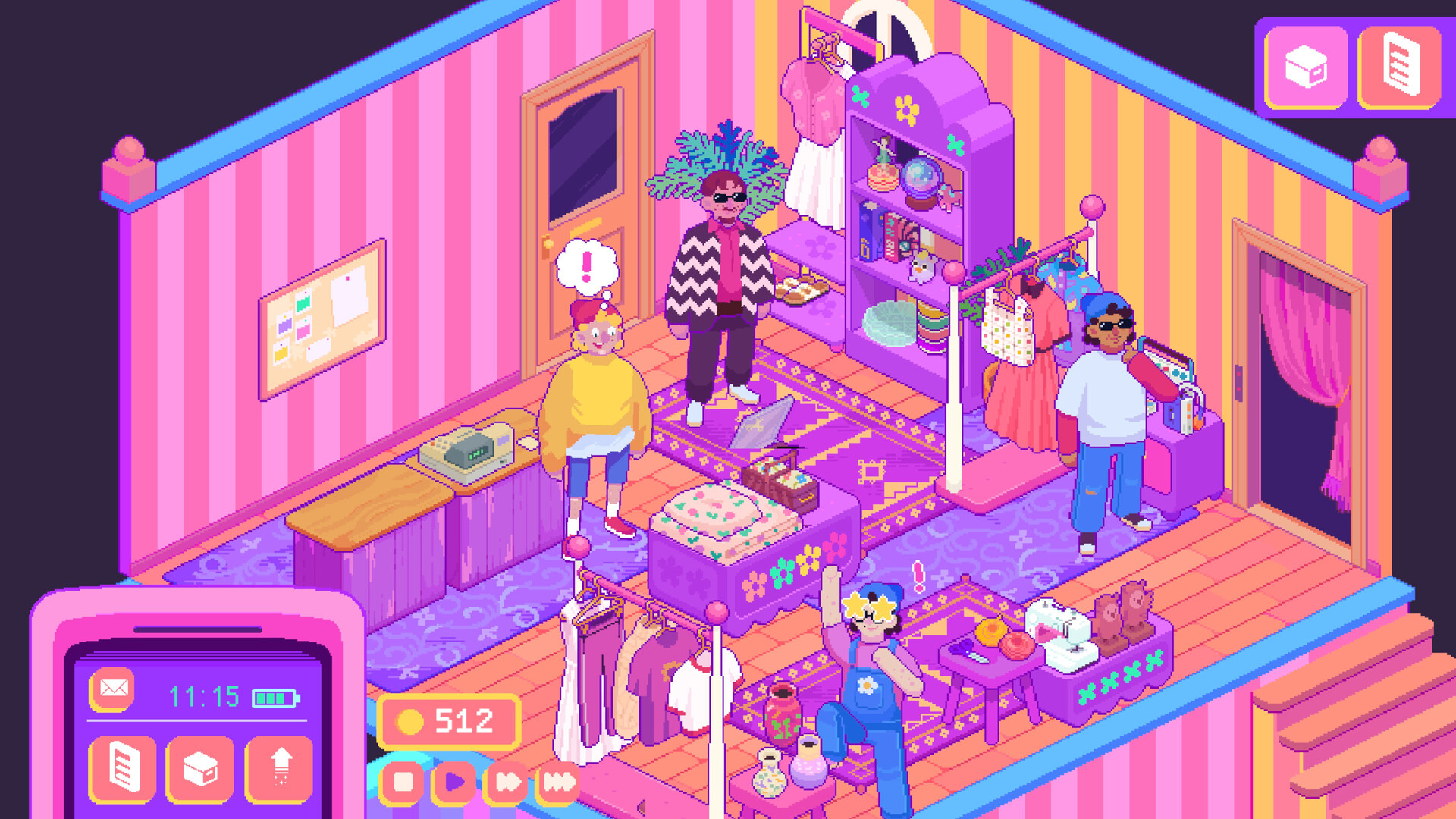
The game begins in a modest space. The initial hours are dedicated to the "unboxing" process—the act of taking mystery crates and meticulously placing items on surfaces. This phase of the game is surprisingly grounding. Players must learn to balance their limited floor space, ensuring that shelves are accessible and that the shop doesn’t become too cluttered. As with real-world thrift stores, the layout is paramount; if items are tucked away where customers cannot reach them, or if the flow of the store is hindered by poor organization, customer satisfaction metrics will inevitably drop.
Mid-Game: Engaging with the Community
Once the shop is established, the focus shifts from pure logistics to human connection. Customers do not just wander through as static NPCs; they have specific needs and personal stories. When a shopper enters looking for a specific item—perhaps a vintage toy that reminds them of their childhood or a specific piece of clothing for a life event—the player’s role expands from merchant to detective. Finding these items for customers unlocks narrative vignettes, providing a window into their lives.
Late-Game: The Store as a Community Anchor
As the player’s reputation grows, the shop evolves into more than a retail space. The game introduces community events, allowing the player to host gatherings that draw in the town’s population. These events serve as the climax of the gameplay loop, transforming the quiet, introspective experience of sorting inventory into a bustling, interactive social space. While these events represent the final tier of progression, they serve as the ultimate payoff for players who have invested time in building their shop’s identity.
Supporting Data: The Mechanics of "Cozy" Management
The success of Thrifty Business as a "cozy" title rests on its robust inventory management system. In many simulation games, inventory management is a chore, but here, it is the primary source of relaxation.
- Tactile Interaction: Players are required to physically place items. This creates a psychological sense of ownership over the shop’s appearance.
- Dynamic Feedback: The game tracks customer behavior in real-time. Observing a customer become frustrated because an item is blocked provides an immediate, low-stakes puzzle for the player to solve.
- Visual Aesthetic: The 90s-inspired art style is not merely nostalgic; it is functional. The color palettes and asset designs evoke a sense of warmth and familiarity, which is essential for a game intended to be played at a relaxed pace.
The inventory system is designed to prevent "information overload." By keeping the UI clean and focusing on the items themselves, the developers ensure that the player never loses track of their stock, even when the shop is packed to the rafters.
Official Perspectives and Industry Context
While Thrifty Business is a smaller title in the grand scheme of the gaming industry, its release highlights a growing trend toward "low-stakes" management games. Industry analysts have noted that titles like Unpacking, Store Simulator, and now Thrifty Business represent a shift in player preference. In a world characterized by digital burnout, there is an increasing demand for games that offer a sense of order, accomplishment, and gentle pacing.
The developers have emphasized that the narrative elements—the stories shared by the townspeople—are meant to be "meaningful rather than dramatic." This aligns with the "cozy game" movement, which favors low-conflict, high-empathy gameplay. By avoiding high-stakes scenarios like bankruptcy or shoplifting crises, the developers have ensured that the emotional weight of the game comes from the kindness of the characters rather than the pressure of the mechanics.
Implications: The Future of the "Cozy" Genre
The release of Thrifty Business provides several implications for the future of indie development:
- The Power of Niche Themes: The game proves that developers do not need to create massive, open-world RPGs to capture player interest. Focusing on a specific, relatable activity—like thrift shopping—is often enough to build a dedicated audience.
- The Value of Emotional Retention: By tying game progression to narrative discovery (the stories of the customers), the developers have ensured that players have a reason to keep returning beyond just "increasing the numbers."
- Community-Driven Design: The inclusion of community events suggests that as the genre matures, players are looking for more ways to interact with the game world beyond the initial shop setup. Future updates or similar titles will likely lean further into this communal aspect.
A Note on the Developer’s Vision
As noted by observers in the space, including indie game journalists who have covered the game’s demo phases at events like New Game Plus, the strength of Thrifty Business lies in its consistency. The game knows exactly what it wants to be: a quiet, reflective space where the player can lose themselves in the act of organizing and helping others. It avoids the temptation to "gamify" the experience into a stressful race against the clock.
Conclusion
Thrifty Business is a testament to the idea that video games can be a form of digital sanctuary. By providing a controlled, satisfying environment where the most pressing issue is a misplaced lamp or a customer looking for a specific vintage sweater, it captures the essence of the thrift store experience perfectly. It is a game that respects the player’s time and provides a meaningful, if modest, sense of accomplishment.
For those looking to escape the intensity of modern gaming, or for anyone who has ever spent a Saturday afternoon browsing through racks of old clothes and forgotten treasures, Thrifty Business is a must-play. It is available now on Steam, inviting everyone to set up their shop, open the doors, and see what stories the next box of inventory might hold.
About the Author: Jupiter Hadley is a prolific indie game journalist and advocate for the independent development scene. Her work has appeared in numerous outlets including Metro UK and Big Boss Battle. She is the founder of indiegamejams.com and continues to be a leading voice in highlighting the creative, smaller-scale projects that define the modern indie landscape.

 Ali Ikhwan
 Nana Wu