Reynand Wu
In the landscape of modern Japanese media, few phenomena have bridged the gap between fiction and reality as effectively as the "anime pilgrimage"—the act of traveling to real-world locations featured in popular animation. Among the most successful examples of this symbiosis is the relationship between the sunny coastal city of Numazu in Shizuoka Prefecture and the multimedia powerhouse LoveLive! Sunshine!!.
Since the debut of the anime in 2016, Numazu has evolved from a quiet seaside transit point into a thriving destination for thousands of international and domestic tourists. This transformation is not merely a result of serendipity; it is the product of a concerted, community-wide effort to embrace the fictional world of "Aqours," the idol group at the heart of the series, and turn it into a sustainable engine for local revitalization.
The Genesis of a Phenomenon: Understanding the Project
LoveLive! Sunshine!! serves as a spiritual successor to the original Love Live! series. The narrative follows nine high school girls who form the idol group "Aqours" in a desperate bid to save their school, the Uranohoshi Girls’ Academy, from permanent closure. Set against the backdrop of Uchiura—a district within the city of Numazu—the series captures the scenic beauty of the Izu Peninsula, featuring the sparkling Suruga Bay and the iconic silhouette of Mount Fuji.

The project’s chronology is marked by two distinct television seasons that aired in 2016 and 2017, followed by a successful feature film, Love Live! Sunshine!! The School Idol Movie: Over the Rainbow, in 2019. Beyond the core series, the brand has remained vital through consistent updates, spin-offs, and the 2023 release of Yohane of the Parhelion: Sunshine in the Mirror, which reimagines the cast in a high-fantasy version of Numazu.
A Chronology of Collaboration
The relationship between Numazu and its newfound fandom has matured significantly over the last seven years.
- 2016–2017 (The Launch Phase): Following the airing of the first two seasons, Numazu experienced an immediate, localized surge in tourism. Fans, affectionately known as "LoveLivers," began documenting their travels to the school, the train stations, and local shops depicted in the series.
- 2018–2019 (Institutional Integration): Recognizing the economic potential, city officials and business owners moved beyond passive acceptance. This period saw the formalization of "pilgrimage" infrastructure, including the installation of anime-themed manhole covers and the integration of the city’s identity into the LoveLive! branding.
- 2020–2022 (Resilience During Crisis): Despite the global COVID-19 pandemic, which halted travel for nearly two years, the bond between the fans and the city remained remarkably stable. The digital community grew, with online engagement signaling a pent-up demand for in-person visits once restrictions eased.
- 2023–Present (Sustainable Evolution): With the release of new content, the city has successfully transitioned into a permanent hub for anime tourism, balancing the needs of local residents with the constant influx of dedicated fans.
Official Perspectives: The View from City Hall
To understand the mechanics of this success, we interviewed Numazu City councilman Ryō Ozawa, an ardent supporter of the project. Ozawa views the anime’s presence as a catalyst for community cohesion.
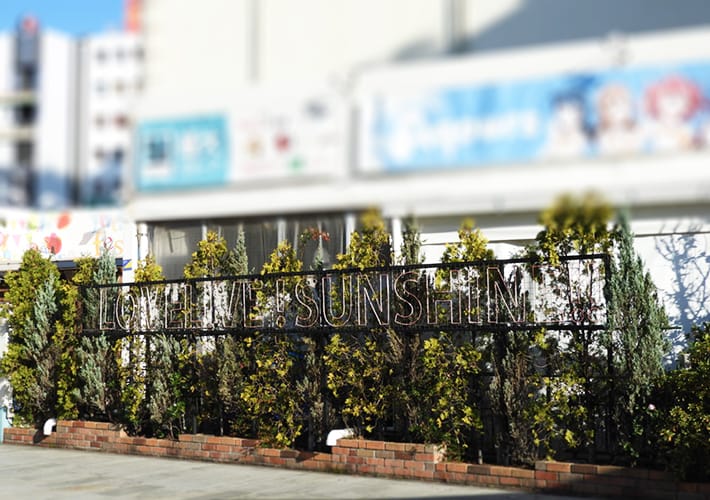
"Initially, there were minor growing pains," Ozawa admits, citing isolated incidents of fans encroaching on school grounds or the defacing of public property. "However, these were outliers. The overwhelming reality is that the community has formed a positive feedback loop. When a fan visits, they aren’t just looking for a photo opportunity; they are patronizing our restaurants, using our transit, and engaging with our culture."
Ozawa highlights a surprising demographic shift: the series has bridged generational divides. "We have 80-year-old residents who have taken up watching the show because they recognize the streets they walk on every day," he notes. The city’s administration has mirrored this enthusiasm, with the mayor actively participating in events and celebrating the fictional characters’ birthdays on social media, thereby validating the fans’ dedication.
The Business of Fandom: Grassroots Synergy
The "Numazu Model" is defined by its lack of top-down mandates; rather, it is a grassroots movement led by small business owners.

The Tsuji Photo Studio Approach
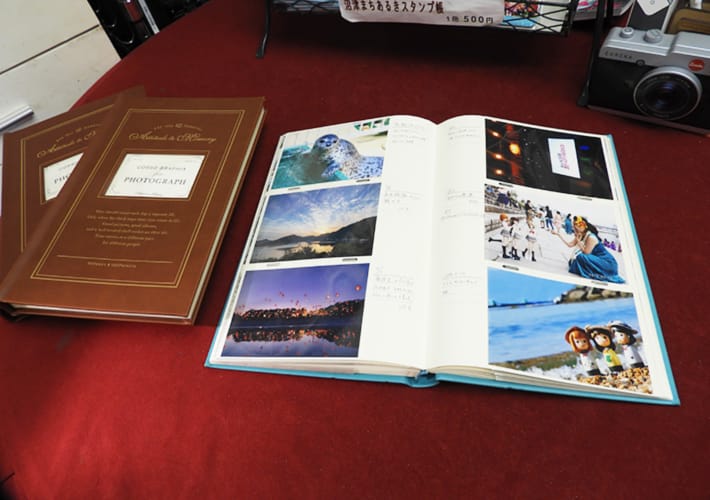
Tomomi Mine of the local Tsuji Photo Studio exemplifies the proactive nature of Numazu’s merchants. Recognizing the emotional investment of fans, she turned her storefront into a communal bulletin board. By displaying maps and fan-contributed artwork, she created a "third space" where visitors could connect with one another. "The albums we keep here act as a bridge," Mine explains. "They allow visitors to leave a piece of their journey behind and see the history of everyone who has come before them." This level of dedication was eventually rewarded by the series creators, who featured the studio in the 2019 film.
Shougetsu and the Confectionery Connection
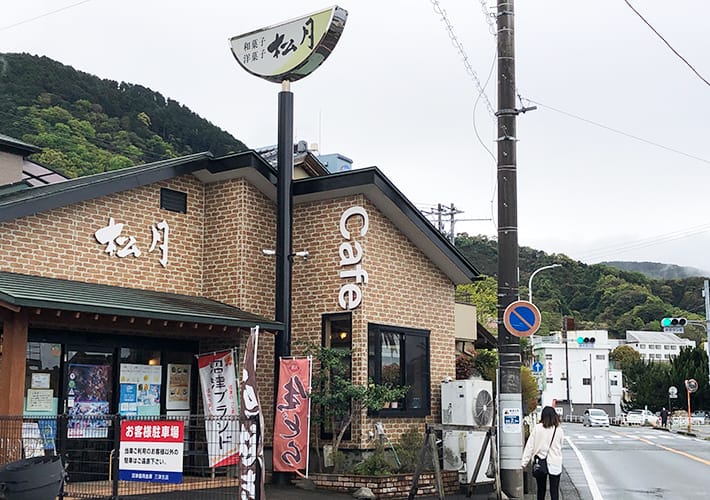
Similarly, the confectionery shop Shougetsu in Uchiura has seen its fortunes tied to the series. Owner Kiminobu Segawa notes that while the shop was a local staple for years, the anime introduced it to a national audience. By creating limited-edition sweets themed around the Aqours members, Shougetsu has successfully turned a simple transaction into a collectible experience. Segawa notes that even during the pandemic, when foot traffic slowed, the brand loyalty of the "LoveLivers" ensured that the business remained a central point of the pilgrimage route.
Religious and Cultural Intersections
One of the most intriguing aspects of the LoveLive! pilgrimage in Numazu is its reach into unexpected sectors, including the religious community. The character Yoshiko Tsushima—who adopts the persona "Yohane," a reference to John the Apostle—has inadvertently drawn fans to the Numazu St. John’s Anglican Church.
Father Paul Masato Kubota, who has served at the church since 2018, has adopted a pragmatic and welcoming approach. Rather than dismissing the pop-culture influx, he has utilized the anime as a tool for intergenerational outreach. By incorporating themes of friendship and growth from the show into his newsletters and interactions with the youth, he has made the church a more accessible, less intimidating space. "If it helps bring more interest to the church and provides a bridge to connect with the younger generation, it is a positive thing," Kubota states, welcoming fans to visit, provided they are respectful of the church’s schedule and the nearby kindergarten.
Implications: The Future of Anime Tourism
The success of Numazu as an "anime pilgrimage" site offers a blueprint for other Japanese municipalities struggling with rural depopulation. The "Numazu Effect" works because it is built on mutual respect. The fans offer economic support and genuine appreciation for the city’s history and geography, while the residents and business owners offer a level of hospitality that makes the fans feel like stakeholders rather than mere tourists.
As we look toward the future, the integration of new content—such as Yohane of the Parhelion—suggests that this synergy is not a fleeting trend but a long-term economic strategy. Numazu has effectively proven that when a city allows itself to be shaped by the stories told about it, the boundary between the imaginary and the real can become a source of profound communal enrichment.
Ultimately, the story of Numazu and LoveLive! Sunshine!! is not just about a cartoon; it is about how a community reclaimed its own charm by seeing itself through the eyes of those who admire it most. Whether one is a dedicated "LoveLiver" or a casual visitor, the streets of Numazu remain a testament to the power of shared narratives in the 21st century.


 Neng Nana
 Asro
Asro