

The landscape of modern isekai—the genre defined by the "reincarnated in another world" trope—has become increasingly crowded. From farm simulators to culinary adventures, the market is saturated with heroes seeking to optimize their stats or build their harems. However, occasionally a title emerges that manages to amplify the volume on these tired conventions. Enter Isekai Metaller, a high-octane, riff-heavy manga series by Kasuga Ryo, which is set to hit Western shelves via Titan Manga this October.
More than just a gimmick involving electric guitars and lightning bolts, Isekai Metaller presents a heartfelt narrative about self-expression, the stigma surrounding outsider aesthetics, and the transformative power of music. As we approach its debut, it is time to examine why this series is being hailed as the "hardest rocking" fantasy adventure of the year.
The Genesis of a Metal Hero: Main Facts and Premise
At its core, Isekai Metaller is a character-driven journey. The protagonist, Alexi, is a man who found his voice through the aggressive, cathartic power of heavy metal. In his previous life, Alexi was a shy, marginalized individual who struggled to connect with his peers. His bandmates were lukewarm at best, failing to share his burning passion for the genre.
The inciting incident is as metal as it gets: while pouring his soul into a performance, Alexi is struck down by a lethal surge of electricity. Rather than meeting a quiet end, he is thrust into a high-fantasy realm populated by demons, monsters, and a rigid, oppressive magic-leveled society. Unlike typical protagonists who seek only power or survival, Alexi arrives with a mission: to reach the hearts of the silent and the misunderstood through the raw honesty of music.
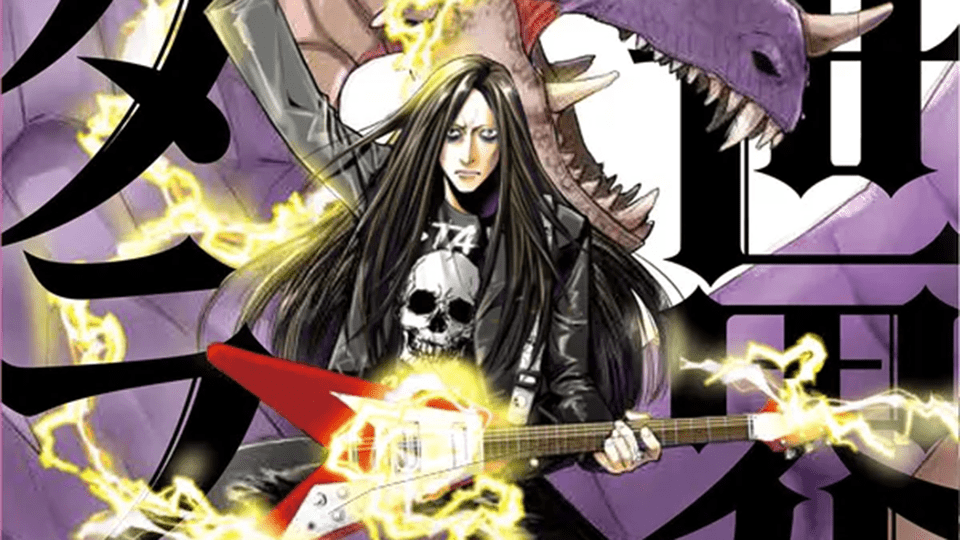
His transition into this new world is marked by an ironic "buff." He retains his aesthetic and his musical soul, but he also wields god-like lightning powers. For tabletop gaming enthusiasts, think of him as a Bard who has completely maxed out his Thunder Wave spell. With a Flying V guitar as his conduit and a heart full of heavy metal, Alexi is set to disrupt the status quo of a world that desperately needs a new rhythm.
A Chronology of Conflict: From Concert Hall to Demon King
The narrative structure of the first volume follows a compelling, albeit unconventional, progression.
- The Final Chord: The series opens with Alexi’s life on Earth, establishing his internal conflict. His desire to communicate through music is contrasted with the indifference of his bandmates.
- The Rebirth: The transition to the fantasy world is swift. Alexi is not reborn as a legendary hero destined for a prophecy, but as an outlier—a man whose "weapon" is seen as strange by the locals.
- The Encounter: Alexi’s first brush with the world’s monsters sets the tone. Instead of viewing these creatures as targets for experience points, he sees the aesthetic beauty of an album cover. This establishes his role as a bridge-builder rather than a conqueror.
- Party Formation: Alexi begins gathering an unlikely troupe of allies: a mage struggling with social expectations, a wolfman warrior, and an orphaned thief. Each character represents a facet of the "silent" or "forgotten" population that Alexi aims to empower.
- The Ideological Clash: The volume culminates in a confrontation with another reincarnated individual—a proponent of glam rock. This is where the story pivots from mere action to a profound discussion on the philosophy of art.
Supporting Data: Why Metal?
The appeal of Isekai Metaller lies in its subversion of the "Level 999" trope. In many isekai narratives, the hero becomes a god-like figure who solves problems through sheer force. Alexi is indeed powerful—at level 999, he is statistically one of the strongest beings in the world—but his goal is not to ascend to a throne.
The social hierarchy of the world he enters is brutal; low-leveled warriors are frequently treated as disposable cannon fodder for the "greater good" of the elite. Alexi’s rejection of this utilitarian mindset is the series’ moral anchor. He refuses to allow the strong to dictate the value of the weak, using his music to amplify the voices of those who have been silenced by the world’s harsh systems.

Furthermore, the integration of musical subcultures serves as a narrative device to explore identity. By juxtaposing heavy metal and glam rock, the series avoids the trap of portraying one genre as "better" than the other. Instead, it posits that music is a tool for self-actualization. Whether you are a fan of shredding solos or theatrical stage presence, the message remains the same: your taste is valid, and your voice deserves to be heard.
Official Responses and Creative Vision
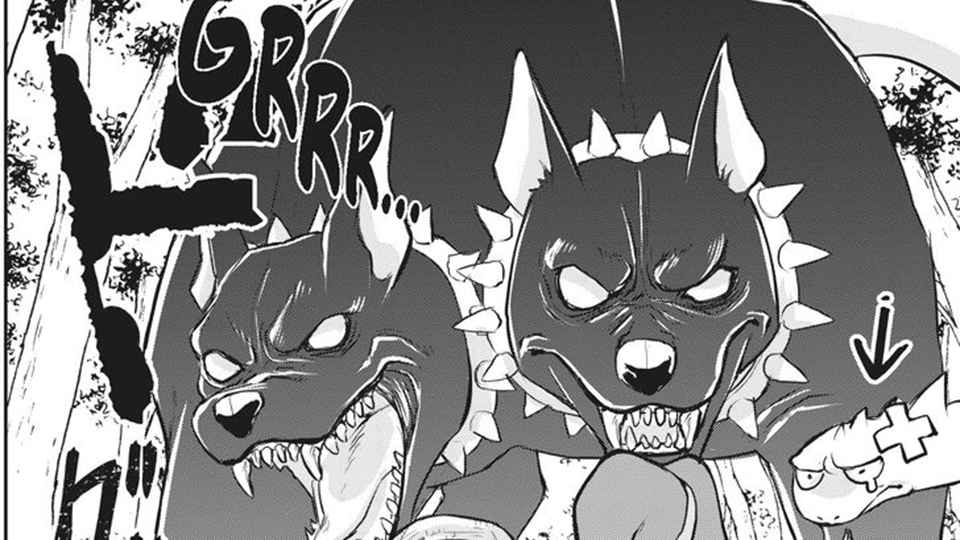
Kasuga Ryo’s work has received significant praise for its visual storytelling. The depictions of monsters, which are intentionally rendered to look like classic heavy metal album art, provide a unique aesthetic that separates the book from the typical "generic fantasy" visual language.
Titan Manga, the publisher behind the Western release, has positioned the book as a major title for their Q4 lineup. In promotional materials, they have highlighted the "unexpected heart" of the series. While the marketing leans heavily into the humor of a metalhead in a fantasy world, the editors have emphasized that the series is, at its heart, a story about empathy.
Early readers in the Japanese market have lauded the series for its pacing. By balancing high-stakes action scenes with quieter moments of character development, Ryo avoids the "montage fatigue" that plagues many other progression-fantasy manga. The humor is derived from the clash of cultures, but the empathy is genuine, creating a reading experience that is as touching as it is head-banging.
Implications: The Future of the Genre
Isekai Metaller arrives at a pivotal moment. The genre is currently experiencing a "meta-commentary" phase, where authors are increasingly looking to deconstruct the tropes that defined the 2010s. By centering the story on a musician, Ryo is challenging the "warrior-centric" obsession of fantasy fiction.
The Power of Empathy
The most significant implication of this series is its treatment of the "Demon King" archetype. In traditional fantasy, the Demon King is an antagonist to be slain. In Isekai Metaller, the goal is to "jam." This shift from confrontation to collaboration suggests that the series is interested in resolution through understanding rather than violence. If Alexi succeeds in his goal, it will represent a massive departure from the standard "Hero’s Journey" and a bold statement about the potential for peace through shared human (or monster) experience.
Challenging Aesthetic Bias
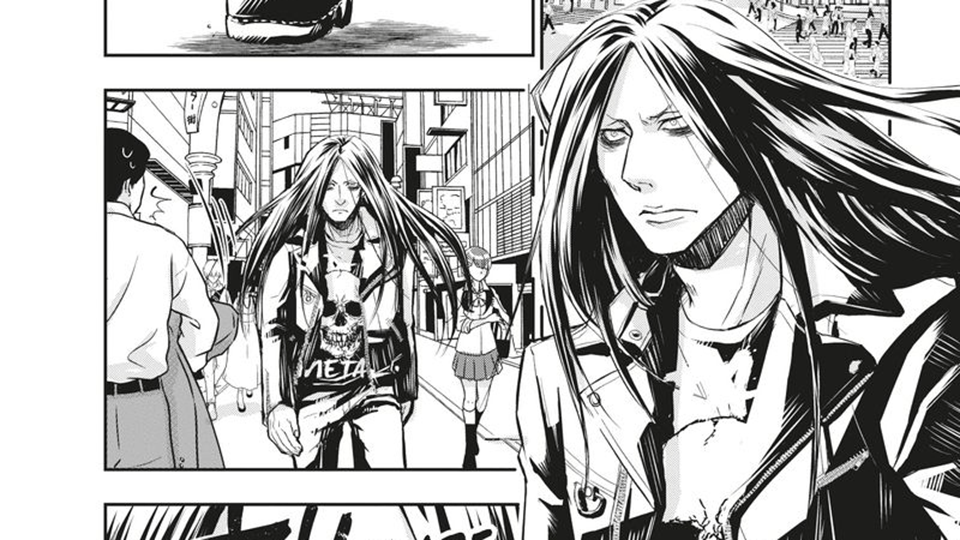
The series also serves as a mirror for the reader. Alexi is constantly judged for his appearance—the long hair, the leather, the "creepy" aura. By forcing the world to look past these superficial traits, Ryo is asking the reader to evaluate how they judge outsiders in their own lives. It is a subversion of the "don’t judge a book by its cover" trope, literalized through a character whose music acts as a key to his true nature.
Conclusion: Will It Strike the Right Chord?
As the release date of October 14, 2025, approaches, the anticipation for Isekai Metaller continues to build. It is rare to find a manga that manages to be this loud while remaining this soft-hearted. By blending the thunderous aesthetic of heavy metal with the whimsical unpredictability of high-fantasy, Kasuga Ryo has crafted something that feels both nostalgic and refreshingly new.
Whether you are a seasoned fan of the isekai genre or a newcomer looking for a story with actual depth, Isekai Metaller is a title that deserves your attention. It promises to be a riotous, riff-heavy ride that challenges the status quo of the fantasy world and, perhaps, the status quo of our own. Prepare your air guitars and clear your schedules—Alexi is coming to change the world, one power chord at a time.
Isekai Metaller Vol. 1 is scheduled for release via Titan Manga on October 14, 2025.












No comments yet. Be the first to join the conversation!