Asro
Asro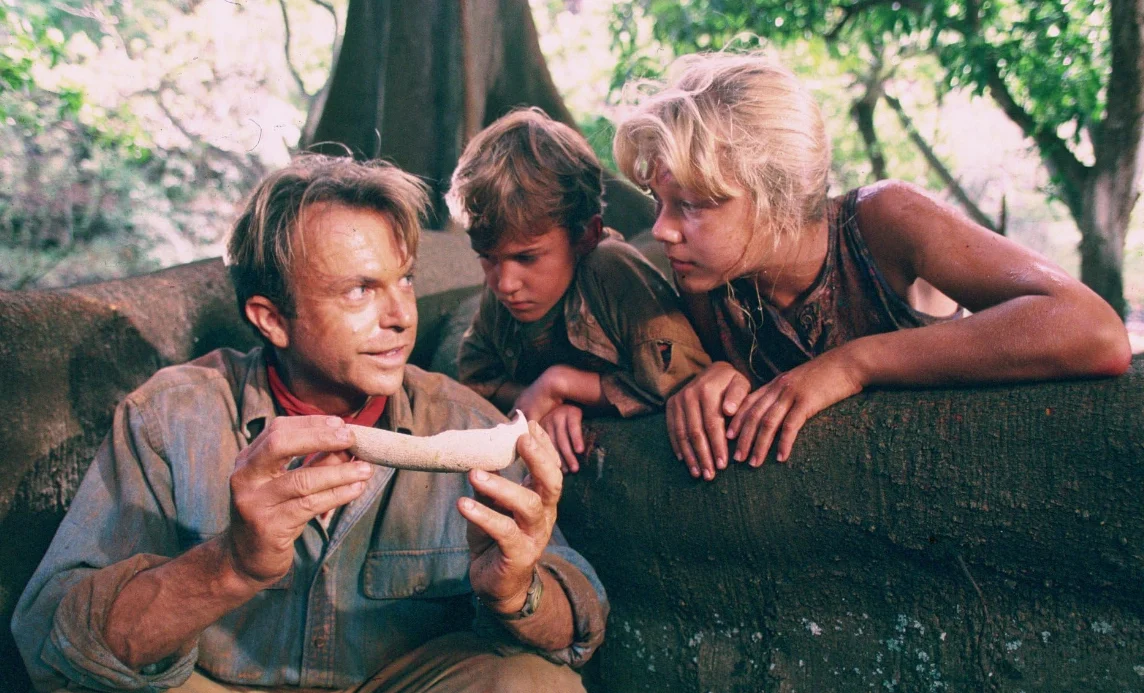
By Alfredo Federico Robelo | June 22, 2026
In the vast, interconnected ecosystem of modern pop culture, there exists a specific breed of knowledge: the "insider secret" that isn’t actually a secret at all. Every fandom—whether built around the hyper-space lanes of Star Wars, the misty mountains of Middle-earth, or the neon-drenched dystopias of cyberpunk—possesses a foundational canon of trivia. These are the facts that have been recited in convention halls, debated in internet forums, and highlighted in countless behind-the-scenes featurettes.

Yet, there remains a persistent social ritual among cinema enthusiasts: the act of dropping these well-worn anecdotes as if they were freshly unearthed archaeological finds. While these facts are common knowledge to the initiated, they serve a vital purpose in film culture. They act as a "secret handshake," a way to solidify communal bonds by confirming that yes, we have all watched the special features on the DVD.
The Taxonomy of Trivia: Why We Repeat the Known
To understand why fans cling to these specific facts, one must look at the psychology of fandom. Sharing a piece of "obscure" trivia is an act of gatekeeping—sometimes benevolent, sometimes not—designed to signal deep investment in the material. When a fan mentions the Wilhelm Scream or the Back to the Future refrigerator, they aren’t just sharing information; they are participating in a multi-generational conversation.

The following is an examination of fifteen such "secrets," categorized by their origin, their cultural shelf-life, and the surprising ways they have shaped the films we love.
1. The Great Debates: Star Wars and the Burden of Lore
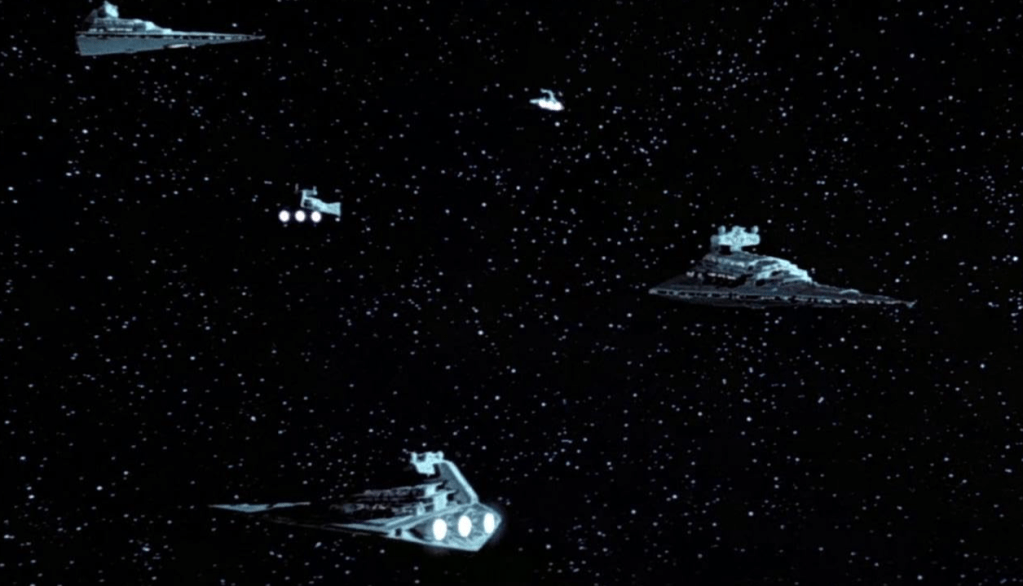
Han Shot First
Perhaps the most litigious argument in the history of science fiction, the "Han Shot First" controversy stems from the 1997 Special Edition of A New Hope. George Lucas’s decision to alter the cantina confrontation, making Greedo fire his blaster first, fundamentally shifted the characterization of Han Solo from a morally ambiguous rogue to a defensive hero. For nearly thirty years, fans have cited this as the ultimate example of a creator meddling with his own legacy, turning a simple edit into a symbol of the struggle between director intent and audience ownership.
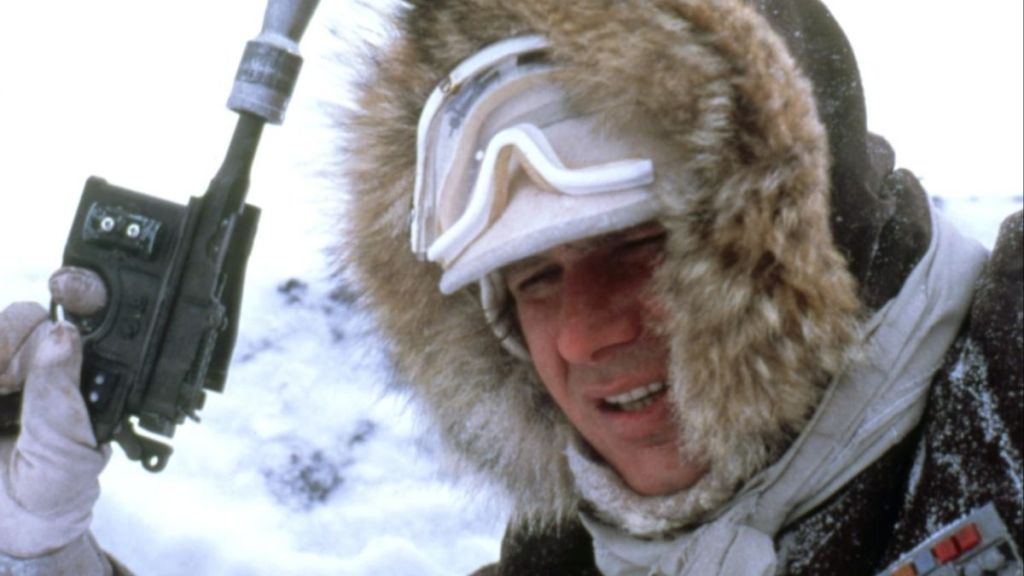
The Stormtrooper Head Bump
A classic example of a "happy accident" being elevated to mythological status. In A New Hope, an anonymous extra clunks his helmet against a low-hanging doorframe. Instead of ruining the shot, the moment was preserved, becoming a beloved Easter egg. It is a testament to the "lived-in" aesthetic of the original trilogy; the universe felt real precisely because it was slightly imperfect.
The Millennium Falcon’s Fuzzy Dice
Long before the Solo standalone film turned the Millennium Falcon’s hanging dice into a sentimental plot device, they were merely a kitschy background prop. Fans spent decades debating whether the dice were a sign of Han’s rough-and-tumble history or just a piece of set dressing that George Lucas forgot to remove. It is a prime example of how modern studios often "retroactively canonize" background details to satisfy a fanbase that has obsessed over them for decades.
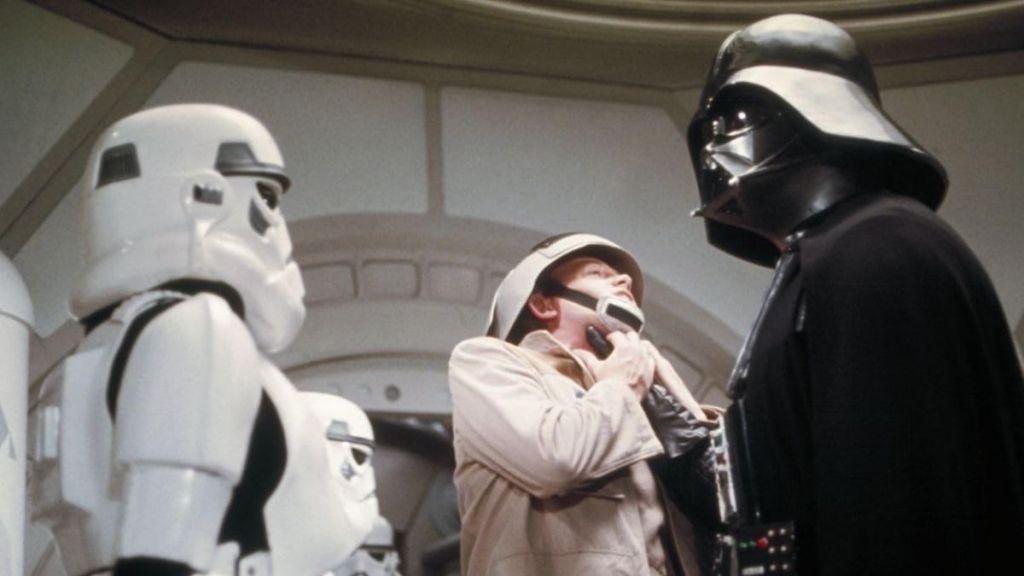
The Asteroid Field Soundscape
Sound designers in the 1970s and 80s were essentially alchemists. The iconic sounds of the asteroid chase in The Empire Strikes Back—often identified by fans as the sound of snapping steel cables—remind us that cinematic immersion relies on tactile, physical reality rather than purely digital synthesis.
2. The Physicality of Performance: Stunts and Accidental Reality
The Uruk-hai Knife Throw
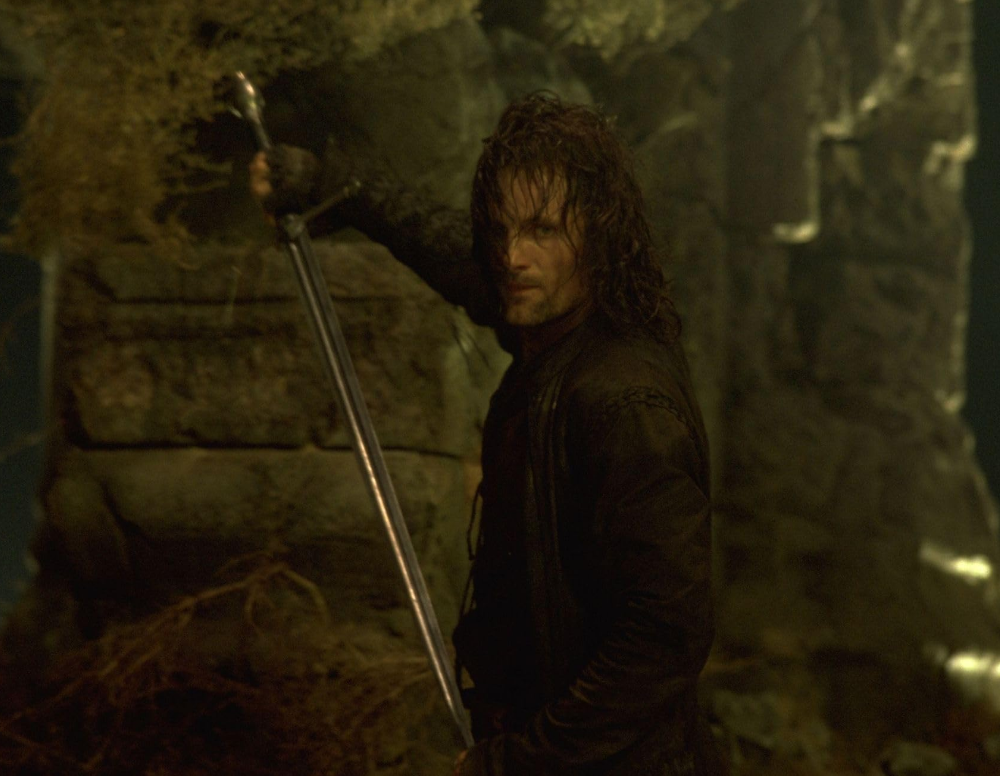
During the filming of The Fellowship of the Ring, Viggo Mortensen’s commitment to realism became legendary. The story of an Uruk-hai actor accidentally throwing a real combat knife at him—and Mortensen deflecting it with his sword—has become the gold standard for "actor dedication" trivia. It is a fact that fans adore because it blurs the line between the character of Aragorn and the man playing him.
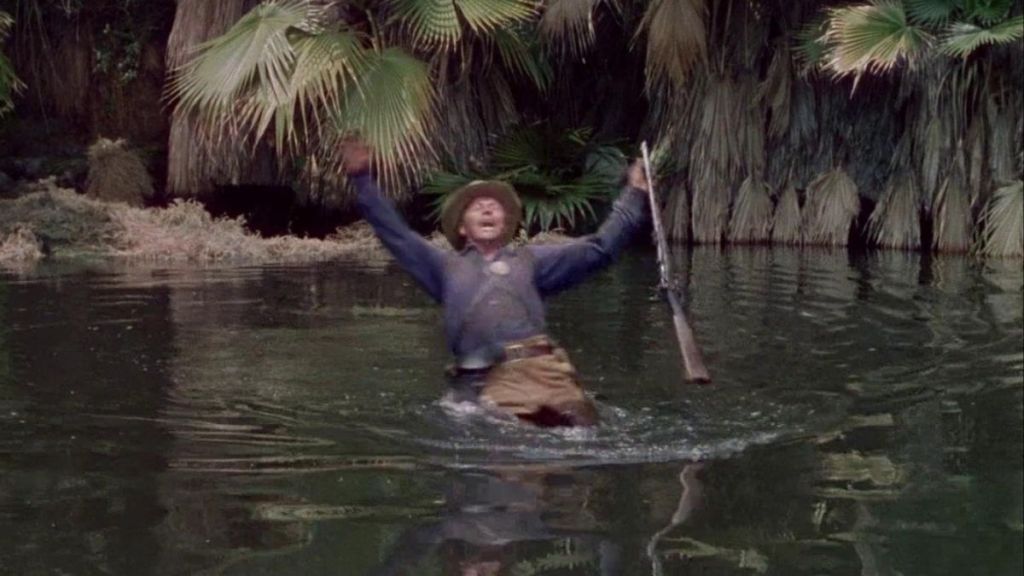
The Alien Costume Secret
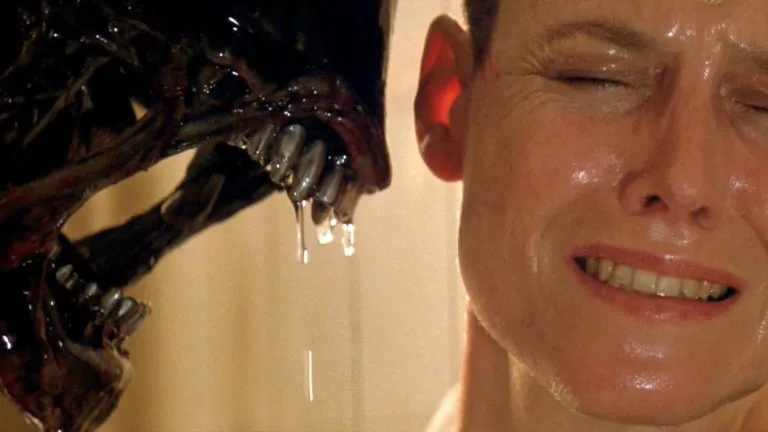
The terrifying, biomechanical nature of the Xenomorph in Ridley Scott’s Alien was not merely the result of H.R. Giger’s genius design; it was rooted in the physical presence of Bolaji Badejo. By casting a 7-foot-2 actor, the production team ensured that the creature’s movements were unnatural and inherently uncanny. It is a point of pride for Alien fans to know exactly who was beneath the suit, elevating the creature from a "monster" to a singular performance.
The Predator Improvised Handshake
When Arnold Schwarzenegger and Carl Weathers engage in that epic, muscle-bound handshake in Predator, the audience is watching a genuine display of competitive athleticism. The fact that this was improvised on set adds a layer of genuine, testosterone-fueled camaraderie that defines the 1980s action genre.
3. Behind the Scenes: The "What If" Files
The Back to the Future Refrigerator
It is a favorite "what-if" scenario: What if Marty McFly had traveled through time in a lead-lined refrigerator instead of a stainless-steel DeLorean? This early conceptual pivot remains one of the most cited pieces of production trivia. It serves as a reminder of how close iconic imagery can be to total absurdity.
The Raptor Sounds
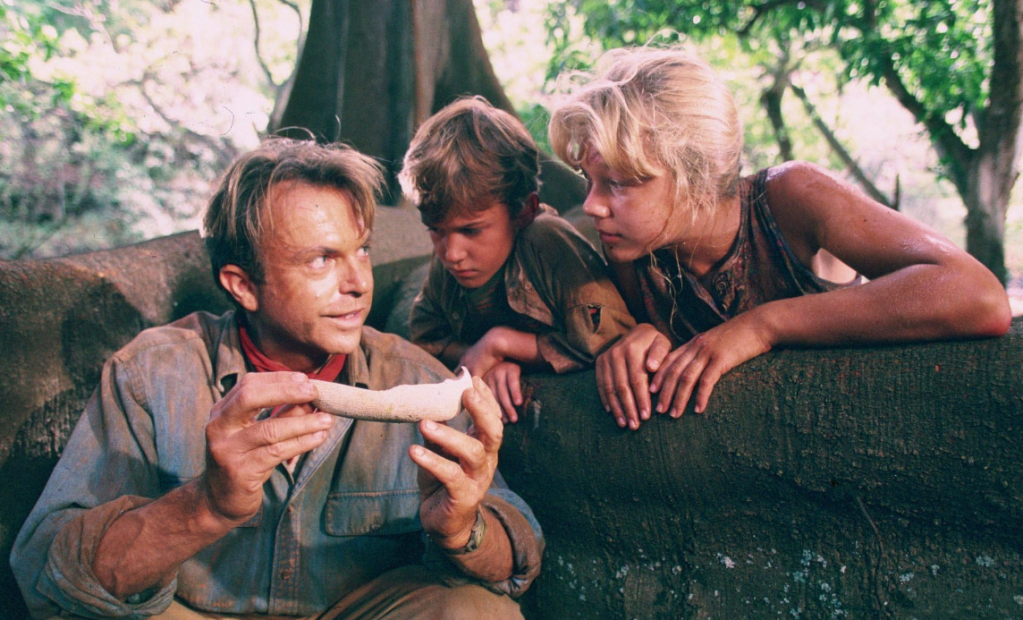
Steven Spielberg’s Jurassic Park changed blockbuster filmmaking, but its sound design was equally revolutionary. The realization that the terrifying roars of the Velociraptors were actually a mixture of animal sounds, including the surprisingly un-dinosaur-like mating calls of tortoises, highlights the artistry involved in making the impossible feel biologically accurate.
The Matrix Green Tint
The distinctive green hue of the Matrix—simulating the aesthetic of monochromatic CRT monitors—is more than just a color grade. It is a visual language that has defined the franchise since 1999. Fans point this out to explain the difference between the "real world" and the simulated one, a nuance that remains vital to understanding the film’s narrative structure.
4. Recurring Motifs and Lingering Echoes
The Wilhelm Scream
If you have ever been in a movie theater and heard a friend nudge you during a falling-off-a-cliff scene, you have experienced the Wilhelm Scream. This stock sound effect, first recorded in 1951, has become a "signature" for sound editors. It is perhaps the most famous piece of "meta" trivia, a wink from the production crew to the audience that reminds us: we are watching a movie.
Sean Bean’s Mortality
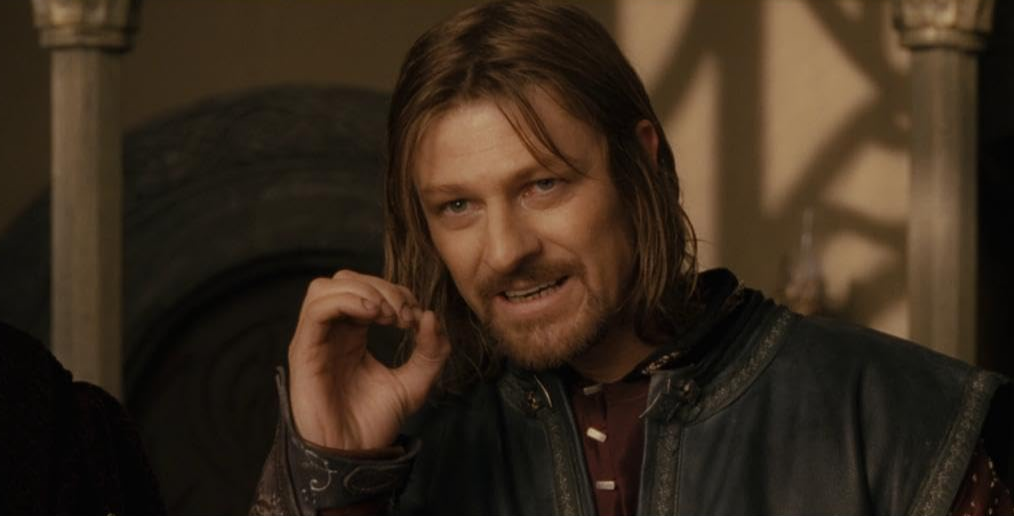
Sean Bean’s propensity for dying on screen has transcended trivia and entered the realm of the internet meme. Whether it is Boromir in The Lord of the Rings or Ned Stark in Game of Thrones, his death scenes have become an expected beat in his career arc. This is a rare instance where the "trivia" actually influences casting perception and viewer expectations.
The One Ring’s Inscription
Tolkien fans take great pleasure in identifying that the script on the One Ring is not just gibberish, but the Black Speech of Mordor. It is a detail that proves the depth of the world-building, and fans often recite the meaning of the inscription to demonstrate their mastery over the lore.
Blade Runner’s Unicorn Dream
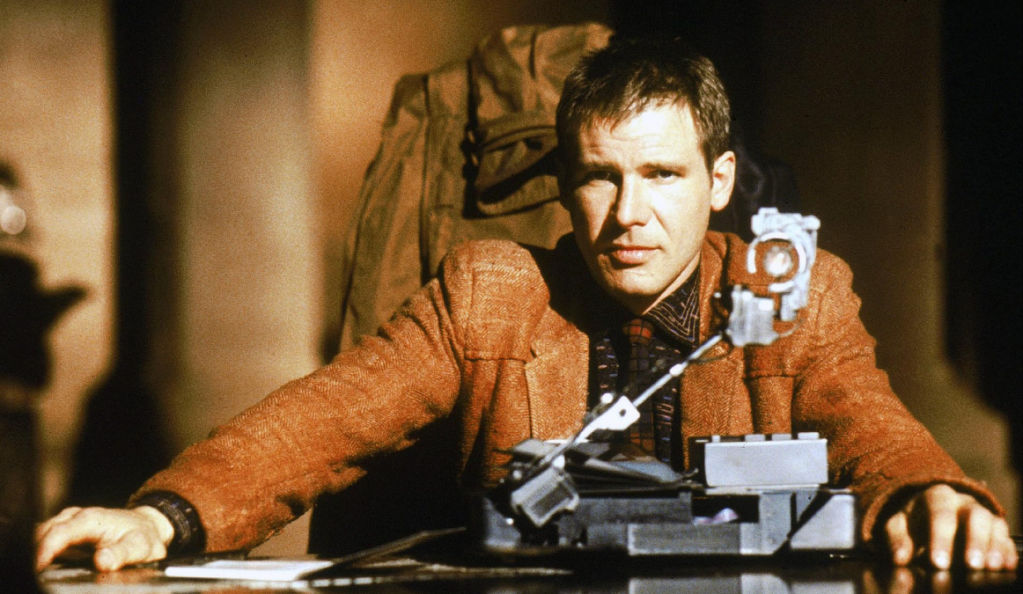
The unicorn dream sequence in Blade Runner is the pivot point for all academic discourse regarding Rick Deckard. Is he a replicant? The answer, according to the fans who have dissected every frame of the director’s cut, is almost certainly yes. This single, fleeting shot has fueled essays, lectures, and decades of debate, proving that even a few seconds of film can define an entire legacy.
Boba Fett’s Screen Time
Despite being a pop-culture icon, Boba Fett had remarkably little to do in the original Star Wars trilogy. Fans love to point out this discrepancy to highlight how much of the character’s appeal was built on mystery and aesthetic rather than actual screen time. It is a testament to the power of design and the "cool factor" in cinema history.
Implications for Future Fandom
Why do we continue to catalog these facts? As we look toward the future of media, where AI-generated content and rapid-fire streaming may dilute the "shared experience" of cinema, these nuggets of trivia serve as an anchor. They represent a time when movies were monolithic events—cultural touchstones that everyone, from the casual viewer to the hardcore nerd, engaged with simultaneously.
By repeating these facts, we are preserving a history that is increasingly fragmented. Whether it’s the "Han Shot First" debate or the origin of the Predator handshake, these stories connect us to the craft, the labor, and the happy accidents that make filmmaking a human endeavor. Even if we have heard the story a thousand times, the act of telling it remains a way of saying: I was here, I watched this, and it mattered to me.
In an era of disposable entertainment, that connection is the most valuable trivia of all.

 Reynand Wu
 Sagoh
Sagoh