Asro
Asro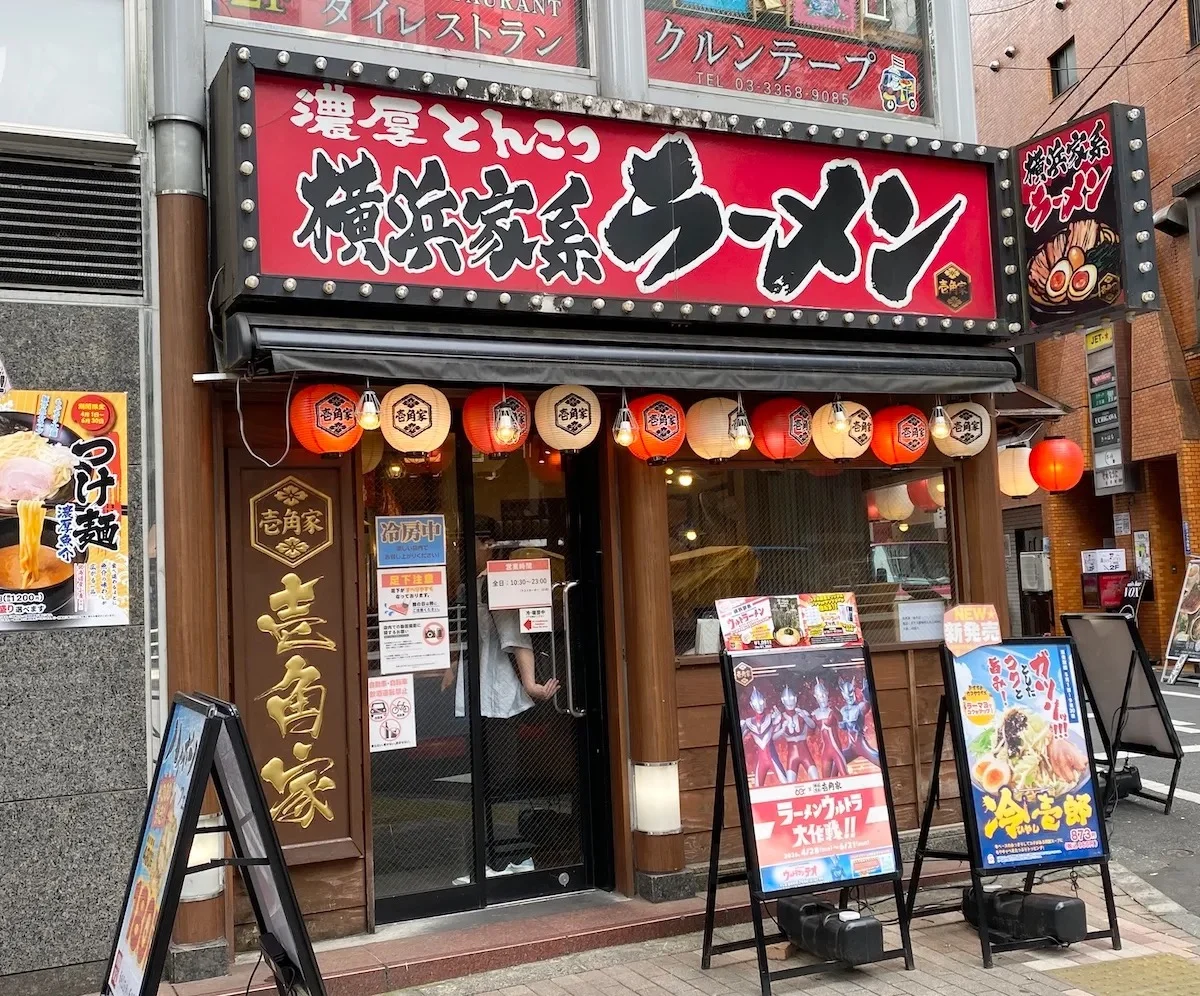
As the mercury climbs and the humidity levels in Japan begin their annual ascent, the culinary landscape undergoes a predictable, seasonal shift. For many, the heavy, steaming bowls of tonkotsu ramen—usually a source of comfort and soul-warming satisfaction—become an increasingly difficult sell. In the face of stifling heat, the Japanese dining public typically pivots toward somen (chilled thin wheat noodles) or hiyashi chuka (cold ramen with vinegar-based dressings) to keep their energy up without succumbing to the sluggishness that follows a hot, greasy meal.
However, for the dedicated ramen aficionado, the withdrawal from rich, savory broths is a bitter pill to swallow. Enter Yokohama Iekei Ramen Ichikakuya, a prominent chain known for its signature "Iekei" style: a decadent, high-octane fusion of pork and chicken bones simmered into a thick, soy-sauce-forward emulsion. This summer, the chain has introduced a daring solution to the seasonal dilemma: the Hiyashi Ichiro.
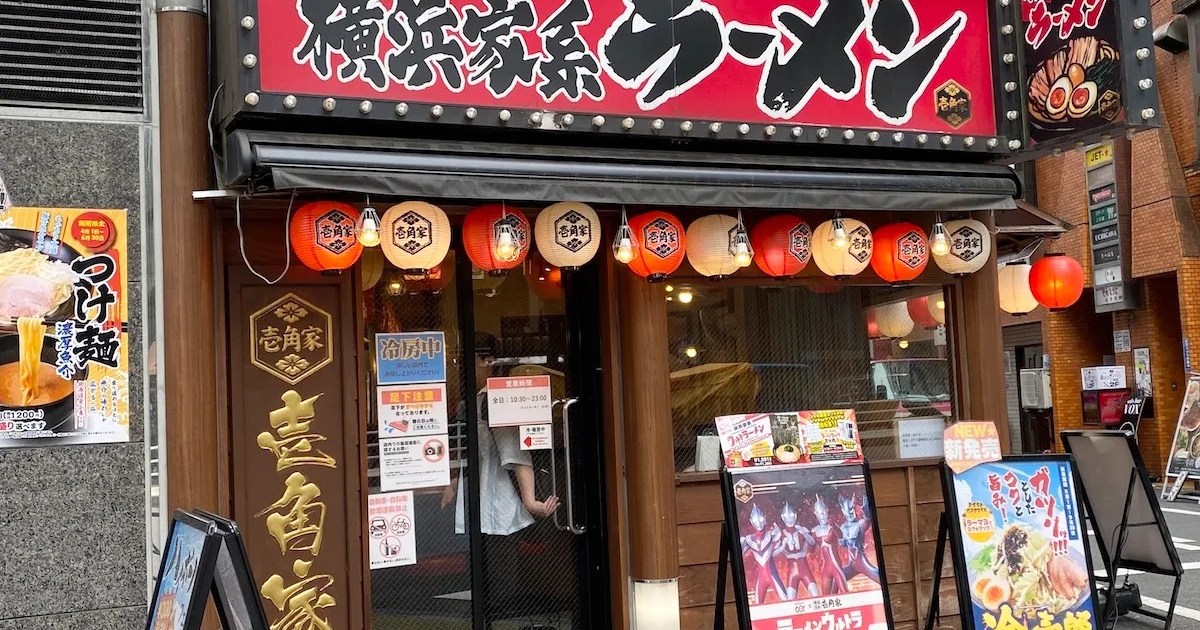
Our reporter, Takashi Harada, recently ventured to a local Ichikakuya branch to determine whether this "chilled" take on a heavy-hitting classic could truly bridge the gap between summer refreshment and the gluttonous satisfaction of a traditional Iekei bowl.
Main Facts: What is the Hiyashi Ichiro?
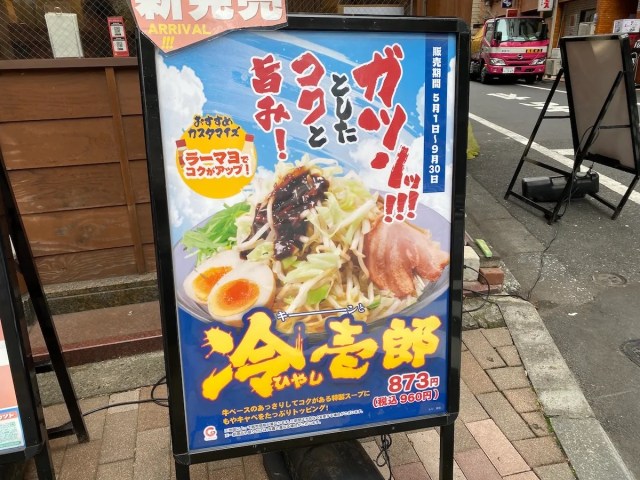
The Hiyashi Ichiro, retailing at a budget-friendly 960 yen, is a limited-time offering available until September 30. Unlike standard chilled noodle dishes, which often prioritize a light, acidic, or sesame-based profile, the Hiyashi Ichiro is designed to retain the DNA of the Iekei experience while adapting it for the sweltering climate.
Key components of the dish include:
- The Broth: A beef-based chilled soup that sacrifices the heavy viscosity of traditional pork-bone broth for a lighter, cleaner profile that remains rich in umami.
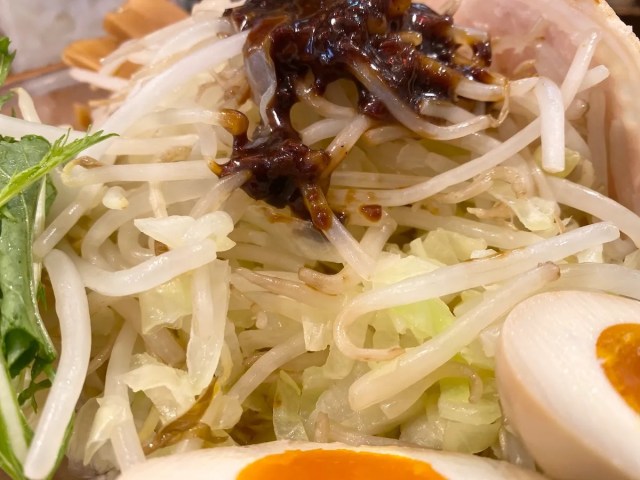
- The Toppings: A generous, mountainous pile of fresh vegetables, including cabbage, bean sprouts, and mustard greens, which provide a crisp, cooling texture.
- Customization: The dish is served with the implicit recommendation of adding chili oil and mayonnaise, a "decadent" twist that elevates the dish from a simple noodle bowl to a full-bodied culinary experiment.
Chronology of a Culinary Discovery
The journey began with a simple craving. Takashi Harada had been aggressively consuming Iekei ramen to combat the final days of comfortable weather before the true heatwaves arrived. Upon visiting the Ichikakuya storefront, his attention was immediately diverted from his usual order by the promotional signage for the Hiyashi Ichiro.
- The Decision: Faced with a choice between a hot, familiar bowl or an unknown, chilled variant, the lure of the "fully loaded" Hiyashi Ichiro proved irresistible. The ticket machine transaction was swift, signaling the start of the trial.
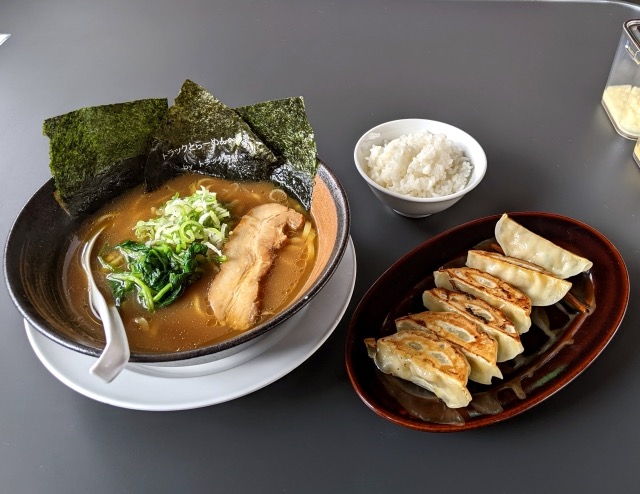
- The Rice Conundrum: A staple of the Iekei experience is the side of rice, meant to be dipped in the broth or topped with seaweed. When the staff asked if he wanted rice, Harada hesitated. Could rice pair well with a chilled, vegetable-heavy noodle dish? Ultimately, he committed to the full experience, opting for the rice—which is often complementary at certain times of day at the chain.
- The Arrival: The dish arrived in a transparent bowl, immediately visually distinct from the opaque, heavy ceramic bowls used for hot ramen. Despite the visual lightness, the sheer volume of toppings preserved the "Iekei identity"—a bowl that promised to be substantial.
- The Tasting: The initial bites confirmed that while the broth was less dense than the traditional pork-chicken blend, it lost none of its flavor. The vegetables served as a crucial bridge, cutting through the salt and fat to provide a crispness that kept the meal from feeling oppressive.
- The "Junk Food" Upgrade: Following the restaurant’s recommendation, Harada applied a mixture of chili oil and mayonnaise. This step, while potentially controversial to purists, transformed the dish, creating a creamy, spicy emulsion that turned the remaining noodles and broth into a high-calorie, high-reward experience.
Supporting Data: Why "Hiyashi" Matters
The science behind Japan’s seasonal dietary shifts is rooted in both biology and geography. As ambient temperatures rise, the human body’s digestive process becomes more taxing. In extreme heat, blood flow is diverted toward the skin to assist in cooling, which can lead to a feeling of lethargy—or "natsu-bate"—when consuming heavy, high-fat meals.
The Hiyashi Ichiro serves as a strategic compromise. By utilizing a beef-based soup and increasing the ratio of fibrous vegetables, the restaurant manages to maintain the "satiety index" of a heavy ramen meal while reducing the thermal load on the diner. The use of cold noodles also provides a direct physical cooling effect, which is critical for laborers, commuters, and students navigating the urban heat island effect common in cities like Tokyo or Yokohama.
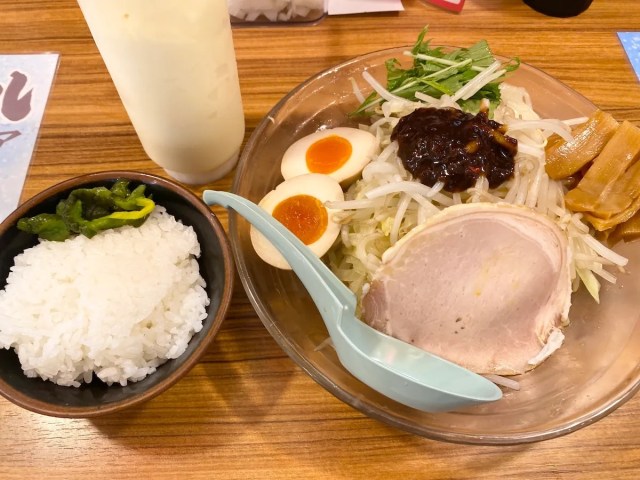
Furthermore, the 960-yen price point is positioned to compete with mid-tier lunch options, providing a "premium" feel (due to the extensive toppings) at a price that remains accessible to the average salaryman.
The "Ichikakuya" Philosophy and Official Stance
While the company has not issued a formal press release regarding the nutritional benefits of the Hiyashi Ichiro, its marketing materials emphasize "refreshment" and "satisfaction." The inclusion of optional condiments like mayonnaise and chili oil suggests that the restaurant is aware of its core demographic: individuals who are not looking for a "diet" meal, but rather a way to enjoy their favorite comfort foods year-round without the physical exhaustion of consuming hot broth in 35°C (95°F) weather.
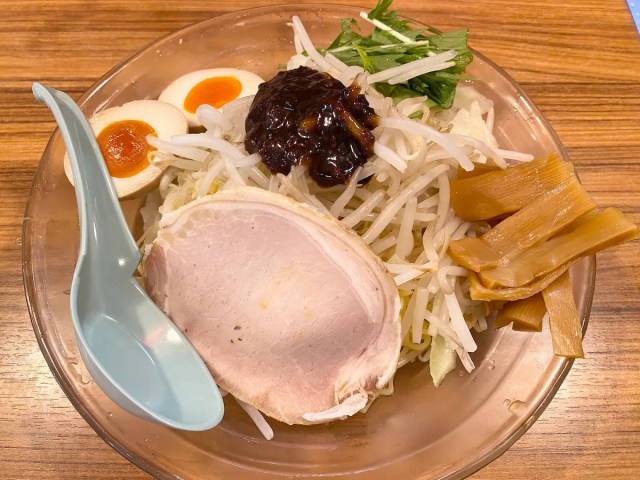
The success of this dish lies in the chain’s ability to pivot its brand identity. Iekei ramen is traditionally associated with "power food"—garlic, pork fat, and high sodium. By stripping away the heat, the chain maintains its status as a "power food" purveyor while acknowledging the changing environmental realities of a warming Japan.
Implications: The Future of Seasonal Ramen
The success of the Hiyashi Ichiro points to a broader trend in the Japanese fast-casual dining sector. As extreme weather events become more frequent, restaurants that rely on traditional, winter-centric menus (like heavy ramen or curry) are being forced to innovate.
1. Culinary Evolution
The shift from pork/chicken broth to a chilled beef broth indicates that major chains are willing to experiment with base ingredients to maintain their flavor profiles in cold preparations. We may see more experimentation with cold-stable fats and emulsifiers in the coming years.
2. The "Junk Food" Paradox
Harada’s experience highlights a growing consumer demand for "guilty pleasures" that are still physically tolerable in summer. The addition of mayonnaise—a caloric addition—is a direct nod to the popularity of "Mazesoba" (soupless ramen), which has been trending upward in Japan for the last decade. This suggests that the future of ramen may be moving away from the "soup-heavy" tradition and toward more customizable, dry, or chilled formats.
3. Economic Considerations
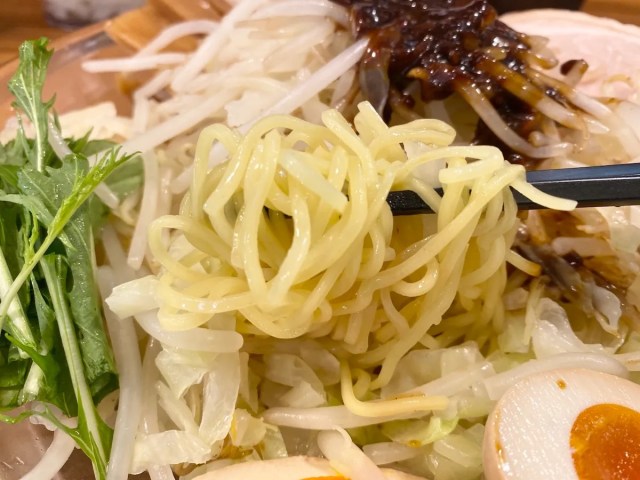
For a meal to stay under the 1,000-yen mark while offering high-quality toppings, chains must optimize their supply chains for fresh vegetables. The Hiyashi Ichiro’s reliance on cabbage and bean sprouts—relatively inexpensive, high-yield crops—shows that there is a path toward maintaining profit margins while offering high-volume, satisfying meals.
Conclusion: A Cautionary Delight
For those seeking a refreshing, filling, and undeniably decadent lunch, the Hiyashi Ichiro is a triumph of seasonal engineering. It captures the essence of the Iekei experience—the bold flavors, the massive portion sizes, and the customizable nature—while respecting the limitations imposed by the Japanese summer.
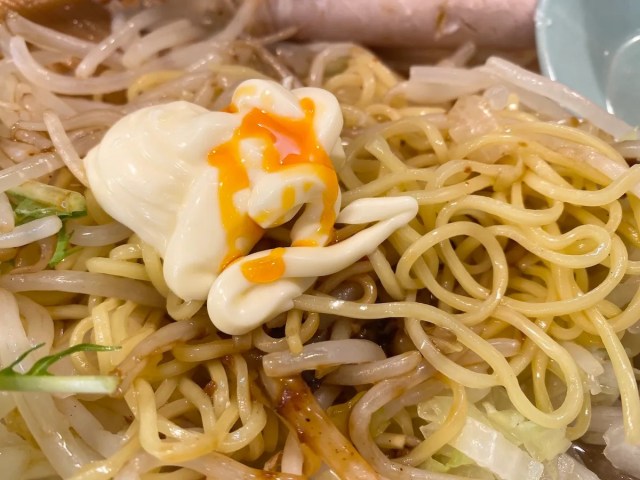
However, a note of caution for the prospective diner: the combination of chilled noodles, rich broth, and the added creamy fats of mayonnaise can lead to a significant "food coma" in the mid-afternoon. As Harada noted, the sheer satisfaction of the meal comes with a drowsiness that might complicate a return to the office. It is perhaps best saved for a Friday afternoon or a weekend outing where one can properly recover from the experience.
As of now, the Hiyashi Ichiro stands as a testament to the versatility of ramen. Whether you are a die-hard fan of the traditional hot bowl or a newcomer looking for a way to beat the heat, this limited-time dish offers a compelling argument for why you don’t have to sacrifice flavor for the sake of the season. Grab it while you can—before the autumn chill sets in and the menu reverts to its traditional, steaming roots.


 Neng Nana