Asep Darmawan
In the modern landscape of theatrical exhibition, the popcorn bucket has transcended its utilitarian purpose as a simple vessel for buttered kernels. It has become a high-stakes, high-visibility promotional tool, a piece of "must-have" merchandise that occupies the intersection of fandom culture and social media bait. However, as the latest marketing effort from Cinemark for the film Spider-Man: Brand New Day demonstrates, the line between an iconic collectible and a public relations nightmare is thinner than a spider’s silk.
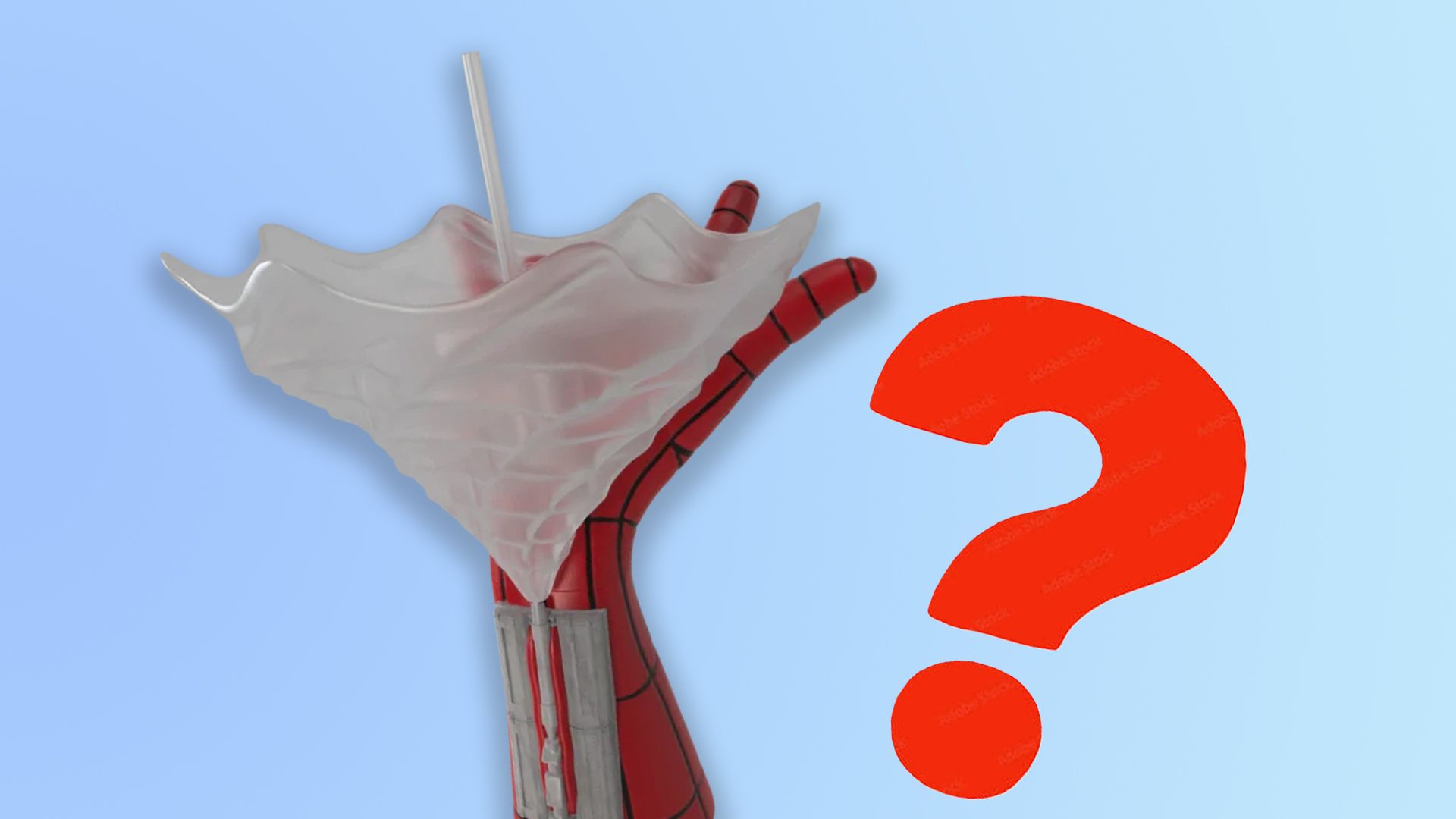
The internet is currently embroiled in a debate regarding the latest Cinemark-exclusive merchandise: a stylized, hand-shaped popcorn container that, in its attempt to capture the hero’s signature web-shooting pose, has inadvertently veered into territory that is decidedly NSFW. As the images circulate, the conversation has moved beyond the film itself, igniting a broader discourse on the perils of design-by-committee and the role of "viral marketing" in the digital age.
The Chronology of a Viral "Accident"
The controversy began almost immediately upon the unveiling of the promotional materials. In the weeks leading up to the wide release of Spider-Man: Brand New Day, theater chains frequently collaborate with studios to produce limited-edition tie-in merchandise to drive concession sales.
The design concept was ostensibly straightforward: a plastic replica of Spider-Man’s hand, sculpted in the iconic "thwip" pose, with a protruding, milky-white plastic web-stream serving as a straw or dispensing mechanism. The intent was to capture the kinetic energy of the character’s most recognizable superpower. However, when the product hit the light of day, social media users were quick to point out the unfortunate anatomical and visual connotations of the design.
By the second day of the promotional rollout, the hashtag #SpideyBucket began trending on platforms like X (formerly Twitter) and TikTok. What started as a niche observation among Marvel superfans regarding the awkwardness of the mold quickly devolved into a deluge of memes. The discourse followed a familiar pattern observed in previous "popcorn bucket scandals": shock, followed by cynical speculation, followed by widespread viral mockery. By the end of the week, the item had become the defining image of the film’s theatrical run—for better or worse.
Supporting Data: A History of "Bucket Bloopers"
To understand why the Spider-Man bucket has gained such notoriety, one must look at the precedent set by previous theatrical collectibles. This is not an isolated incident; rather, it is the latest entry in a growing trend of "bizarre" movie merchandise that seems designed—perhaps intentionally—to provoke a reaction.
The phenomenon arguably reached its zenith with the release of the Dune: Part Two popcorn bucket, which featured a design resembling a sandworm that many found unsettling, if not outright suggestive. Following that, the Wicked promotional campaign featured a bucket that was criticized for poor typography and questionable placement, which also went viral for its unintended double entendres.
Industry analysts note that these buckets serve a dual purpose: they are premium revenue generators, often selling for $20 to $40, and they act as organic marketing engines. "In the age of TikTok, a product that is ‘cringe-worthy’ is often more valuable than a product that is merely aesthetic," explains one marketing consultant. "The goal is to get people talking. If the bucket is ‘normal,’ it’s forgotten. If the bucket is ‘weird,’ it becomes a permanent fixture in the cultural conversation."
The Design Critique: When "Kerning" and "Concept" Collide
From a professional design perspective, the Spider-Man: Brand New Day bucket serves as a cautionary tale in industrial design and consumer ergonomics. The primary issue lies in the interpretation of the "web-shooter" element.
When designing for mass production, visual shorthand is essential. However, when a design relies on an abstract representation of a biological or physical action—in this case, the expulsion of a substance from a hand—the artist must be hyper-aware of the cultural lens through which the consumer will view it.
Critics have pointed out that the "milky white" opacity of the plastic, combined with the structural necessity of the web-stream acting as a conduit, creates a visual silhouette that is difficult to misinterpret. "It is a failure of user-experience testing," notes one design expert. "If you put a prototype in front of a diverse focus group, someone would have flagged this immediately. The fact that it reached the manufacturing stage suggests either a lack of oversight or a deliberate decision to lean into the ‘meme-ability’ of the product."
Official Responses and Corporate Silence
As of this writing, Cinemark has maintained a strategic silence regarding the backlash. In the world of corporate PR, this is a calculated tactic. Engaging with the controversy often serves to amplify it, turning a temporary social media firestorm into a lasting news story. By ignoring the commentary, the company allows the internet’s notoriously short attention span to eventually pivot to the next viral sensation.
However, the silence is deafening to those who follow the supply chain. While no official statement has been released, insiders suggest that theater chains are under immense pressure from studios to create "Instagrammable" merchandise that stands out in a crowded market. This pressure often forces designers to push boundaries, resulting in the "awkward" outcomes that have become the hallmark of the current era of film promotion.
Implications: The Future of Theatrical Merchandising
The Spider-Man bucket incident raises critical questions about the future of cinema marketing. Are we entering an era where the quality of the merchandise is measured solely by its capacity for mockery?
1. The "Viral" Trap
Studios and theaters are increasingly relying on the "outrage economy" to promote films. By creating items that are slightly "off," they ensure that the film remains in the news cycle long after the initial reviews have been published. While this drives engagement, it risks trivializing the brand. Does a suggestive bucket align with the family-friendly image of the Spider-Man franchise? Likely not.
2. The Consumer Fatigue Factor
There is a mounting sense of fatigue among moviegoers. As social media users become more adept at identifying "manufactured" viral moments, the effectiveness of these controversial products may wane. If everything is designed to go viral, then nothing is truly special.
3. Sustainability and Waste
Beyond the aesthetic and cultural implications, there is the issue of environmental impact. These massive, injection-molded plastic buckets are single-use items that often end up in landfills. When a product is manufactured primarily to be photographed once and then discarded, the environmental cost becomes a significant point of contention for consumers who are increasingly conscious of their carbon footprint.
Conclusion: A Lesson in Intent vs. Impact
The Spider-Man: Brand New Day popcorn bucket will likely go down in history as a footnote in the annals of pop-culture blunders. It sits alongside the Dune sandworm and the Wicked kerning failures as a testament to the fact that, in the rush to capture the digital zeitgeist, companies often lose sight of the human element.
Did the designers know? Perhaps we will never truly know. It is entirely possible that this was a genuine creative misstep, a case of an artist focused so intently on the "cool" factor of the web-shooter that they failed to see the broader implications of the final silhouette. Or, it could be the ultimate manifestation of modern marketing: a calculated move to ensure that, regardless of the quality of the film, everyone is talking about the bucket.
As fans continue to line up—some in irony, some in genuine curiosity—the Spider-Man bucket serves as a reminder that the world of movie marketing has changed. We are no longer just buying popcorn; we are buying into a performance. And sometimes, that performance is a little bit messy, a little bit awkward, and a whole lot of viral.
Whether this trend of "accidental" raunchiness continues remains to be seen. For now, however, the lesson is clear: in the world of high-concept merchandise, the design is just as important as the movie itself. And in this case, the design has certainly left a mark—for all the wrong reasons.

 Layla Zulfa