Lina Irawan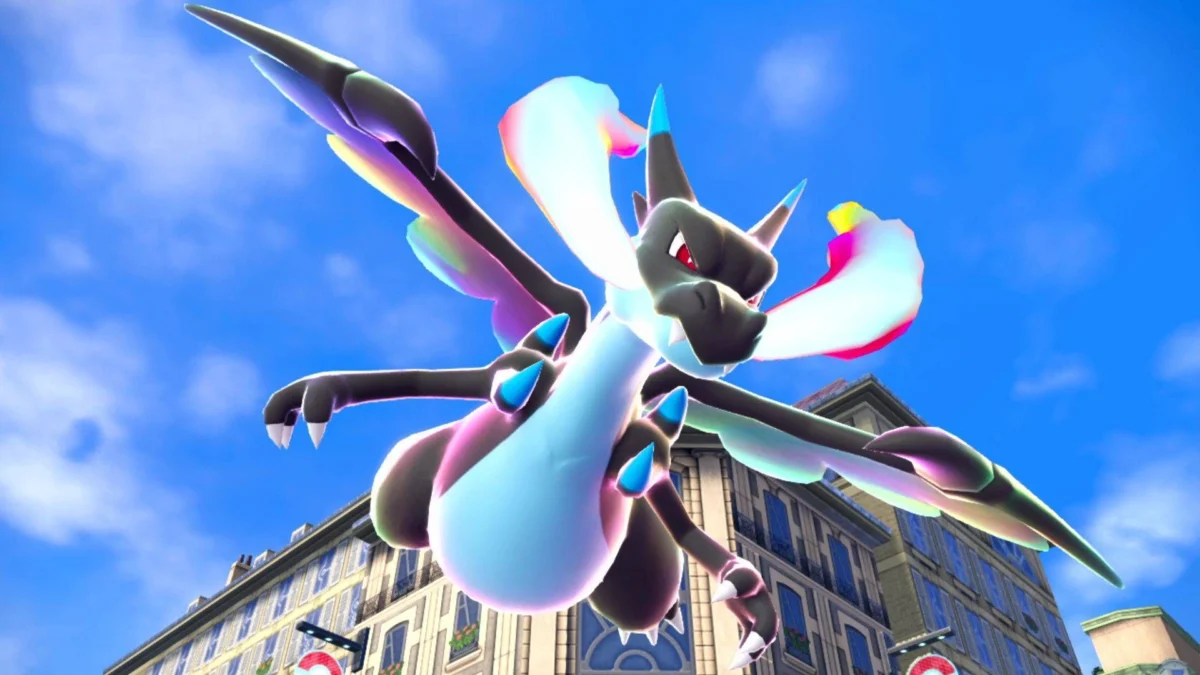
By James Ford
Published Jun 22, 2026, 8:32 AM EDT
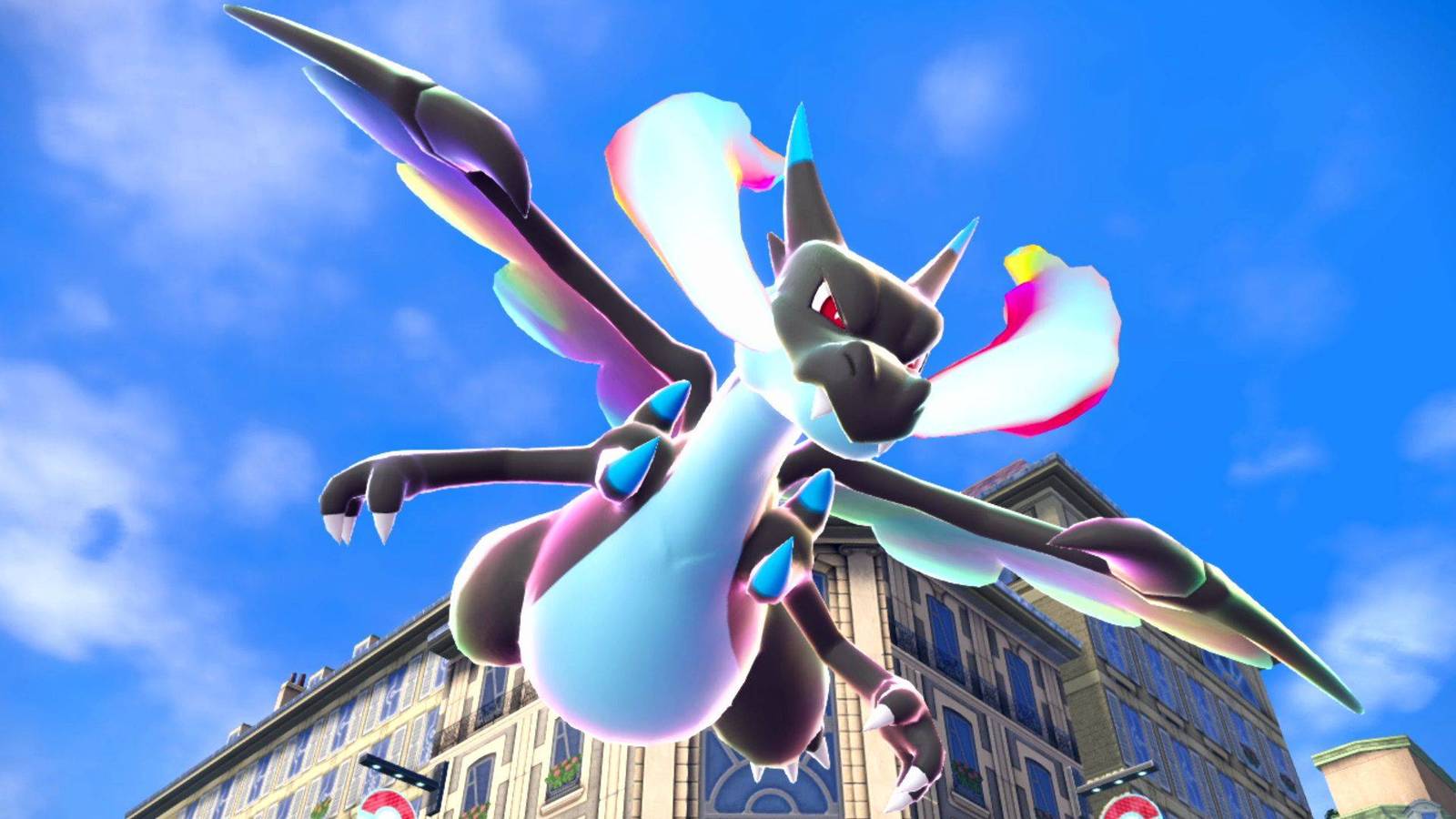
Image: Game Freak/Nintendo (Mega Charizard X flying through the sky in Pokémon Legends: Z-A.)
Lumiose City, the vibrant heart of the Kalos region, is once again at the epicentre of a significant shake-up in the competitive landscape of Pokémon Legends: Z-A. As trainers worldwide brace for the dawn of Season 13, set to commence on Wednesday, June 24, 2026, a monumental shift in the game’s ranked battle format promises to redefine strategies and challenge conventional wisdom. Following a contentious Season 12, which saw an unprecedented lifting of restrictions, developers have opted for a decisive course correction, announcing a complete ban on all Legendary and Mythical Pokémon. This move marks a stark return to a more regulated competitive environment, aiming to foster diversity and tactical depth that many felt was absent in the preceding "anything goes" period.
The decision comes after a tumultuous period for the game’s competitive scene, where the overwhelming dominance of a select few ultra-powerful Pokémon led to widespread player frustration and disengagement. Season 13, running until Wednesday, July 15, 2026, is poised to be a pivotal moment, forcing trainers to innovate and explore the vast potential of non-legendary Pokémon within the game’s unique mechanics, including the celebrated return of Mega Evolution.
The Imminent Transformation: Season 13’s Core Directives
A New Era of Strategic Depth
Season 13 of Pokémon Legends: Z-A is poised to fundamentally alter the game’s competitive ecosystem. Beginning at 2 p.m. EDT on Wednesday, June 24, 2026, and concluding at 10 p.m. EDT on Wednesday, July 15, 2026, this new ranked battle season introduces a comprehensive ban on all Legendary and Mythical Pokémon. This sweeping restriction is a direct response to the community feedback garnered during Season 12 and aims to cultivate a more balanced and accessible competitive environment.
For the duration of Season 13, trainers will be unable to deploy any Pokémon categorised as Legendary or Mythical from either the Lumiose or the Hyperspace Pokédex. This includes, but is not limited to, iconic powerhouses such as:
- Legendary Pokémon: Mewtwo, Lugia, Ho-Oh, Kyogre, Groudon, Rayquaza, Dialga, Palkia, Giratina, Reshiram, Zekrom, Kyurem, Xerneas, Yveltal, Zygarde, Solgaleo, Lunala, Necrozma, Zacian, Zamazenta, Eternatus, Koraidon, Miraidon, and any other region-specific legendaries integrated into the game’s roster via updates or the Hyperspace Pokédex.
- Mythical Pokémon: Mew, Celebi, Jirachi, Deoxys, Manaphy, Darkrai, Shaymin, Arceus, Victini, Keldeo, Meloetta, Genesect, Diancie, Hoopa, Volcanion, Magearna, Marshadow, Zeraora, Meltan, Melmetal, Zarude, Pecharunt, and any other mythical creatures introduced.
This comprehensive list effectively removes the highest-tier statistical threats from the battlefield, compelling players to reconsider their team compositions from the ground up. The competitive arena will now shine a spotlight on the diverse pool of standard Pokémon, many of which can still achieve formidable power through Mega Evolution, a central mechanic in Pokémon Legends: Z-A. As an incentive for participation, players in Season 13 will have the opportunity to earn coveted Mega Stones, further emphasizing the importance of strategic Mega Evolution in the new meta.
A Chronology of Competitive Evolution in Lumiose
From Grand Announcement to Metagame Meltdown
The journey of Pokémon Legends: Z-A‘s competitive scene has been dynamic, reflecting the developers’ willingness to experiment and refine the player experience. The game, launched earlier this year, was met with widespread anticipation, particularly for its innovative take on the "Legends" formula set within the beloved Kalos region and its promise of "urban redevelopment" intertwined with Pokémon adventures and the prominent return of Mega Evolution.
Initial seasons largely followed traditional competitive formats, featuring rotating bans on specific powerful Pokémon or types to ensure a degree of balance. These seasons typically allowed a broader range of Pokémon, with strategic exclusions preventing any single entity from becoming too dominant. This approach aimed to keep the metagame fresh and encourage diverse team building.
However, the advent of Season 12 marked a radical departure. Kicking off on Thursday, June 4, 2026, Season 12 was heralded as an "unrestricted" season, a grand experiment to see how the competitive landscape would unfold when nearly all shackles were removed. The rules permitted the use of any Pokémon found within the Lumiose or Hyperspace Pokédex, a move that on paper promised unparalleled freedom and creativity. The Hyperspace Pokédex, introduced with the "Mega Dimension DLC," further expanded the roster with unique Pokémon and forms, suggesting a rich tapestry of options.
The reality, however, proved to be a stark contrast to the ideal. Almost immediately, the metagame coalesced around a handful of overwhelmingly powerful Legendary and Mythical Pokémon. As the original report noted, Xerneas, the Fairy-type legendary, emerged as a particularly egregious offender, its potent Geomancy ability (which boosts Special Attack, Special Defense, and Speed) making it an unstoppable force once set up. Alongside it, other top-tier legendaries such as Mewtwo, Yveltal, Kyogre, and Groudon dominated the ranked ladder. These Pokémon, with their exceptionally high base stats, unique abilities, and expansive move pools, created an environment where non-legendary Pokémon struggled to compete, regardless of their strategic potential or Mega Evolution capabilities.
Player sentiment quickly soured. Forums and social media platforms, including the Pokémon Z-A subreddit, became inundated with complaints. Many competitive players, disheartened by the lack of diversity and the feeling of being outmatched unless they also ran a team of legendaries, simply opted to cease playing ranked battles for the duration of Season 12. The grand experiment, intended to foster freedom, inadvertently led to a homogenised and frustrating experience for a significant portion of the player base.
The announcement of Season 13, therefore, represents a strategic pivot. It’s a clear acknowledgement of the lessons learned from Season 12 and a recommitment to fostering a competitive environment where skill and diverse strategy, rather than raw power levels, are the primary determinants of success. The rapid turnaround from the end of Season 12 to the beginning of Season 13 underscores the developers’ urgency in addressing player concerns and restoring competitive integrity.
Supporting Data: The Reign of Terror and Community Outcry
The Unbalanced Equation of Season 12
Season 12’s "anything goes" approach, while conceptually intriguing, quickly exposed fundamental imbalances in Pokémon Legends: Z-A‘s competitive framework when the most powerful entities were unleashed without constraint. The dominance of Legendary and Mythical Pokémon was not merely anecdotal; it was quantifiable through battle statistics and widely discussed within the community.
Xerneas’s Unrivalled Power: As highlighted, Xerneas became the poster child for Season 12’s issues. Its signature move, Geomancy, coupled with the Power Herb item, allowed it to instantly gain a +2 boost to Special Attack, Special Defense, and Speed in a single turn. With its naturally high Special Attack and access to powerful Fairy-type STAB (Same-Type Attack Bonus) moves like Moonblast, Xerneas could sweep through entire teams with little counterplay. Many non-legendary Pokémon, even those with type advantages, simply couldn’t withstand its boosted attacks or outspeed it. The scarcity of viable steel-type Pokémon or strong special walls capable of reliably checking a boosted Xerneas further exacerbated the problem.
The "Uber" Tier’s Overwhelm: Beyond Xerneas, other "Uber-tier" legendaries formed an impenetrable wall. Mewtwo, with its blistering speed and immense special attack, could devastate opponents. Yveltal, with its Dark Aura ability boosting Dark-type moves, became a formidable offensive presence. The weather-setting titans, Kyogre (Drizzle) and Groudon (Drought), often determined the pace of battles, their abilities enhancing their own attacks and those of their teammates while hindering opponents. When these Pokémon could be freely paired together, they created synergistic teams that were nearly impossible for conventional teams to overcome. The "Hyperspace Pokédex" additions, while adding variety, did not introduce enough counters or equally powerful options to balance the scale against these established behemoths.
Player Exodus and Disenchantment: The competitive Pokémon Legends: Z-A community voiced its frustration vehemently. On platforms like Reddit, players reported a sharp decline in their willingness to participate in ranked battles. User u/PokeTrainer_Kalos on the r/PokemonZA subreddit commented, "Season 12 has been a disaster. Every other team is Xerneas, Kyogre, and Mewtwo. What’s the point of building a creative team when you just get swept?" Another user, u/MegaEvoMaster, echoed the sentiment, stating, "I love Mega Evolution, but it means nothing when a legendary can one-shot my Mega Blaziken before it even moves. I’ve stopped playing ranked until next season." This widespread disillusionment posed a significant threat to the long-term health of the game’s competitive scene, underscoring the necessity for intervention.
Historical Precedent in Pokémon Competitive Play: The challenges faced in Pokémon Legends: Z-A Season 12 are not unique in the history of Pokémon competitive play. For decades, official tournaments (like the Video Game Championships, VGC) and community-driven formats (like Smogon tiers) have wrestled with the inherent power disparity of Legendary and Mythical Pokémon. VGC often imposes restrictions, allowing only one or two "restricted" legendaries per team in certain formats, or banning them entirely in others. Smogon’s tiering system explicitly separates Pokémon into usage-based tiers (OU, UU, RU, NU, etc.), with "Ubers" being the tier for Pokémon deemed too powerful for the standard OverUsed (OU) format, a tier largely populated by legendaries. This historical context demonstrates that competitive Pokémon requires careful regulation to prevent a few dominant forces from stifling diversity. The developers of Pokémon Legends: Z-A are, in essence, applying lessons learned from the broader Pokémon competitive ecosystem.

The Significance of Mega Stones: The announcement that Mega Stones will be rewards for participating in Season 13 is strategically important. In Pokémon Legends: Z-A, Mega Evolution is a cornerstone mechanic, bringing significant power boosts and strategic options to many non-legendary Pokémon. By offering Mega Stones, the developers are not only encouraging participation but also directly empowering players to explore and optimize their Mega Evolution strategies, which will be crucial in a meta devoid of legendaries. This move reinforces the game’s unique identity within the Pokémon franchise.
Official Responses and Strategic Rationale
A Calculated Course Correction
While no direct press conference or extensive developer interviews have been released specifically detailing the decision-making process behind Season 13’s rule changes, the official announcements on the Pokémon website serve as the primary communication from Game Freak, Nintendo, and The Pokémon Company. The shift from an unrestricted format to a highly restricted one is, in itself, the most significant official response to the player feedback.
The decision to ban all Legendary and Mythical Pokémon can be interpreted as a strategic and proactive measure to:
- Restore Competitive Balance: By removing the statistically superior Pokémon, the playing field is significantly levelled. This allows for a much wider array of Pokémon to be competitively viable, encouraging more diverse team compositions and creative strategies.
- Enhance Player Engagement: A more balanced meta is inherently more enjoyable for a larger segment of the player base. The hope is that players who became disengaged during Season 12 will return, finding a more rewarding and fair competitive experience.
- Promote Core Game Mechanics: With legendaries sidelined, the spotlight naturally shifts to other powerful elements, particularly Mega Evolution. This aligns with Pokémon Legends: Z-A‘s emphasis on this mechanic, encouraging players to master its nuances and discover the potential of various Mega-Evolved forms. The offering of Mega Stones as rewards further solidifies this focus.
- Test New Metagame Dynamics: Developers frequently use seasons to test different rule sets and observe their impact on the metagame. Season 12 was an experiment in freedom, and Season 13 is an experiment in a highly controlled environment. The data gathered from both will be invaluable for shaping future competitive seasons.
The official Pokémon website, specifically the news article detailing Season 13, succinctly outlines the new rules and rewards, demonstrating a clear and concise communication strategy. While the communication doesn’t explicitly state, "We heard your complaints about Xerneas," the drastic change speaks volumes about the developers’ responsiveness to community sentiment regarding competitive integrity. It reflects a delicate balancing act: providing players with freedom while also ensuring a fair and enjoyable competitive landscape that encourages long-term engagement.
Implications for the Future of Lumiose’s Battles
A Metagame Reimagined and a Community Re-engaged
The implementation of a complete ban on Legendary and Mythical Pokémon for Season 13 carries profound implications for the competitive future of Pokémon Legends: Z-A. This radical shift is expected to usher in a new era of strategic diversity and player re-engagement.
Reshaping the Metagame:
The most immediate effect will be the complete overhaul of viable strategies. Without the overwhelming power of Xerneas, Mewtwo, and their ilk, many previously overlooked Pokémon are likely to rise to prominence. Trainers will be forced to delve deeper into the Lumiose and Hyperspace Pokédexes, exploring the unique stat distributions, abilities, and move pools of standard Pokémon.
- Mega Evolution at the Forefront: Mega Evolution will undoubtedly become even more central to competitive success. Pokémon like Mega Charizard X/Y, Mega Venusaur, Mega Blastoise, Mega Gengar, Mega Kangaskhan, and other powerful Mega Evolutions will now have a clearer path to dominance without having to contend with the raw power of legendaries. Team compositions will likely revolve around supporting these Mega Evolvers, using entry hazards, stat boosters, and defensive pivots to set them up for success.
- Strategic Variety: Defensive cores, offensive pivots, status inflictors, and niche Pokémon with unique abilities will find more opportunities to shine. Speed control, often overlooked when facing naturally fast legendaries, will become a critical factor. The emphasis will shift from brute force to intricate planning and predictive play.
- Emergence of New Threats: Pokémon like Hydreigon, Aegislash, Greninja, and Garchomp – all incredibly powerful in their own right but often overshadowed by legendaries – are prime candidates to become top-tier threats. The ban creates a vacuum that these strong non-legendaries are perfectly positioned to fill.
Player Engagement and Community Health:
The return to a more balanced format is anticipated to draw back players who became disillusioned during Season 12. A fairer playing field means that more players feel they have a genuine chance to succeed, fostering a healthier and more active competitive community. The excitement of discovering new strategies and witnessing a more diverse array of Pokémon in battles will likely invigorate the game’s online presence. Forums and social media will likely shift from complaints about dominance to discussions about innovative team builds and effective counter-strategies.
Long-Term Competitive Trajectory:
Season 13 will serve as a crucial test case. If successful, this type of restricted format could become a staple of Pokémon Legends: Z-A‘s competitive seasons, perhaps rotating with other rule sets that allow a limited number of legendaries or specific types. The developers will closely monitor usage statistics, win rates, and player feedback to inform future decisions. This commitment to refining the competitive experience suggests a long-term vision for Pokémon Legends: Z-A as a robust and evolving esports title within the broader Pokémon franchise.
The "Legends" series, while traditionally focusing on exploration and a narrative distinct from the main series, has clearly embraced a dedicated competitive component in Z-A. The lessons learned from Season 12 and the decisive action taken for Season 13 underscore the developers’ commitment to nurturing this aspect of the game. As Lumiose City prepares for its next competitive chapter, trainers are urged to revisit their strategies, explore the depths of their Pokédexes, and prepare for a truly transformed battle experience where ingenuity, not just raw power, will reign supreme. The path to becoming a Pokémon Master in Lumiose has just become significantly more challenging and, for many, far more exciting.


 Sagoh
Sagoh