Laily UPN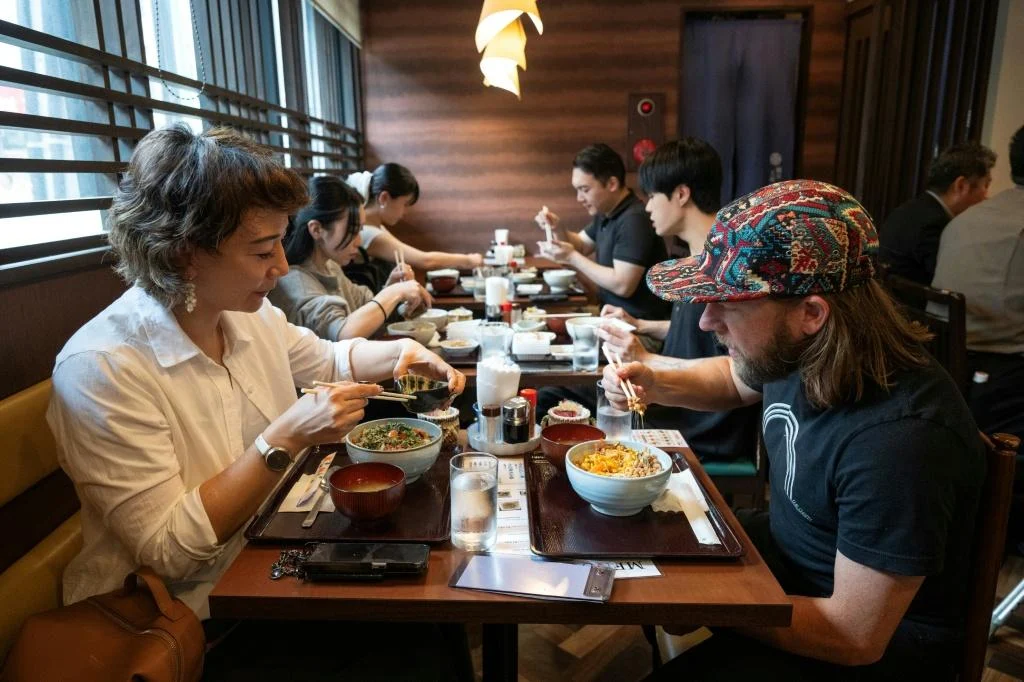
Sticky, translucent strings dangle from Wesley Smith’s chopsticks as the American tourist relishes his natto, the polarizing Japanese fermented soybean superfood that is currently conquering palates far beyond the Japanese archipelago. For the uninitiated, the experience is visceral: a pungent aroma, a viscous, web-like texture, and a yeasty, umami-rich flavor that often elicits a love-it-or-hate-it response. Yet, one mouthful at a time, this traditional breakfast staple is quietly undergoing a global transformation.
Main Facts: The Gooey Revolution
Natto, produced by fermenting soybeans with the bacterium Bacillus subtilis natto, has been a cornerstone of the Japanese diet for centuries. Traditionally served over steaming white rice, it is often accompanied by soy sauce, mustard, and occasionally raw egg or green onions. However, as the world becomes increasingly obsessed with gut health and fermented functional foods—joining the ranks of kimchi, kombucha, and kefir—natto has emerged as a high-protein, fiber-packed contender for the title of the world’s most potent "superfood."
The latest trade statistics paint a picture of rapid expansion. Exports of these highly nutritious beans have tripled since 2017, reaching 5,248 tons in 2025. China and the United States currently lead the list of international destinations, fueled by a demographic shift toward health-conscious consumption.
Chronology: A Trajectory of Growth
The ascent of natto into the global consciousness did not happen overnight. For decades, the dish was largely confined to Japanese households and specialty restaurants.
- Pre-2015: Natto remained a localized curiosity, largely viewed as an "exotic" Japanese breakfast item with limited appeal outside East Asia.
- 2017–2020: The global interest in the "gut-brain axis" and the health benefits of probiotics began to take hold. Health influencers and nutritionists started highlighting the high vitamin K2 and nattokinase content found in the beans.
- 2020–2022 (The Pandemic Catalyst): The COVID-19 pandemic triggered a worldwide spike in the search for immunity-boosting foods. As consumers became hyper-aware of digestive health, fermented foods saw a massive surge in sales.
- 2023–2025: Social media platforms, particularly TikTok and Instagram, played a pivotal role in demystifying the "slime." Trends featuring "natto challenges" exposed millions of non-Japanese viewers to the product, shifting the narrative from "disgusting" to "daring and healthy."
- 2025: Exports hit a record high of 5,248 tons, marking a tripling of figures compared to 2017.
Supporting Data: The Nutritional Powerhouse
The health claims surrounding natto are backed by significant scientific interest. Regular consumption is associated with several physiological benefits:
- Cardiovascular Health: Natto is the richest dietary source of nattokinase, an enzyme that has been shown in various studies to support healthy blood pressure levels and reduce arterial clotting.
- Bone Density: High levels of Vitamin K2 are critical for calcium absorption, making natto a valuable dietary addition for aging populations.
- Immune and Digestive Support: As a fermented food, it provides a robust source of probiotics, which help balance the gut microbiome.
- Affordability: Traditionally known as the "star student of pricing," a standard three-pack of natto (approx. 120–150g total) typically retails for around 100 yen (roughly $0.65 USD) in Japanese supermarkets.
Despite these benefits, the texture remains the primary barrier to mainstream adoption. As Wesley Smith, a 47-year-old Arizonan, noted during a lunch at Sendaiya—a Tokyo restaurant dedicated exclusively to natto—the adjustment period is real. "I thought it was a little funky at first," Smith admitted. "But over the years, it became an acquired taste, much like a strong cheese that smells like dirty socks."
Official Responses and Industry Shifts
The industry is currently navigating a period of transition, balancing its reputation as a budget-friendly staple with the realities of global inflation. Yoshihiro Noro, the 72-year-old owner of a family-run natto business and former head of the Japan Natto Cooperative Society Federation, acknowledges that the "poverty food" label is finally fading.
"Very few foods can be called as truly healthy a superfood as natto is," Noro said in an interview with AFP. He notes that the industry has recently faced a "wave of price hikes" due to global supply chain issues, particularly regarding the price of naphtha, a byproduct of oil used in the plastic packaging of the individual servings.
However, Noro views these economic pressures as an opportunity to reposition natto. "I hope an era will come when people will collectively see high-quality, high-end natto as worth shelling out their money on." His company’s premium line, Kamakurayama Natto, is designed to appeal to the global palate by minimizing the bitterness and intense "stink" while retaining the signature stickiness. This premiumization strategy has already found success, with exports flowing into Hong Kong, Shanghai, Singapore, and even Norway.
Implications: The Future of Global Fermentation
The rise of natto is emblematic of a broader cultural exchange. At Suehiro, a Japanese restaurant in Los Angeles, owner Kenji Suzuki has observed a marked shift in clientele. "When social media started talking about natto as a superfood, more people wanted to see what it is—’is it as bad as people say it is?’" he explains.
The implications for the global food market are clear: consumers are increasingly willing to look past sensory discomfort in favor of functional nutrition. However, experts suggest that natto is unlikely to become as ubiquitous as sushi or ramen.
"I can’t think of anything in American cooking that’s common with that slimy texture," says Smith. His wife, Maya Bourdeau, compares the experience to "natural wine"—an acquired taste with a complex, evolving profile that requires a level of culinary adventurousness.
A Cultural Point of Pride
For many in Japan, the newfound global interest is a source of national pride. Daisuke Tsujimoto, a 31-year-old from Osaka who traveled hundreds of kilometers just to experience a full-course natto meal in Tokyo, believes the appreciation is well-deserved. "It really is a food culture Japan can be proud of," he said. "I truly hope people around the world will continue to eat it."
As the industry continues to innovate—masking the pungency for international markets while maintaining the nutrient profile—natto appears poised to shift from a niche Japanese breakfast item to a permanent fixture in the global pantry of health-conscious consumers. Whether it remains a "funky" challenge or becomes a staple of the global diet, the sticky, stringy bean has firmly cemented its place in the 21st-century food landscape.
The journey from the local supermarket shelves of Tokyo to the high-end grocers of Singapore and Los Angeles proves that while the taste may be divisive, the demand for health-promoting, traditional foods knows no borders. As Noro aptly puts it: "I’ve heard that in some countries, people have been told natto is good for their health, so they force themselves to eat it even though they strongly dislike the taste. But keep eating it, and you will definitely get hooked."
© 2026 AFP


 Neng Nana
 Asro
Asro