Neng Nana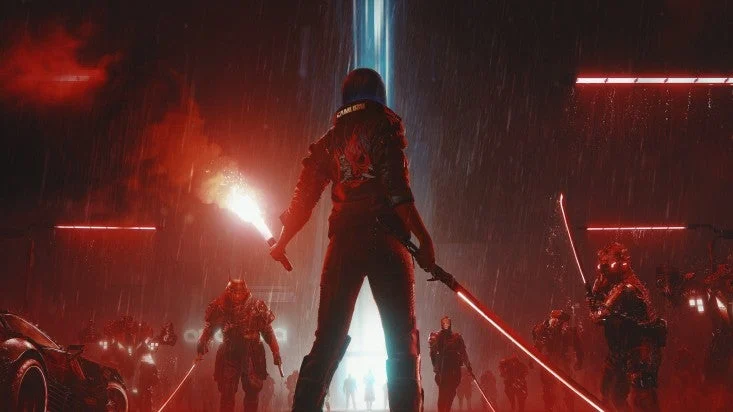
The narrative of CD Projekt Red (CDPR) over the last four years is one of the most compelling cautionary tales in modern gaming history. Once the darling of the industry—lauded for the consumer-friendly reputation solidified by The Witcher 3: Wild Hunt—the Polish developer faced a catastrophic fall from grace with the 2020 release of Cyberpunk 2077. Today, the studio is in the midst of a multi-year effort to regain its standing, with leadership openly acknowledging that the journey toward full redemption is far from complete.
The Weight of Expectation: Acknowledging the Fallout
Michał Nowakowski, joint-CEO of CD Projekt, recently provided a candid assessment of the studio’s current position during the "Knowledge’s Edge in Person" event. His comments served as a sobering reminder that while the game has undergone a miraculous recovery, the reputational damage remains a lingering scar.
"I’m not 100% convinced we went through the full redemption arc," Nowakowski admitted, addressing the audience. He acknowledged that the company had "lost the faith of some people indefinitely," noting that such skepticism is a fair consequence of the product delivered at launch. For a studio that built its brand on the promise of quality and transparency, the admission that some players may never return is a significant departure from the typical PR-speak of the gaming industry.
Chronology of a Crisis: From Hype to Infamy
To understand the current strategy of CD Projekt, one must look back at the volatile timeline of Cyberpunk 2077.
- 2012–2020: The Hype Cycle: Following the success of The Witcher 3, anticipation for Cyberpunk reached unprecedented levels. The marketing campaign promised a revolutionary open-world experience that would define the next generation of RPGs.
- December 2020: The Launch: The game arrived in a state that many critics and fans described as "unplayable" on base-model consoles. Glitches, frame-rate drops, and game-breaking bugs led to mass refund requests and a historic move by Sony to pull the title from the PlayStation Store.
- 2021–2022: The "Fix-it" Era: CDPR pivoted entirely to damage control. Through a series of massive patches (most notably versions 1.5 and 1.6), the studio slowly stabilized the experience, eventually winning back a portion of the community.
- 2023: The Phantom Liberty Turning Point: With the release of the Phantom Liberty expansion and the accompanying 2.0 update, the game was finally realized in the state fans expected at launch. Critical reception shifted from condemnation to praise, with many labeling it a masterpiece of the genre.
Supporting Data: By the Numbers
Despite the disastrous beginning, the commercial trajectory of Cyberpunk 2077 is a testament to the power of persistence. As of the most recent public data, the title has surpassed 35 million copies sold. This figure illustrates a rare phenomenon in gaming: the "long tail" of recovery. While initial sales were driven by pre-orders and brand loyalty, the sustained sales were fueled by a concerted effort to iterate and improve the product until it met the standards of a premium AAA title.
However, the cost of this recovery was immense. The company faced shareholder lawsuits, a sharp decline in stock value, and a massive internal restructuring. The shift to Unreal Engine 5 for future projects is perhaps the most significant structural change, representing an end to the era of the proprietary "REDengine."
Official Responses and Internal Shift
Nowakowski’s insights into the studio’s internal evolution highlight a "battle-hardened" workforce. He noted that the ordeal of fixing Cyberpunk 2077 forged a more resilient team. "We were left with seasoned, battle-hardened veterans," he stated. "Leaders who were able to carry a different kind of challenge on their shoulders."
This shift in leadership and philosophy is now being applied to the studio’s next major pillar: The Witcher 4. The decision to move away from their in-house engine is, in part, a response to the technical debt the company incurred. Nowakowski explained that onboarding new developers to the proprietary REDengine previously took six to nine months—a timeline he described as "crazy."
By partnering with Epic Games, CDPR has secured a "backbone" that allows them to focus on narrative and world-building rather than fighting the foundation of their technology. "Epic allowed us to go into the black box of Unreal Engine," Nowakowski said. "I think we’re the only company right now that actually does that outside of Epic themselves—and fiddle with it, so we would actually be co-building one of the biggest techs out there."
Implications for the Future: Is Redemption Possible?
The path forward for CD Projekt Red is paved with both opportunity and trepidation. The studio is no longer afforded the benefit of the doubt. The "goodwill" capital they once held has been spent, and they are now operating in a landscape where their every move is scrutinized by a skeptical, albeit attentive, public.
The Witcher 4 as a Litmus Test
The Witcher 4 represents the ultimate test for the studio. It is a return to their most beloved franchise, built on new, more efficient technology, and developed by a team that has been tempered by the fire of the Cyberpunk disaster. If this title launches in a polished, finished state, it could potentially signal the end of the "redemption arc" Nowakowski mentioned. If it falters, the long-term viability of the studio as a top-tier developer will be called into serious question.
A Cultural Shift in Development
Beyond the games themselves, the implications of this era extend to how the industry approaches project management. CDPR’s struggle serves as a warning against the dangers of "crunch" culture and overly ambitious marketing cycles. The "battle-hardened" veterans mentioned by the CEO now operate under a more cautious framework, where the quality of the foundation is prioritized over the speed of the delivery.
Conclusion: The Long Game
Ultimately, the story of CD Projekt Red is far from its final chapter. Michał Nowakowski’s admission that the company may have lost some players "indefinitely" is an honest assessment of the lasting impact of the 2020 launch. However, his hope that the studio can earn back its reputation—if not with the next Witcher game, then with the projects that follow—reveals a long-term commitment to excellence.
For the gaming community, the focus remains on whether CDPR has truly learned the lessons of its past. The transition to Unreal Engine 5 and the restructuring of their internal development pipelines suggest a company that has moved past the arrogance of its peak and into a phase of pragmatic maturity. Whether this translates into the same level of cultural dominance they enjoyed a decade ago remains to be seen, but one thing is certain: CD Projekt Red is playing the long game, and they are acutely aware that in the court of public opinion, the only thing that matters is the final product.


 Ali Ikhwan
 Nana Wu